Skip to content →

Tag: water birds

Spring 2025 in Perth, WA (#1 in series: emblematic animals)


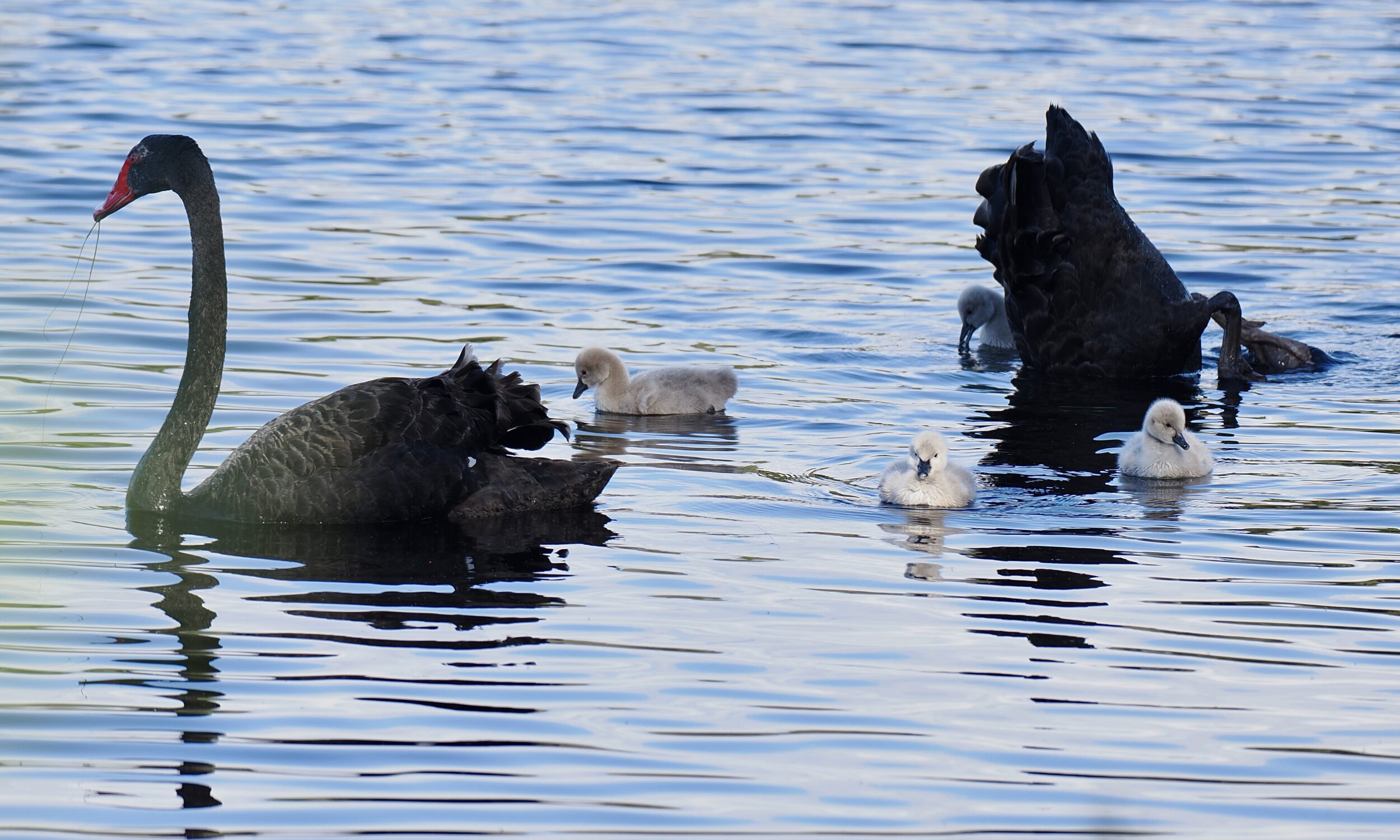
Cygnus atratus – the black swan – is widespread over much of Australia, but is most especially associated with Western Australia.

From 1854 through to Federation in 1901 it appeared on every West Australian postage stamp.

It is still the local “heraldic beast”: prominent on WA’s flag and Coat of Arms.

This species is not endangered, and enjoys protected status in all Australian states and territories.

Black swans are mostly monogamous and both parents are very attentive to their offspring.

Breeding usually occurs in winter.

Spring is generally the best/easiest season to observe parents and cygnets on “open” water.

Comments closed
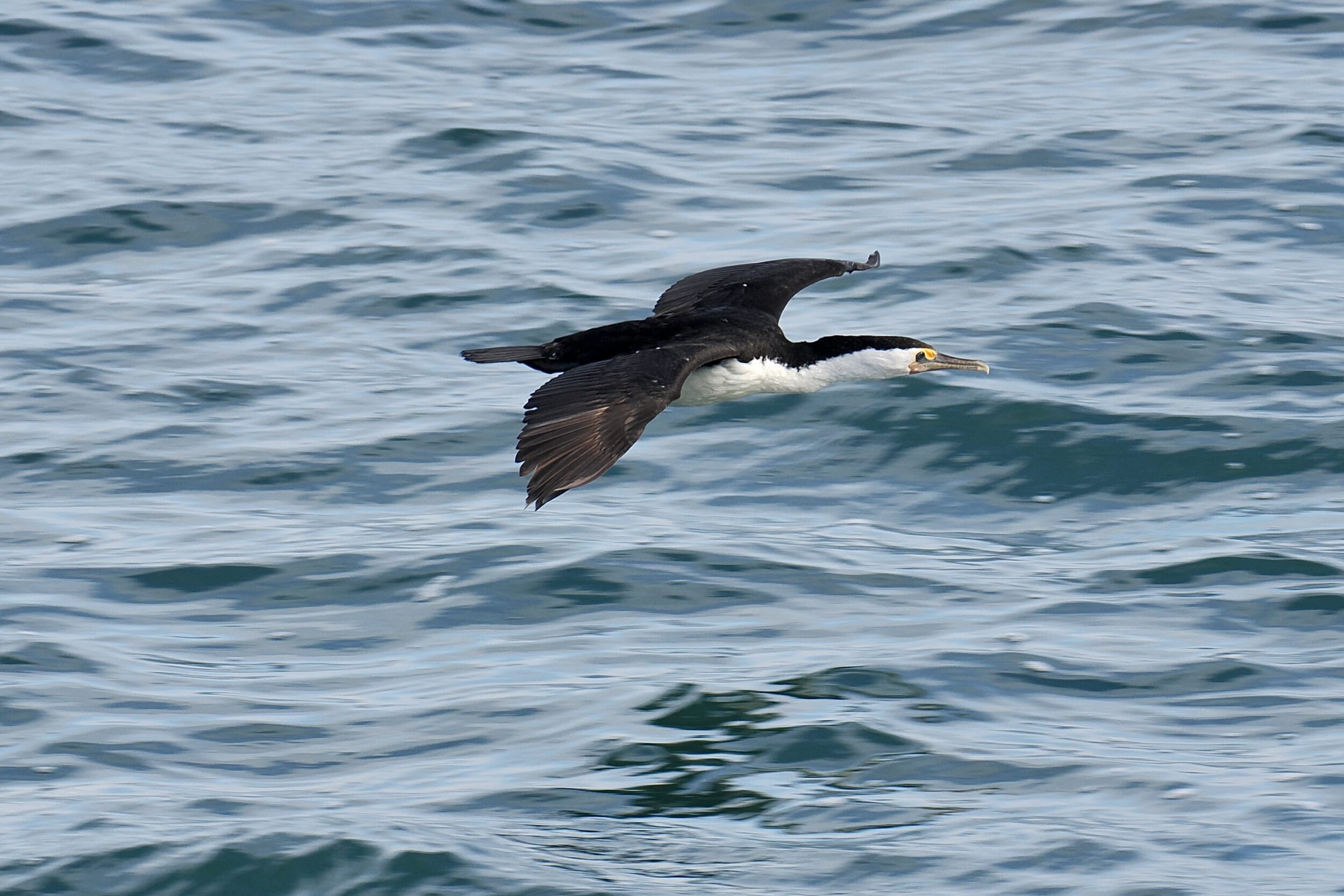
Winter 2025, South West WA (#1 in series: flying low)


At least according to European-styled calendars, spring has just begun in Australia’s southwestern corner.

Seasonal realities are in fact highly “fluid”; they do not obey calendar dates.

Whilst seasonal patterns have become progressively more “fluid”, the skies over WA’s south west have provided progressively smaller annual deliveries of actual fluid.

For the past four decades almost every annual and winter rainfall figure has been well below the long term average

in June-July-August 2025 most parts of  WA’s south west experienced their first “properly” wet 21st century winter.

Perth’s 2025 winter was the wettest of our 42 years here; only those who have lived in Perth for 68 years have experienced any (barely) wetter one.

Comments closed

“Jewel in the crown of Kashmir” (#6 in series)


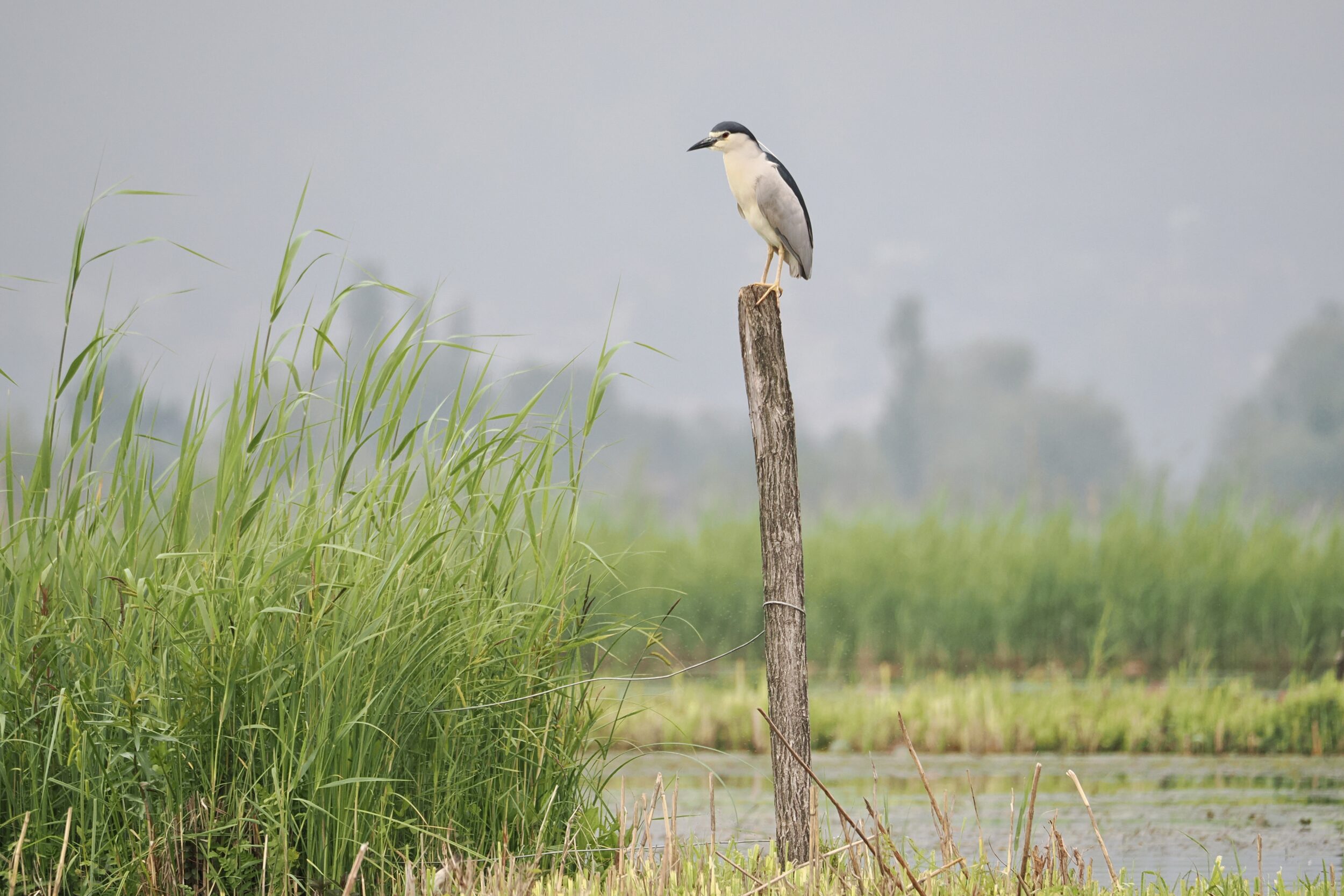
If “your” Dal Lake houseboat is in the quieter part of the lake, you almost certainly will “feel the serenity”…at times.

You will also, there, be able to appreciate what still is an intrinsically very beautiful location.

And, before or after breakfast, without having to move beyond “your” boat’s verandah or landing, you are very likely to enjoy nice encounters with local birdlife.

Comments closed

Coorong, autumn 2024 (#17 in series: flapping)


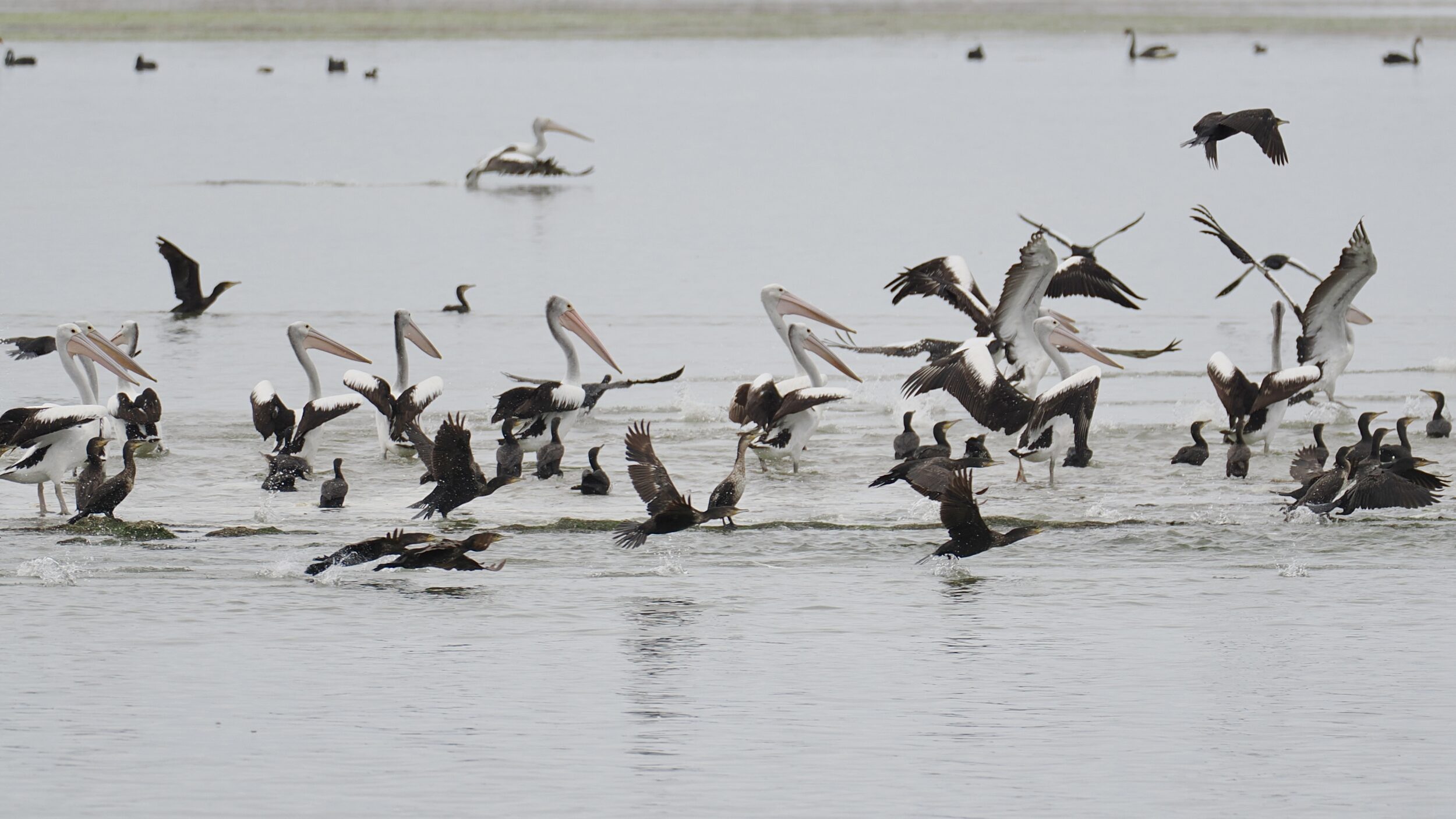
At 3.13 pm on 13 March 2024 we were on our way back to Goolwa.

At that moment – forty minutes shy of the Goolwa Barrage – I loved the pictured combination of avian “group kerfuffle”, the slightly comic grace of “the lone pelican”, and the “unruffled tranquility” of the birds in the background.

Comments closed

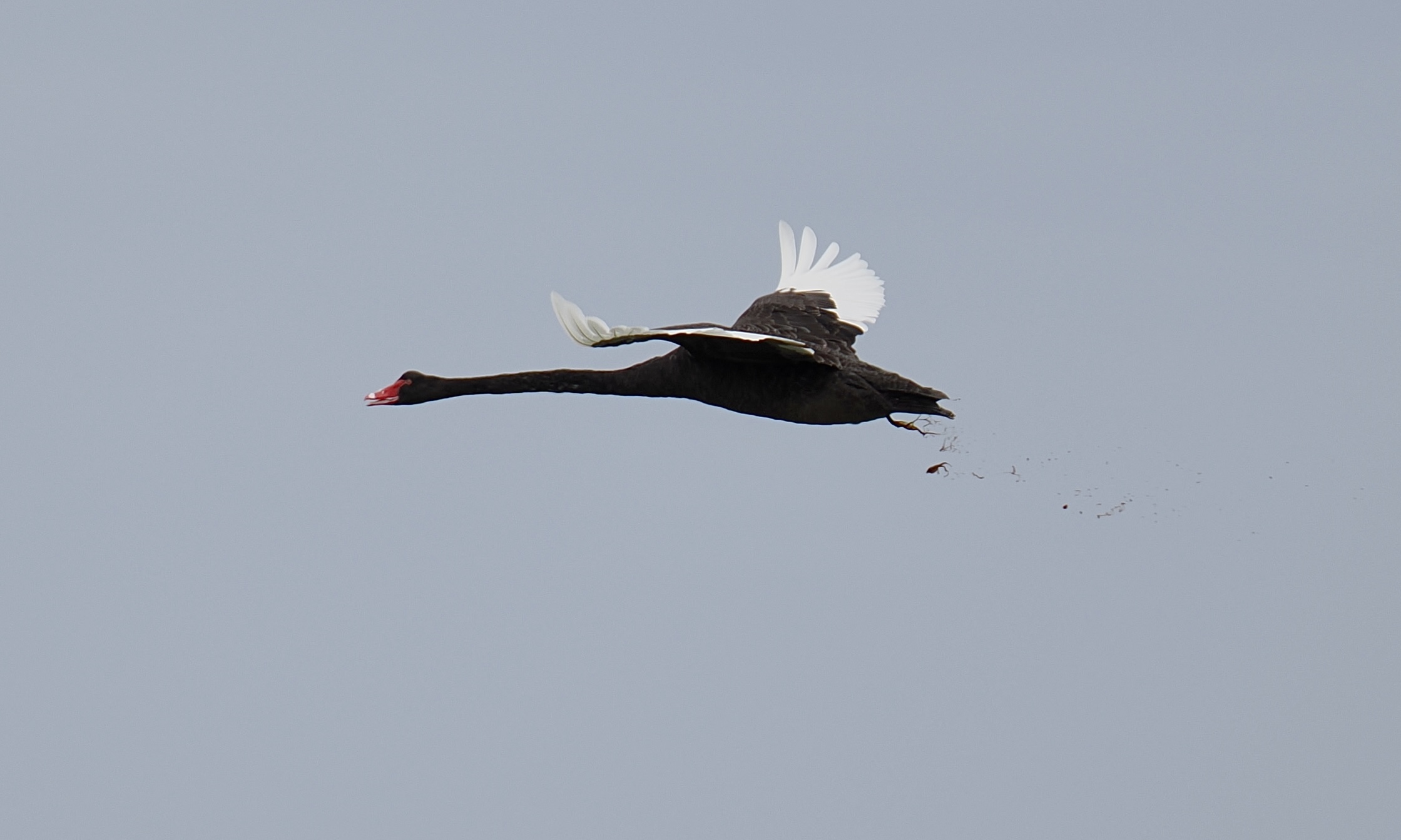
Coorong, autumn 2024 (#10 in series: swan bomber)


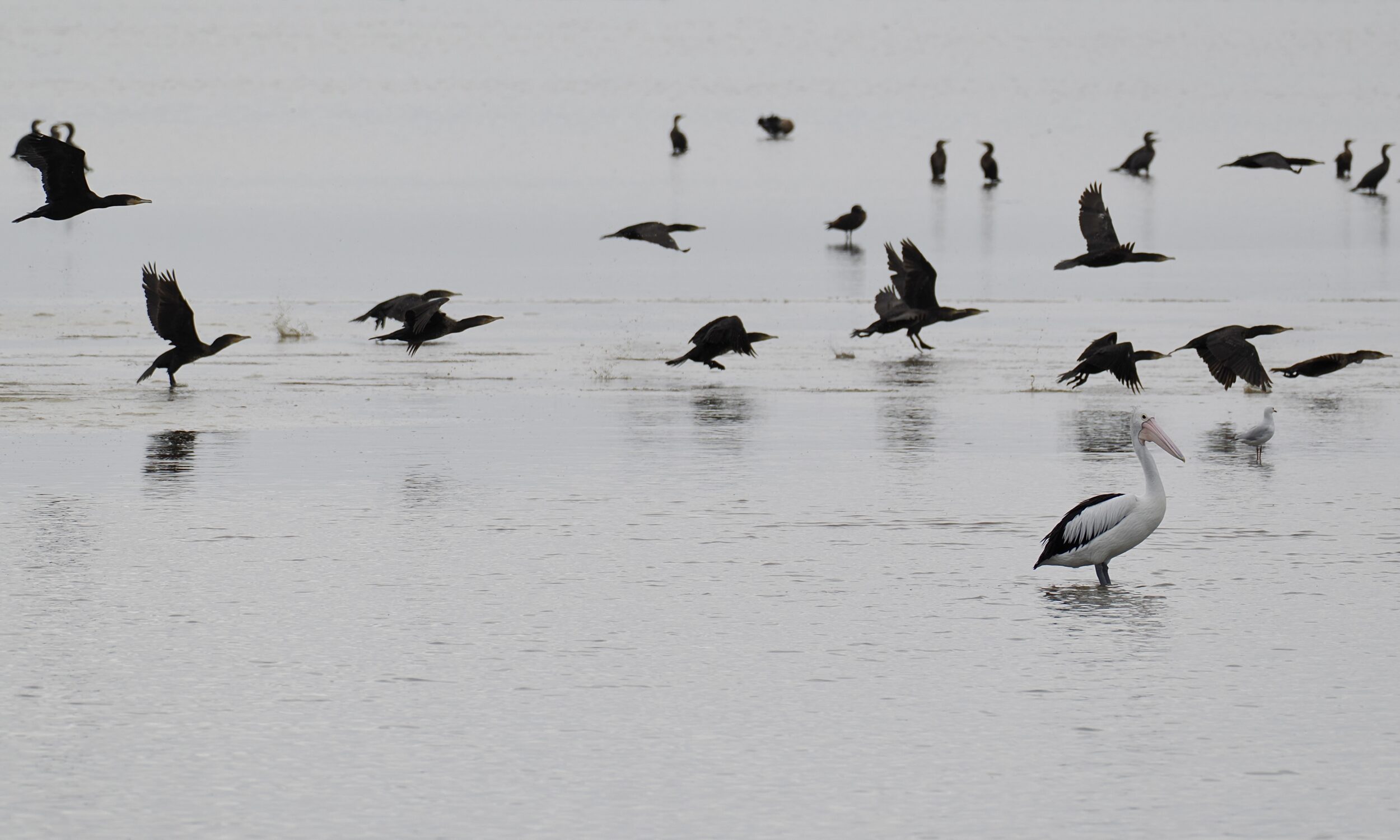
For any photographer, attempting to “capture” a bird in flight is always a challenge.

More often than not, one does not succeed.

One is grateful that digital images can be inspected, instantly and deleted, often.

Sometimes, one “captures” something additional to what one had intended…

Comments closed

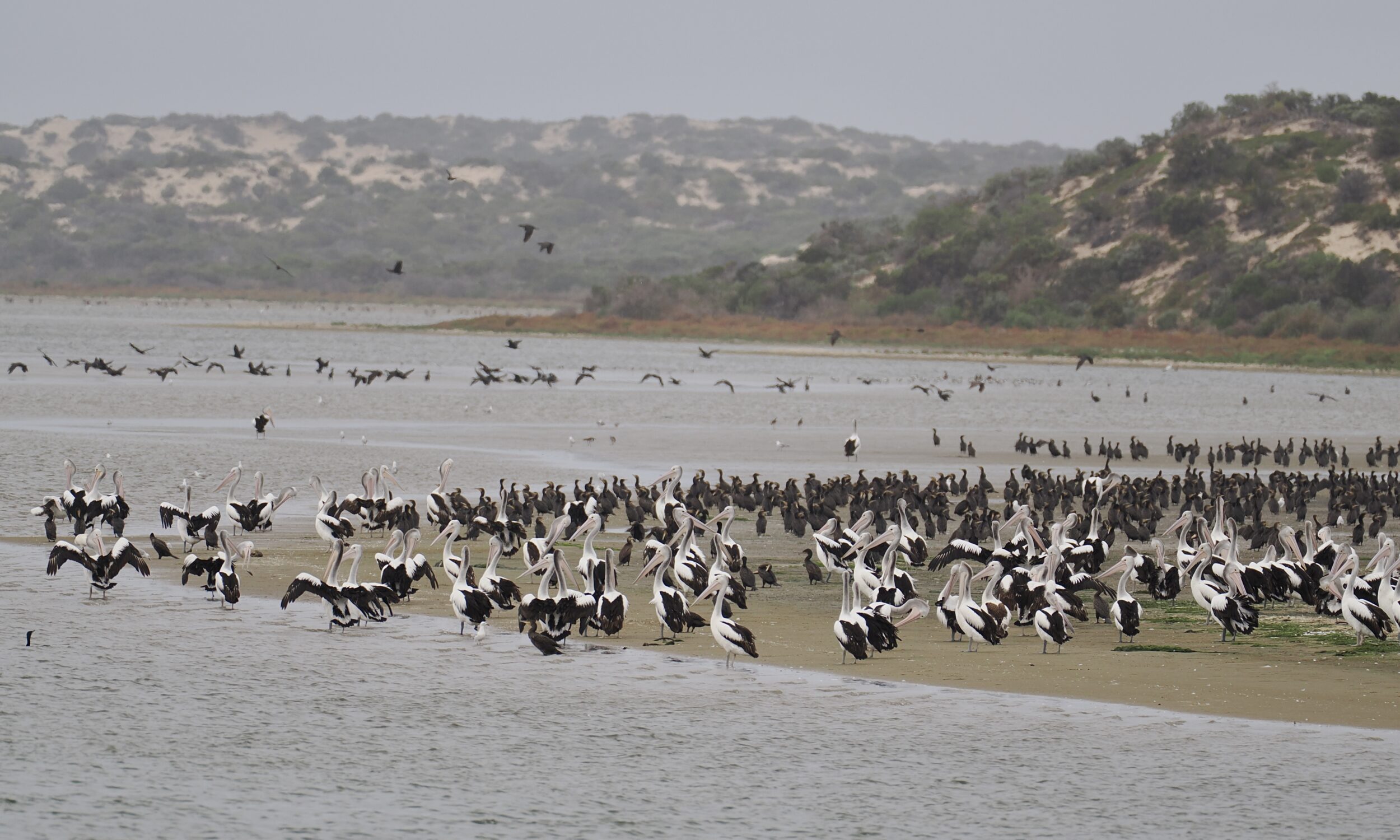
Coorong, autumn 2024 (#12 in series: abundance)


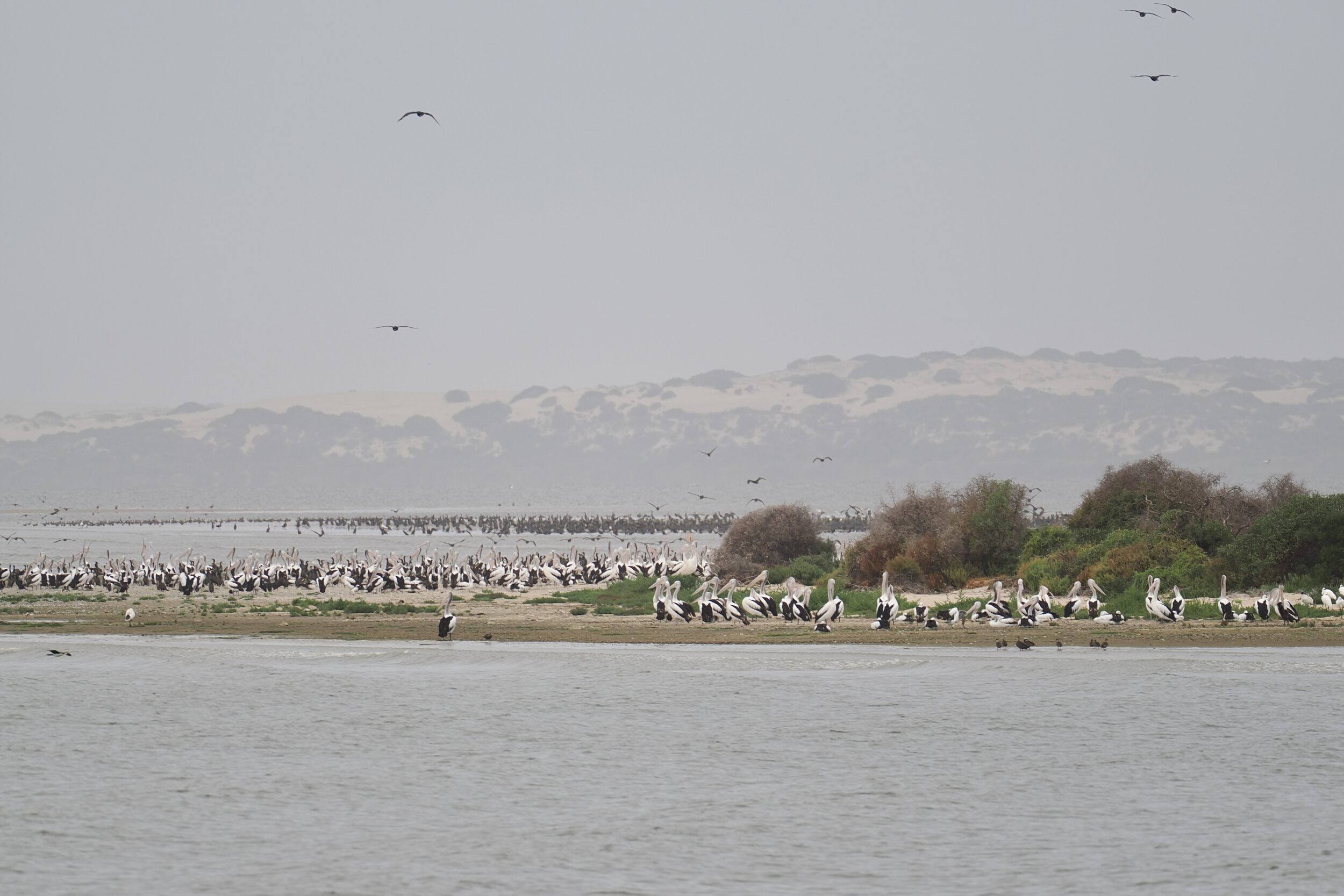
A wider view reveals what the Coorong’s north lagoon looks like in “boom time”..and a future post’s even-wider view will really show just how prodigiously abundant was birdlife in autumn 2024.

(Photo ©️ Doug Spencer, taken at 12.55 pm on 13 March 2024 – less than one minute after the previous post’s featured image)

The Coorong has long been a very dynamic ecosystem – and a fragile one.

Three months after we witnessed such abundance in the north lagoon, the Coorong’s south lagoon suffered a huge fish kill; an estimated 200 stinking tonnes of dead fish were rotting.

Locals said it was the largest such event in more than forty years.

Comments closed