Skip to content →

Tag: water birds

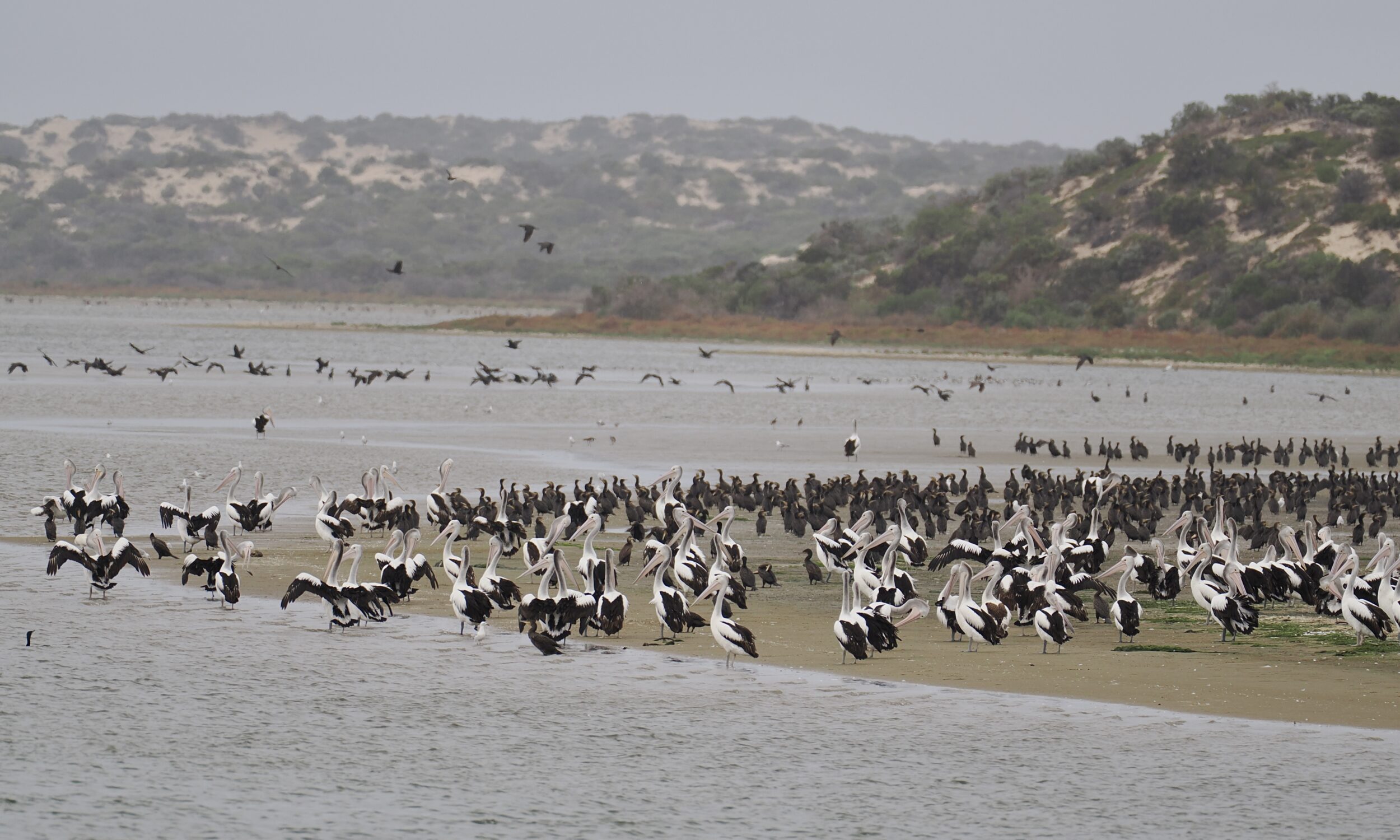
Coorong, autumn 2024 (#12 in series: abundance)


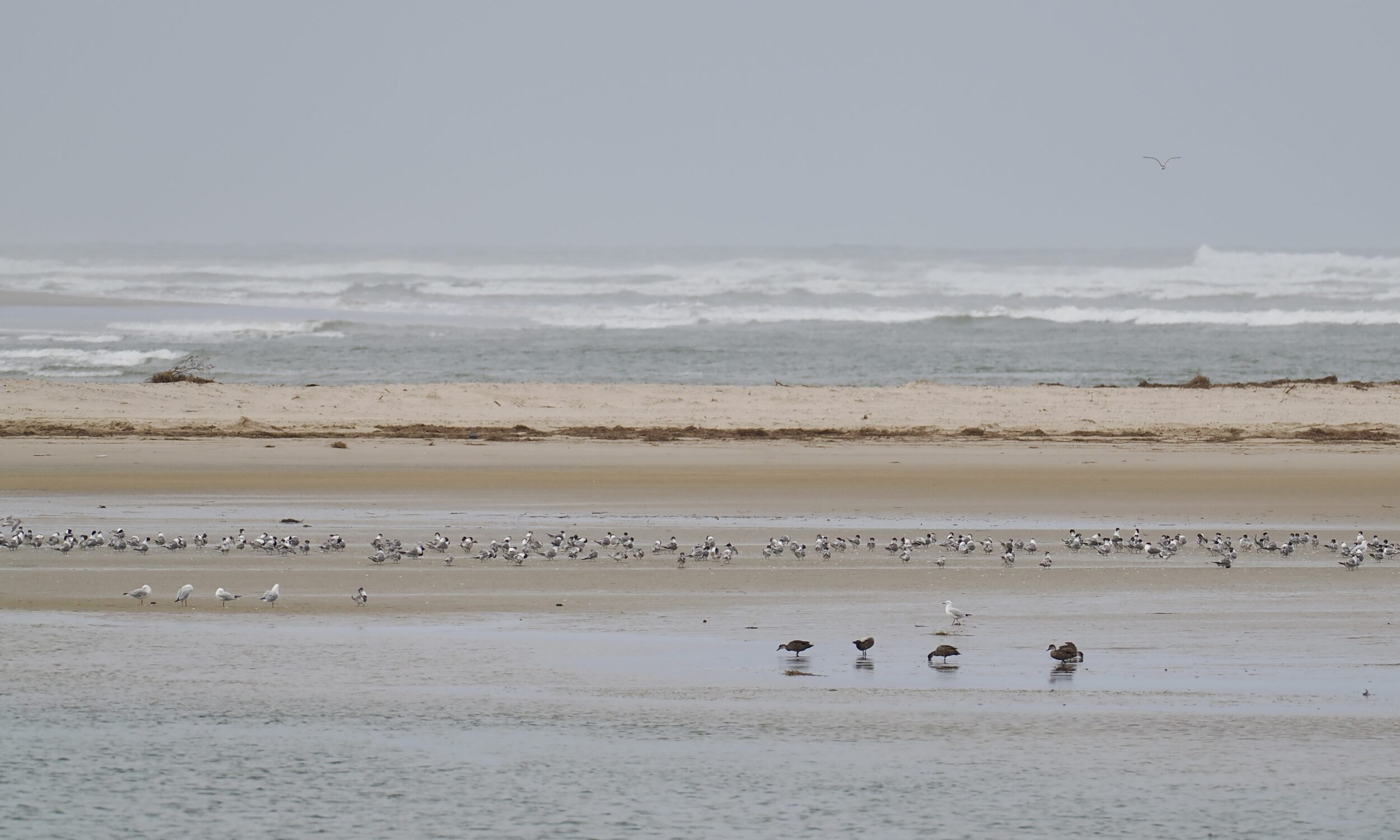
A wider view reveals what the Coorong’s north lagoon looks like in “boom time”..and a future post’s even-wider view will really show just how prodigiously abundant was birdlife in autumn 2024.

(Photo ©️ Doug Spencer, taken at 12.55 pm on 13 March 2024 – less than one minute after the previous post’s featured image)

The Coorong has long been a very dynamic ecosystem – and a fragile one.

Three months after we witnessed such abundance in the north lagoon, the Coorong’s south lagoon suffered a huge fish kill; an estimated 200 stinking tonnes of dead fish were rotting.

Locals said it was the largest such event in more than forty years.

Comments closed

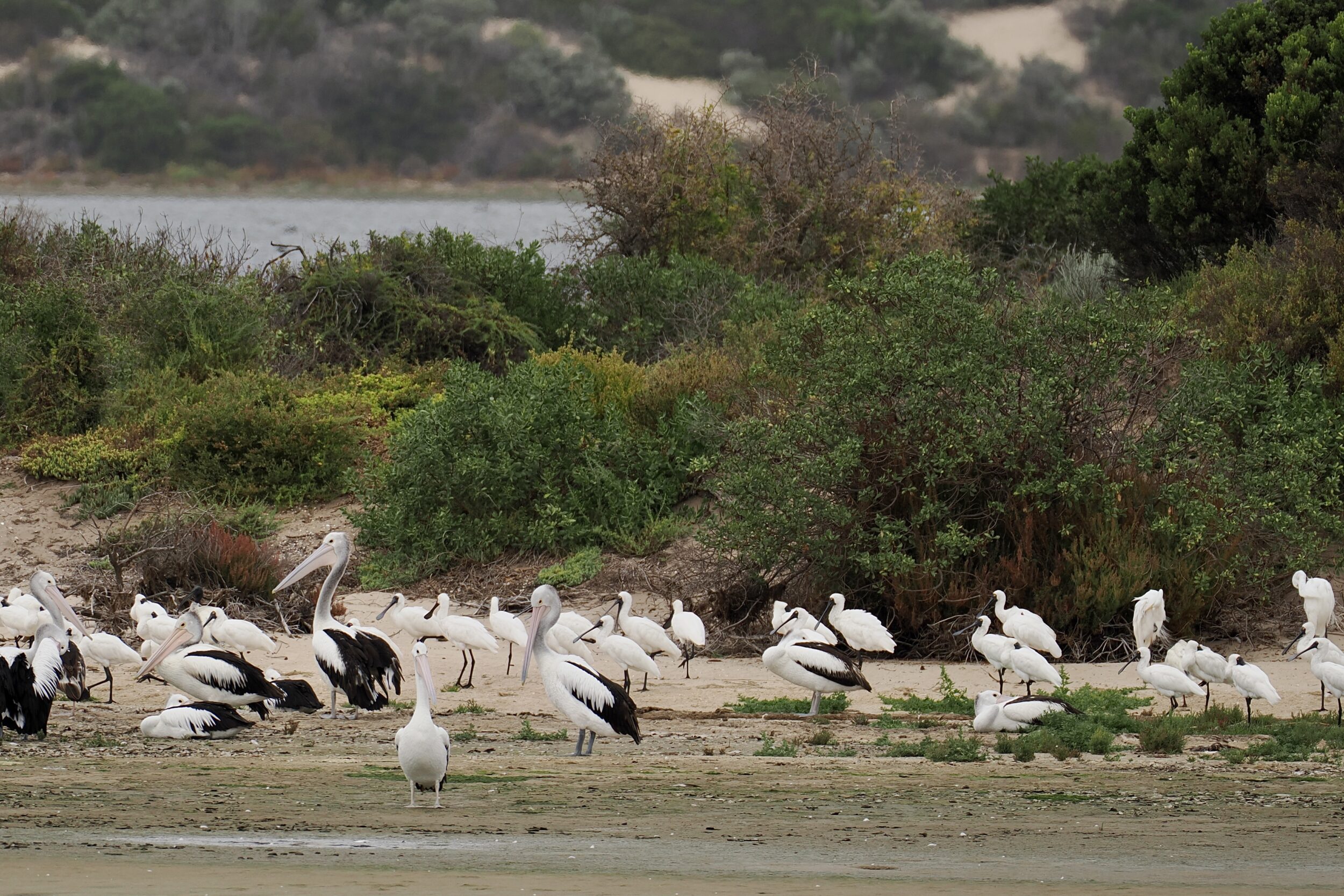
Coorong, autumn 2024 (#11 in series: pelicans, spoonbills)


My photo shows how “surprisingly” lush the vegetation can be on some parts of the Younghusband Peninsula.

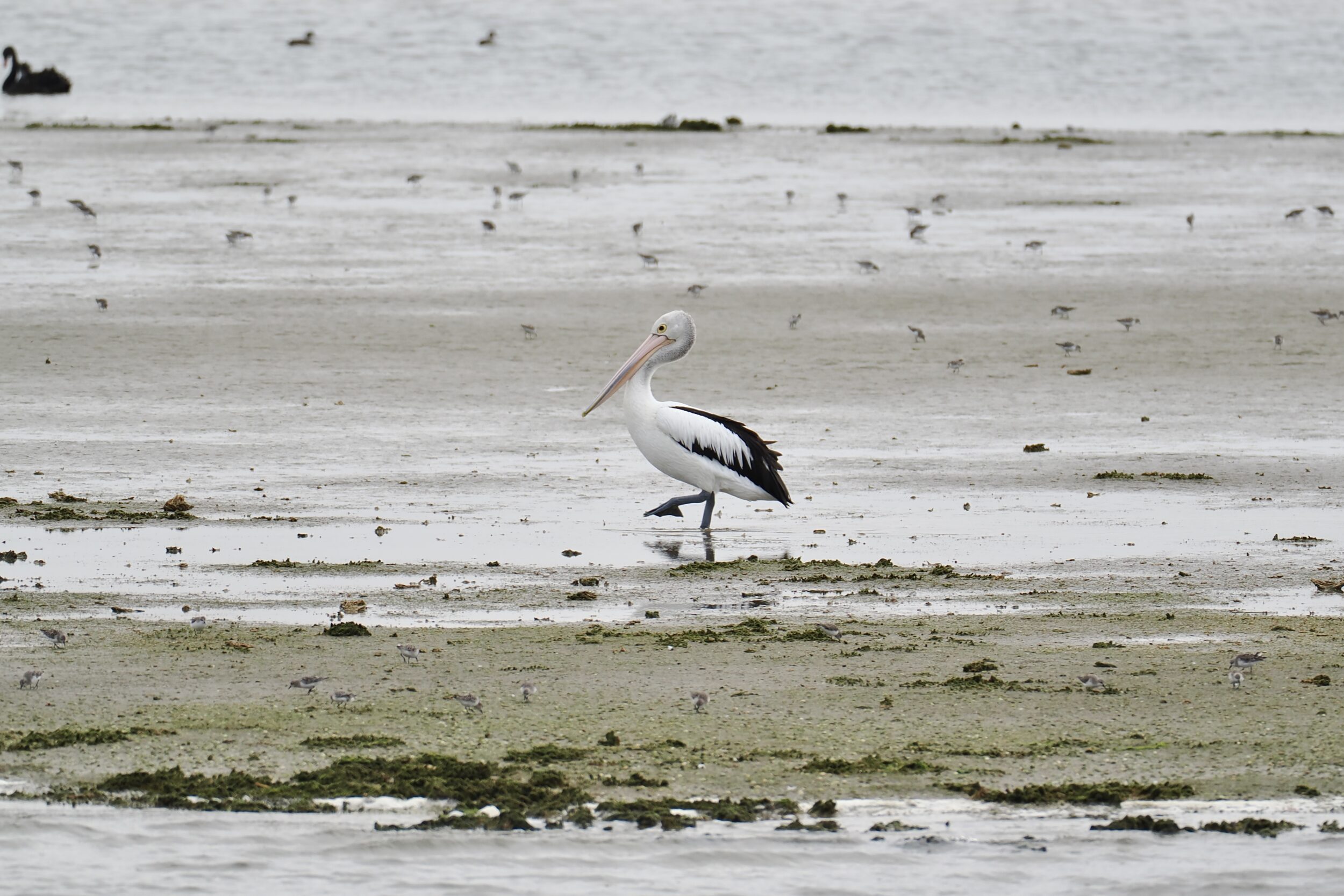
On 13 March 2024 pelican numbers were within “normal” range for this part of the Coorong’s north lagoon – in my experience, at least.

Spoonbills, however, were “off the scale” – I had never before seen so many, there.

Comments closed

Coorong, autumn 2024 (#4 in series: Murray mouth)


The (constantly-shifting) mouth of the Murray-Darling river system is also the Coorong’s mouth.

If the Murray is “roaring”, its “fresh” water “flushes” the Coorong – Australia’s longest lagoon; if it is not “roaring”, the combined forces of incoming ocean water and evaporation of the lagoon’s water make the Coorong progressively more saline.

The Coorong’s southern lagoon – a long way south of the Murray – is usually hypersaline.

This post’s photos were both taken from the Coorong’s northern part, looking at the Pullen Spit, and across it to the Southern Ocean.

In effect, the Pullen Spit is the northern bank of the Murray’s mouth.
Comments closed

Port River (#6 in series: living well, in a graveyard)


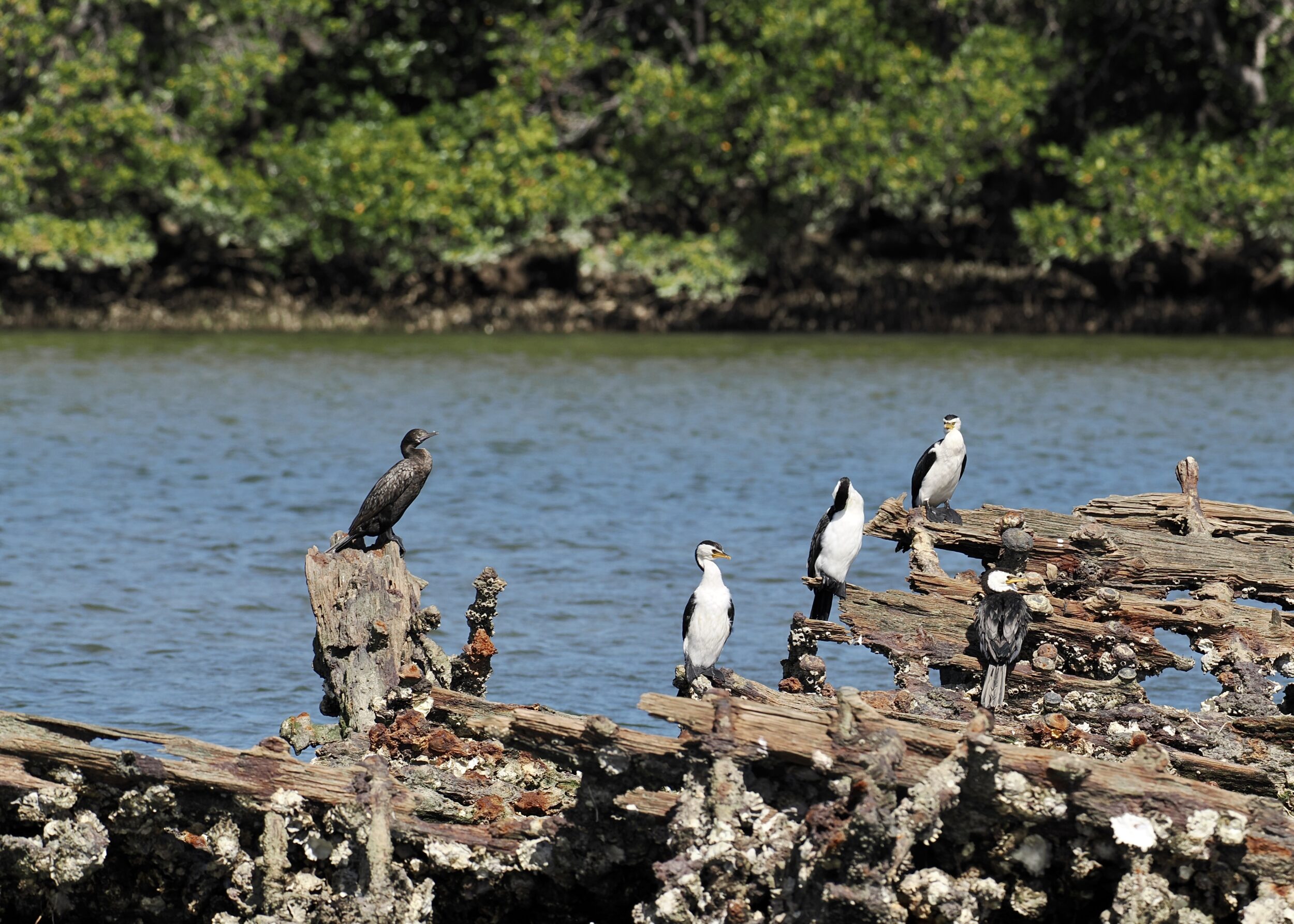
You are looking at part of the largest of five such graveyards in Port Adelaide.

All will be explained in a few episodes’ time.

Suffice for now that these graveyards’ occupants are not human corpses or skeletal remains, and that various living beings – plants, birds, fish, reptiles and mammals – thrive in these graveyards.

Comments closed

Teals, Lake Monger


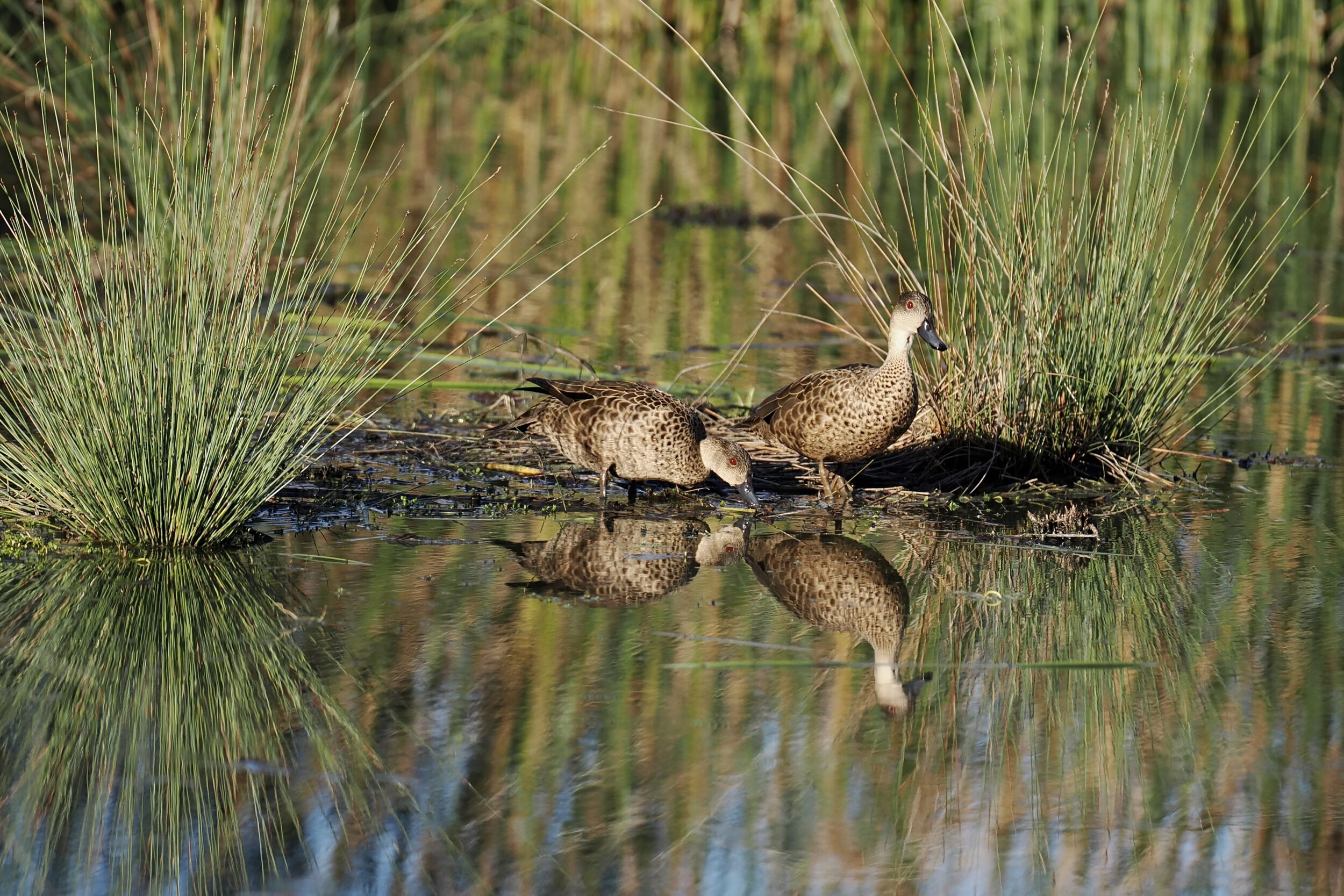
The pictured birds are teals.

These very common dabbling ducks are no less lovely for being “common”.

Probably, this post’s heroines are grey teals, but they just might be chestnut teals, or hybrids.

Comments closed

“Bin Chicken” makes a splash


Our local lake never disappoints.

That said, bird-wise, the least interesting time is during Perth’s cooler, rainier months.

Then, migratory birds have all flown north –  some of them, to far-off places in Eurasia.

Other birds spread out across southwestern WA; with water and food generally-available,  they do not need to congregate around “permanent” bodies of water such as Lake Monger.

Still, as today’s & tomorrow’s posts illustrate, at Lake Monger there is always some avian activity to enjoy…

Comments closed