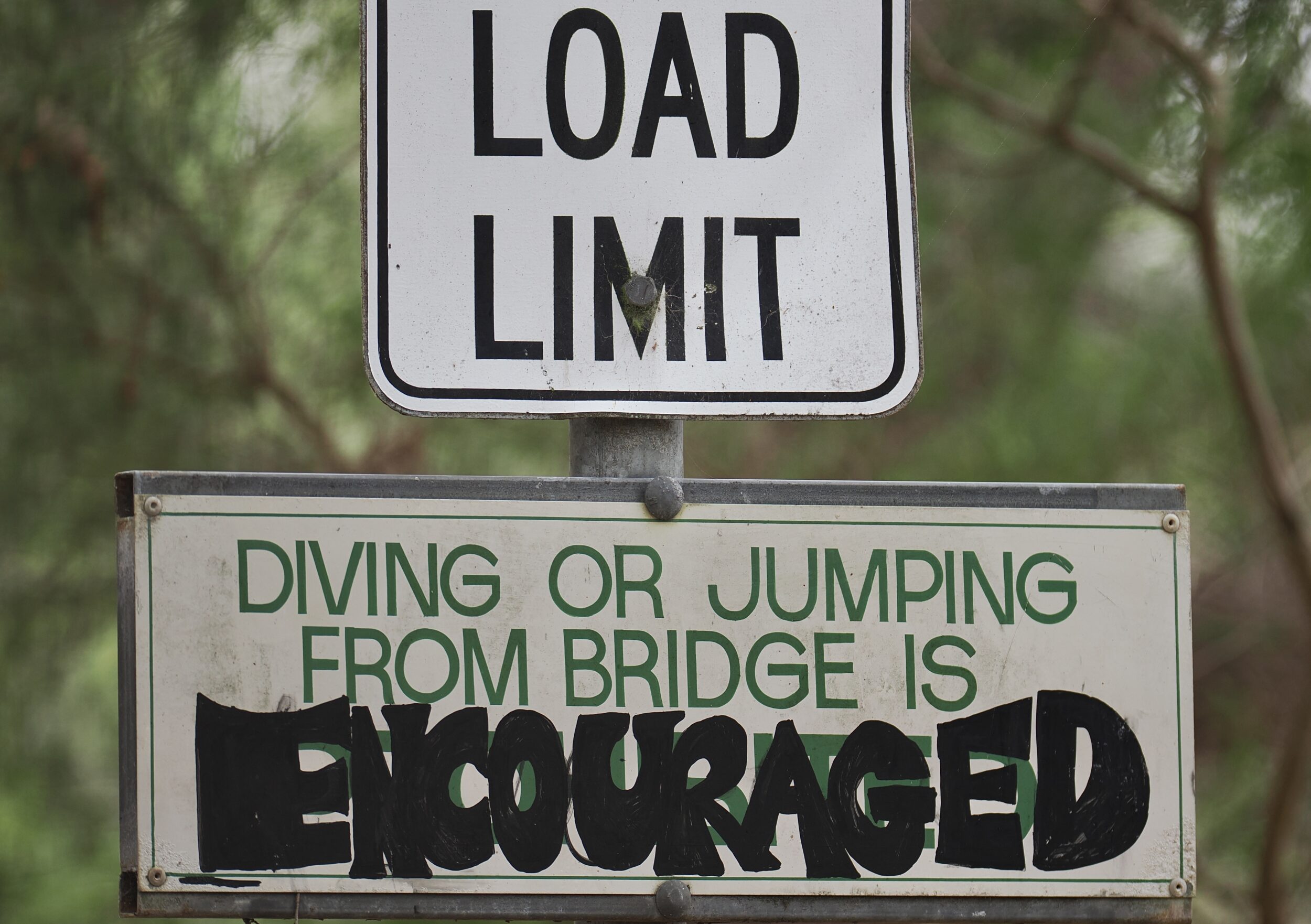
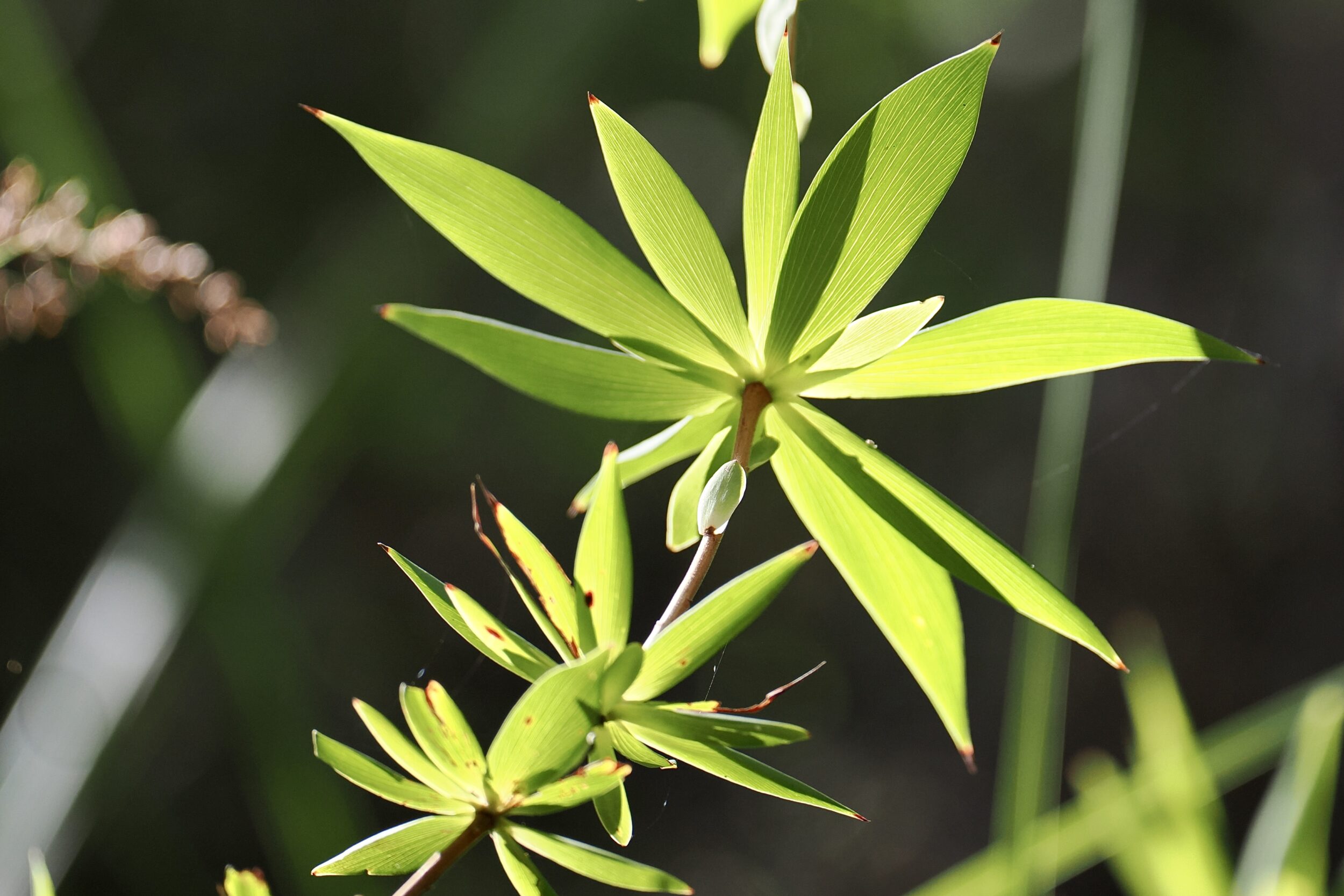
This post’s photos were taken about 40 minutes after we had crossed the “vandalised” footbridge over the Denmark River.
Both show the same individual.
Comments closedNatural splendour, real musics, wines, wordpower
This post’s photos were taken about 40 minutes after we had crossed the “vandalised” footbridge over the Denmark River.
Both show the same individual.
Comments closed
The image shows the sign on the footbridge over the Denmark River, as recently modified.
Comments closedHarewood Forest is definitely not “virgin”.
Until well into the 19th century it was a pristine, very tall, Karri-dominant forest
By circa 1900 no grand trees remained; all millable timber had been “mined”.
Happily, however, the forest has regrown well.
Magnificent as are southwest WA’s tall trees – all, WA-endemic – they are far from their forests’ only “WA-only”, wonderful/wondrous-strange plants.
Comments closedThis series is the fruit of our most recent trip to our favourite part of Australia.
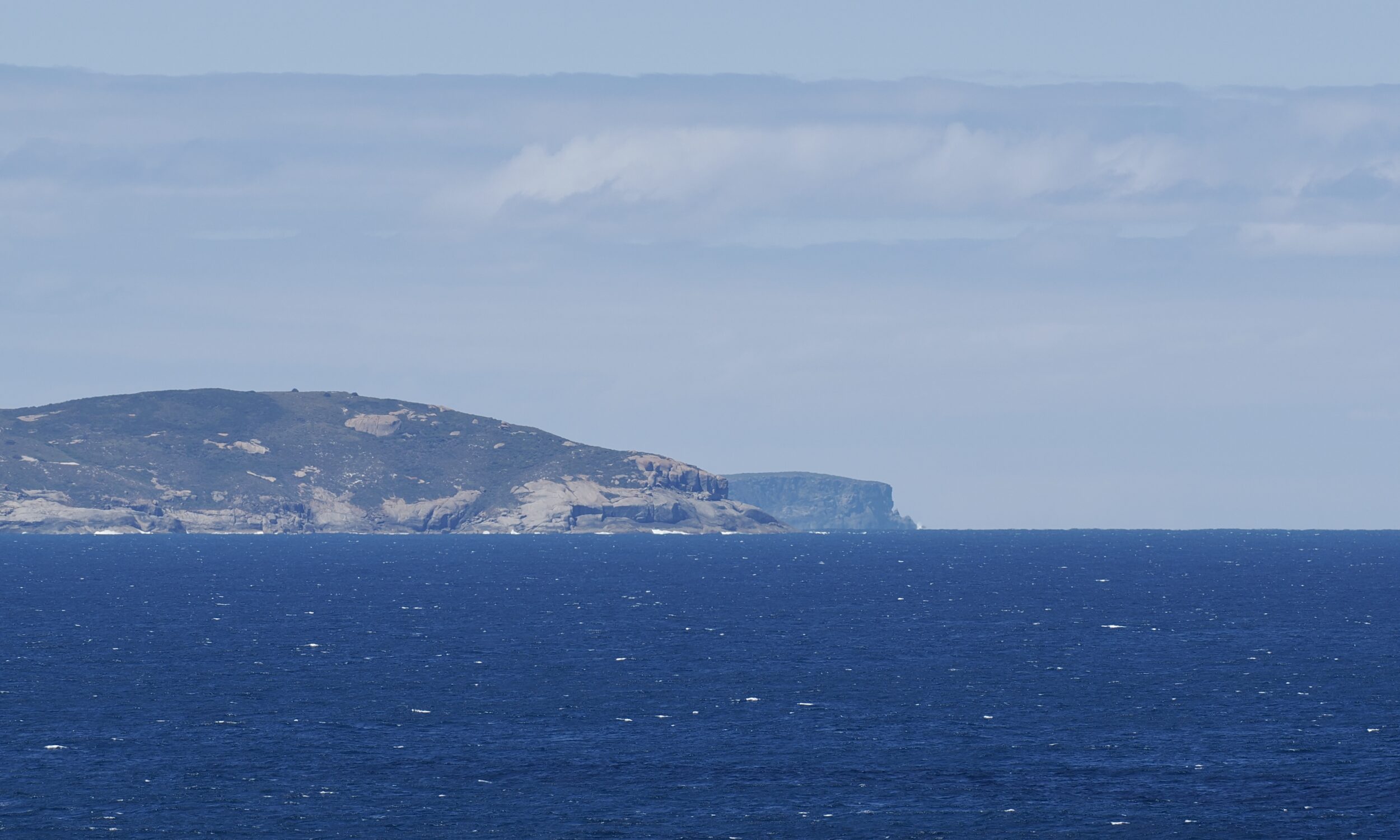
The featured image looks east from Wilson Head (which is immediately west/southwest of Denmark’s Ocean Beach and the Wilson Inlet) over to West Cape Howe.
Torbay Head – on the far/hidden, southeast tip of West Cape Howe – is Western Australia’s southernmost point.
Comments closed
Where else in the world could one be less than 20 kilometres distant from an eminently civilised town of more than 40,000 permanent residents (plus a large number of tourists) , and enjoy the pictured experience?
My beloved and I are not visible in the featured image.
It does, however, show all other humans present at Muttonbird Beach during the late afternoon “golden hour” on 21 March 2021.
To reach this glorious, safe-swimming spot, on a perfect “beach day”, we drove for less than 30 minutes, on good roads…
Comments closed
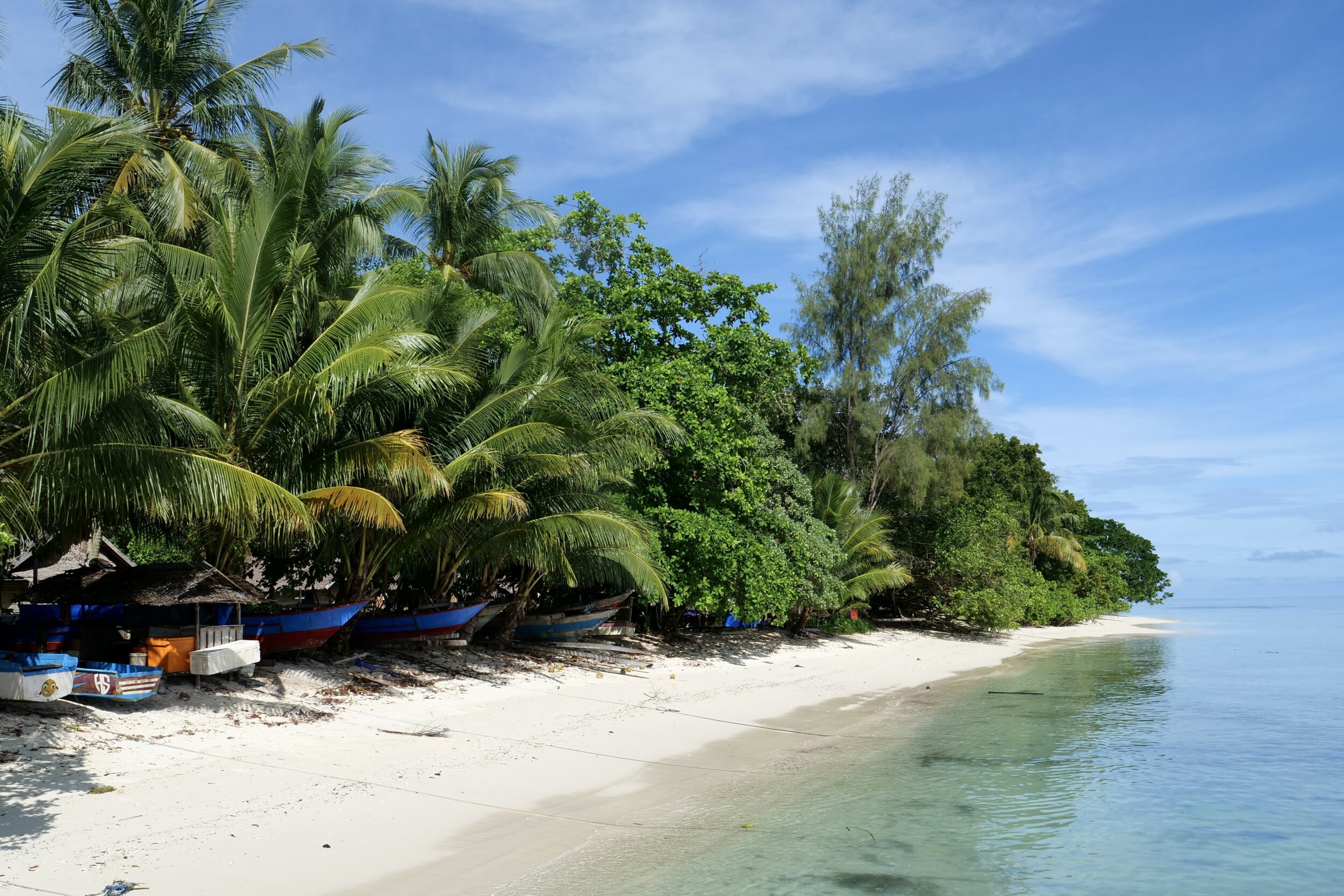
Silicon – usually, as quartz crystals – is the primary component of most of the world’s light-coloured ocean beaches.
However, in tropical and subtropical waters where coral reefs thrive, calcium carbonate is more likely to be a so-called “white” sand beach’s “hero” ingredient.
Comments closed
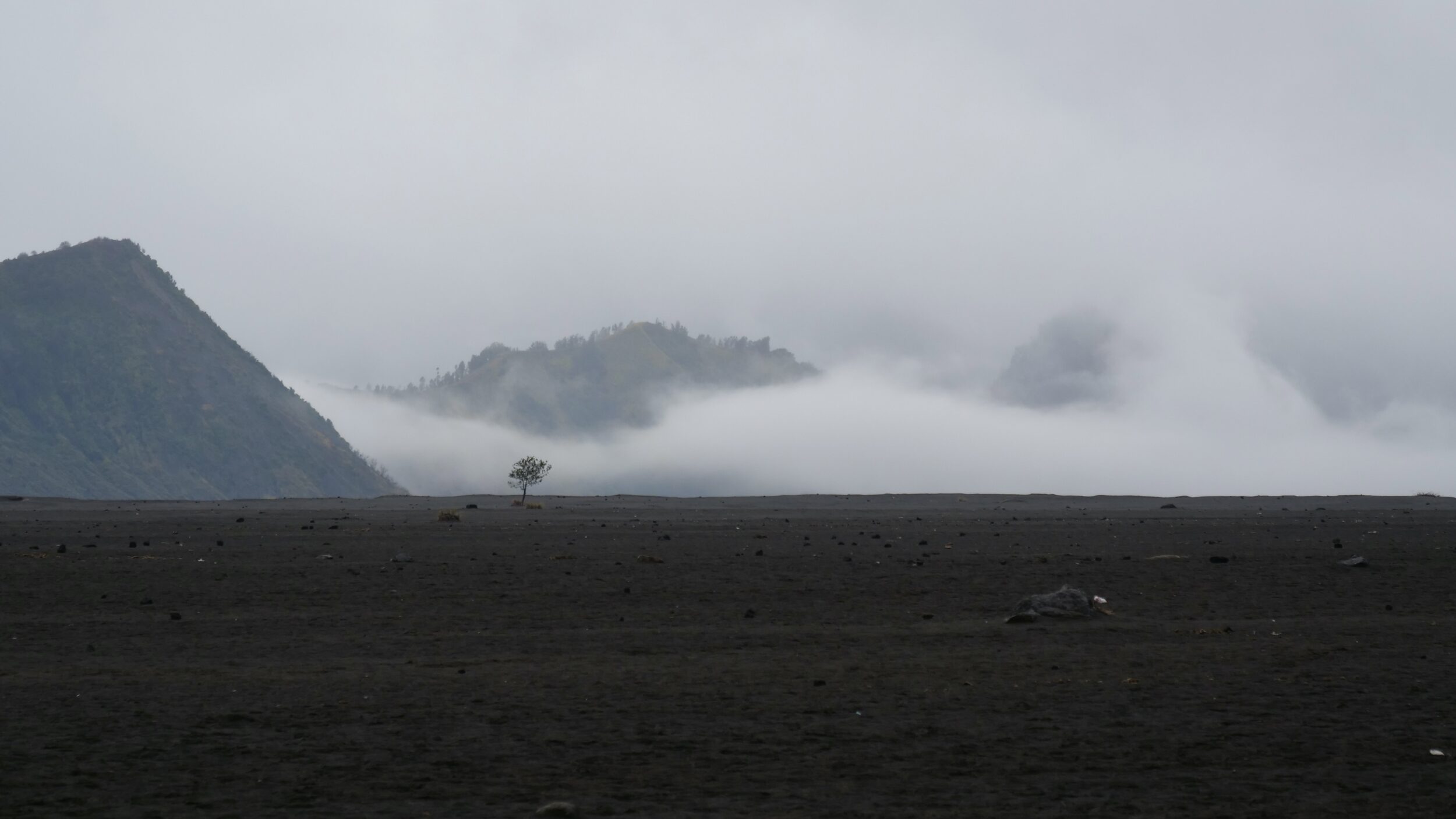
East Java’s Bromo Tengger Semeru National Park (aka, within Indonesia, as “TNBTS”) contains multiple volcanoes.
Mount Semeru (3,676 metres) is Java’s highest peak, atop which snow sometimes sits, albeit briefly.
However, the park’s “tourist magnet” is a volcano that is much less lofty, but currently much more active
Mount Bromo (2, 329 metres) is surrounded by Indonesia’s only desert-like expanse.
Bromo is one of the four or five “new” volcanoes (visibility was limited when we were there. some sources say “four”, others say “five”) that have arisen from the floor of the huge caldera created by the much older Tengger volcano.
The Tengger Sand Sea’s “sands” are a mix of volcanic ash and sand – the mostly-basaltic “fruit” of Bromo’s eruptions.
Comments closed
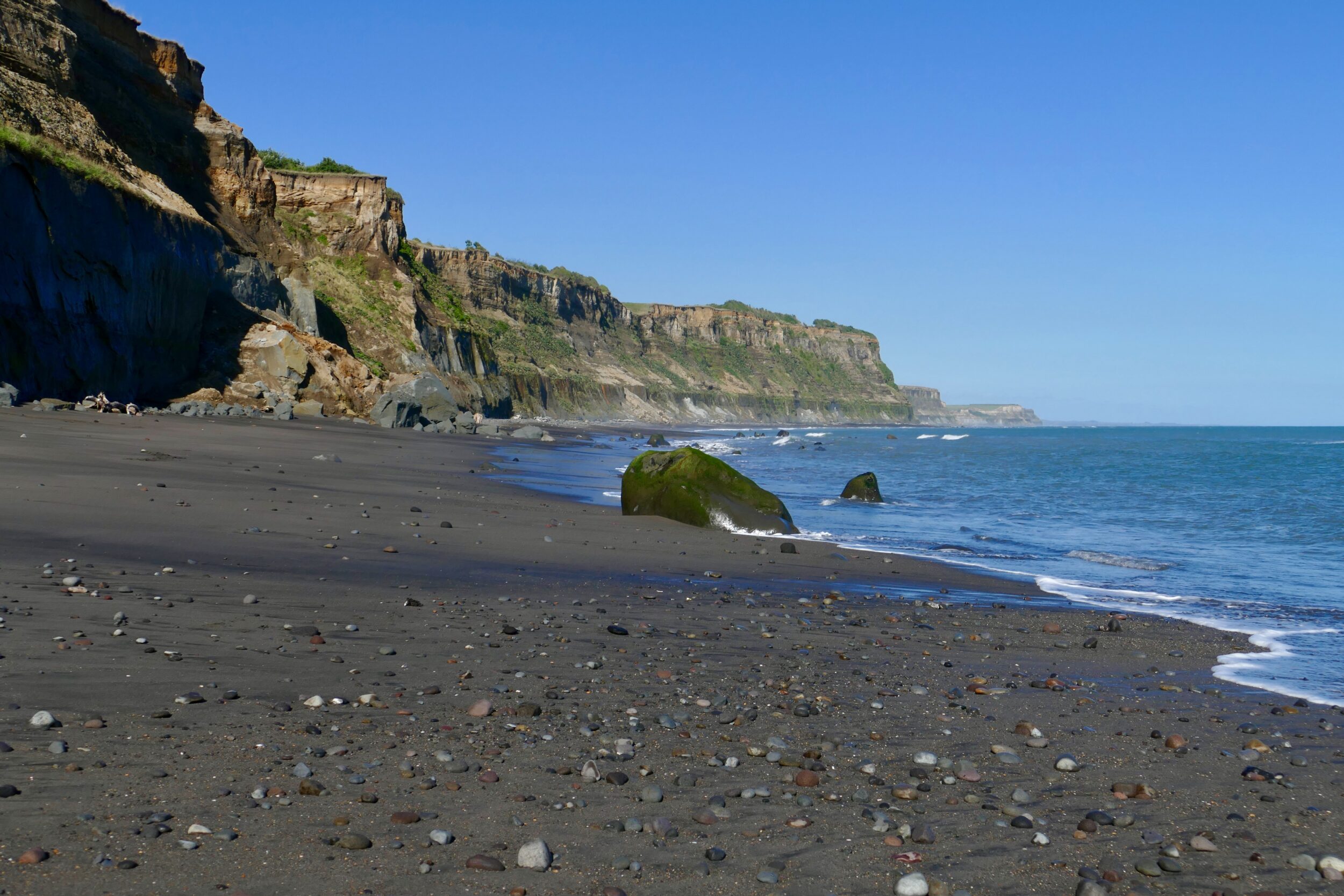
The Taranaki region is named after the volcano that dominates it.
Some people still call it “Mount Egmont”.
One of the world’s most “perfect”/photogenic volcanoes, Taranaki is the primary “author” of the region’s obviously-fertile soils…and of its “black” beaches.
Comments closed
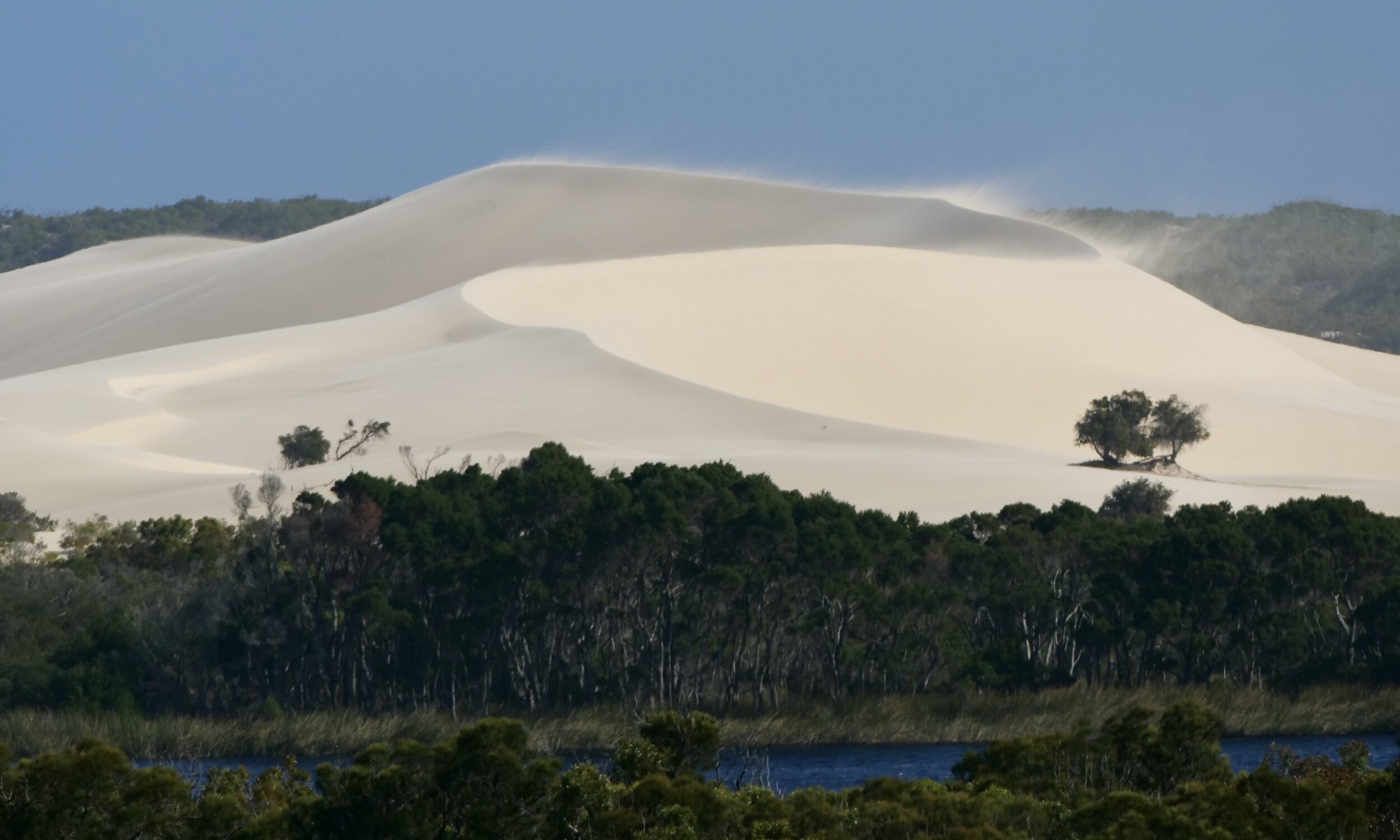
Some well-meaning 20th/21st century humans have viewed the pictured dunes as an unfortunate byproduct of 19th and/or 20th century overclearing and overgrazing.
In fact, this particular dune field was already part of the local landscape long before Europeans reached any part of Terra Australis.
Comments closed
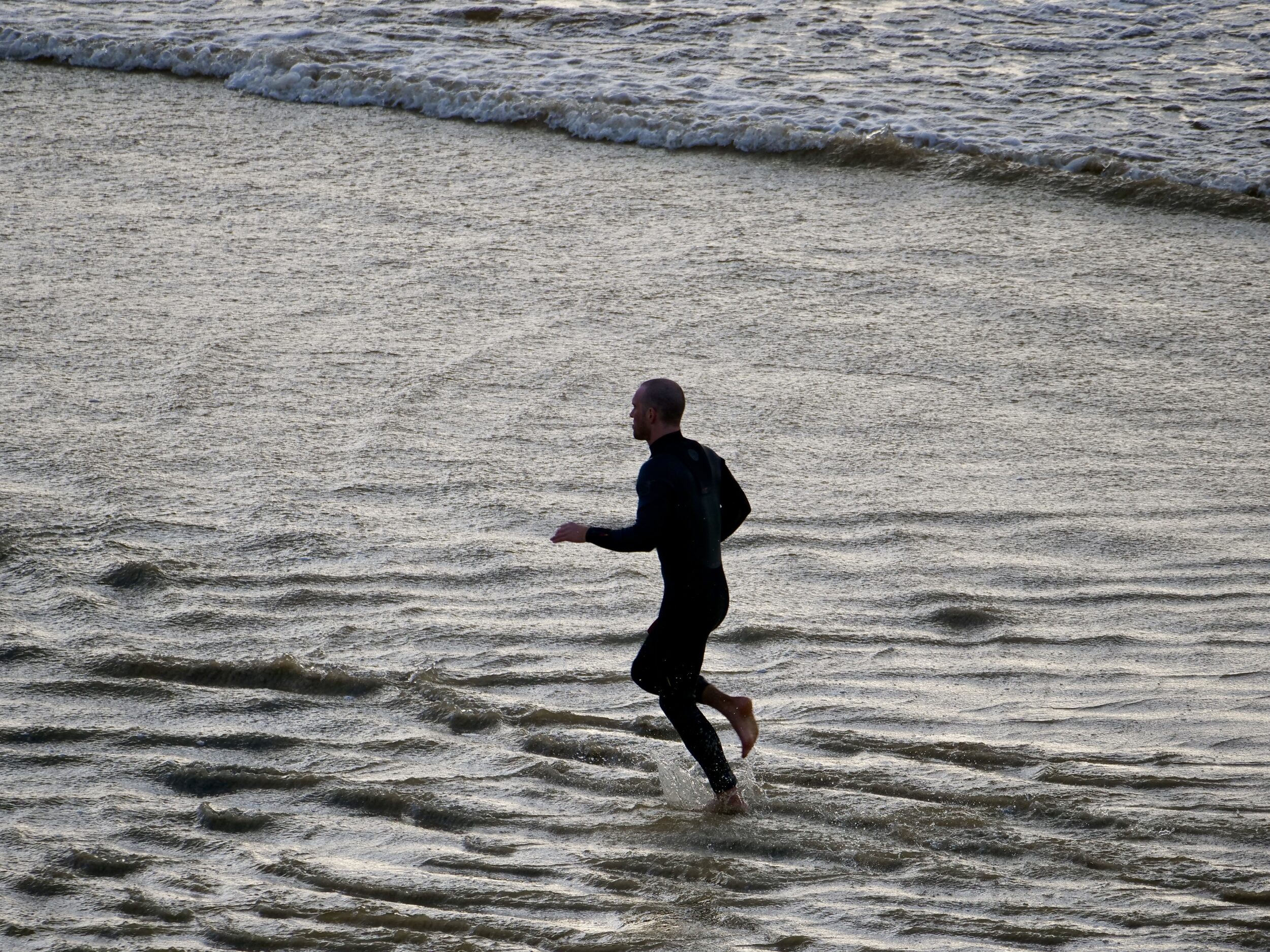
Both photos were taken late on a winter’s afternoon, near Margaret River.
Running on sand, through shallow water, is a pleasure enjoyed by many humans, horses and dogs.
Comments closed