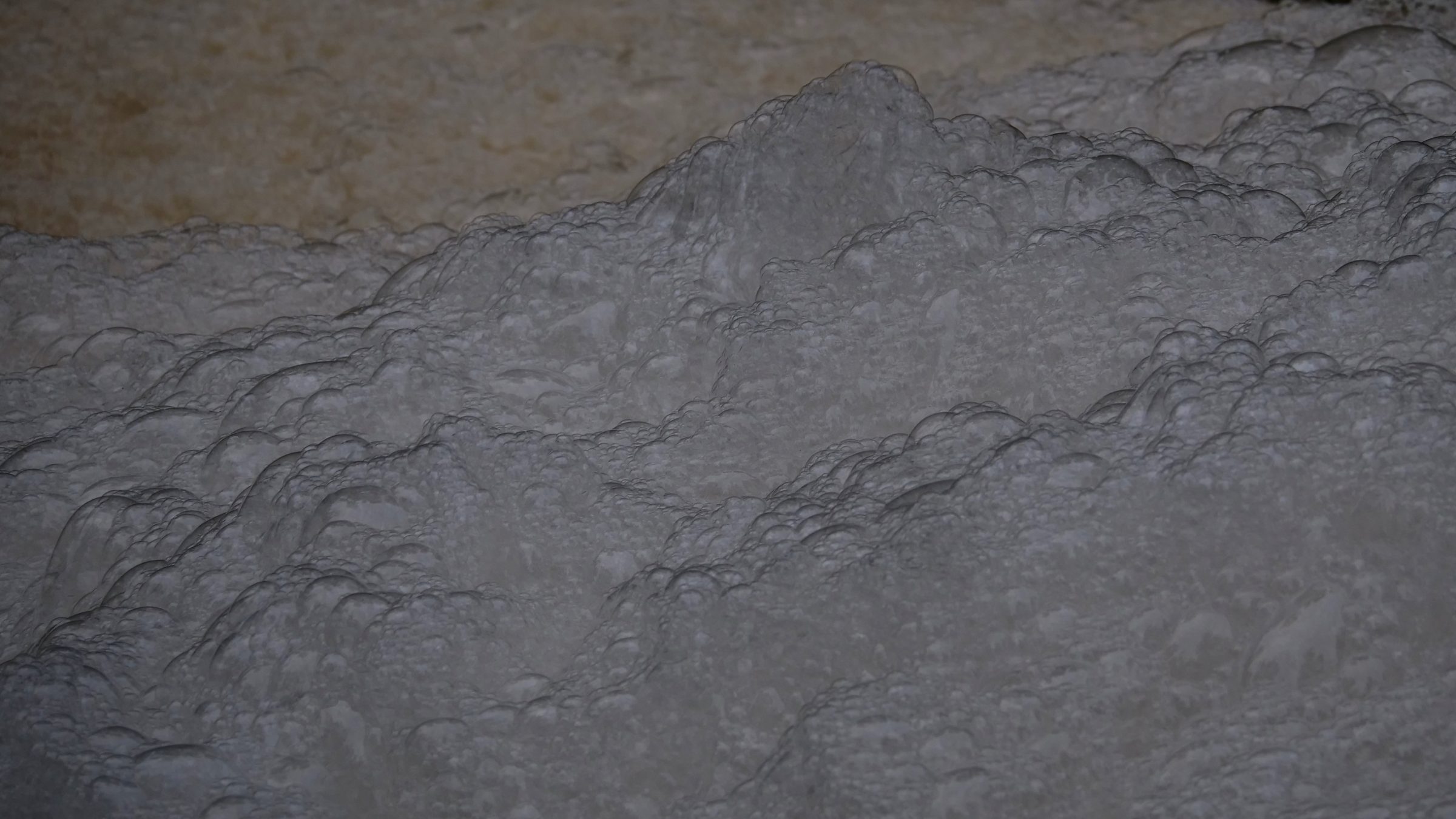
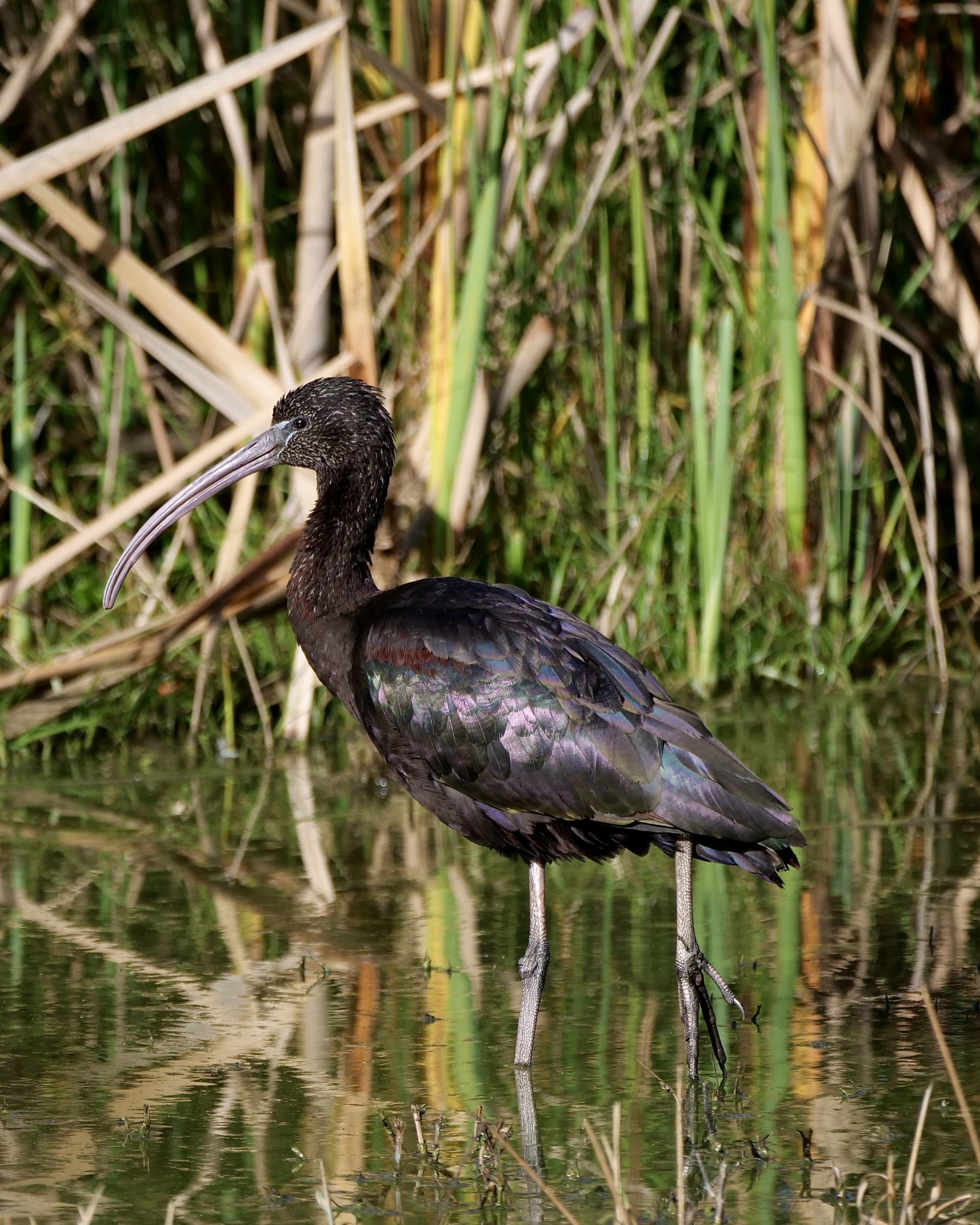
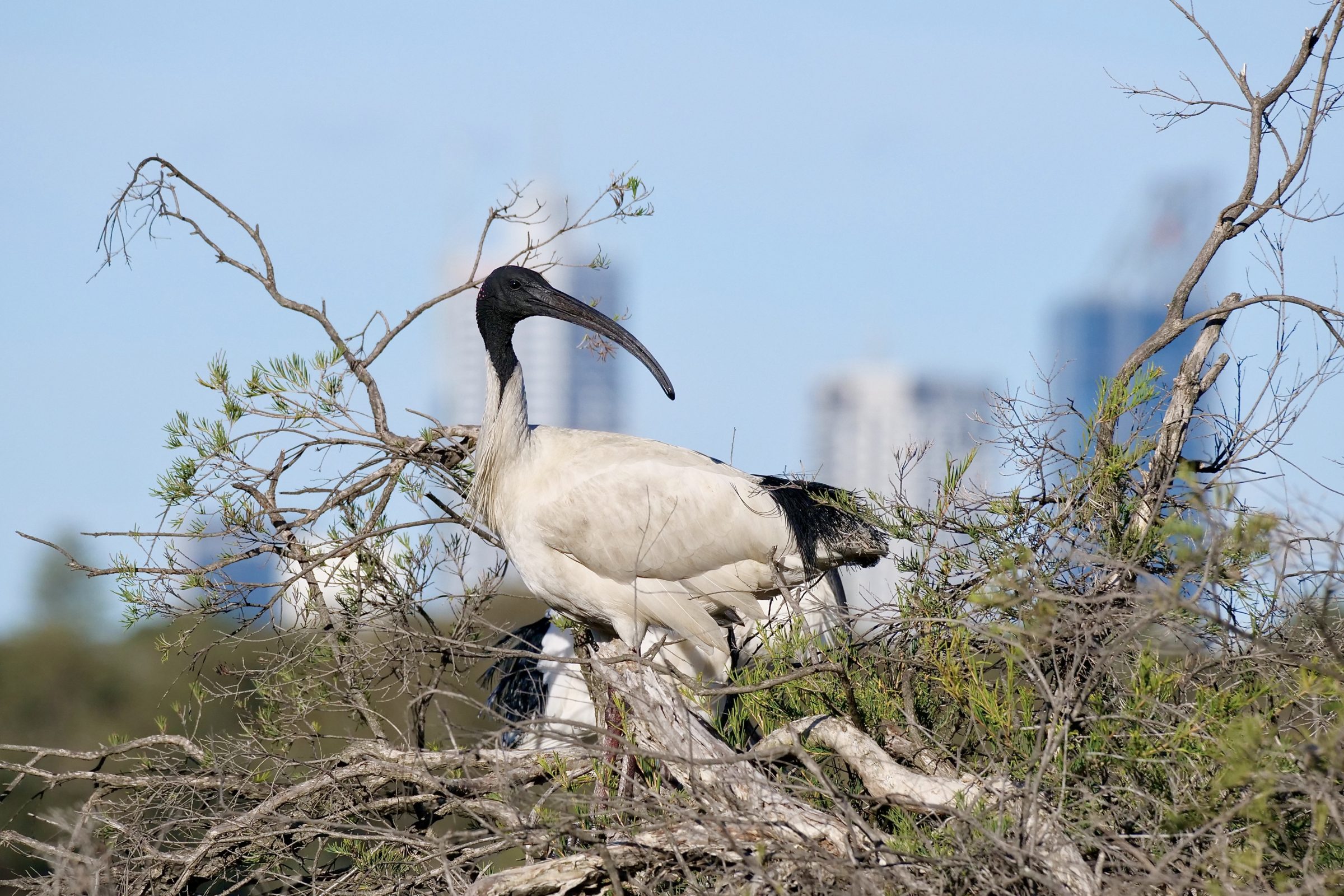
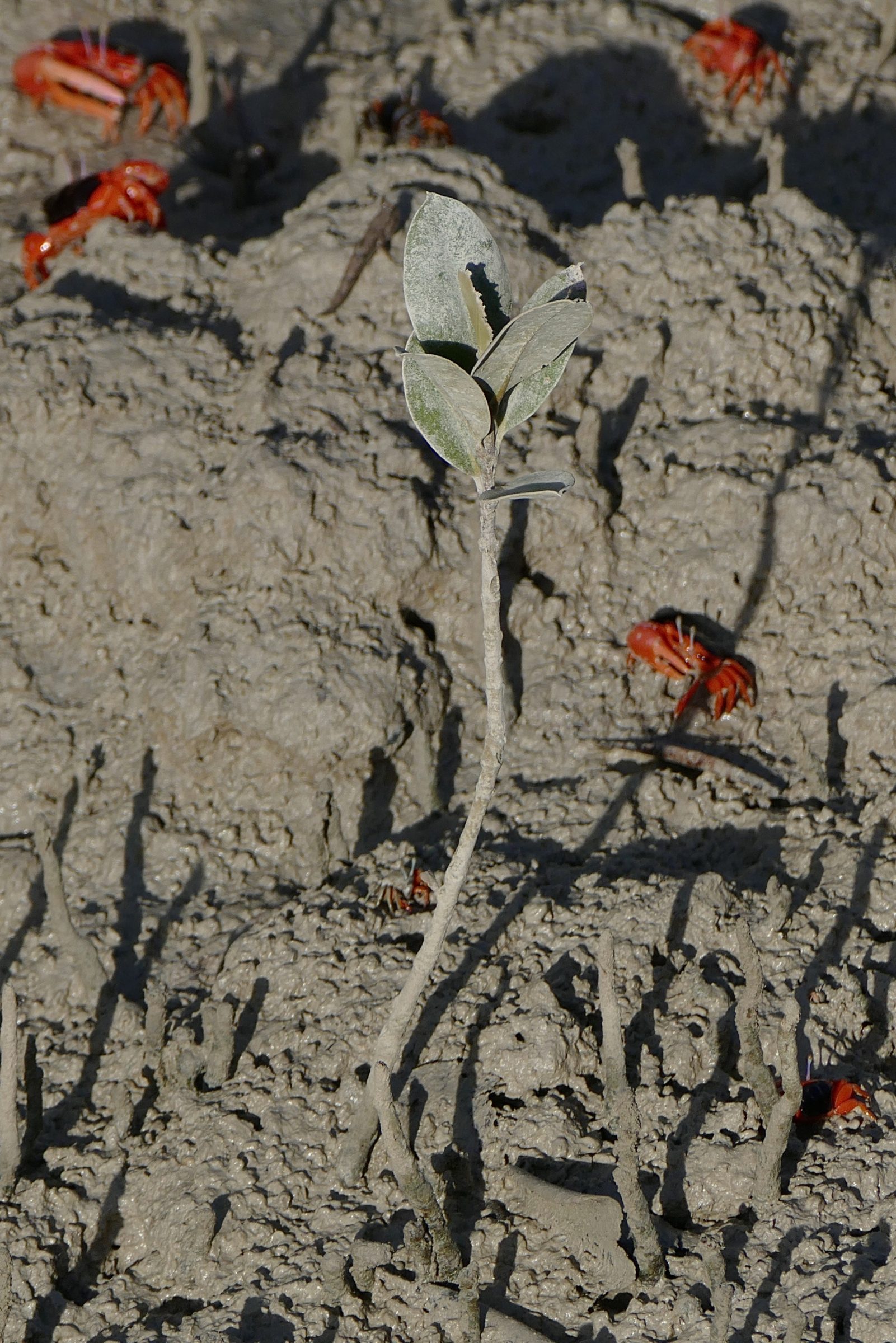
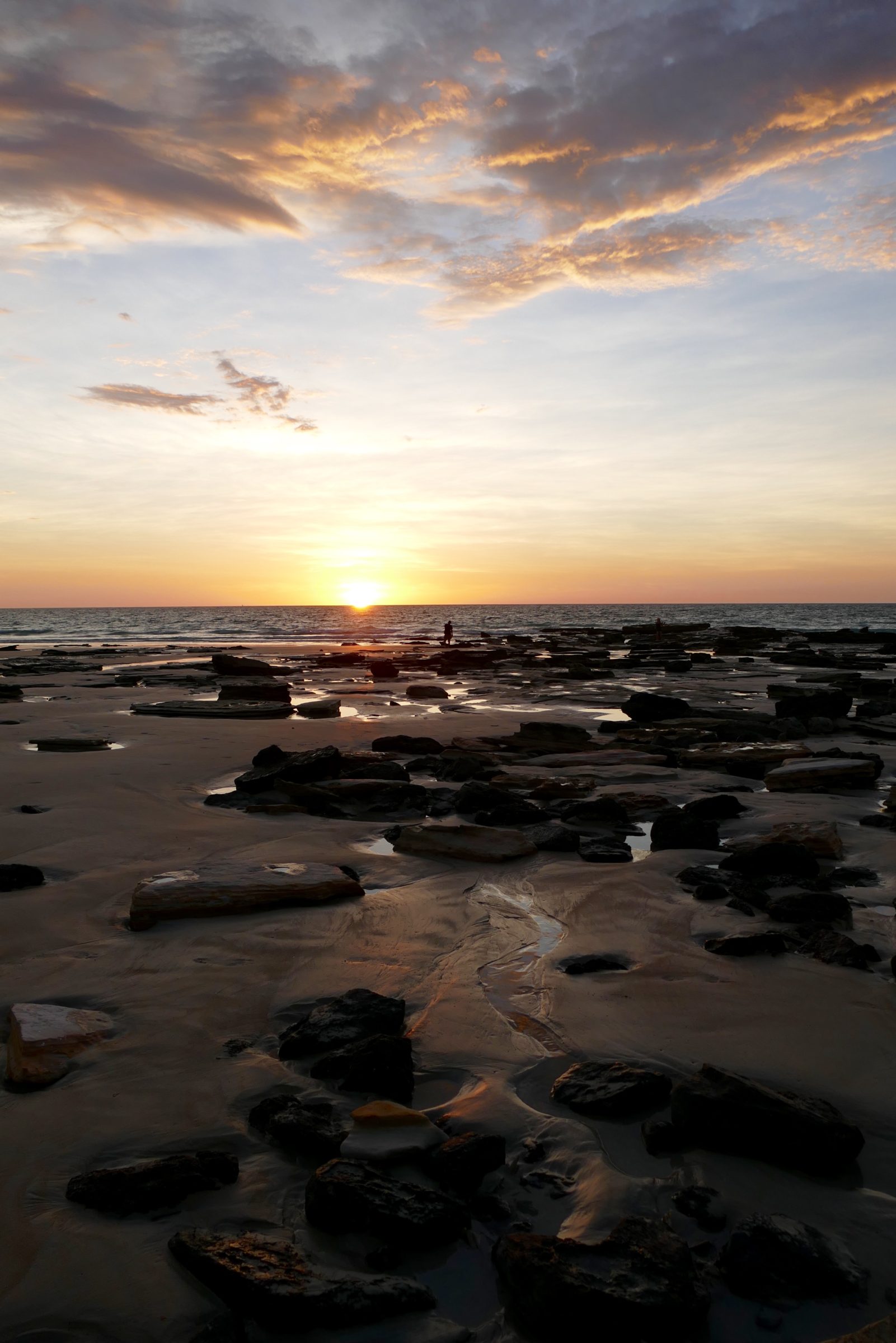
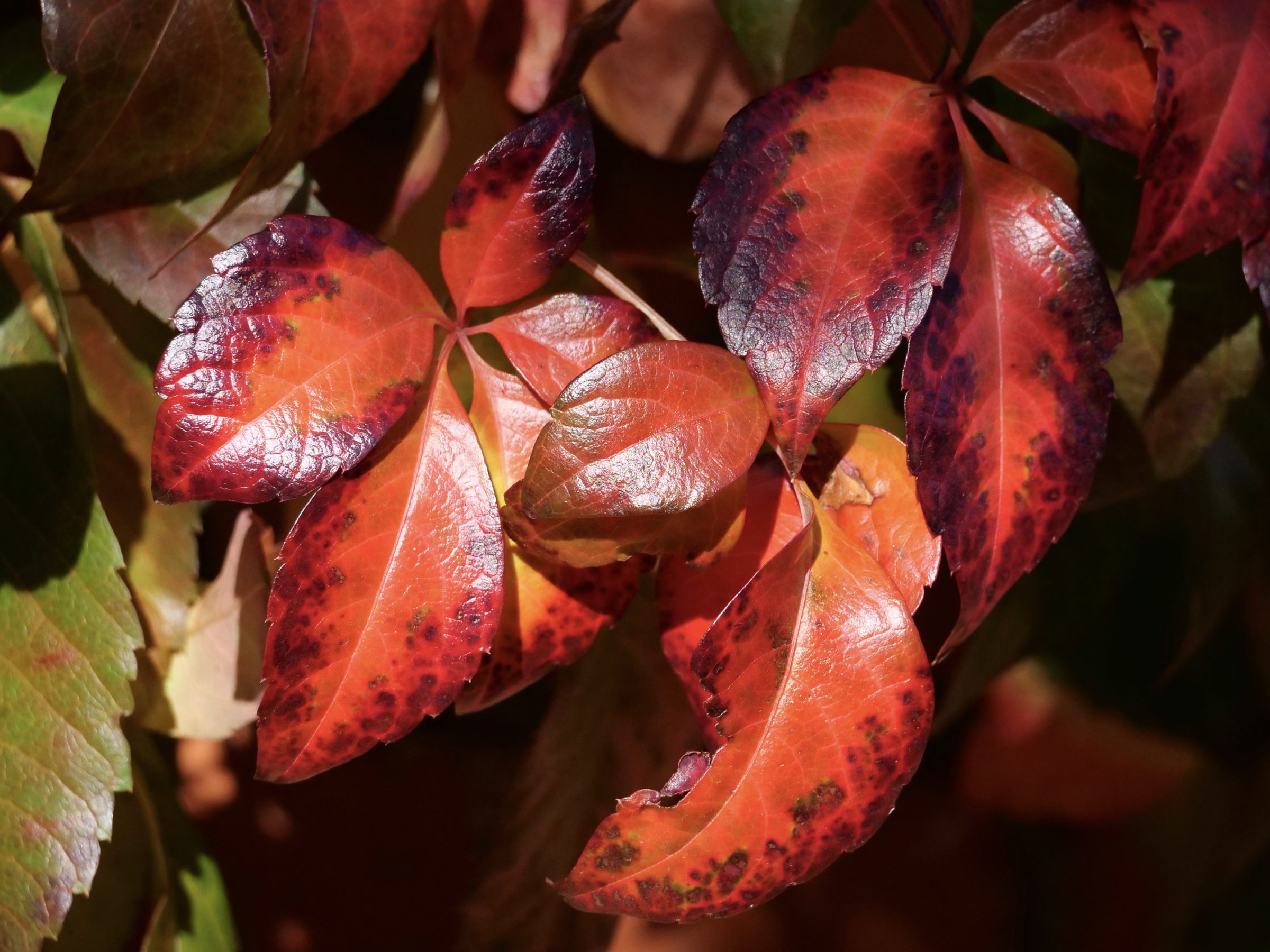
So begins a series of single-image posts: each depicts a different aspect of the intertidal zone, where the sea “arrives” and “departs” at least once, every day.
Comments closedNatural splendour, real musics, wines, wordpower
So begins a series of single-image posts: each depicts a different aspect of the intertidal zone, where the sea “arrives” and “departs” at least once, every day.
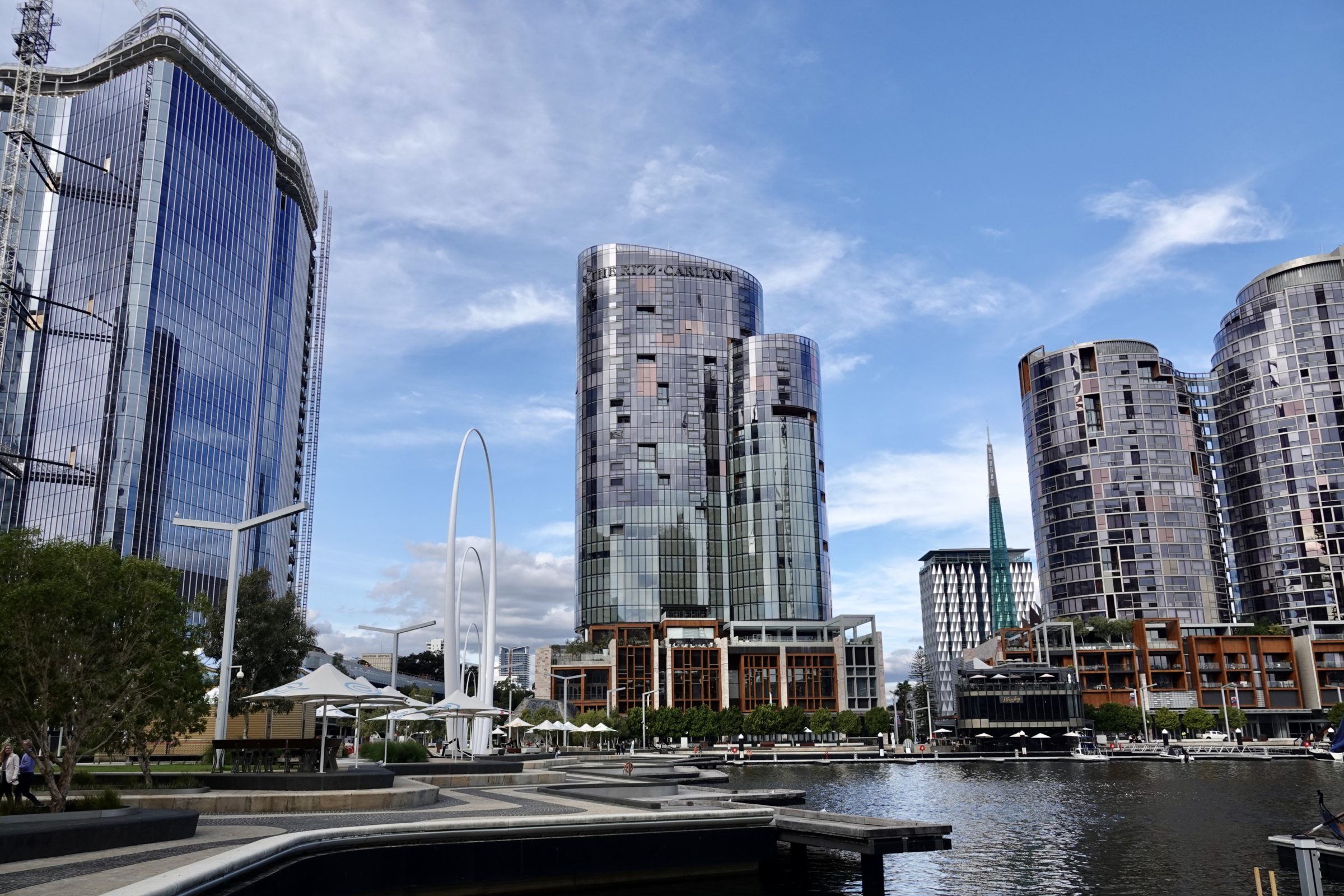
Comments closedPerth’s Elizabeth Quay is a still-unfolding, allegedly “transformative” development.
(you may be unsurprised to know that it is impossible to find any reliable, properly inclusive figure on expenditure to date, let alone of the eventual total. Suffice that its likely-tallest tower component – which involves just two of many edifices – is estimated at more than one billion Australian dollars)
It is probably our final instance of an Australian megaproject, named after “our” Queen.
According to DevelopmentWA, This landmark waterfront development reconnects Perth city with the Swan River to create a dynamic new entertainment and leisure precinct, set around a stunning 2.7ha inlet.
According to one recent Singaporean visitor, Nothing much to see here,…Boring walk from Elizabeth Quay to Barrack Jetty as well. Your best bet would be to take the Transperth ferry to South Perth for better views of the city.
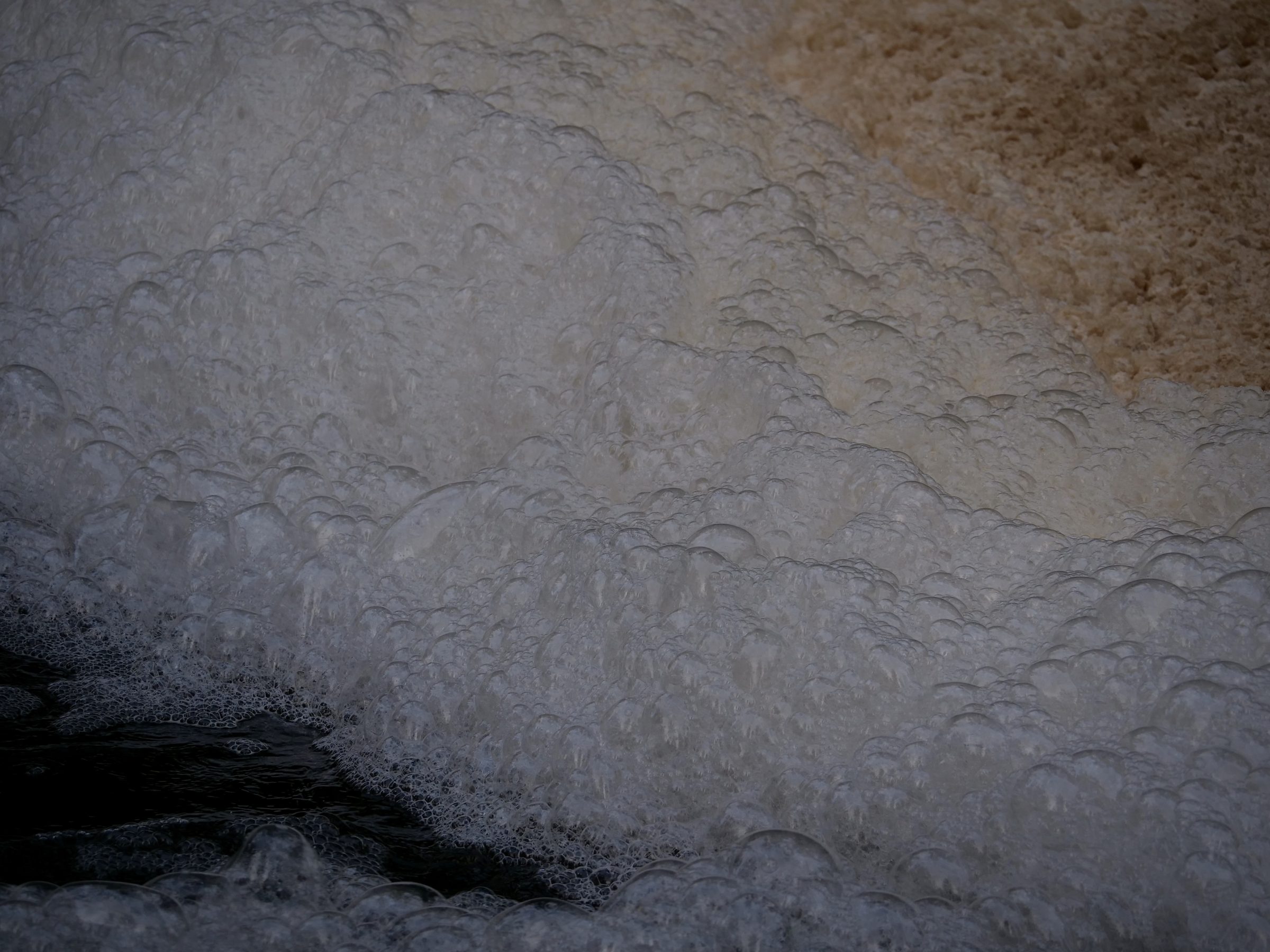
Comments closedUnsurprisingly, a deal of Perth’s abundant street art celebrates Western Australia’s own extraordinary flora and fauna.
Thanks to sculptors and muralists, you can see kangaroos in the CBD’s main thoroughfare, endangered cockatoos vividly adorn more than a few walls and fences, and oversized orchids, kangaroo paws and banksias “bloom” on others.
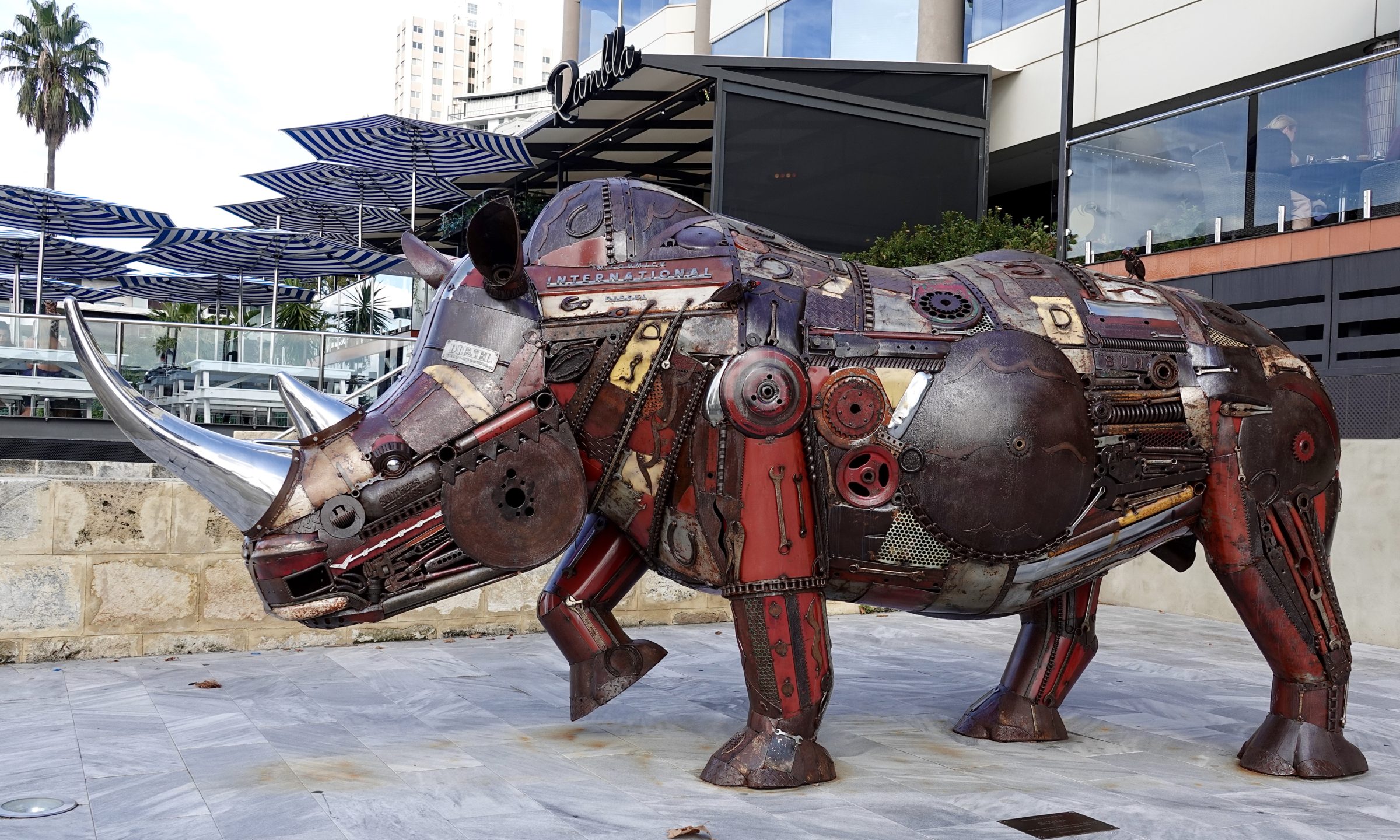
Near to the South Perth foreshore’s colossal frill-necked lizard and numbat, proudly stands a singular, much more elaborate metal sculpture.
It was made in the WA wheatbelt, but depicts – anatomically correctly – an “iconic” African animal.
Comments closedIn this, the final episode in this 25-part series, the featured image looks to the Inlet’s mouth, from a vantage point circa half way along the inlet’s western side.
Waychincup’s particular geology is the key to its singularity.
Comments closed
Waychinicup’s inlet is shallow and sheltered.
It is also dynamic, healthy, and reliably well-watered; low rainfall sometimes turns off the freshwater “tap” (i.e inflow from the Waychinicup River) but ocean waves and tides ensure that this inlet is constantly flushed/refreshed.
Comments closed
Solid granite cloaks a lot of Waychinicup’s upper slopes.
As a result, when it rains, a whole lot of water flows downhill, some of it into little gullies which briefly become rushing rivulets.
Comments closed
The photo was taken at 1.57 pm on 15 March 2021, a little less than one hour before the one in #21 of this series.
#21 offered a telephoto view, focused on Waychinicup Inlet’s eastern shoreline, as viewed from midway along the inlet’s western side.
#22’s is a wide-angle (24mm) view, taken from the inlet’s northwest “corner”; it looks along the inlet’s western side, out to where the Southern Ocean meets the inlet.
Comments closed
The photo (copyright Doug Spencer) was taken from the inlet’s western edge, looking across to (and focused on) its eastern edge.
Granite – and lichens, flourishing thereon – are key elements.
Comments closed