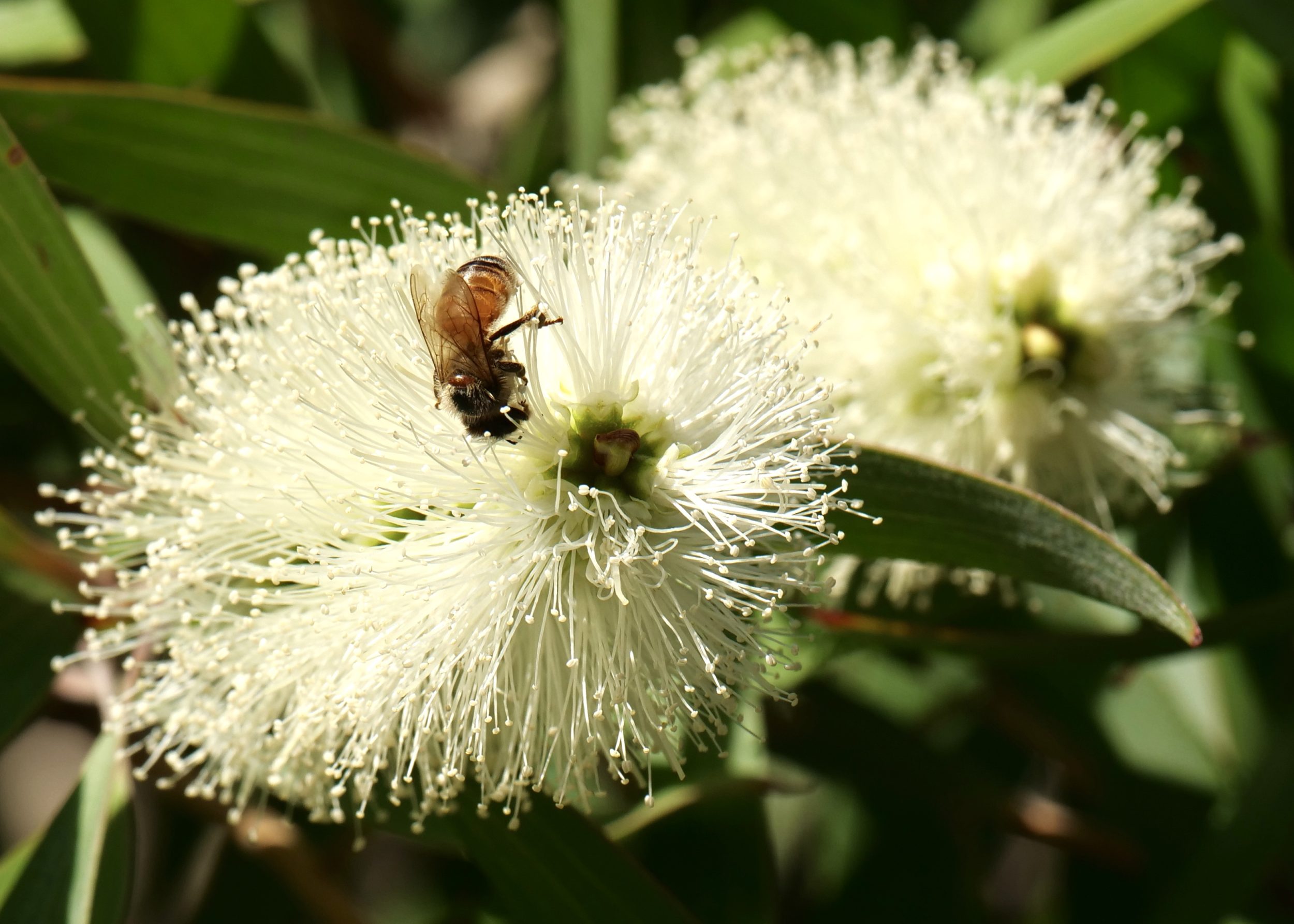
…in our street, at least, the pervasive “warm, buttered, milky spuds” aroma almost certainly has nothing to do with potatoes.
Melaleuca quinquenervia is the “culprit” – flowering, not mashing.
Comments closedNatural splendour, real musics, wines, wordpower
…in our street, at least, the pervasive “warm, buttered, milky spuds” aroma almost certainly has nothing to do with potatoes.
Melaleuca quinquenervia is the “culprit” – flowering, not mashing.
Comments closed
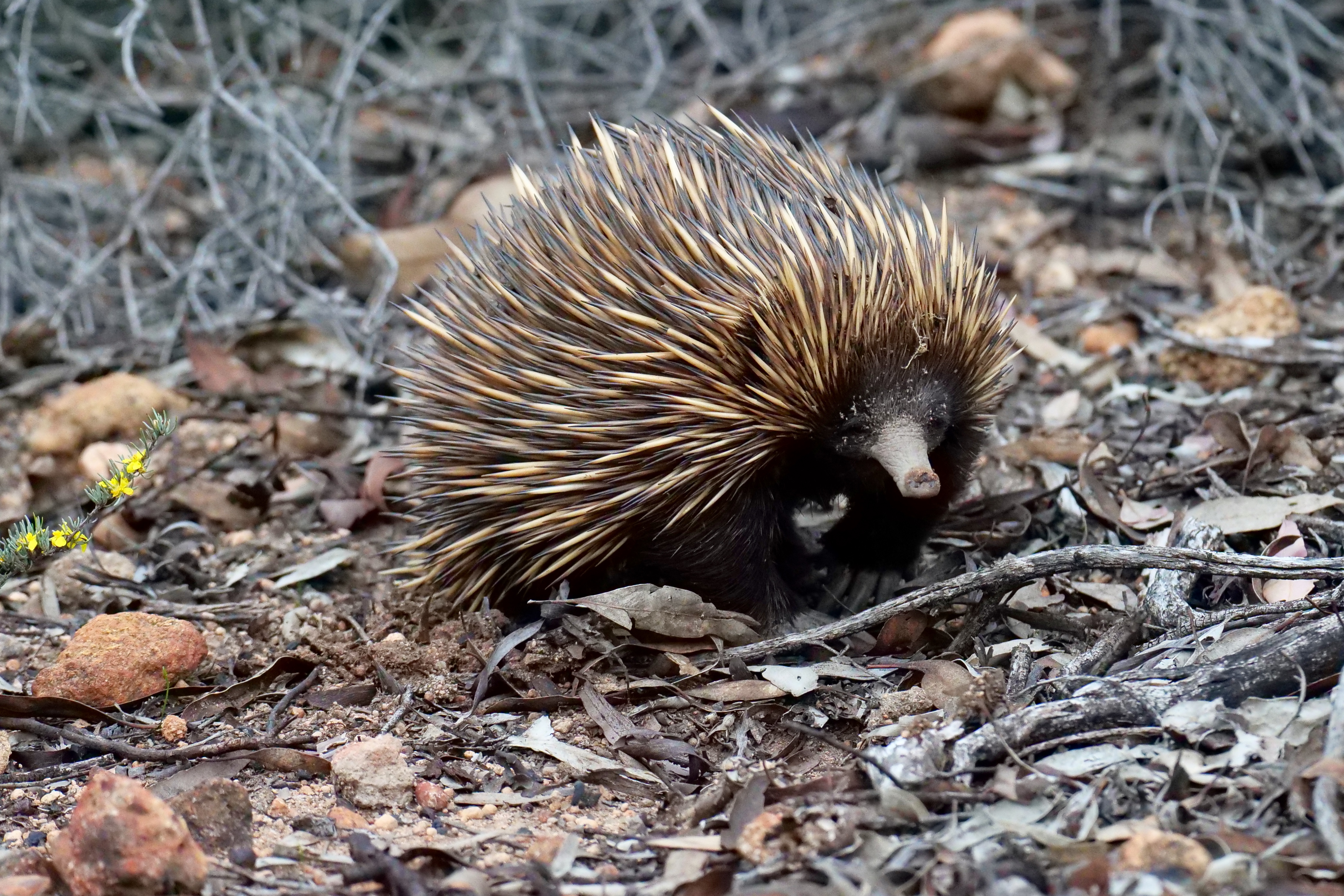
Soil restoration can be expensive, and impractical across vast areas of land. Soil disturbance by echidnas offers a cost-effective restoration option, and this potential should be harnessed.
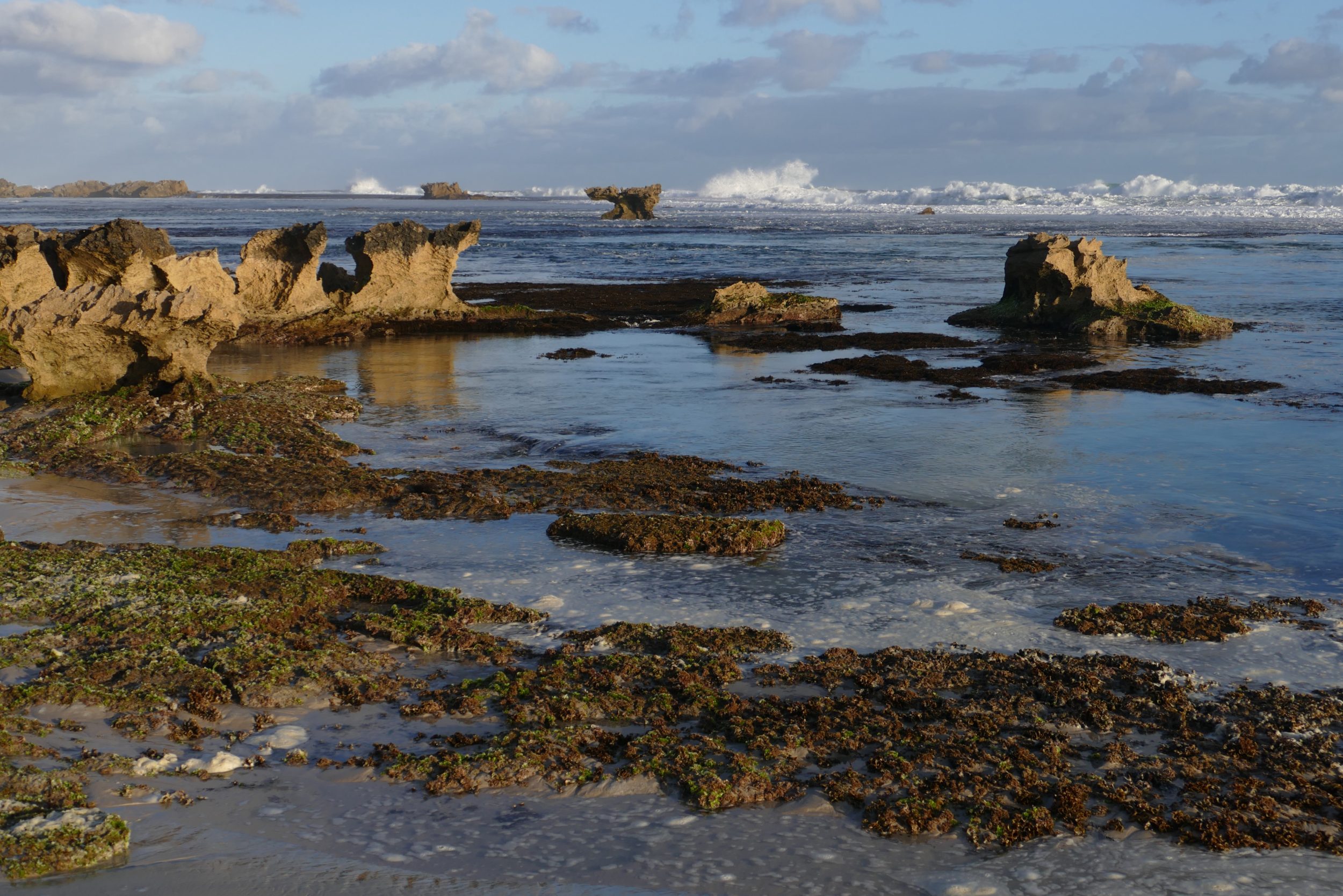
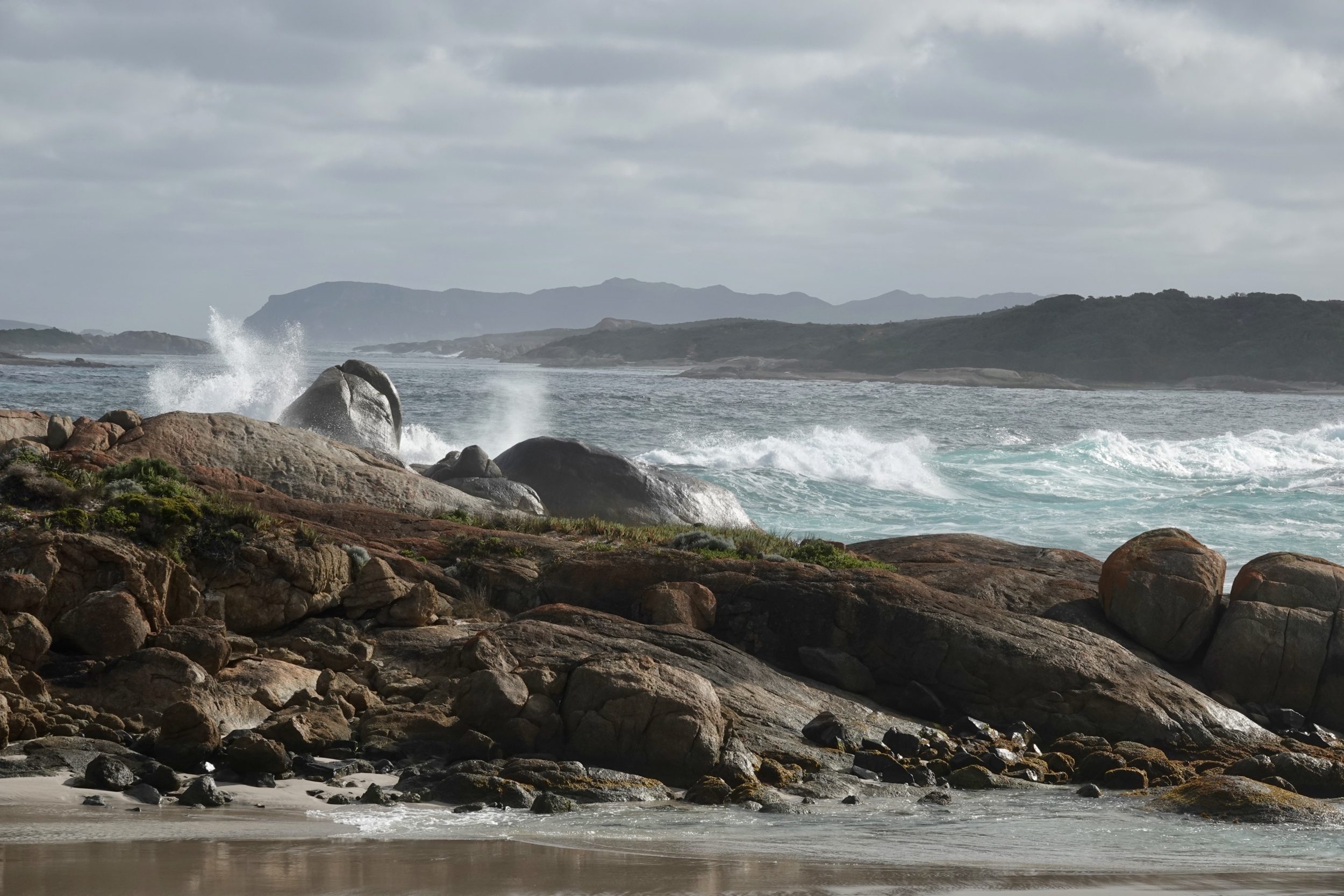
Very easily reached via sealed roads, but astonishing little-visited, Anvil Beach is deliciously wild.
It offers visual splendour, grave danger, and safety.
If you intend to swim there, you must very carefully select exactly where/when/if to do so, how to reach your chosen point of entry, and how/if you can safely return from it…most especially if the tide is soon to turn, or a weather change is imminent.
Comments closedOn 22 October 2019, in the northeastern part of the Tibetan Plateau in Qinghai, China, I met an obviously-ambitious sheep-owner.
Clearly, he was “improving” his flock, probably with help from Australia.
Some of his sheep greatly surprised me – very evidently, some of their “bloodlines” were merino.
The prosperous grazier’s mask was entirely appropriate to his dusty task.
However, wearing it would have been expressly forbidden in some other places/contexts, even in the much more open/democratic land of Oz…
Comments closedOur hero lost his “sacred” status when his Australian-ness was recognised!
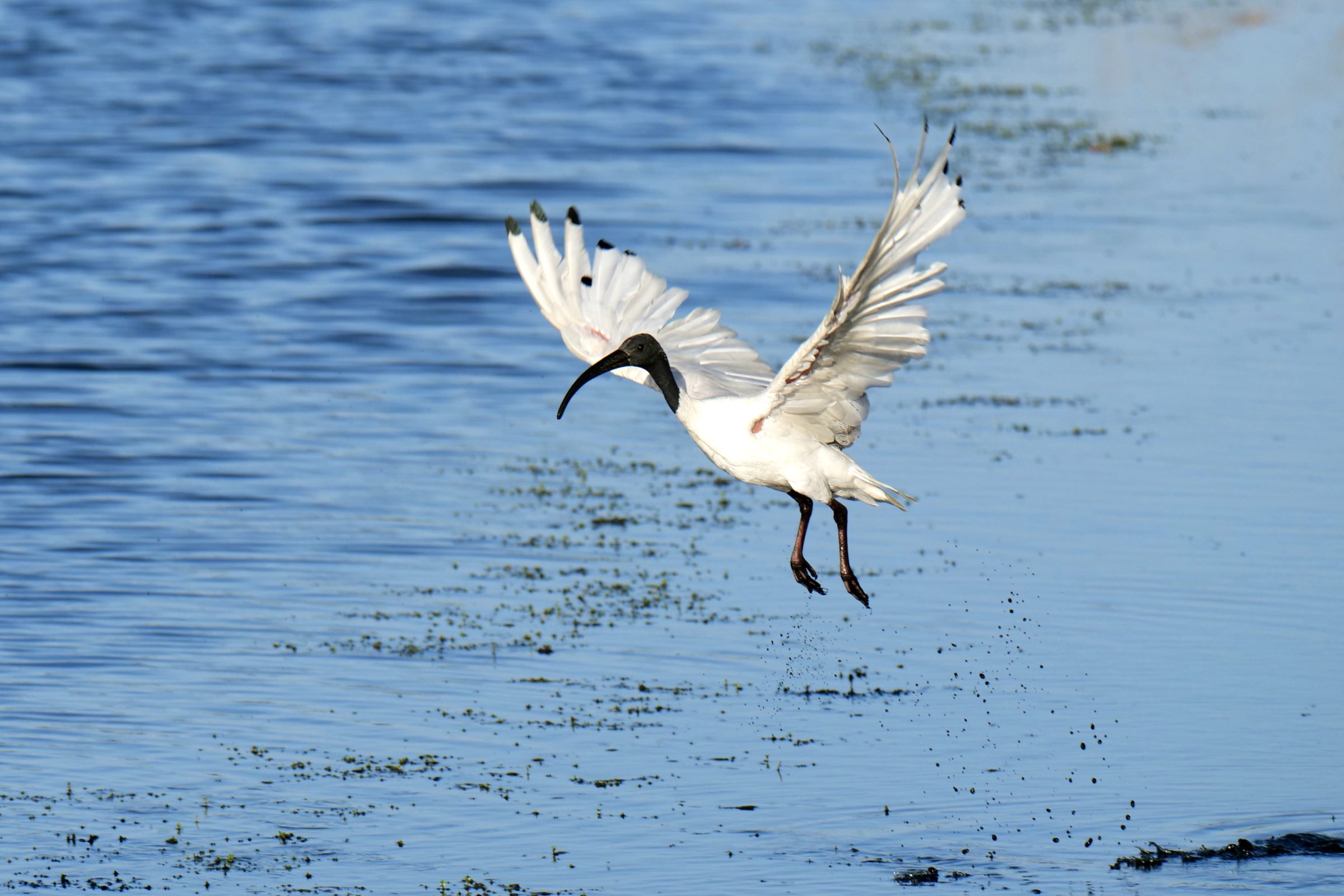
As is true of many birds, Threskiornis molucca – the Australian white ibis – is wonderfully elegant when high in the sky, but rather less so when on terra firma, or in the process of becoming airborne.
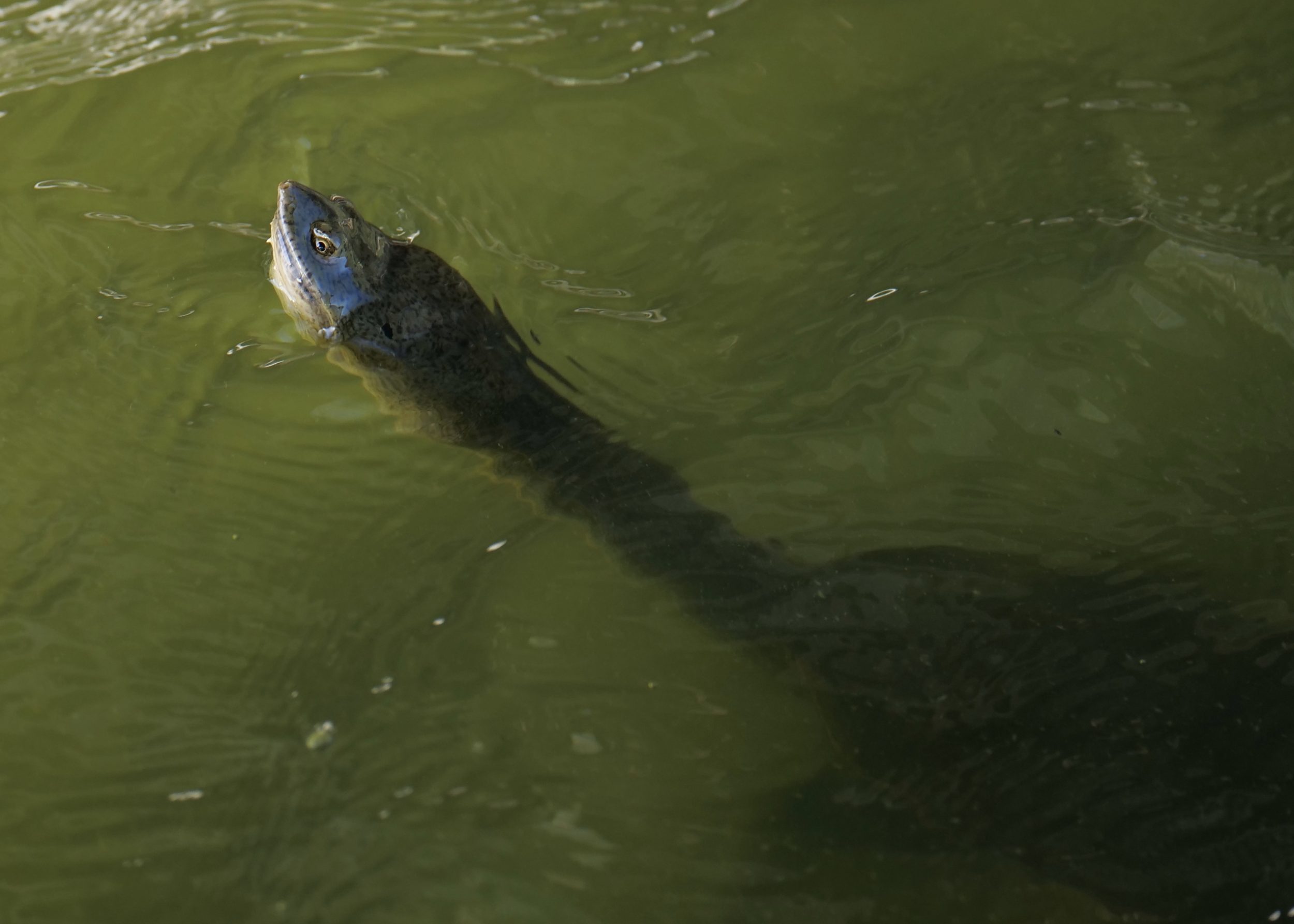
Comments closedAt the moment southwestern Australia’s very own turtle is very evident at Lake Monger.
All photos copyright Doug Spencer, taken late afternoon on 27 January 2021.
Comments closed
Lights Beach is a deal less than half an hour’s easy drive west, from Denmark.
Lights Beach car park sits just outside the eastern boundary of William Bay National Park.
The featured image and the one below were both taken from just below the car park’s edge; the wider-angle view looks south, whilst the one above looks west, along the National Park’s shoreline.
One Comment
Many self-declared “jazz lovers” would not recognise his name, nor have ever heard him…wittingly, at least.
That said, I am far from alone – and am in some very good company – in having long regarded Frank Kimbrough as one of the select few improvising pianists who ought be described/remembered as “one of the greats”.
if I were only ever allowed another listen to just ten “piano trio tracks”, his sublimely beautiful Waiting in Santander would be one of them:
One Comment
…but free, with an exquisite musical bonus included!
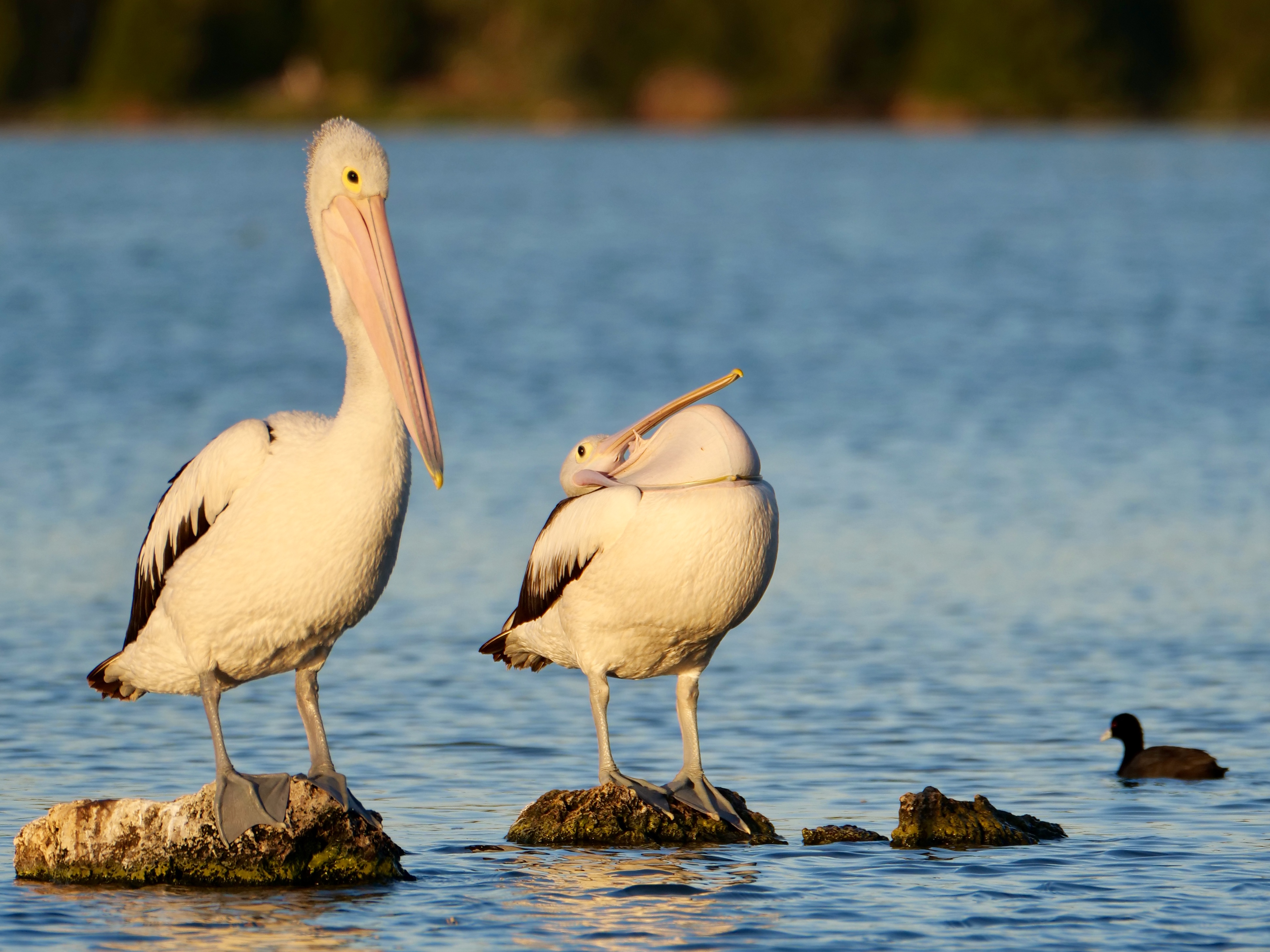
Pelecanus conspicillatus – the Australian Pelican – has the avian world’s biggest bill.
Its bill is remarkable at any time, but most especially so when engaged in actual “pelican yoga”.
Pelican Yoga wishes you a very happy festive season.
One Comment
Conifers – pines, traditionally associated with Christmas – comprise the major part of the Northern Hemisphere’s “tree cover equation”.
The Southern Hemisphere has its own endemic conifers, but south of the equator they are relatively minor players, most especially in Australia.
To Australian eyes, the Northern Hemisphere’s vast pine forests appear relatively drab, sadly lacking in species diversity and colour range.
The contrast is most especially marked in the warmer half of our year, which is the colder half of the Northern year.
Comments closed