Skip to content →

Pelican Yoga Posts

October 30 2023: Darling Range flora, “up close” (#11 in series)


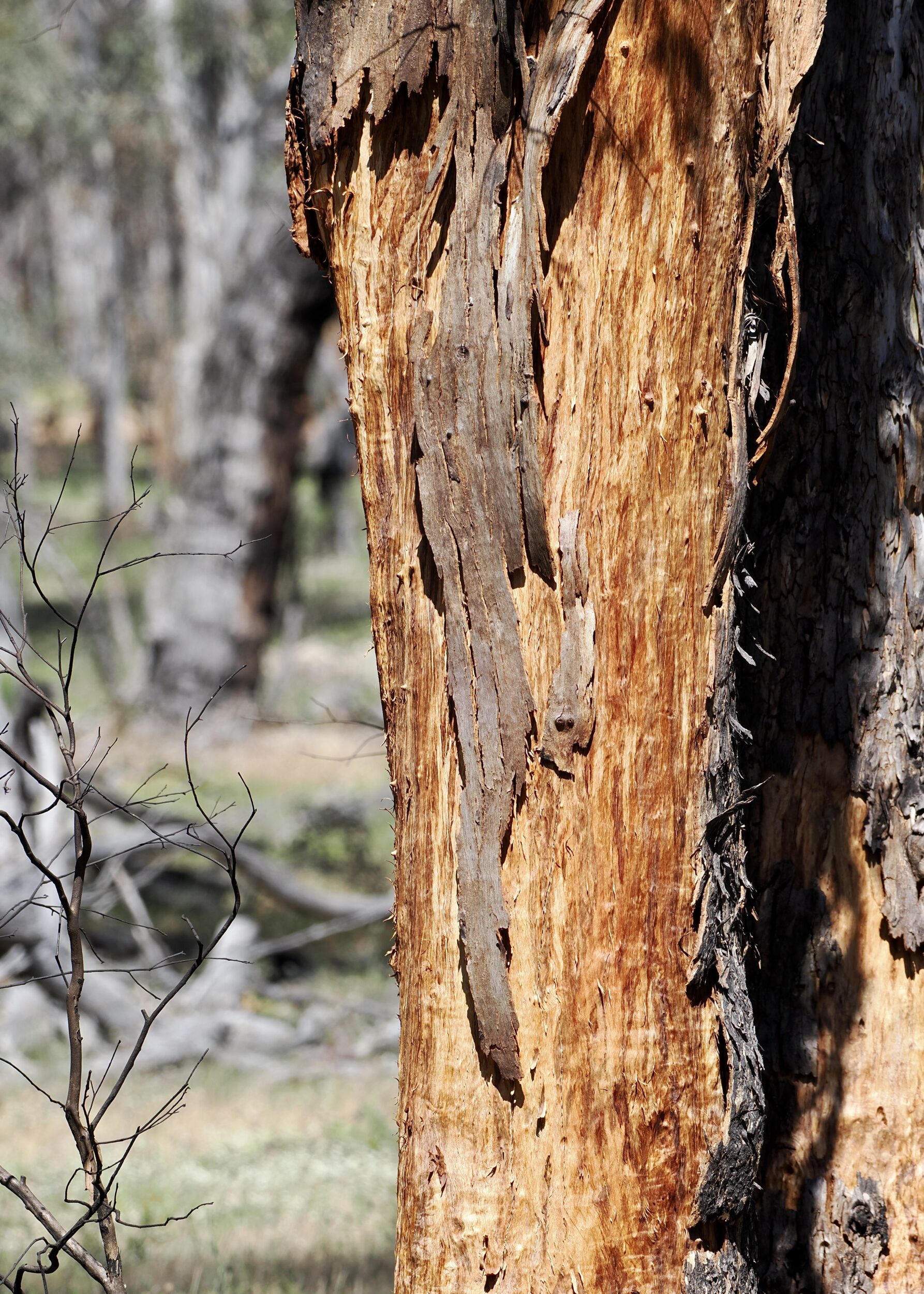
In this episode no flowers are readily visible, but its heroes are flowering plants.

Their genus has circa 700 species and its tallest members are “our” planet’s tallest flowering plants.

Most Eucalyptus species call Australia home, although many now flourish – some of them rather too well – on every other human-inhabited continent.

They dominate most Australian forests and woodlands.

Wandoo woodlands exist only in certain parts of Australia’s southwest.

No matter how well-travelled, persons lucky enough to have experienced wandoo woodland tend to regard it as something unique and highly likeable…notwithstanding the “unhappy” fact that ticks are also partial to it.

One Comment
October 30 2023: Darling Range flora, “up close” (#10 in series)


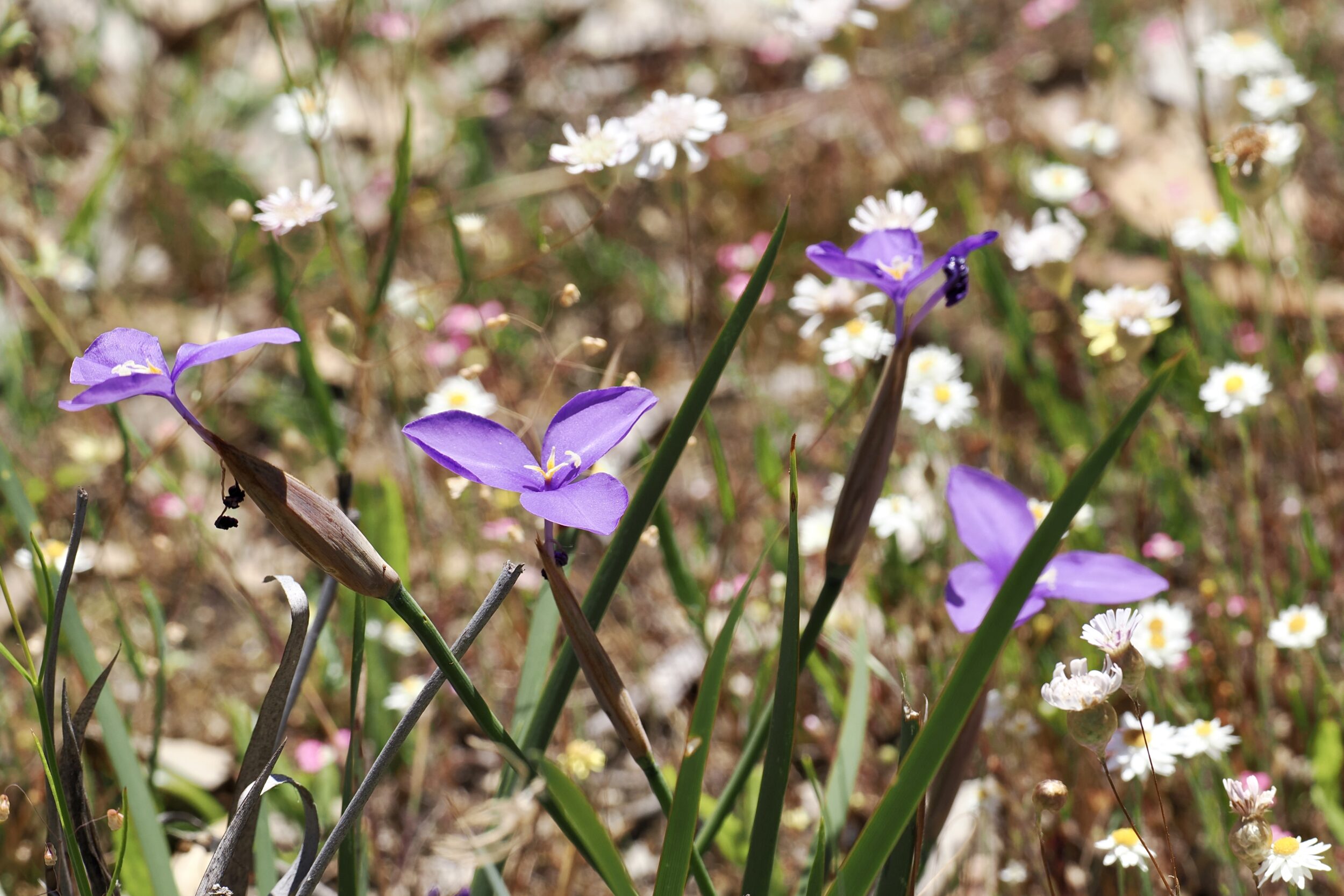
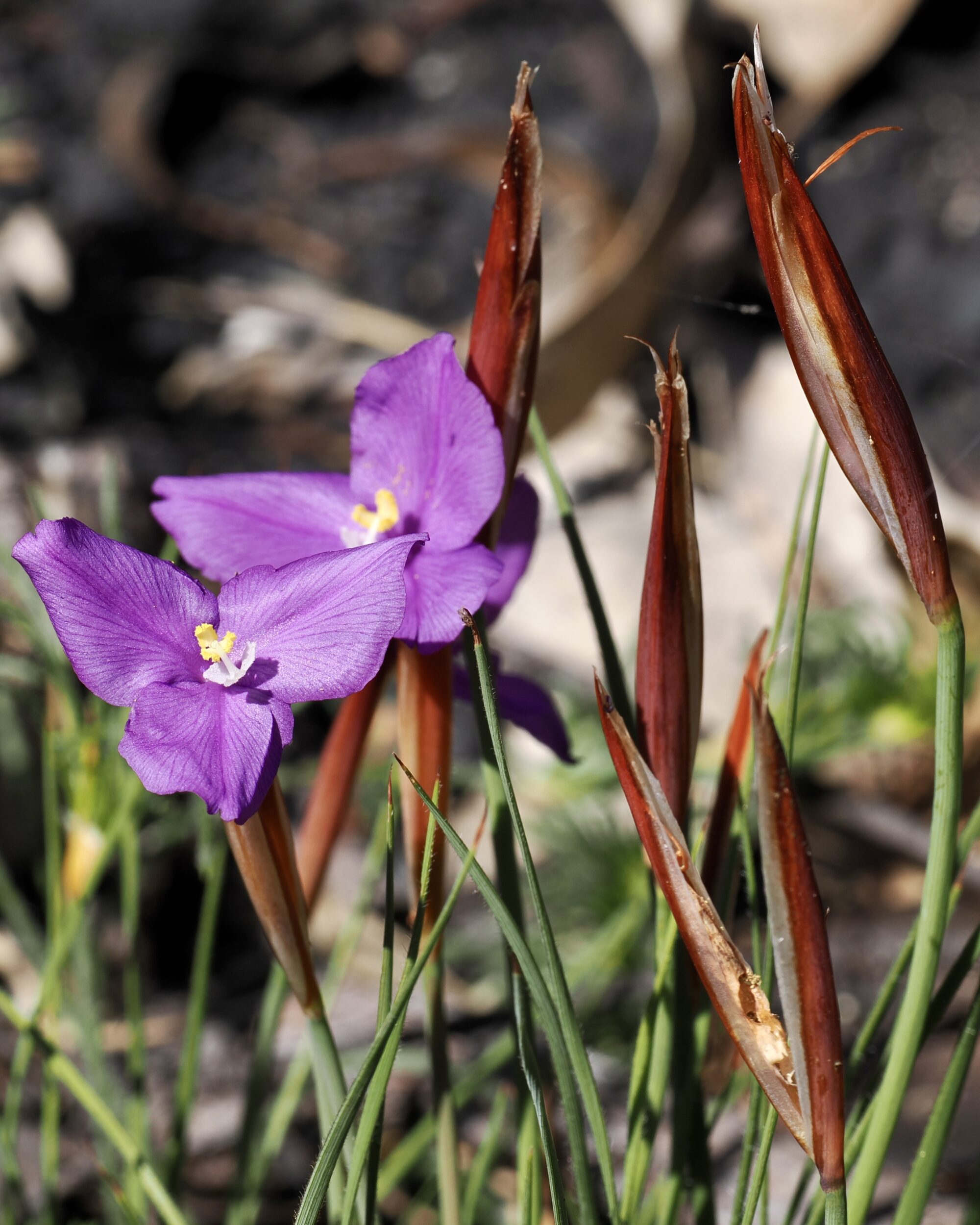
I am almost certain that today’s hero is a fellow member of the genus Patersonia, but not the same species as those in #7 through #9 in this series.

To me, it remains a UFO – an unknown flowering organism.

If you can positively identify it, I’d be glad to be enlightened, and would then update this post.

Comments closed

Word power(lessness): fatuous sentence of the year award

It is hard to imagine how anybody could top ABC News Director Justin Stevens’ latest  contribution to the ever-burgeoning array of managerial weasel-speak.

Today, when announcing the “difficult” decision to axe The Drum, “as part of a wider restructure which would see a programs team on the ABC News Channel disbanded and one executive position abolished”, Stevens delivered this 100% pure nugget of fools’ gold:

Stopping things does not diminish their previous value or contribution,

3 Comments

October 30 2023: Darling Range flora, “up close” (#9 in series)


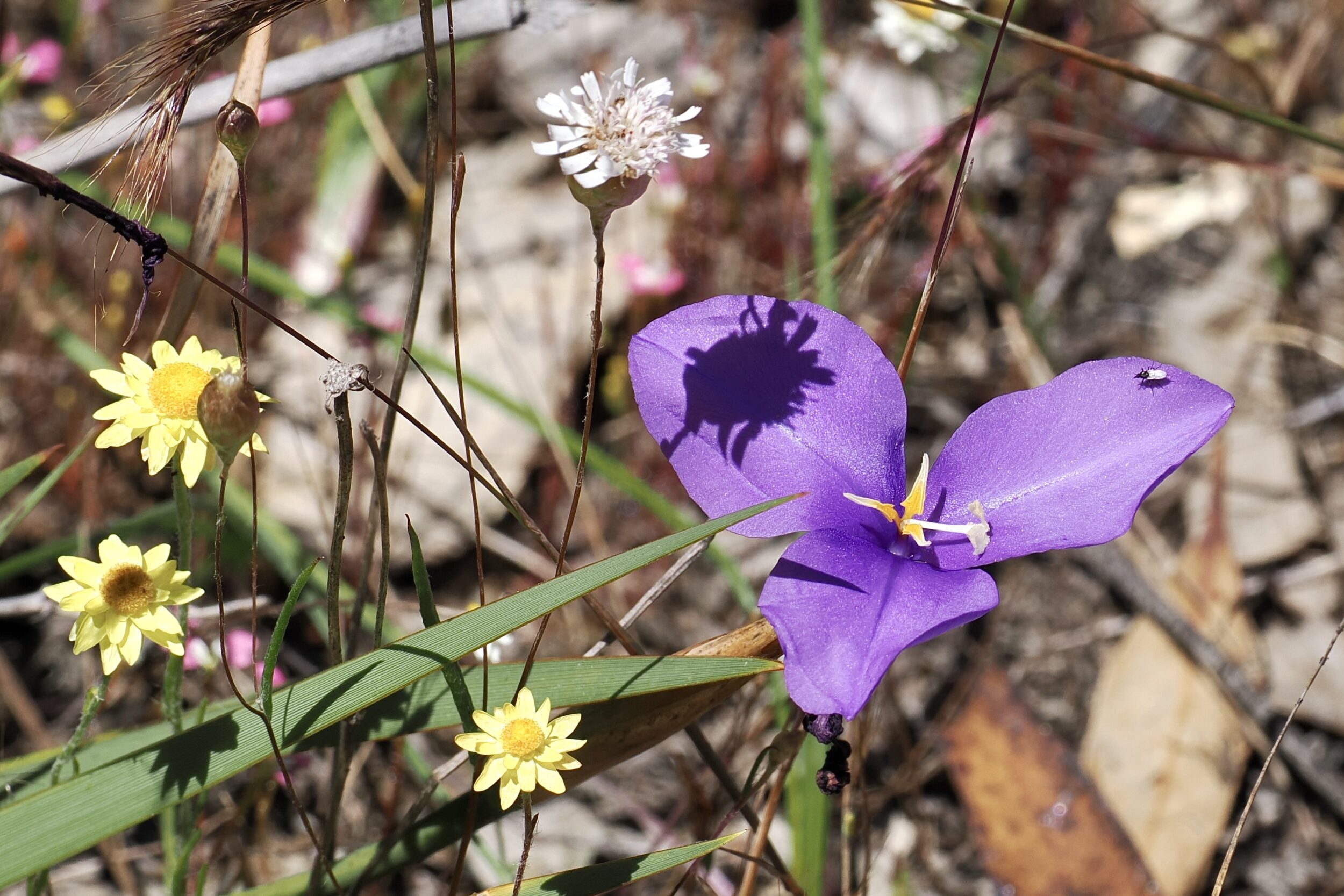
This post features this series’ closest views of “purple flags”…with a gnat included, at no extra cost.

Not all “flags” are purple, but the flowers of most members of the Patersonia genus incline to purple. (the exceptions incline to yellow or white)

Patersonia are members of the iris family; most species are endemic to Australia, and the majority are WA-endemic.

Comments closed

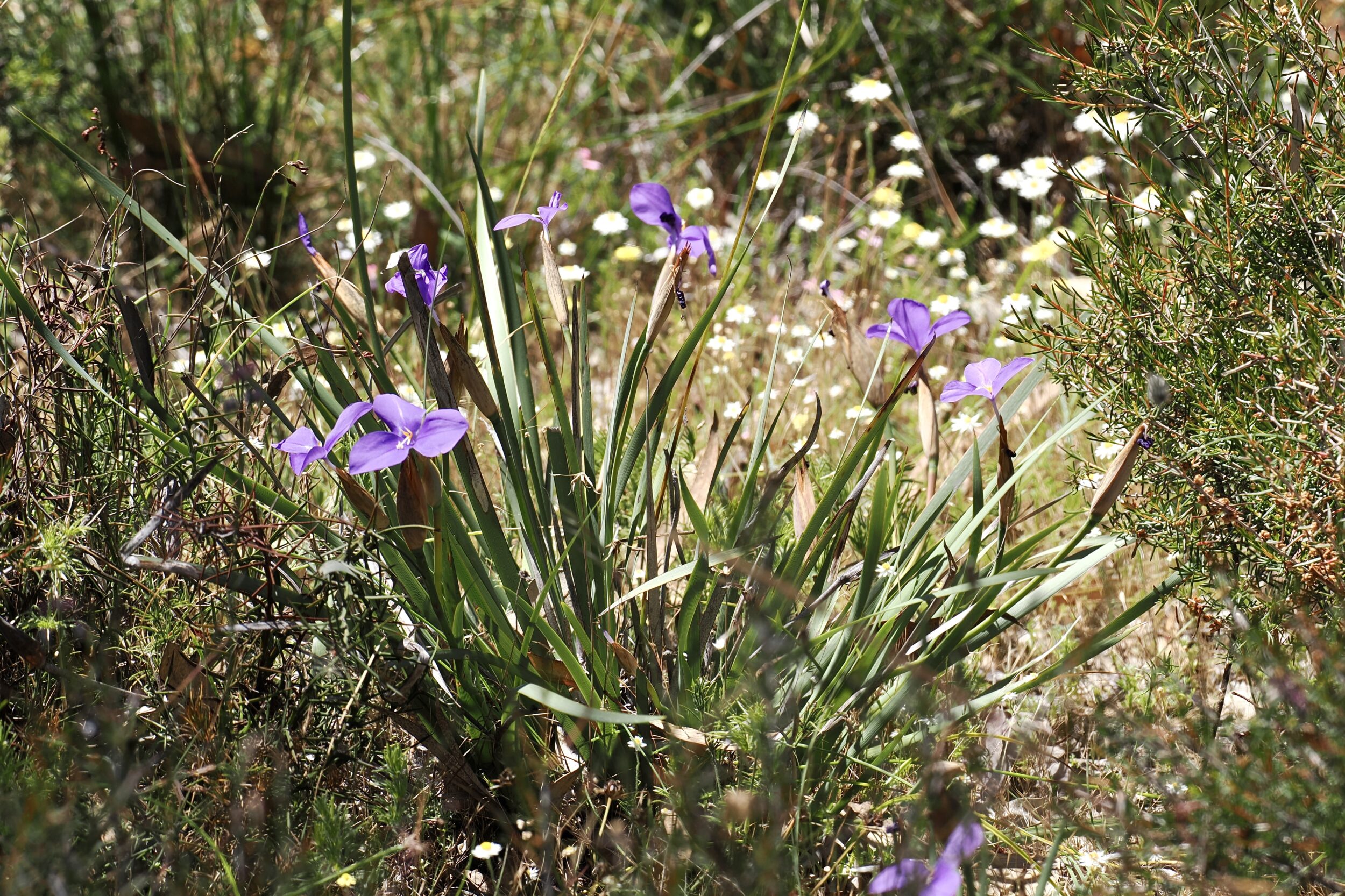
October 30 2023: Darling Range flora, “up close” (#7 in series)


Most of southwest Western Australia has a very extreme version of a so-called “Mediterranean” climate.

There are huge variations from one year (or sequence of several years) to another.

However, in a “proper” year much more than half of the annual rainfall arrives in June-July-August, when the weather is relatively cool.

In December-January-February it is “normally” very hot, and rain falls hardly at all.

Very few watercourses flow “permanently”; to label more than a few of them as “rivers” is to indulge in flattery…or wishful thinking.

There are, however, many modest, so-called “winter creeks”.

In many years, flowering plants and grasses “get cracking”, to take advantage of  the “window” when such a creek is no longer flowing, but its bed is still damp-ish, and the weather is not yet ferociously hot.

The featured image is a “window” into that very “window”.

Comments closed

“Gunslinging” flora inspire a musical “interval”

This little interruption to the current “Darling Range flora” series comes to you via the trigger plants having accidentally made me think fondly of the most celebrated theme ever written for a “Western”.

The relevant film was a so-called “spaghetti western”.

Almost certainly, you have heard its theme, but you have probably not heard what John Zorn did to it in 1987.

To put it mildly, the highly creative Mr Zorn greatly admired Ennio Morricone’s “original”, but he was not the least intimidated by it!

Comments closed

October 30 2023: Darling Range flora, “up close” (#6 in series)


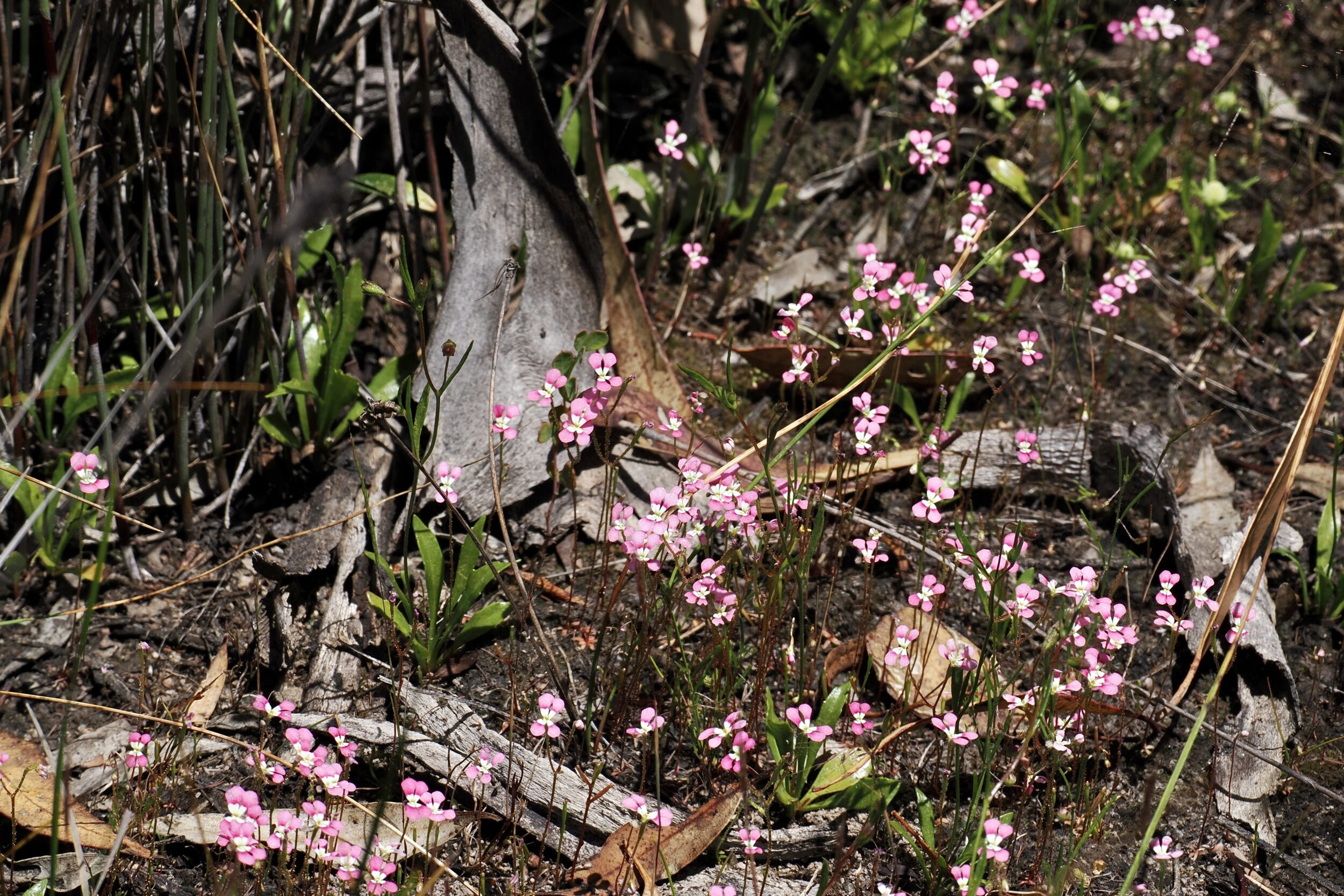
This post’s heroes belong to the genus Stylidium.

They are generally known as “trigger plants”.

Almost all of the circa 300 trigger plant species call Australia home, exclusively; Stylidium is this country’s fifth-largest flora genus.

Around half of them are endemic to Australia’s “wild west”; the majority of those species occur only in specific parts of WA’s southwest.

On a warm day some species are much faster “on the draw” than ever was Wyatt Earp…or any other gunslinger in America’s “Wild West”.

The fastest Stylidium “trigger” can complete its “attack” on an insect in as little as 15 milliseconds.

Comments closed

October 30 2023: Darling Range flora, “up close” (#5 in series) + musical bonus


The featured image’s flower heads and the musical bonus have no overt, particular connection.

Both, however, are uncommonly beautiful, exquisitely proportioned, and will reward your close attention.

Comments closed

October 30 2023: Darling Range flora, “up close” (#4 in series)


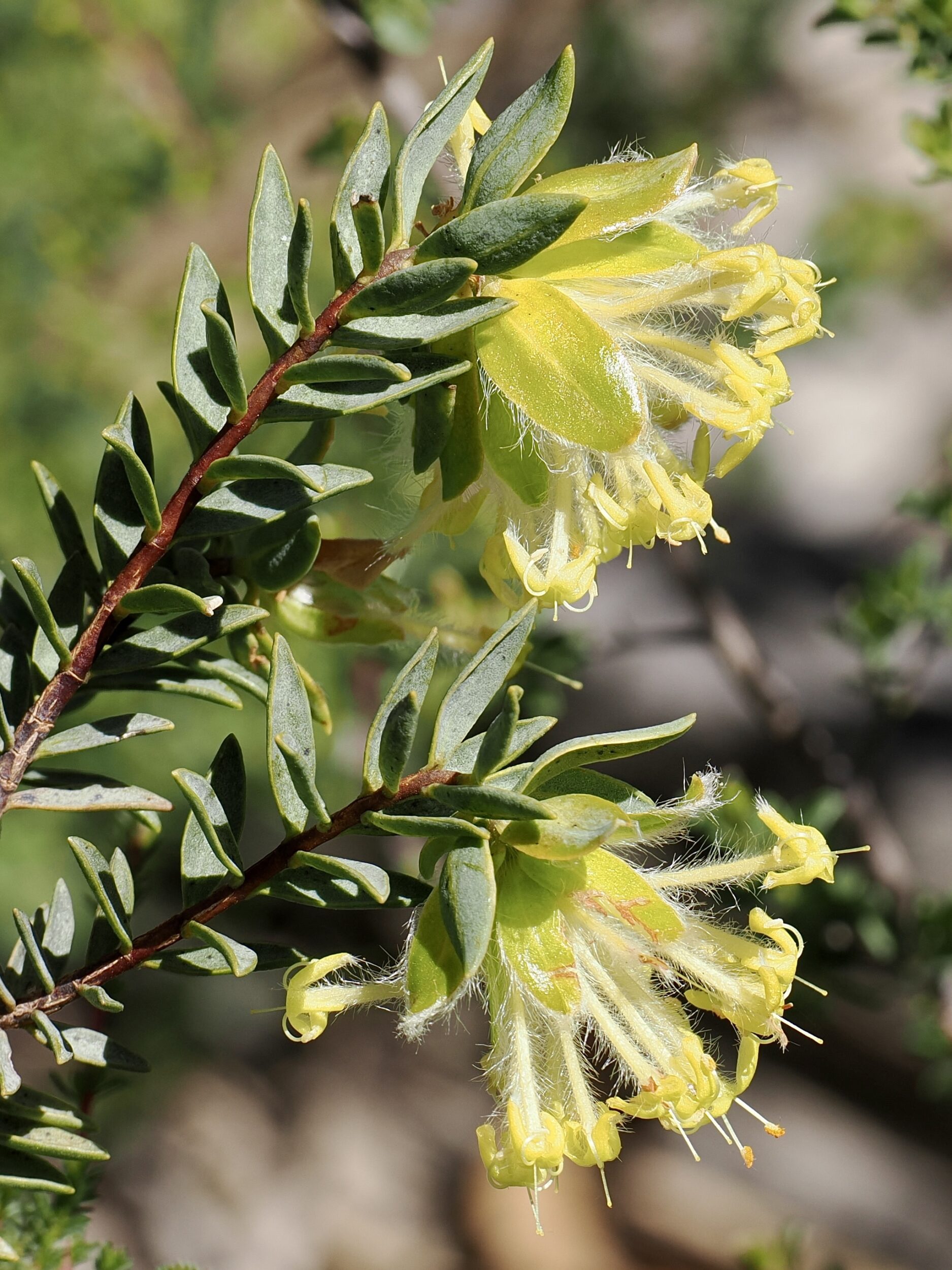
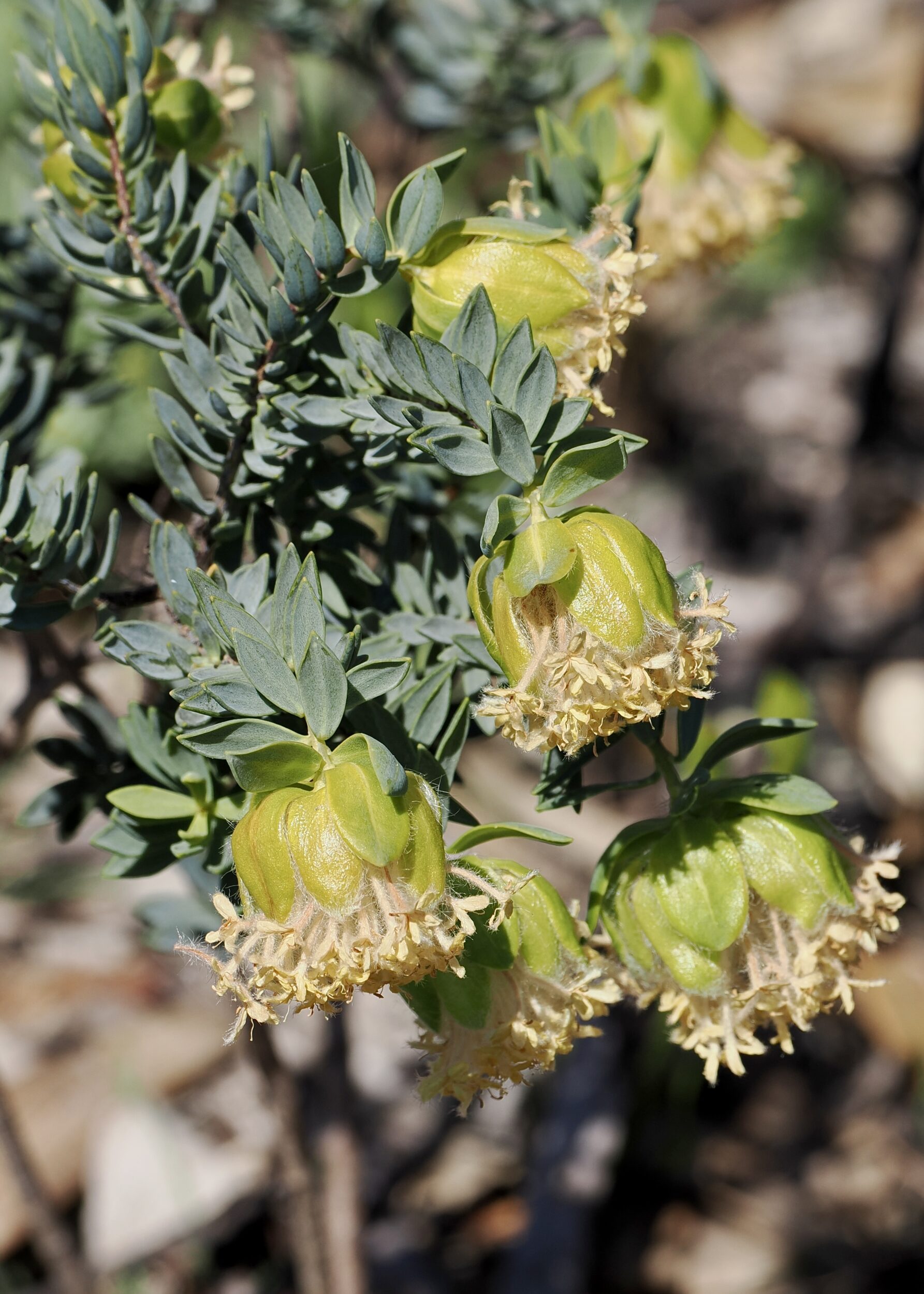
I think that this post’s two images showcase the flower heads of Pimelea sulphurea, commonly known as yellow banjine.

It is endemic to Western Australia’s southwest; click here to discover more.

As is true of many WA wildflowers, each one of its flower heads contains many individual flowers.

Comments closed