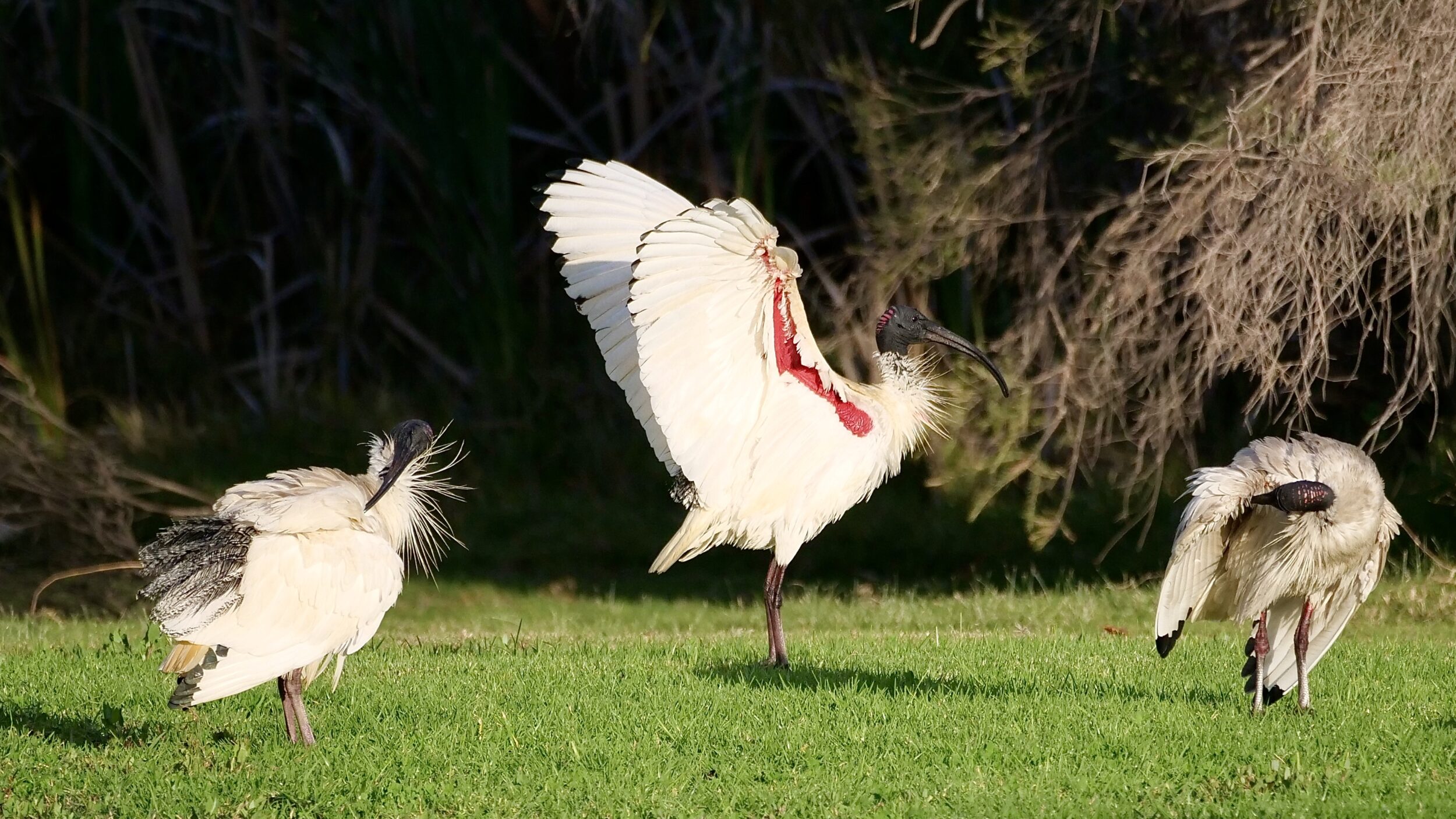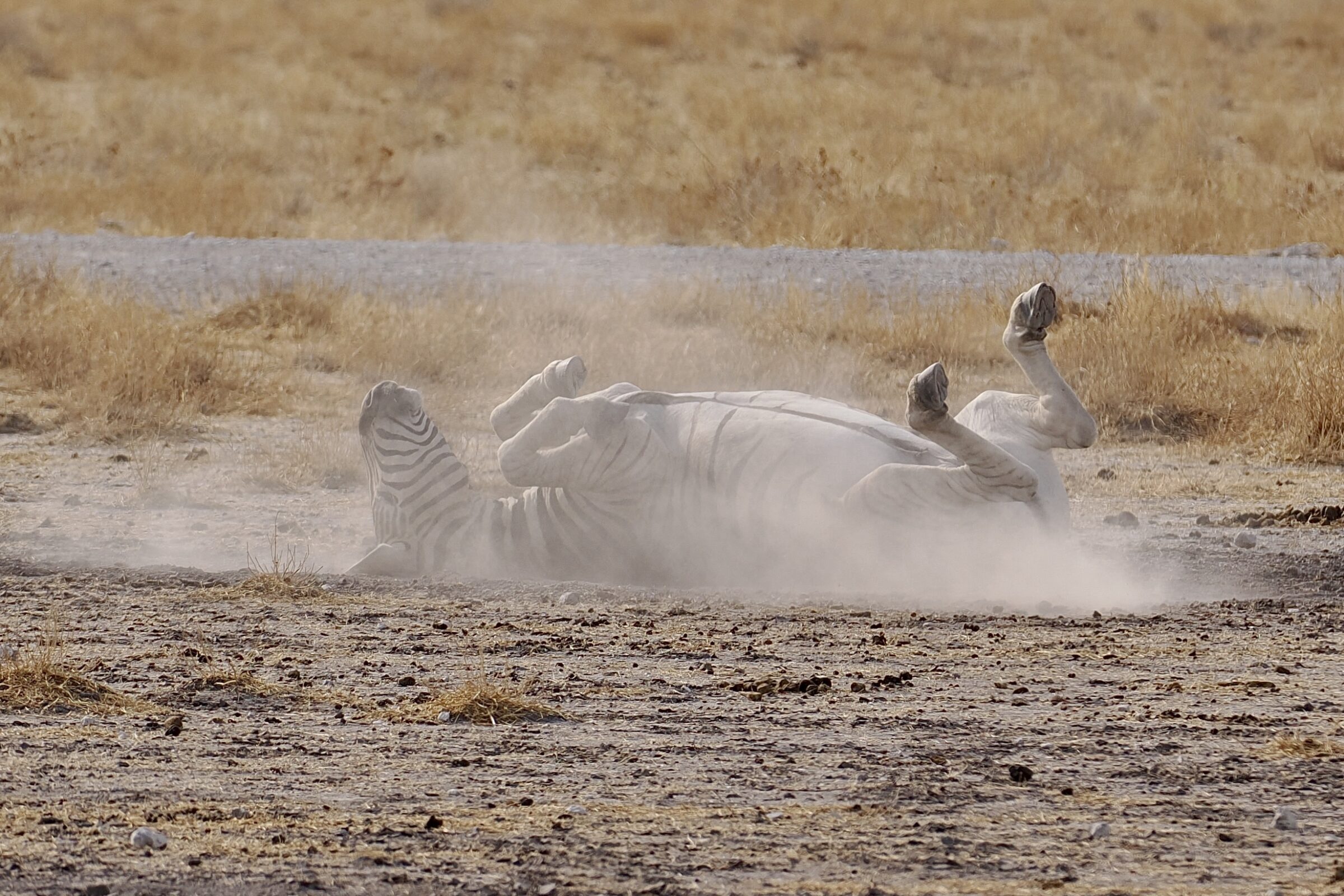
When even the most ardently water-wise member of our own species has a thoroughly enjoyable bath, water may not be wasted, but it is necessary.
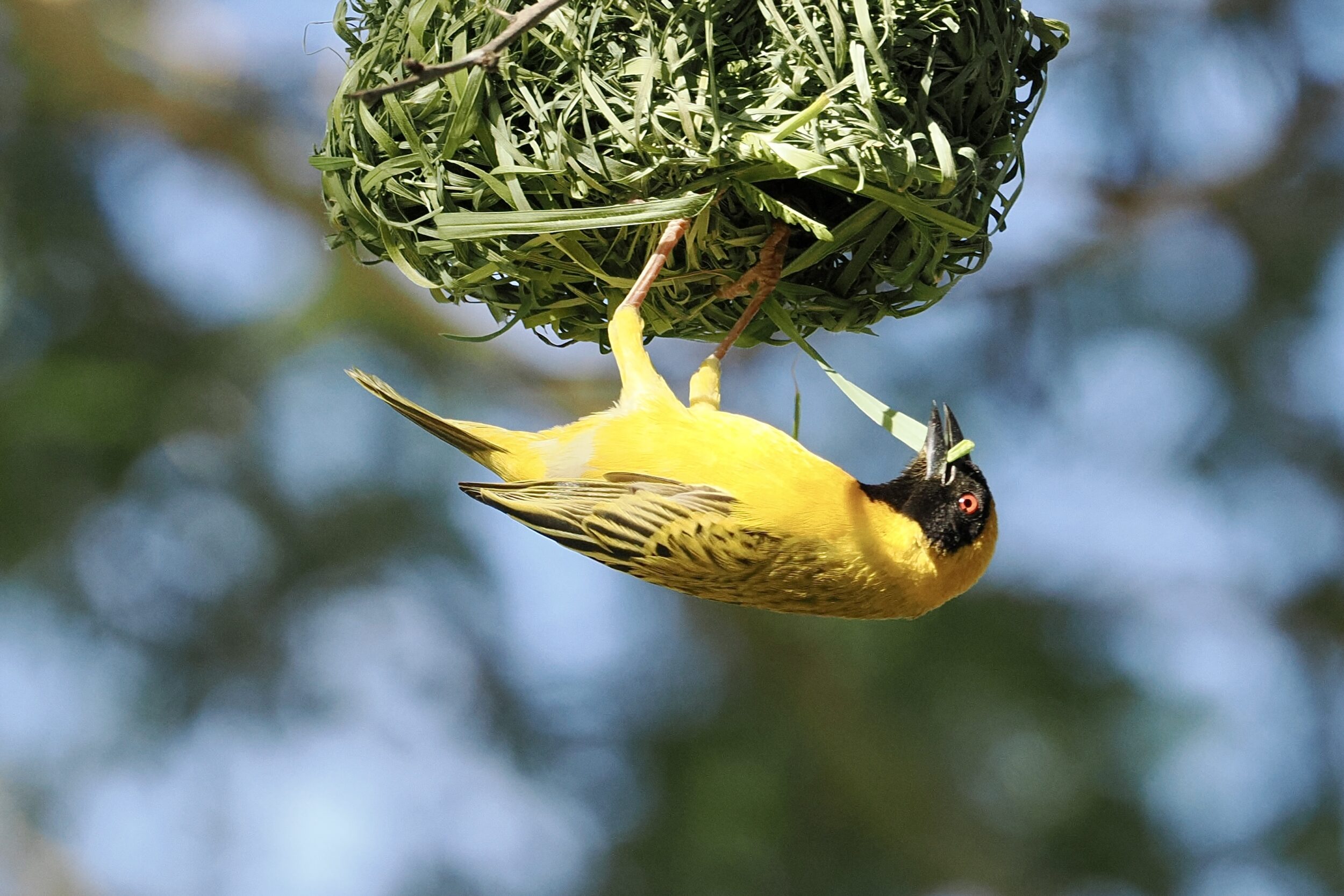
Some other species, however, have hugely-enjoyable baths without getting damp, at all.
Comments closedNatural splendour, real musics, wines, wordpower
When even the most ardently water-wise member of our own species has a thoroughly enjoyable bath, water may not be wasted, but it is necessary.
Some other species, however, have hugely-enjoyable baths without getting damp, at all.
Comments closed
My camera registers the time that each photo is taken.
It was 6.30 pm when I took the immediately-preceding post’s final image; Lila had then just ceased “snacking” and was sitting still.
Directly in front of Lila, probably still warm, also motionless, was her kill.
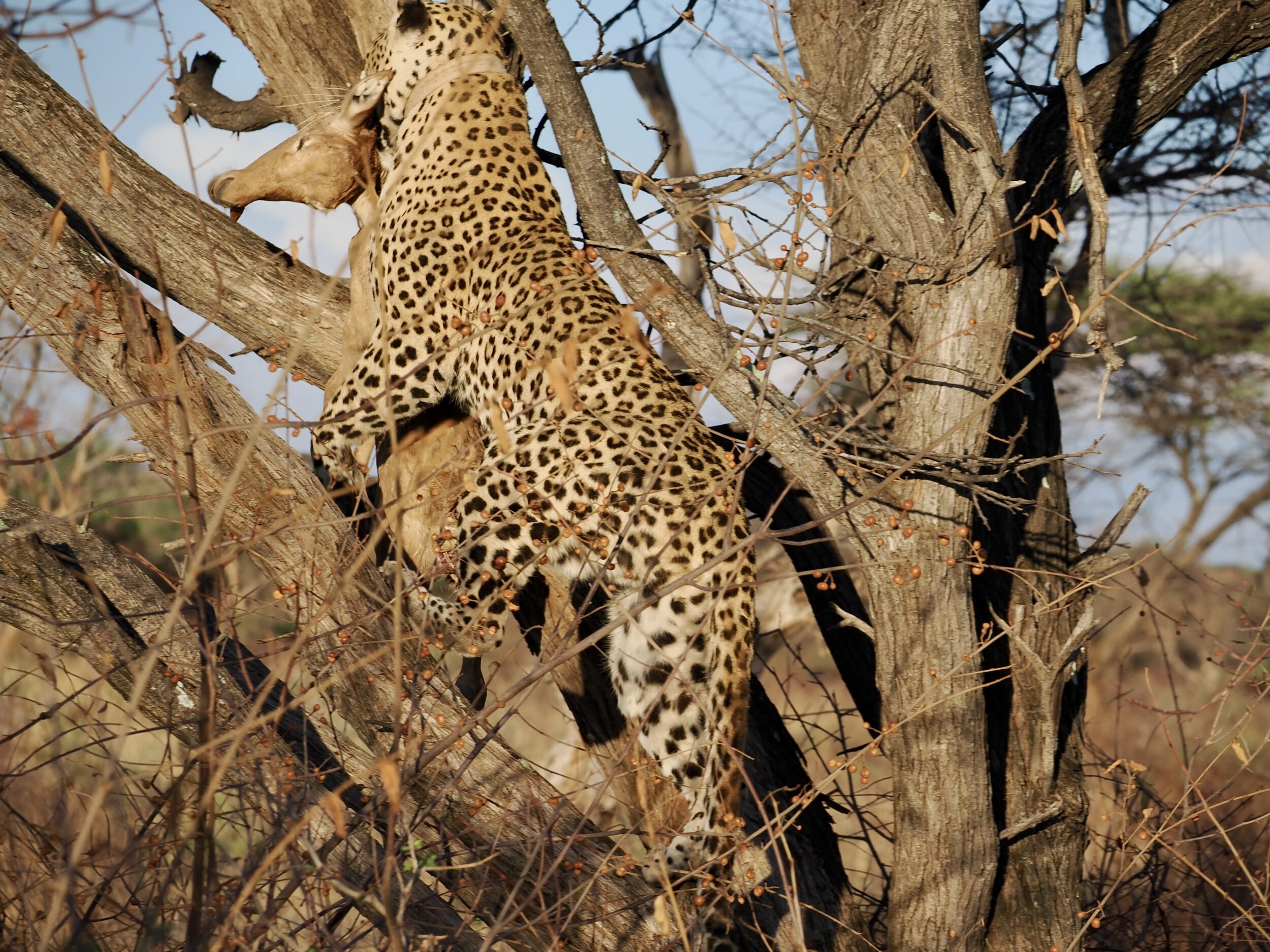
It was still 6.30 pm when Lila had completed the demanding task depicted in the sequence which begins with the featured image, then continues with the next three photos.
Almost certainly, I will never witness a more prodigious physical feat.
From “red hartebeest calf carcass, stationary, flat on the ground” to “carcass securely stashed in the tree’s crown” took Lila circa thirty seconds to achieve.
One Comment
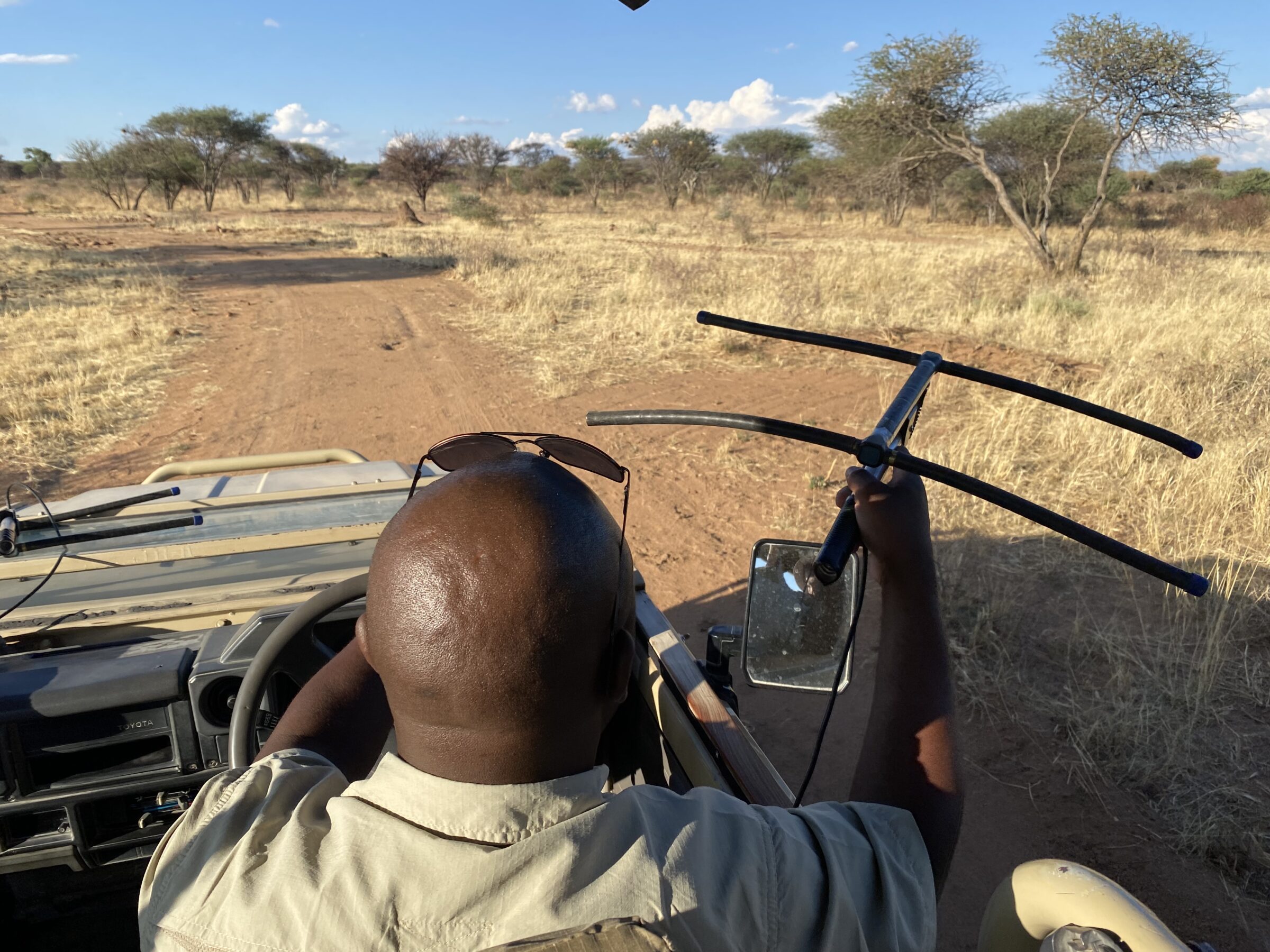
The featured image – photographed by fellow traveller Ian Millar, to whom my thanks – shows John M (a very capable nature guide/driver/researcher/educator) radio-tracking a leopard.
All of the leopards in Okonjima are 100% wild animals, but some have been “darted”, then fitted with radio-transmitter-equipped collars.
Okonjima, in central Namibia, is centrally focused on wildlife conservation and research, which is in large part funded by tourism.
At the time Ian took the featured image John had located unmistakable evidence of a leopard having very recently dragged his/her “kill” across the track on which “our” vehicle was driving…
One Comment
As is true of not a few other “country clubs”, the one in Namibia’s capital city is in fact well inside an urban “footprint”.
The Windhoek Country Club Resort offers luxurious accommodation, decent food, a casino, an 18 hole golf course, a gym, and extravagantly “Afrokitsch” reception and dining spaces.
To the astonishment of this non-gambler, non-golfer – and non-fan of Afrokitsch – my beloved and I there enjoyed an unforgettable wildlife experience, just a couple of human footsteps away from “our” room!
Comments closed
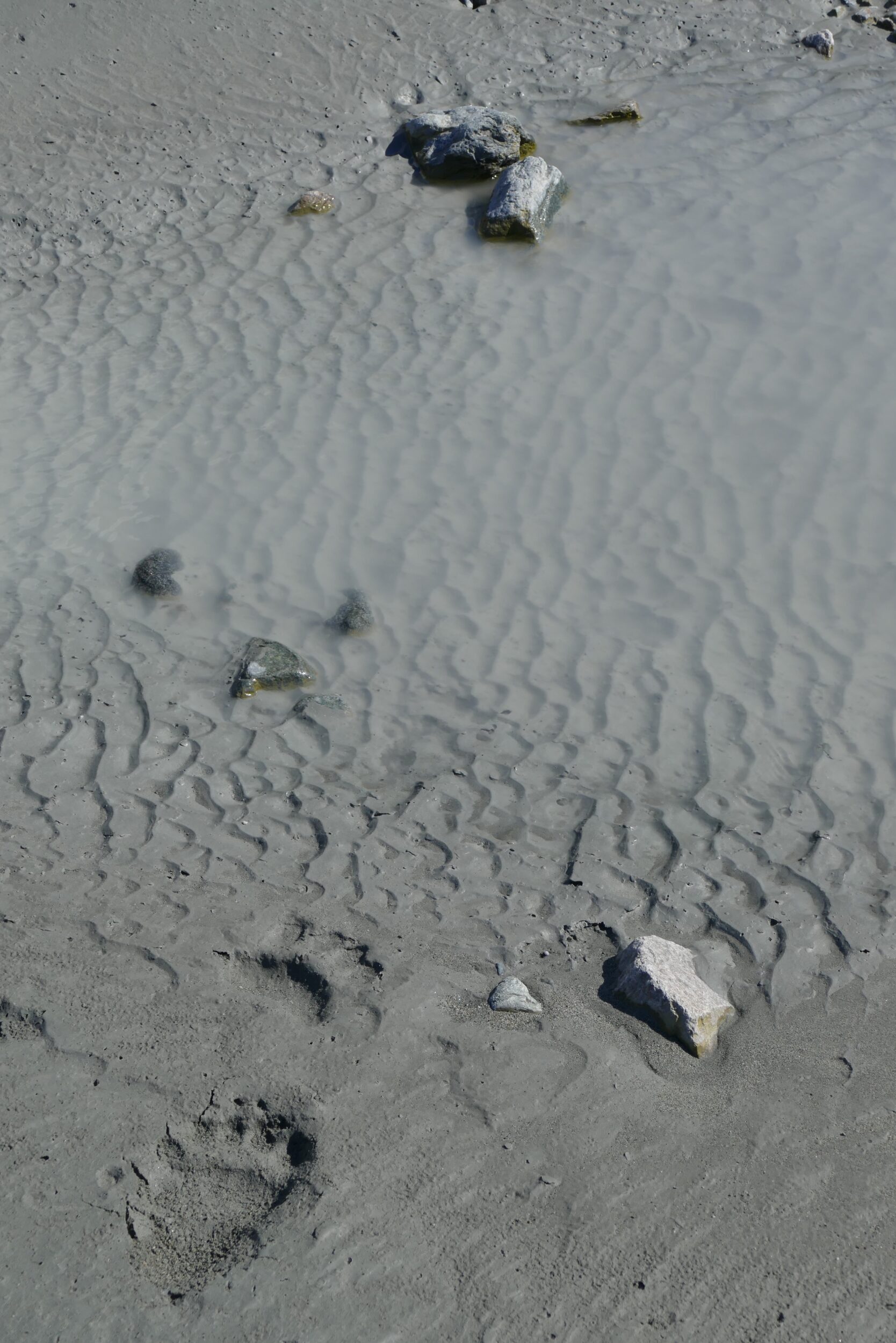
This post’s actual footprints come from bears in Alaska, birds on the Indian subcontinent and continental Australia, a Tasmanian wombat, and humans in an African desert and Australian suburbia.
The musical bonus is courtesy of one of the greatest jazz musicians – equally so as composer, virtuoso instrumentalist and inspired improviser.
There’s also a metaphorical footnote which involves New Zealand’s largest farm…
Comments closed
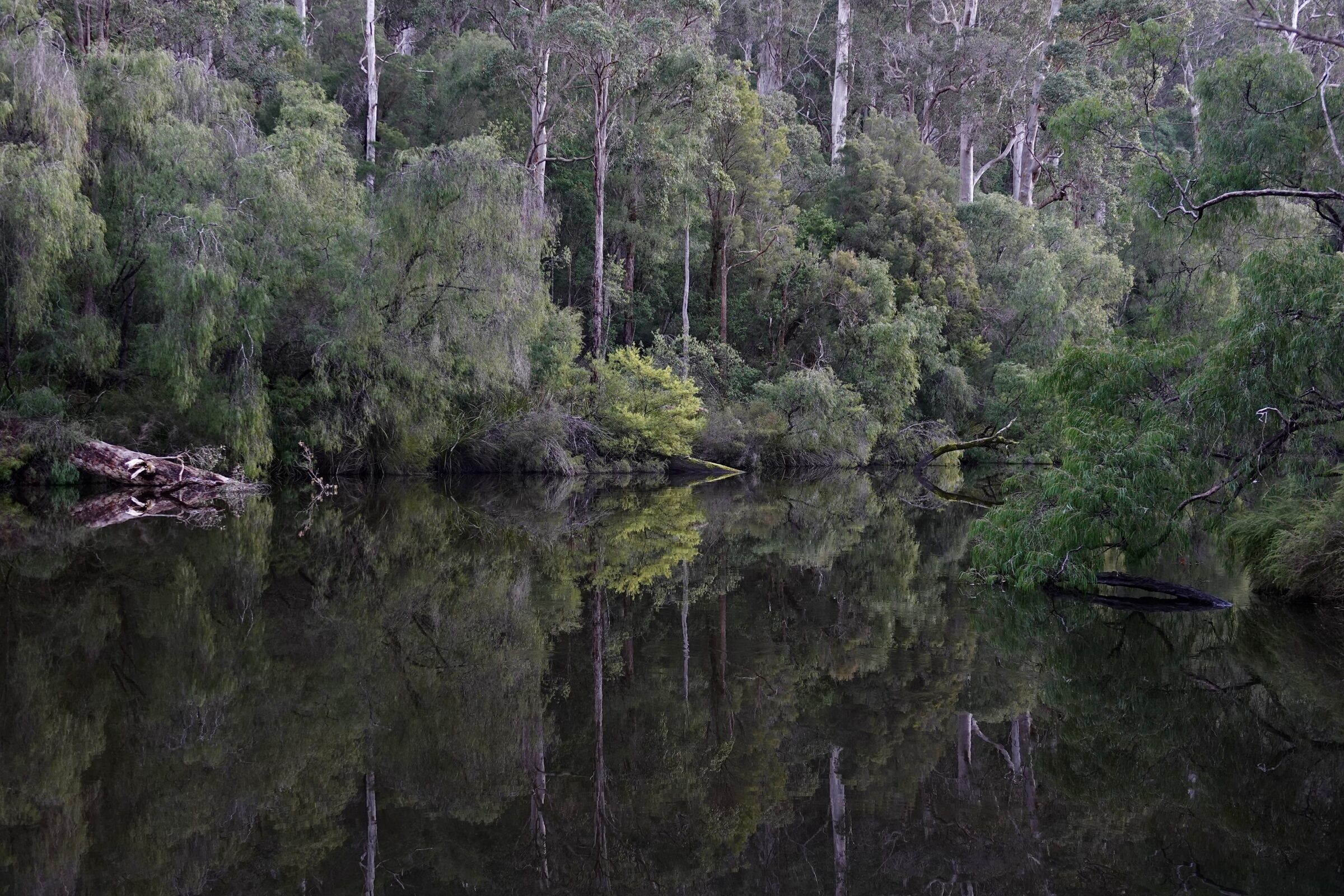
For easy access to magnificent virgin Karri forest, there is no better place than Warren National Park.
Its main entry point is only a few minutes’ drive from Pemberton.
My beloved and I have been there many times.
No two times are the same, even when they are only hours apart!
Comments closed
If you confine your “nature walks” to places easily-reached without a car, and within 15 kilometres of Perth’s GPO, your worthwhile menu options are still surprisingly numerous.
Among them are the largest remaining river flats within the metropolitan area; Ashfield Flats’ nearer side is less than 10 kilometres from the GPO.
Comments closed
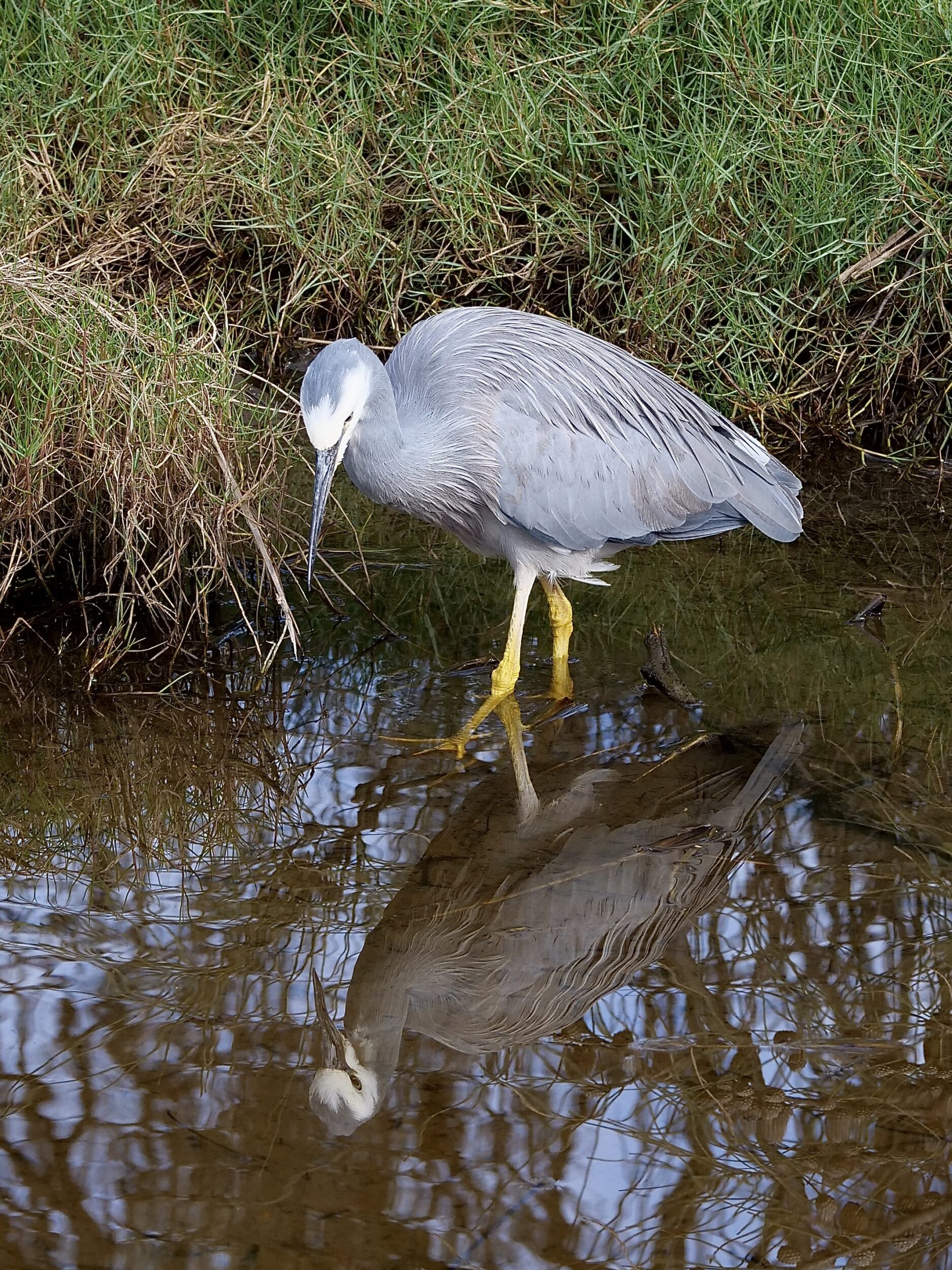
This afternoon – and for too many afternoons over the next 100+ days – “too bloody hot, no thank you”, is an appropriate response to any invitation to go walking along the shore of one of Perth’s many wetlands/lakes/rivers.
This post fondly remembers a late afternoon, back when most days were ideal for wetland-walking.
Comments closed
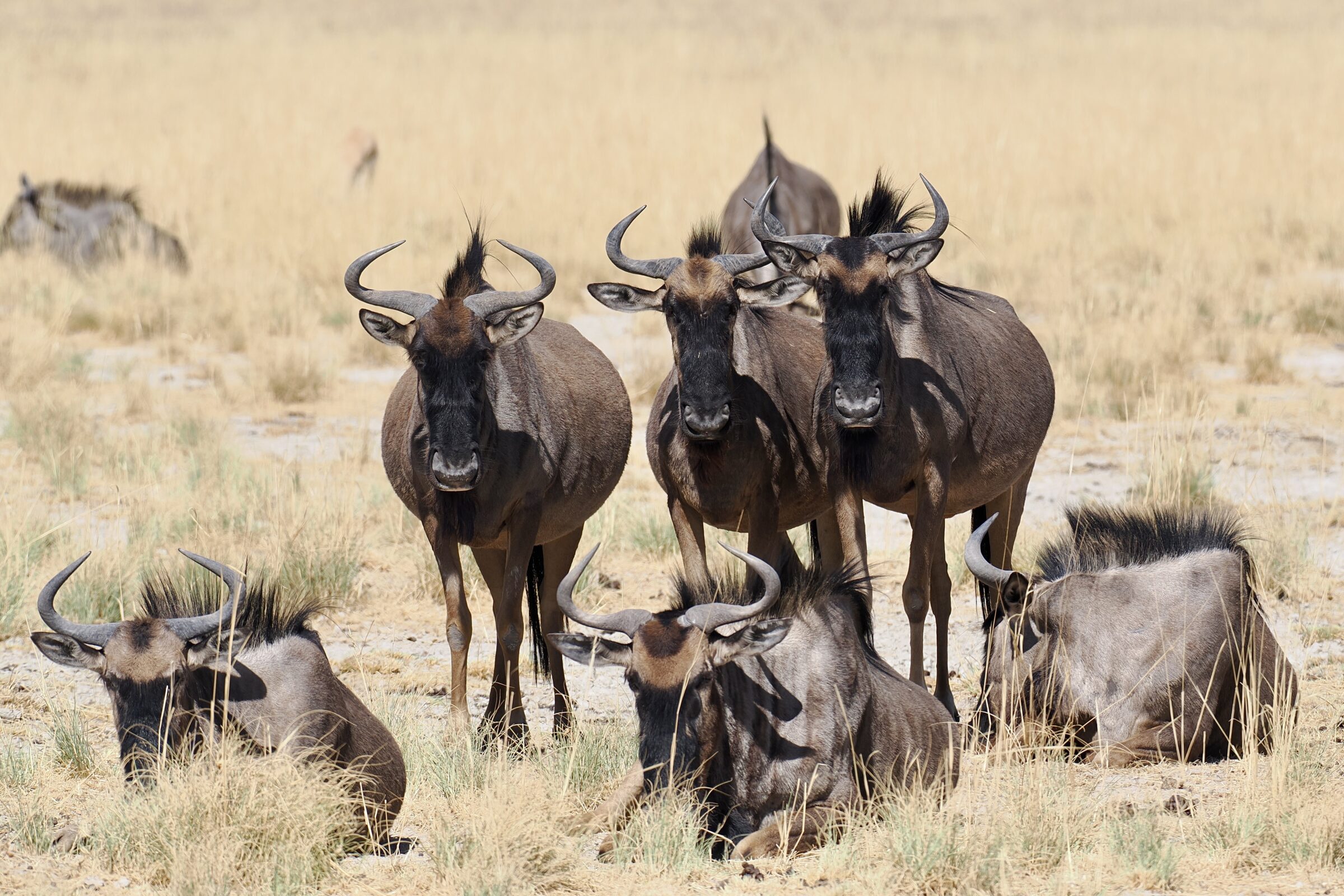
Gnu/wildebeest are bona fide antelopes.
However, as the Blue Wildebeest’s scientific name – Connochaetes taurinus – suggests, most human newcomers assume that wildebeest are bovine beasts.
One Comment
From a very sensible “5 Quick Tips For Better Wildlife Shots”, which is worth reading:
One very important rule when photographing wildlife is to focus on the eyes of your subject.
As you can see, today’s photo breaks this rule…to its advantage, I think.
Comments closed