Skip to content →

Tag: Pakistan

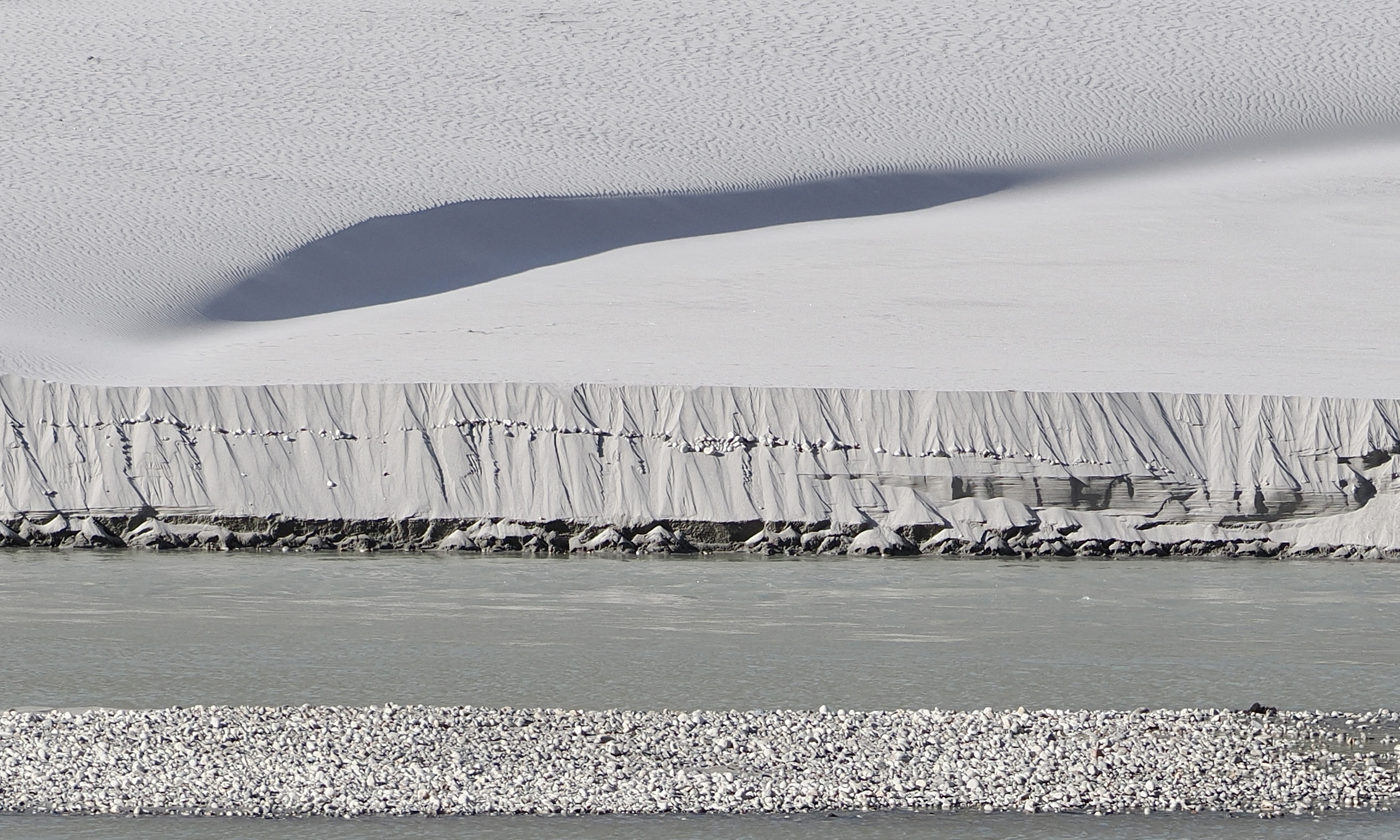
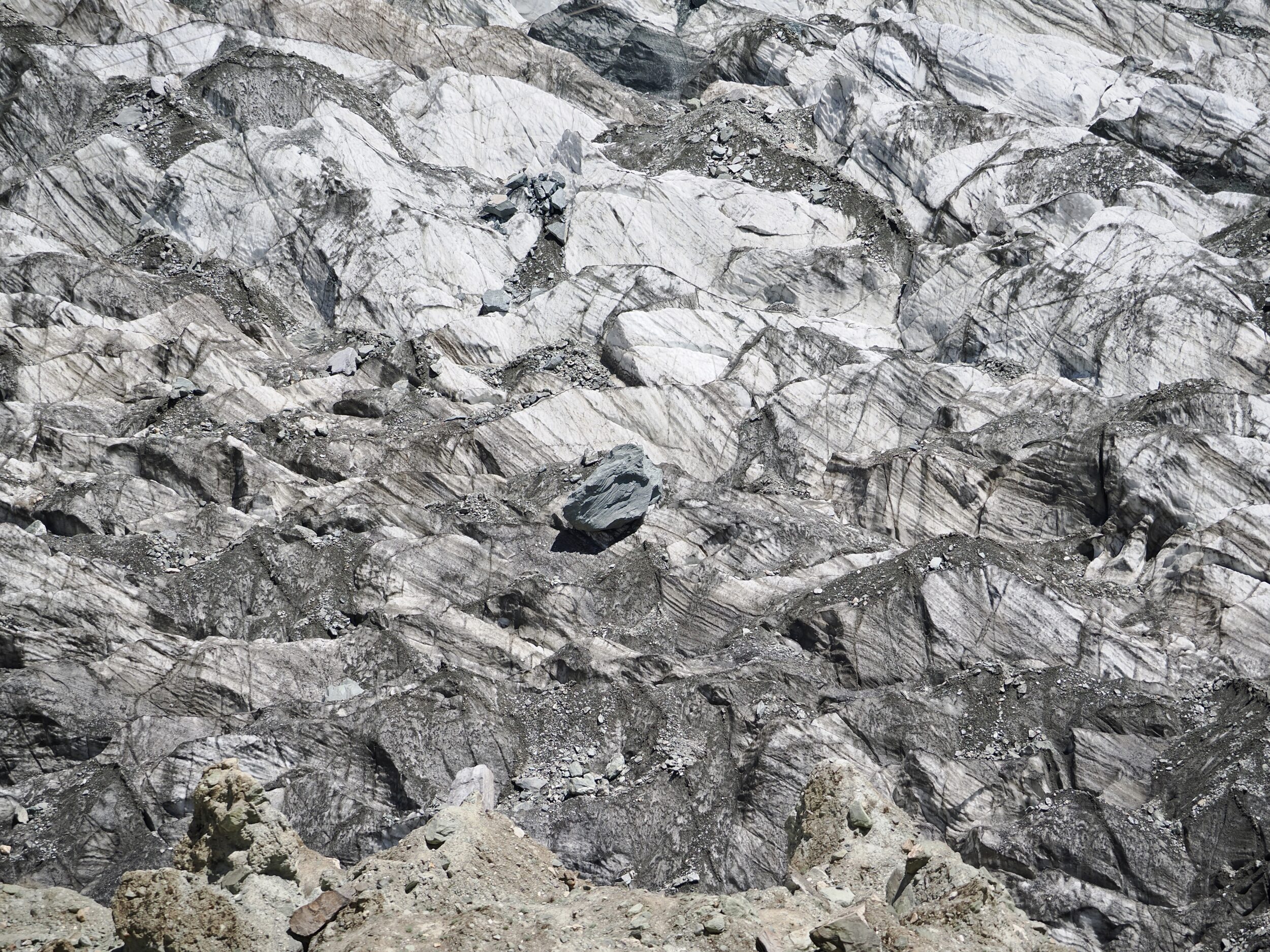
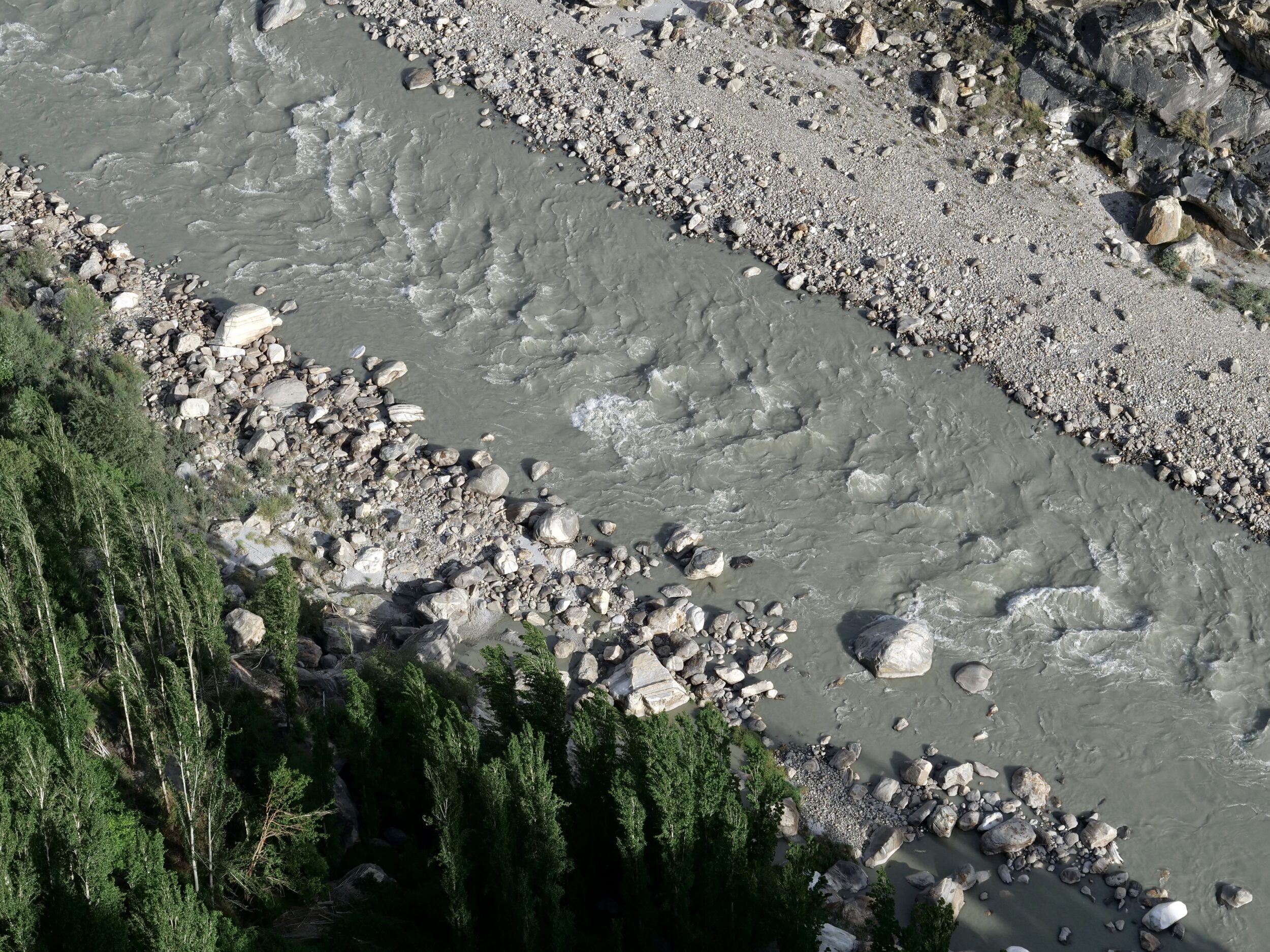
Looking down (#40 in series: on one of the darkest & fastest of its kind)


The featured image was not shot in monochrome.

Its colour palette is accurate; if my camera had looked straight up rather than almost straight down, the image would have largely been blue, flecked with white and grey.

I took the photo in a “remote” part of northern Pakistan’s Gilgit-Baltistan province in May 2024.

What appears to be a rock is a rock; I have no idea of its mass, but am sure it would weigh at least several tonnes.

In the context of the relevant valley, however, that rock is a speck!

Leave a Comment

Signage & Signification (#9 in series: after “an exertion of fraternal aid”)


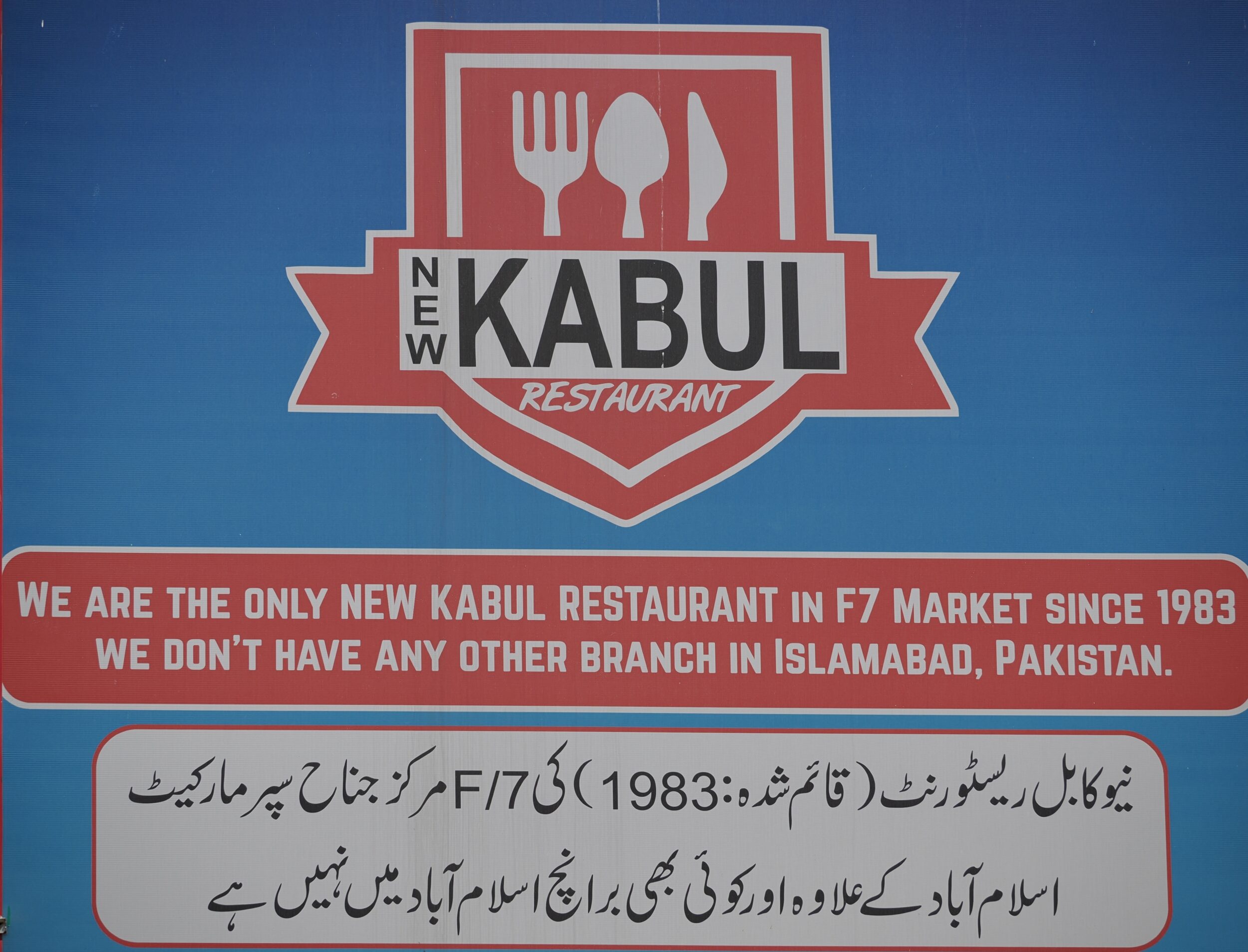
On 14 May 2024 we enjoyed an unforgettably delicious meal at an Afghan restaurant in Pakistan’s capital city.

You are looking at the sign in front of it, in Islamabad.

Sometimes a sign “tells” an already well-informed viewer something significant that is not stated directly.

Consider the establishment’s opening date.

Comments closed

Signage & Signification (#8 in series: even more unappetising, in “translation”)

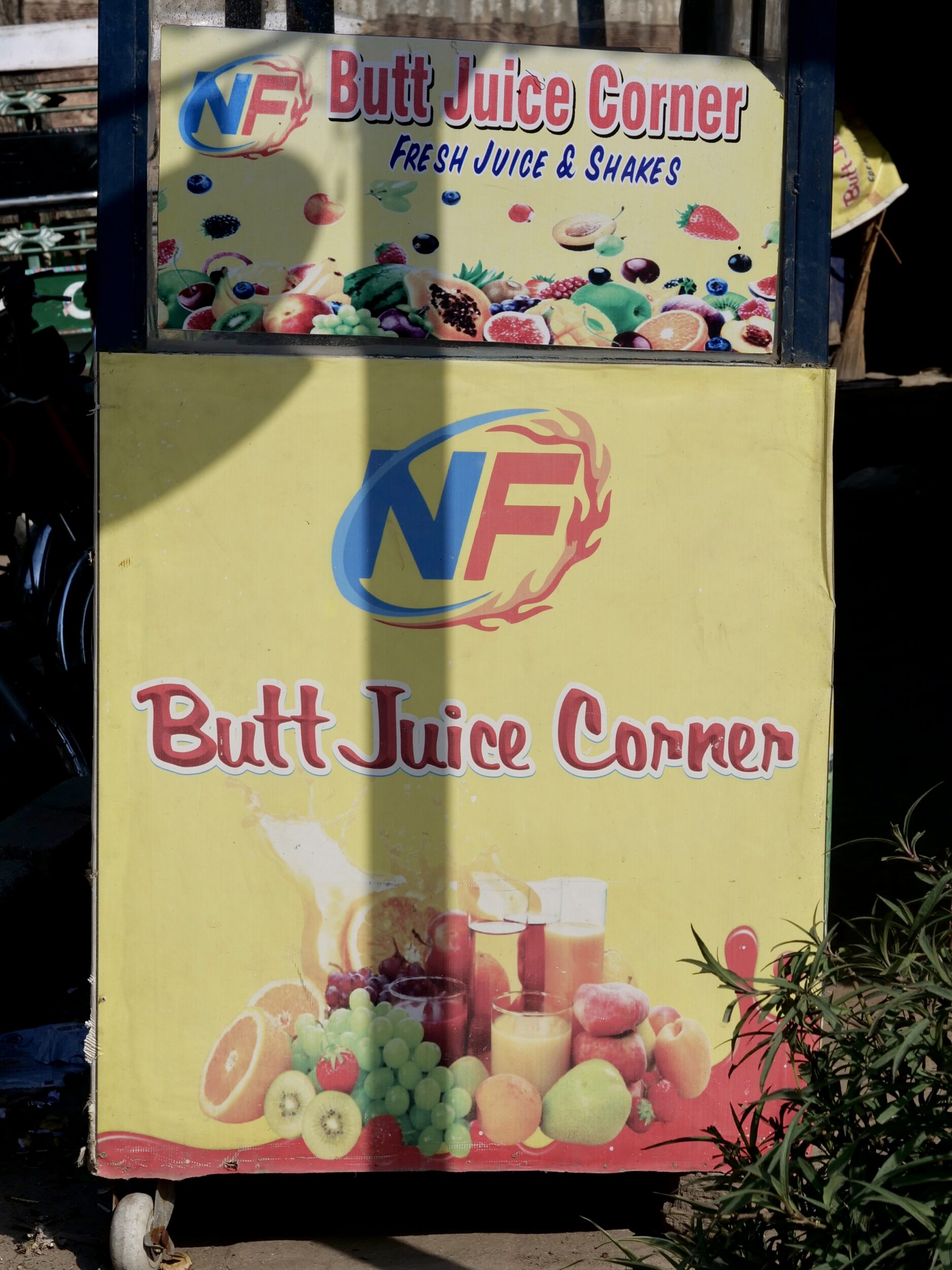
A surprisingly large number of Pakistani citizens have a good grasp of English; we enjoyed more than a few mutually-intelligible and rewarding conversations with complete strangers during our visit in 2024

Presumably, the proprietor of the pictured fruit juice stand does not have such a grasp!

Comments closed

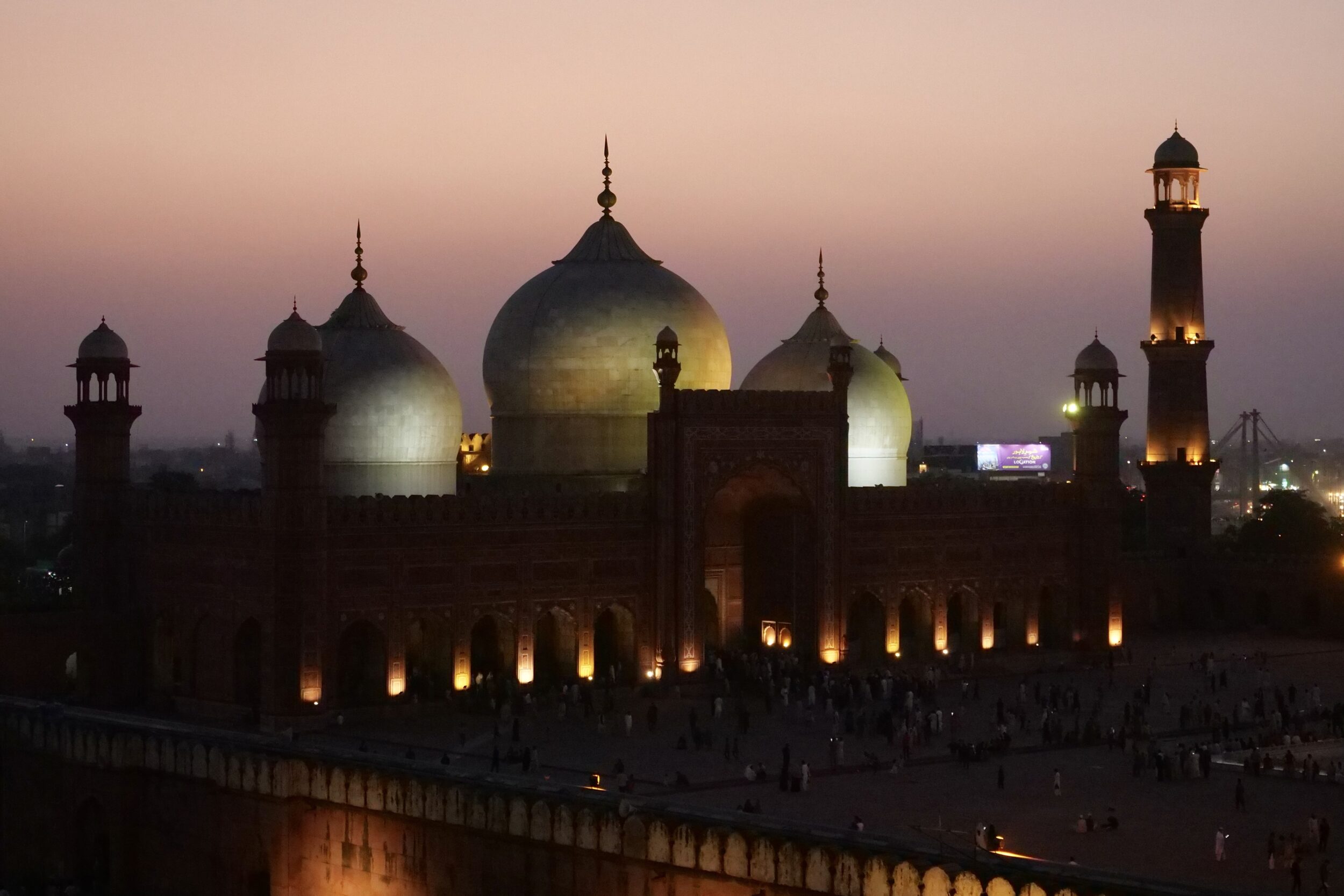
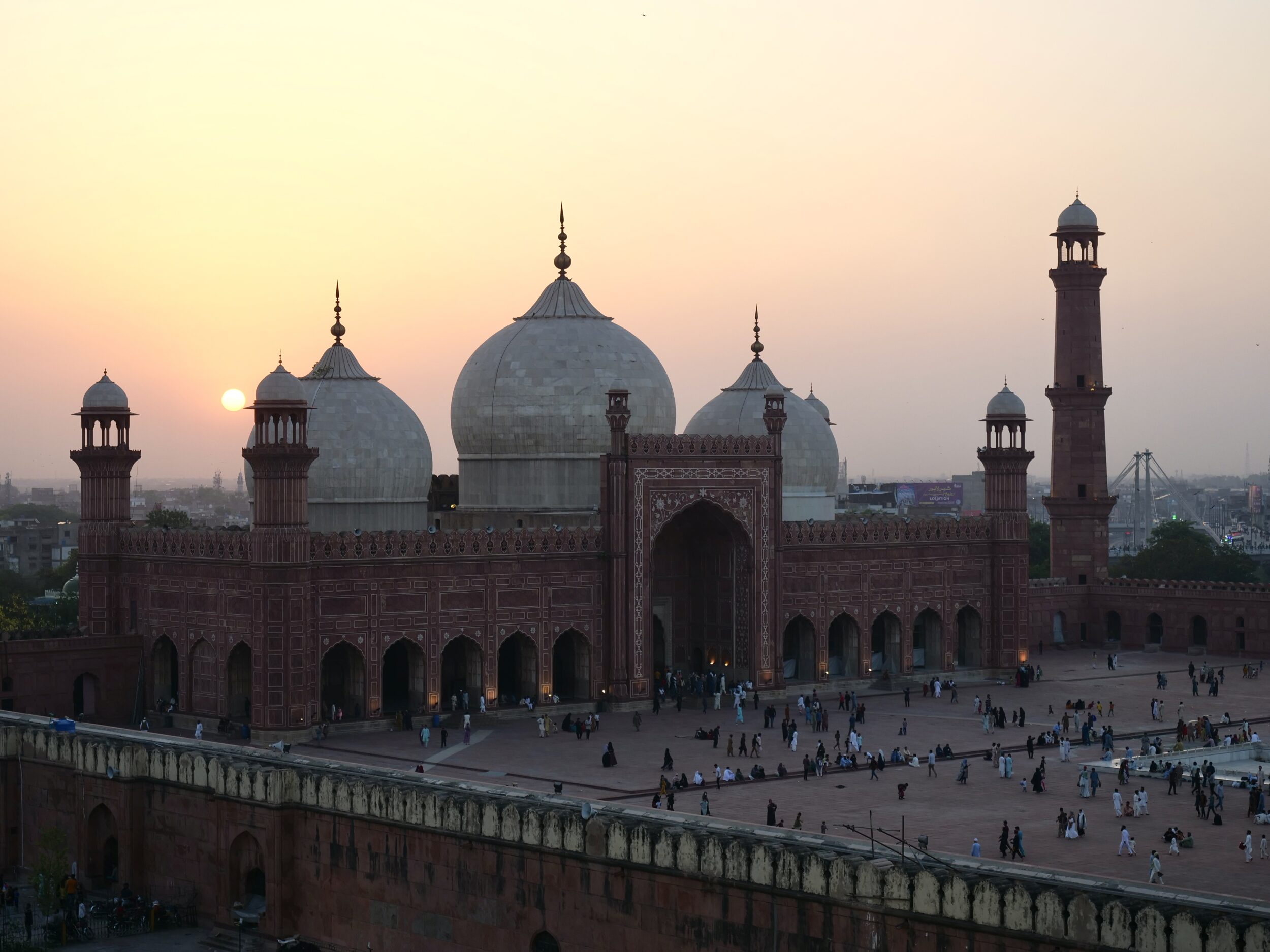
“Old city, Lahore”, (#36 in series: Badshahi Mosque “3”)


Following its completion in 1673, Lahore’s Badshahi Mosque remained the world’s biggest mosque/masjid for nearly three centuries.

Size-wise, it is now #3 in Pakistan.

Globally, it sits at the lower end of the “top 20”, or has recently lost that status.

Aesthetically, however, Badshahi Mosque is forever unlikely to have more than a very few peers.

Comments closed

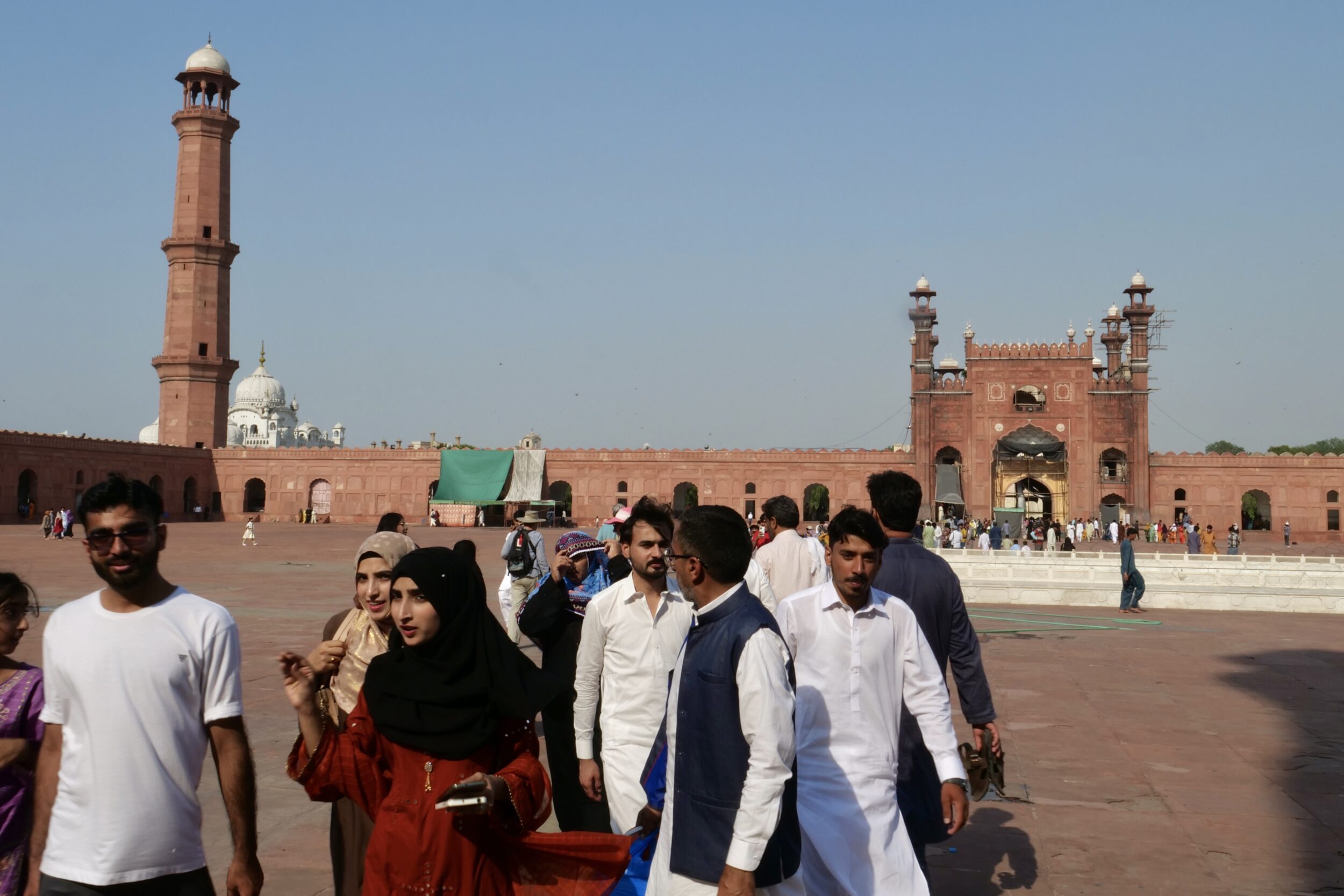
“Old city”, Lahore (#35 in series: Badshahi Mosque “2”)


The featured image (immediately above) was taken at 3.47 pm on 12 May 2024; the main building was behind me, as I looked east-ish, across part of Badshahi Mosque’s courtyard.

That paved courtyard’s 25,600 square metres account for most of the mosque’s “footprint”.

Lahore Fort and Badshahi Mosque are almost adjacent.

Their main gates face each other, respectively, from the eastern and western sides of the Hazuri Bagh – a formerly-“royal” garden which is now a well-loved “public” space.

Comments closed

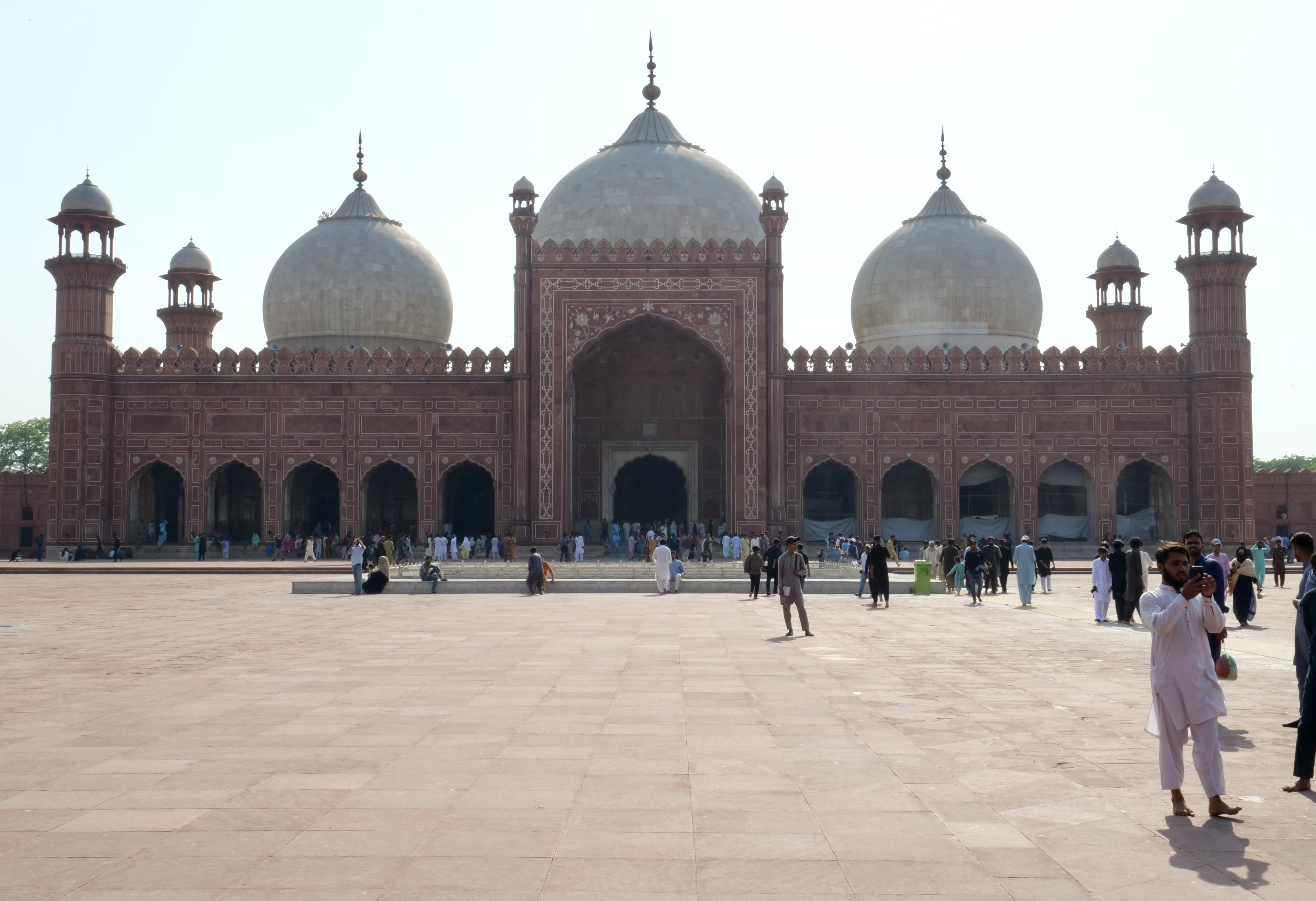
“Old city”, Lahore (#34 in series: Badshahi Mosque “1”)


You are looking at Pakistan’s most “emblematic” building.

At the time of its astonishingly swift construction, Lahore’s Badshahi Mosque (“Badshahi Masjid”, to locals) was the world’s largest mosque/masjid.

Construction began in 1671.

It opened two years later.

342 years on, the Mughal Empire’s final large-scale architectural marvel still inspires awe.

Its main building – pictured above – is the key visual presence on every Pakistan 500 rupee banknote.

Comments closed

“Old city”, Lahore (#33 in series: Sheesh Mahal details…& the reason it exists)


Lahore Fort’s Sheesh Mahal and Agra’s Taj Mahal were both commissioned by the same Mughal emperor.

Each expressed – mostly, in white marble –  his abiding love for his favourite wife.

Shah Jahan (1592-1666) had three wives, but only one marriage was a “love match”.

He renamed his beloved, “Mumtaz Mahal” – “the exalted one of the palace”.

Allegedly, Mumtaz Mahal had a dream/vision of heaven; the Sheesh Mahal was her husband’s attempt to make that dream “real”.

Comments closed

“Old city”, Lahore (#32 in series: carved marble screens, Sheesh Mahal)


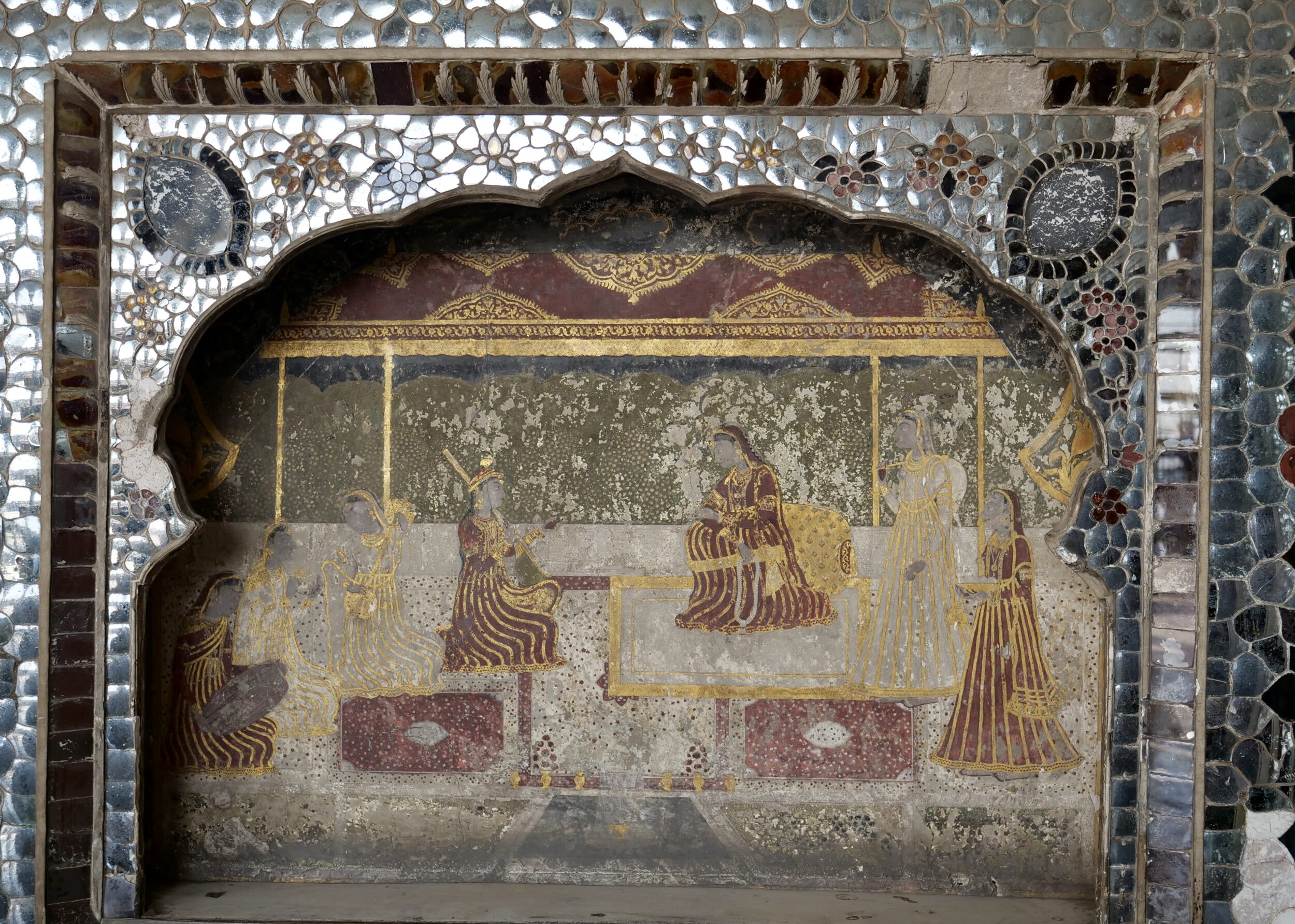
The highly elaborate “mirror work” decorations on its walls and ceilings are the signature feature of the Sheesh Mahal.

Much less “showy”, but at least as beautiful, are the carved marble screens on its northern side.

As well as being lovely to look at – and to look through – these screens are very “practical”.

Comments closed

“Old city”, Lahore (#31 in series: “palace of mirrors”)


Popularly known as “the palace of mirrors”, the Sheesh Mahal is the most opulent of Lahore Fort’s “notable monuments”.

It sits directly above the summer palace, in Lahore Fort’s northwestern corner.

The Sheesh Mahal’s glittering splendour is only visible from within what was originally a very “restricted” section of Lahore Fort.

This ornate pavilion/palace was constructed in the 17th century CE, for the exclusive use/pleasure of the imperial family. (plus their invited guests and closest aides)

Comments closed