Skip to content →

Category: Americas and Eurasia and Africa

Morocco & Andalucia: “characteristic” (altitude & climate “2”)


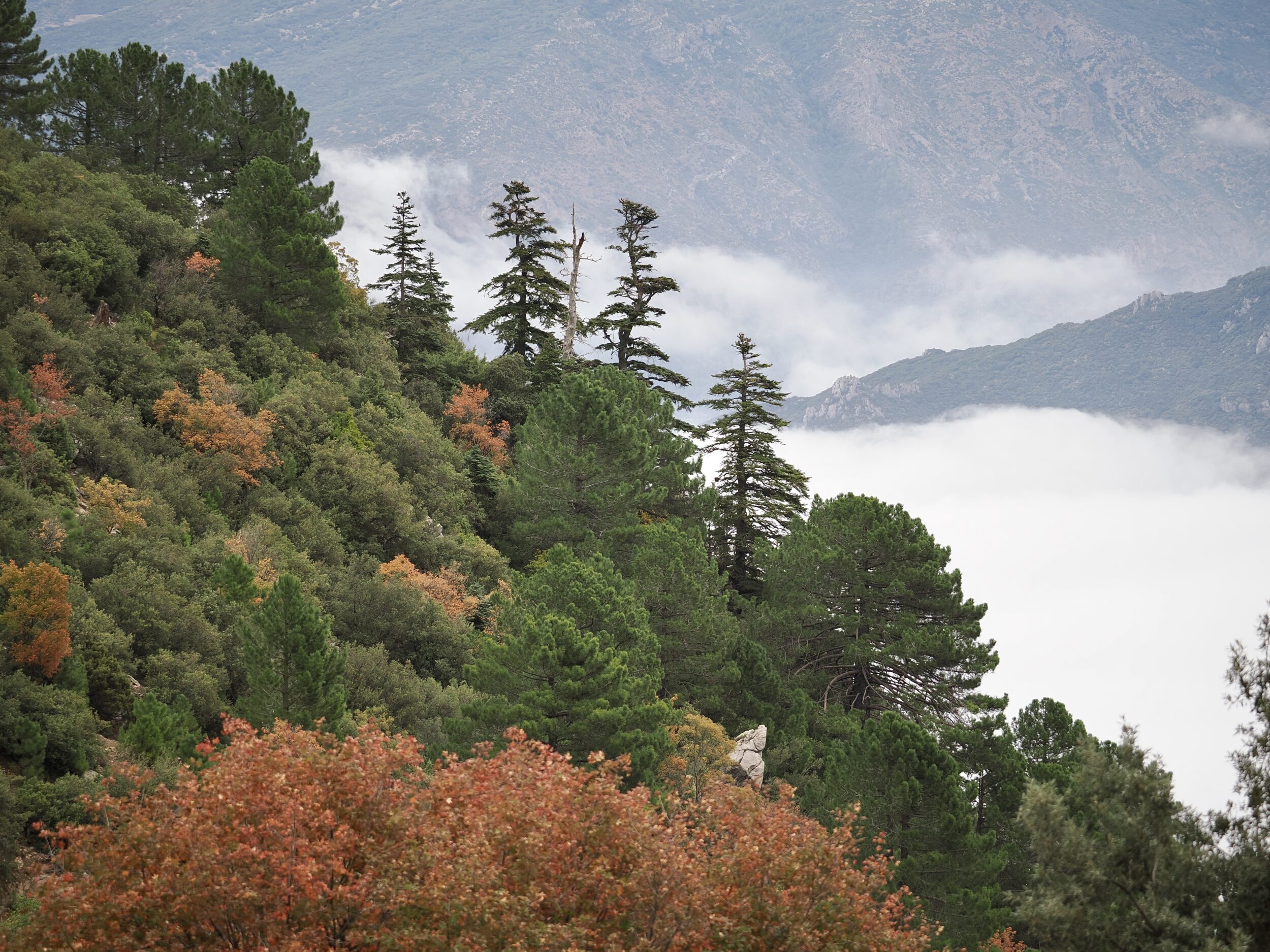
The pictured location is not in the Atlas Mountains, but is in Morocco.

Morocco’s northernmost mountain range rises to 2,456 metres above sea level – a deal more modest than the Atlas, but still 228 metres higher than the Australian continent’s high point.

The Rif Mountains’ western end is very much wetter than is any other part of Morocco.

In most winters the Rif’s upper slopes are probably the nation’s snowiest; at any time of year they offer dramatic vistas and some beautiful (albeit threatened/remnant) forests.

The Rif is “very Moroccan”, but its wetter, higher parts do not at all resemble most visitors’ preconceptions of what Morocco “should” look like.

Comments closed
Morocco & Andalucia: “characteristic” (# 7 in series: altitude & climate “1”)

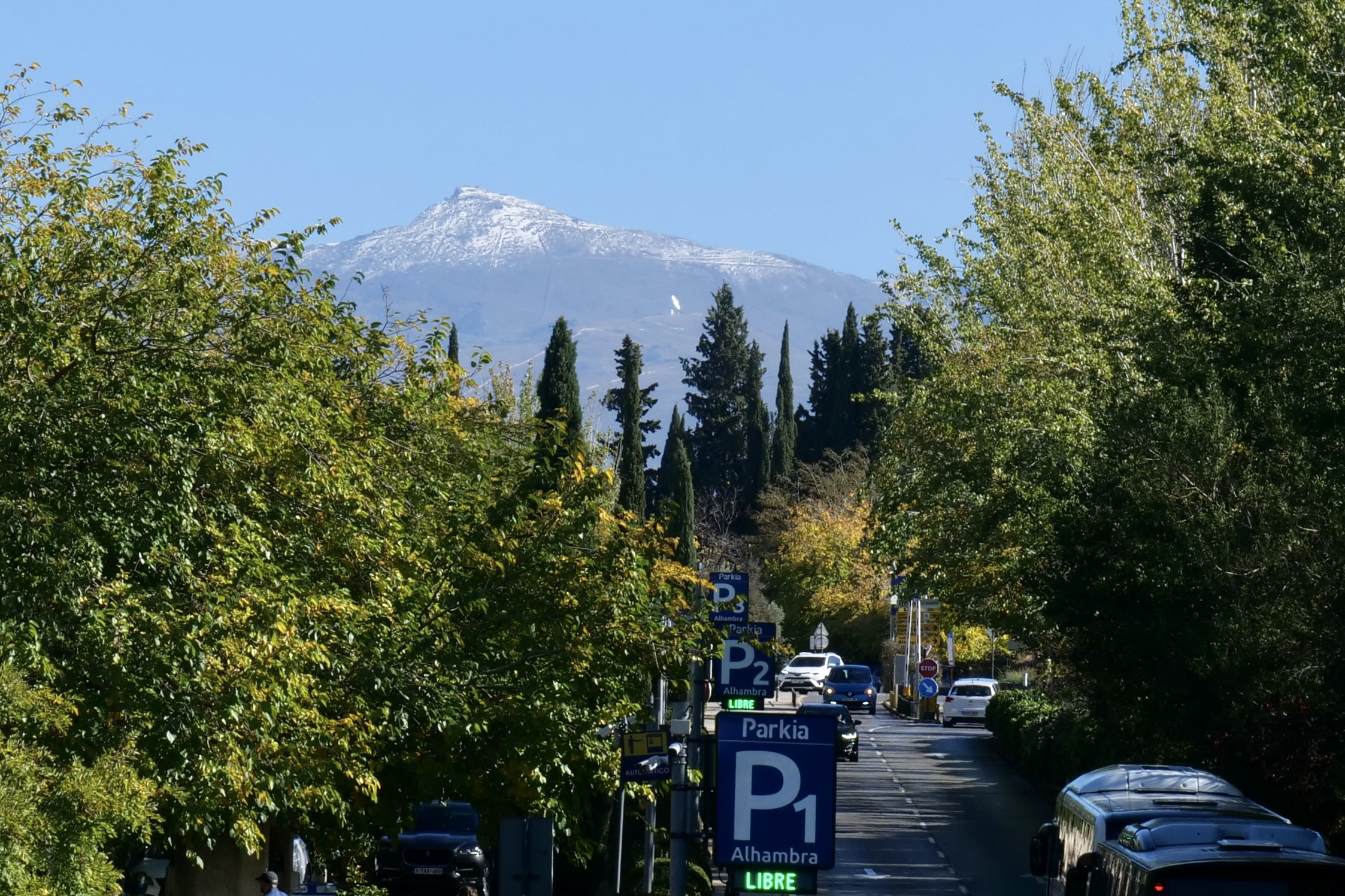
I took the photo in Granada, Andalucia, on the afternoon of 03 November 2025.

My vantage point was near the “main gate” to Spain’s #1 tourist attraction.

The urban ground on which I stood was probably just a little higher than is the highest point in “The Adelaide Hills”; Mt Lofty Summit  is 710 metres above sea level.

As a child, I regarded Mt Lofty as a “mountain”; for my first seven years it was the loftiest peak I had ever seen…or reached.

Pictured with a recent “dusting” of autumn snow, the high point in this post’s photo is Veleta.

Veleta’s summit is a very few metres shy of 3,400 metres; it is the Sierra Nevada’s second highest peak, and the entire Iberian Peninsula’s third highest point.

Spain is a much “higher” nation than most Australians imagine!

Comments closed

Morocco & Andalucia: “characteristic” (#6 in series: delicious pig)


This post’s “characteristic” is not shared with Morocco.

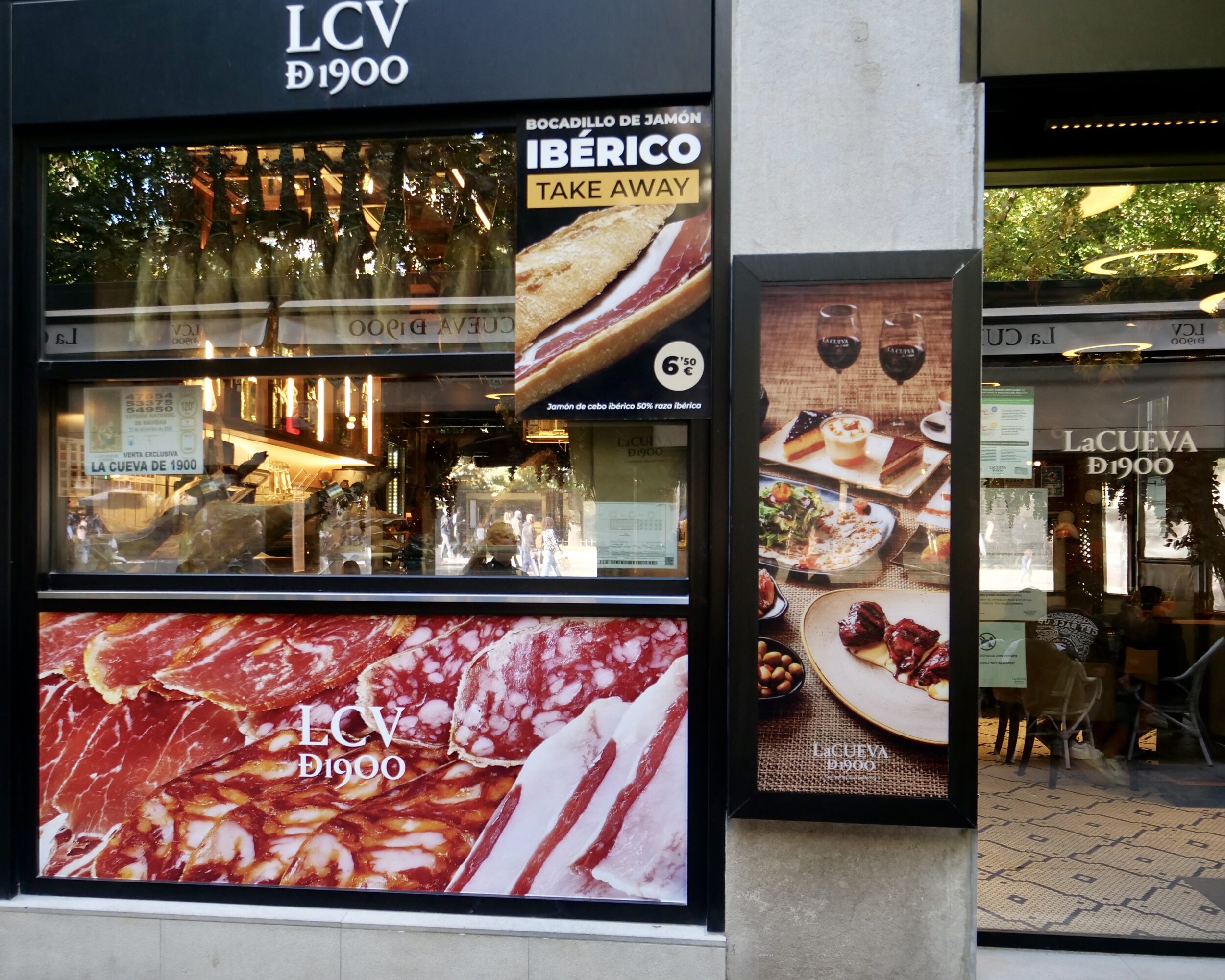
More than two thousand years ago Roman invaders enthused about the particular excellence of Iberian pork, most especially that from black pigs which ate acorns.

In 2025 Spain is almost certainly the world’s most “porkophiliac” nation.

For visitors who like to eat pigs, Spain is an unbeatable destination.

Q: What do the finest air-cured hams I have ever eaten, the best woodfired pork I have ever tasted and the most delicious slow-cooked pork dish I have ever encountered have in common?

A: All were eaten in Spain.

Sheer excellence is not the only reason that – via la Reconquista –  pork came to reign in the cuisine of Spain.

The Spanish Inquisition also played a key role!

Comments closed

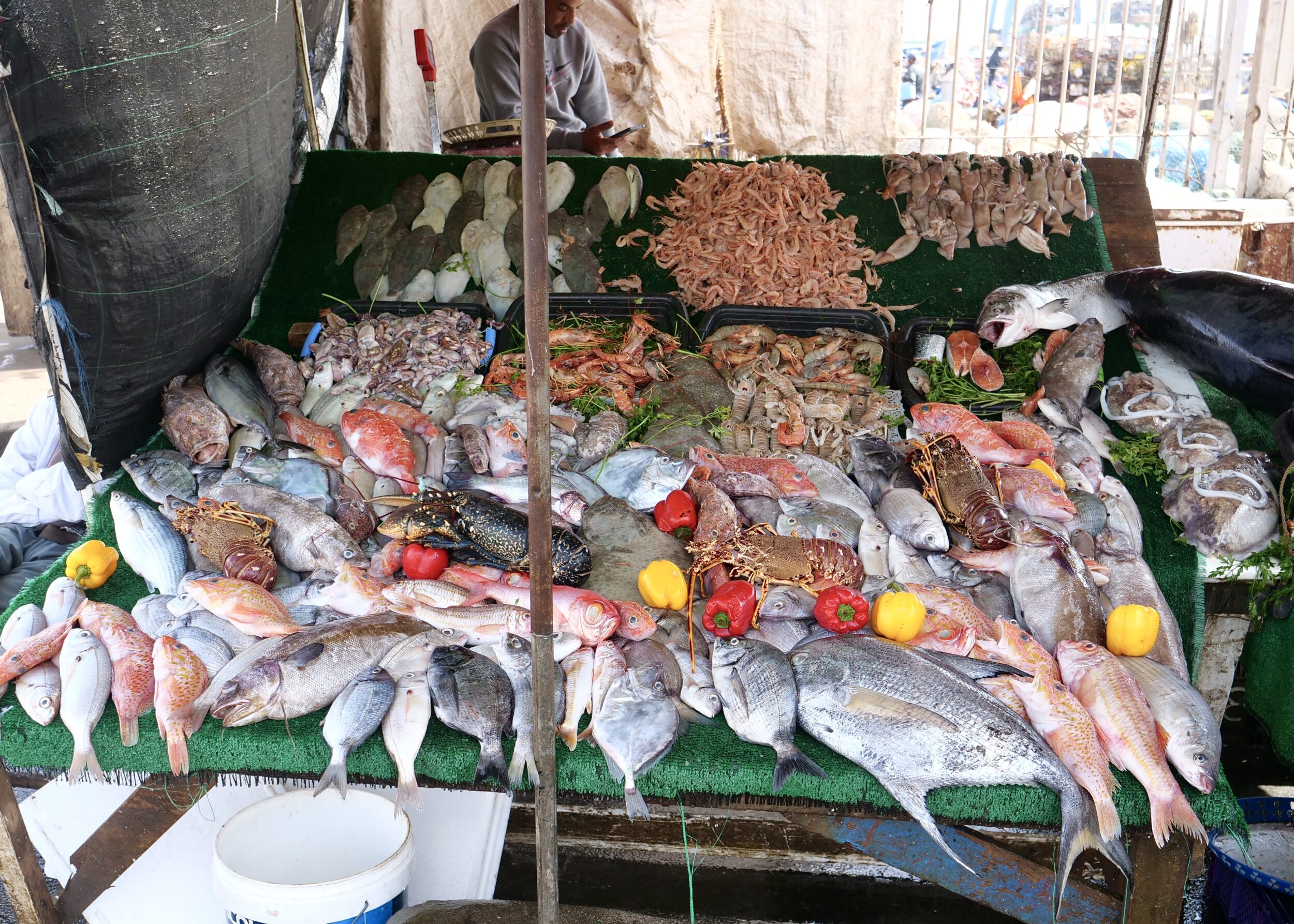
Morocco & Andalucia: “characteristic” (#5 in series: delicious fish & shellfish)


Our October/November 2025 travels confirmed that something we already “knew” – from previous experience – still held true: Spain is a wonderful destination if you love to eat fresh seafood.

We also learned something we did not already know: that Morocco is similarly wonderful in this respect.

Both nations’ “catch” is richly varied, and both lands have many citizens who really know how to “plate it up”.

In Morocco that is most especially true of places on or near to its western (Atlantic) shores.

Such a place is the historic, long-fortified, port city of Essaouira.

I took this post’s photo there on 17 October, shortly after a teeth-squeakingly-fresh seafood lunch.

Comments closed

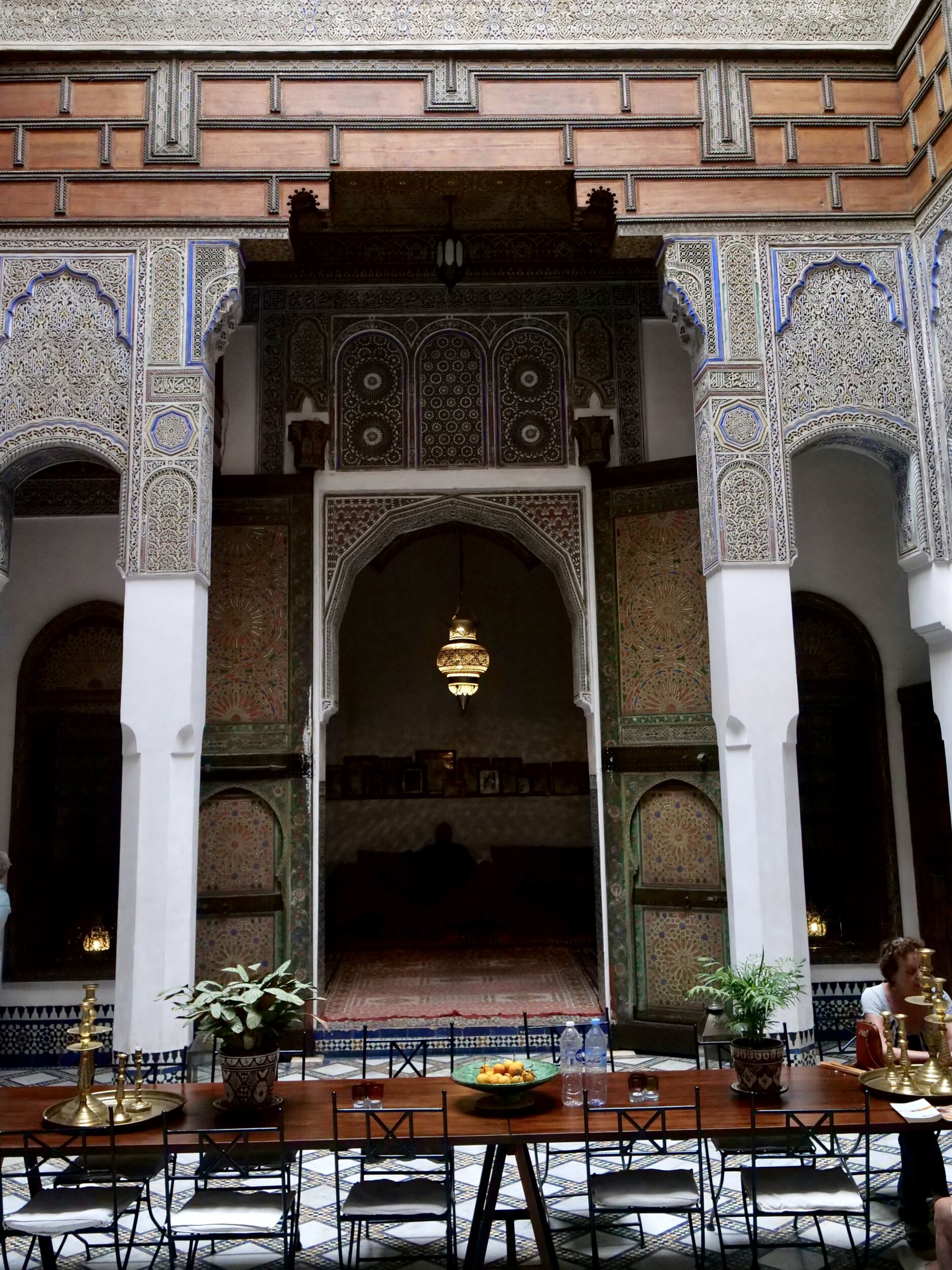
Morocco & Andalucia: “characteristic” (#4 in series: inward-looking “2” – Fez)


The Arabic word which is transliterated into English as “riad” or “riyadh” originally signified a garden or courtyard/ enclosed garden/patio of the formal, Islamic, so-called “paradise garden” type.

In current common usage “riad” (in Morocco, especially) is the word for a house/guesthouse/building in which its heart is such an open-aired but otherwise fully enclosed patio/courtyard.

Most such riads were originally the houses of wealthy merchants, built within the walls of a city’s “medina” – what is now its “old”/“walled” city.

The pictured example is surely one of the most exquisite.

Comments closed

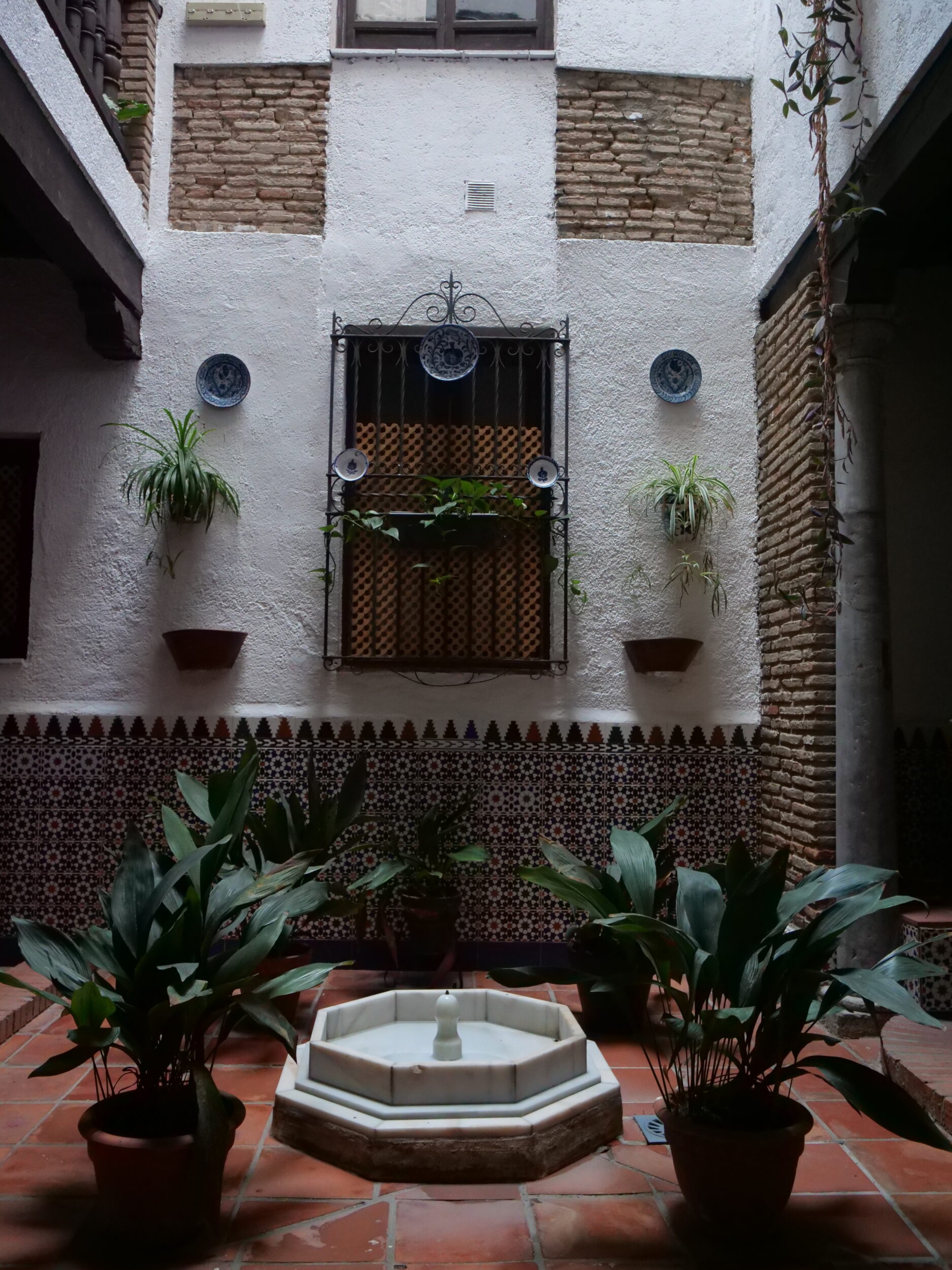
Morocco & Andalucia: “characteristic” (#3 in series: inward-looking “1” – Granada)


In much of Spain and Morocco it is very hot for a deal of the year.

This, in large part, explains why many wealthy persons’ houses traditionally had few external windows, very small ones, or absolutely none.

Many such houses had very thick walls, with “surprisingly” plain exterior surfaces.

These houses look in, not out.

Their rooms face a well-shaded courtyard.

Invariably, that courtyard has plants and a water feature; usually, it includes various, oft-beautiful decorative elements. The decorations may be very spare, or highly intricate/elaborate.

The pictured example is in Granada, Spain,

Comments closed

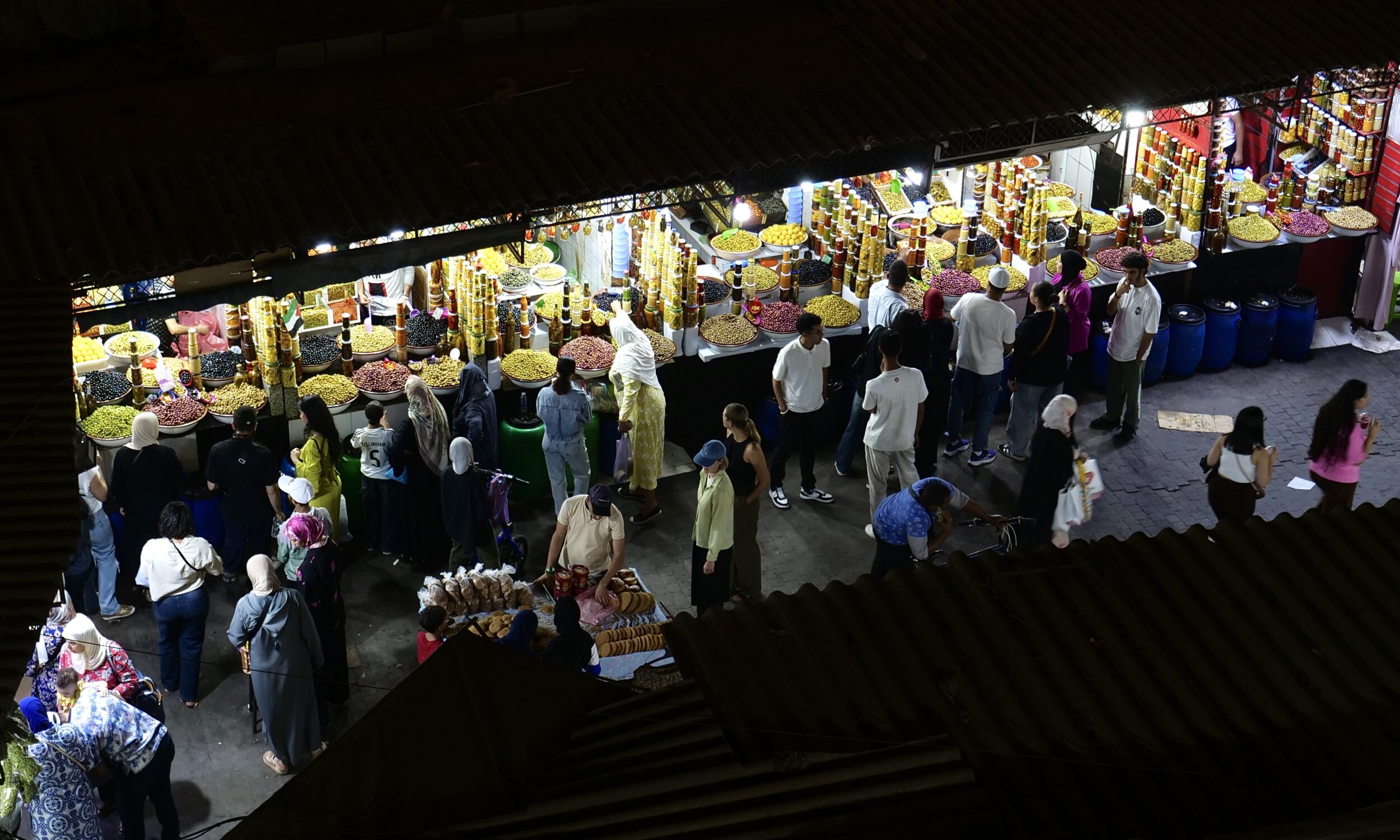
Morocco & Andalucia: “characteristic” (#2 in teaser series: olives, olives, olives…)


…in  southern Spain one can often look in all directions and see seemingly-endless numbers of olive trees, dominating the landscape.

It is very easy to accept the fact that Spain is the world’s #1 producer of olive oil!

Olive oil is central to much Spanish cuisine, including delicious dark chocolate which has no dairy content.

When it comes to eating table olives, however, Moroccans are the more avid consumers.

In both the wide variety on offer and the olives’ generally high quality, I think Morocco is  #1 for table olives, at least when one is in Morocco.

My photo looks down from a rooftop restaurant in Marrakech on the night of 19 October 2025.

Comments closed

Morocco & Andalucia: “characteristic” (#1 in teaser series)


We have just spent the second half of October in Morocco, and the first part of November in southern Spain.

This little single-image series highlights key aspects of those places.

We had expected/already knew of some of them.

Others surprised us.

This post’s photo covers both categories.

Comments closed

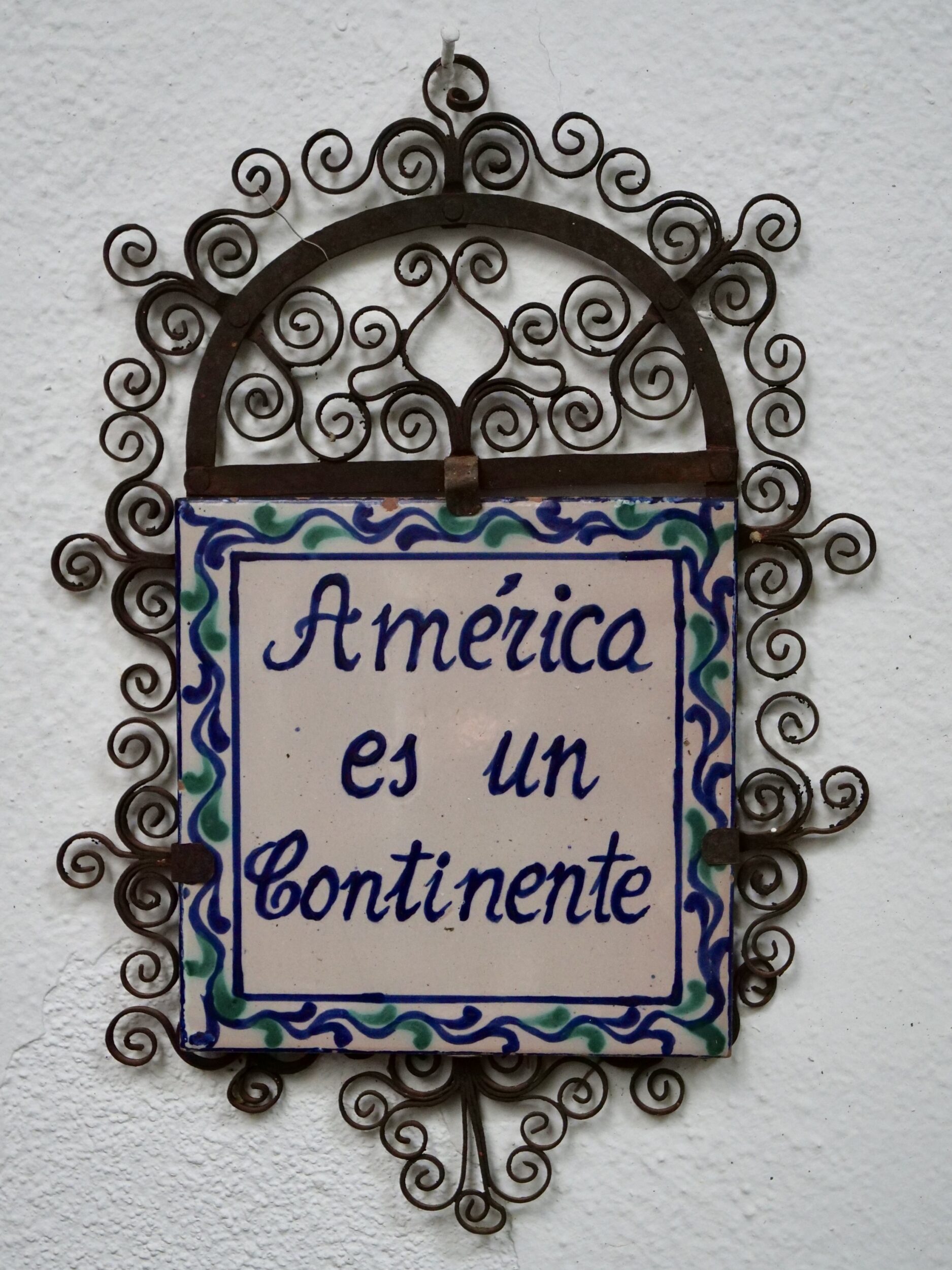
Signage & Signification (final in series: a Spanish hotel’s pointed reminder to guests from the USA)


Actually, two continents comprise most of the Americas, but the Spanish hotelier’s point is well-made.

I suspect that few guests from the USA even notice the “writing on the hotel lobby wall”,  let alone grasp its message.

This hotel has a most “unlikely” name, given its quintessentially Andalusian location.

The Hotel America has 17 rooms and a (good) courtyard restaurant which serves homestyle Granadan food.

Comments closed

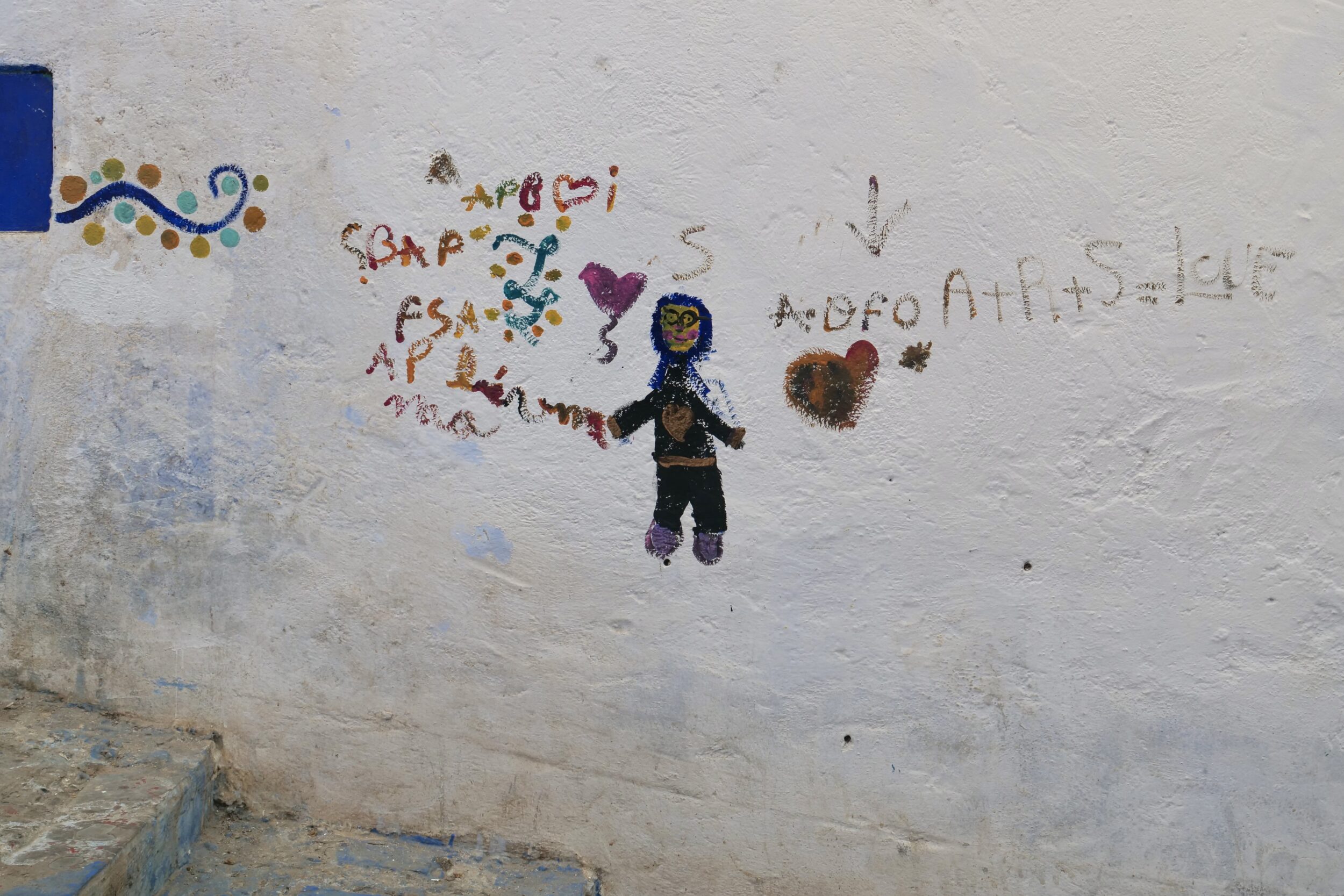
Signage & Signification (#12 in series: Moroccan graffiti/street art)

To a local resident, the meaning was probably perfectly clear.

To these visitors to Chefchaouen (Morocco’s famously “blue” city) it was a mystery, but we enjoyed looking at the pictured wall, which is on one of the city’s many narrow, cobbled, very steep streets and laneways.

Comments closed