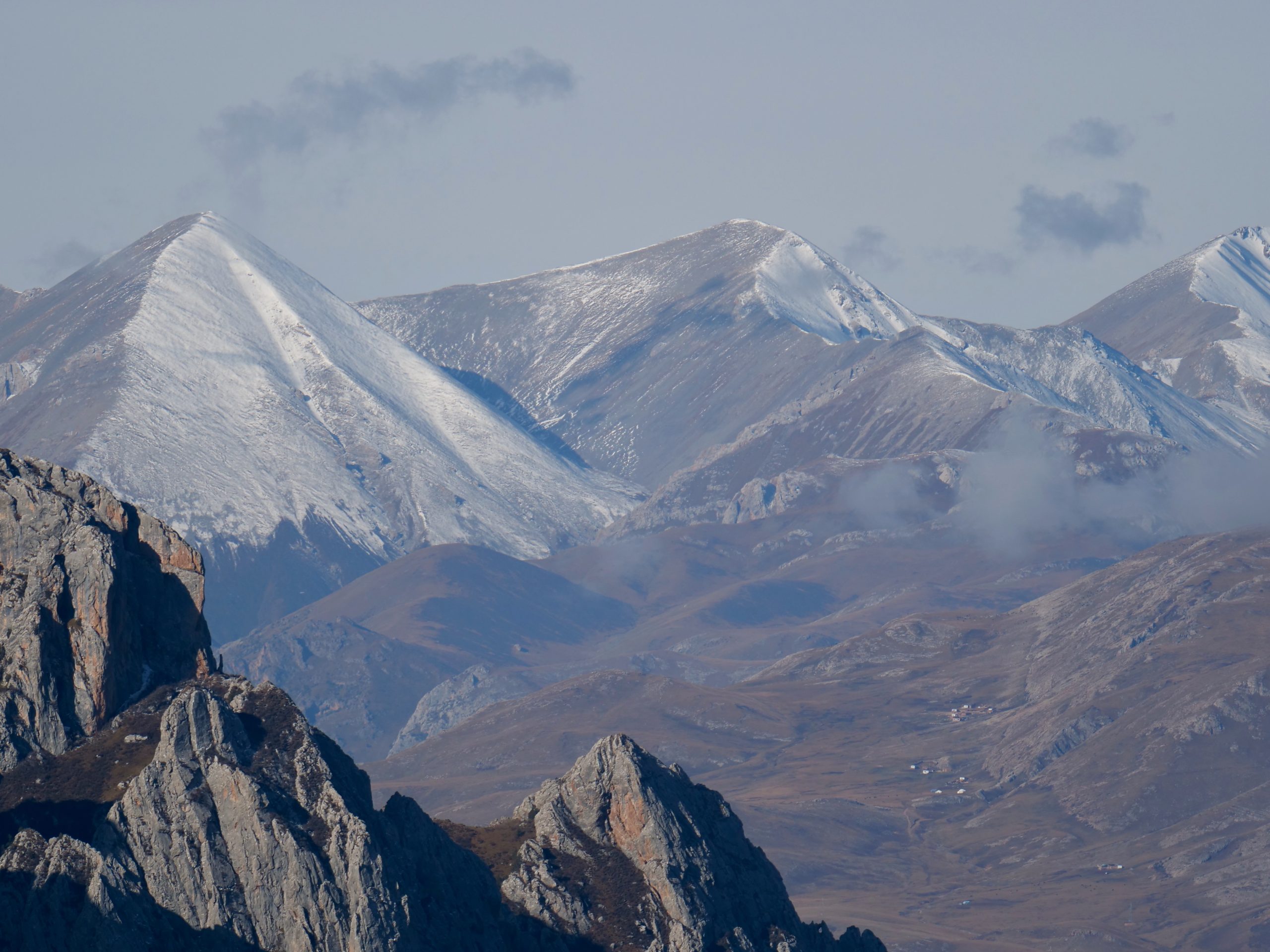
Pyramid-like peaks are one of the signature features of the mountain ranges that punctuate the Tibetan Plateau.
Comments closedCategory: Americas and Eurasia and Africa
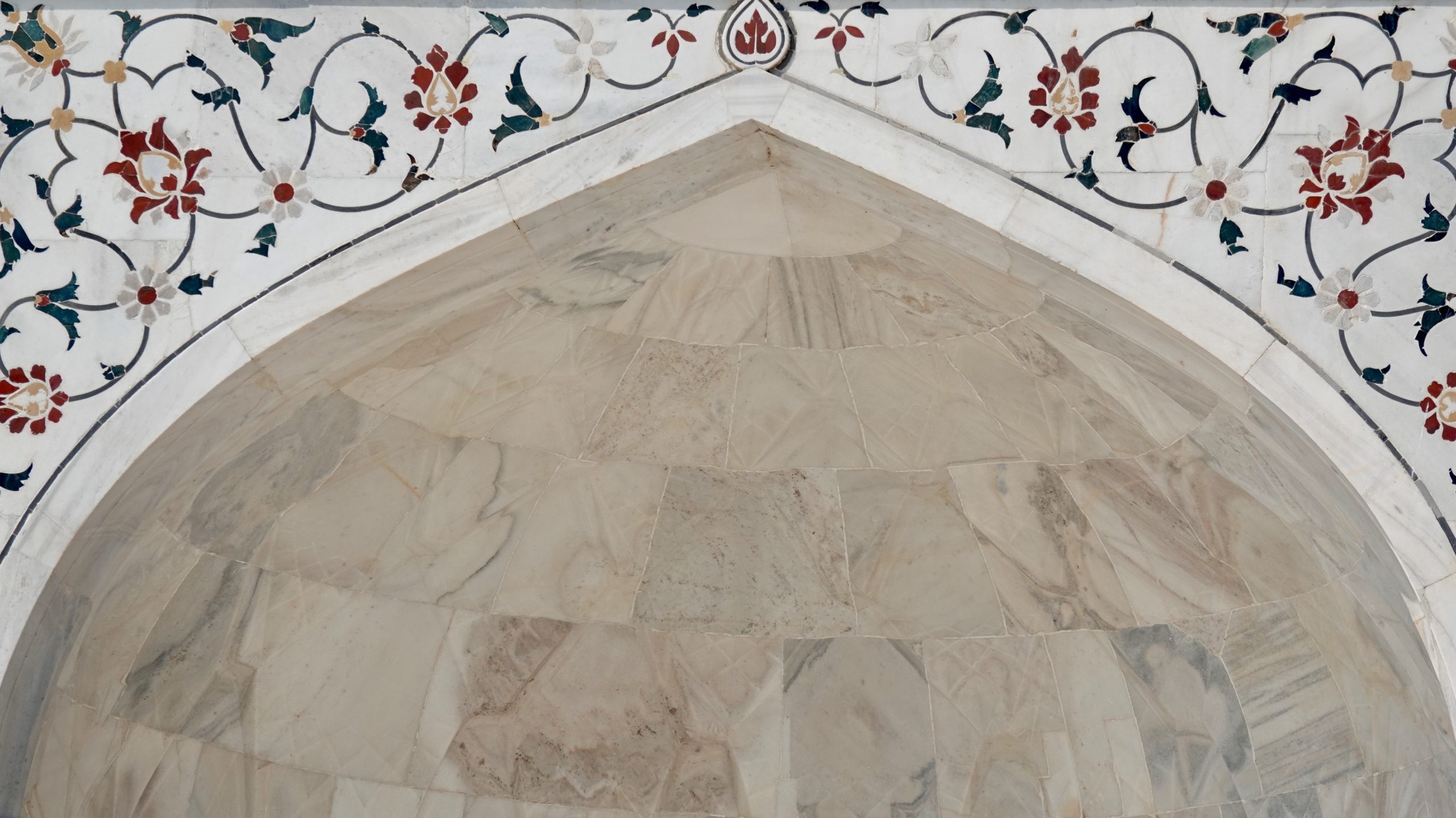
…with suitably sublime music.
One Comment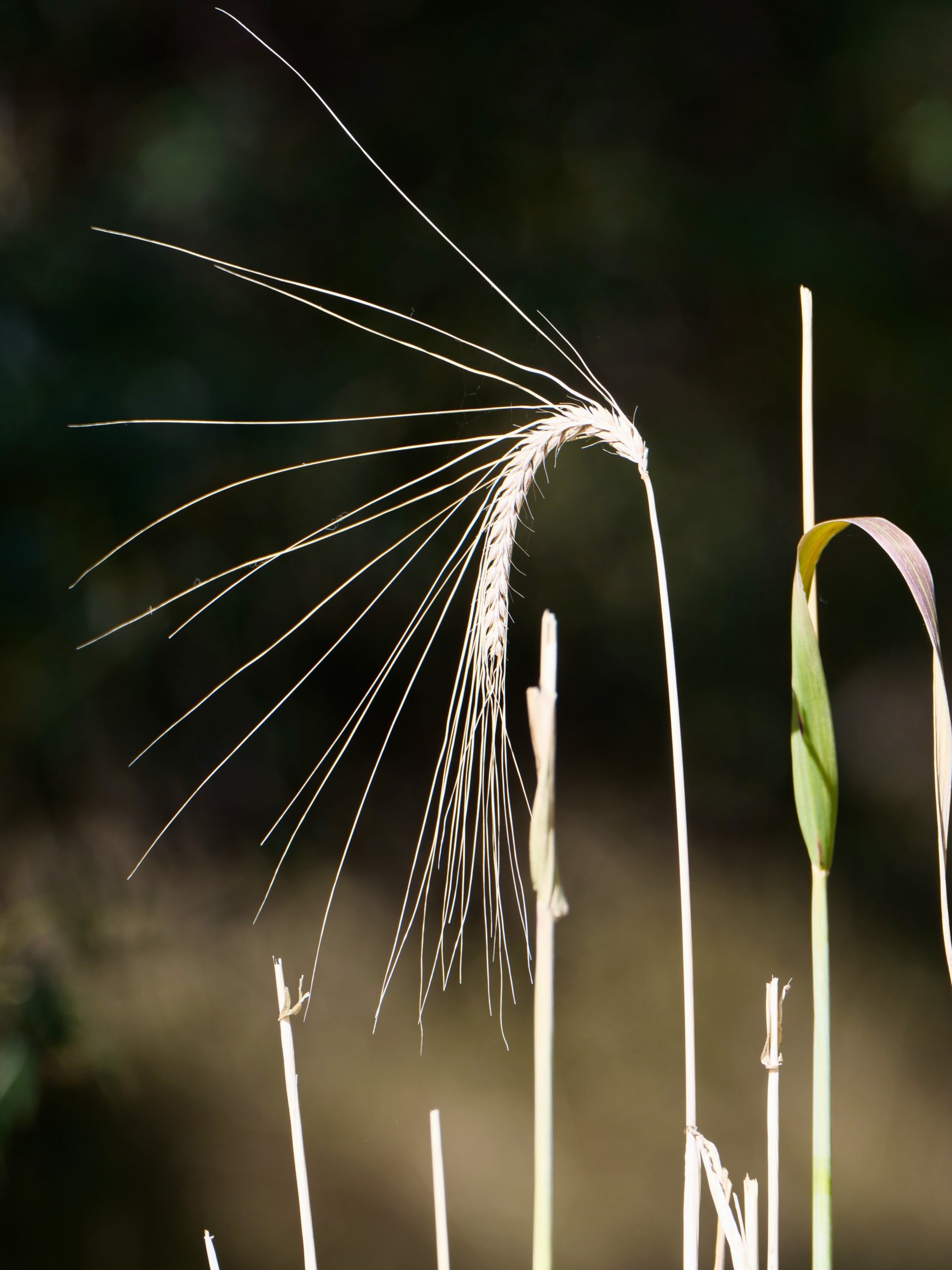
This wild wheat is growing in a depression.
However, its “lowland” home is on the Tibetan Plateau, so this grain is nonetheless unusually high grown – over 3,000 metres above sea level.
Comments closed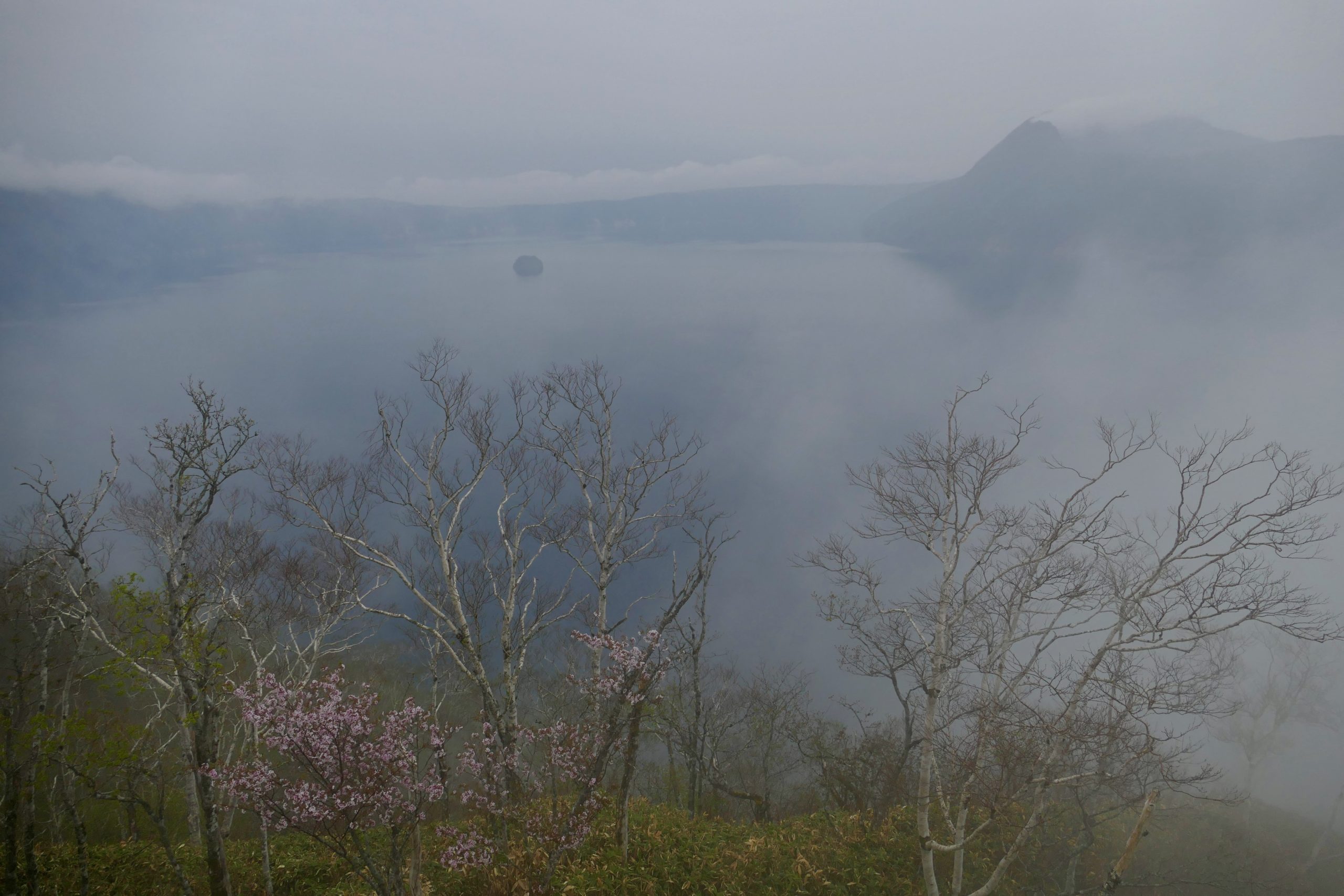
The photo shows Lake Mashū in eastern Hokkaido, late on the misty Spring morning of 22 May 2017.
Complete with cherry blossoms, the scene was almost proverbially peaceful, serene, but…
Comments closed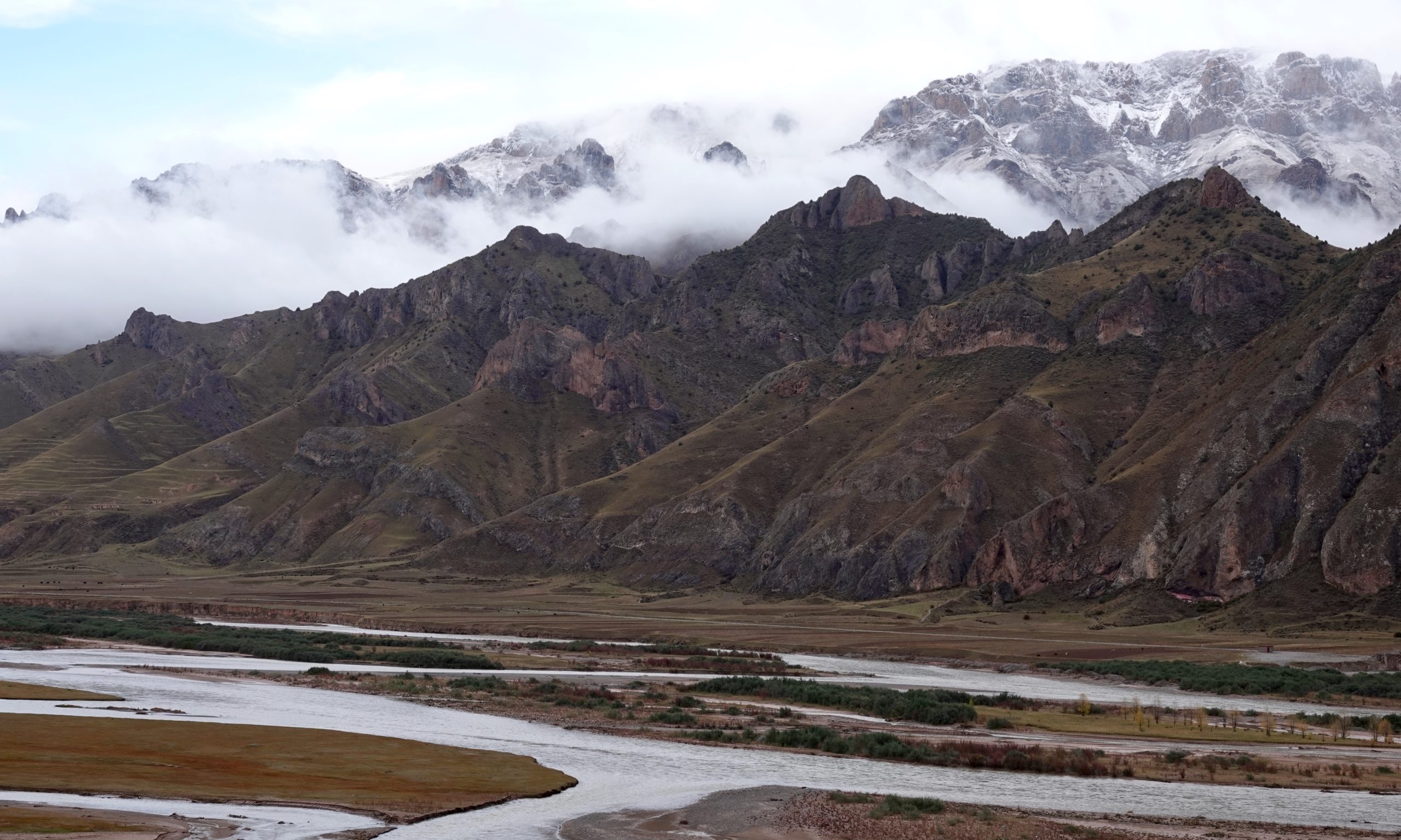
You have almost certainly seen more than a few images of this mighty river.
It is not unlikely that you have stood beside it, crossed it, or cruised along part of it.
Almost certainly, however, you have never seen even a photo of its upland section.
Comments closed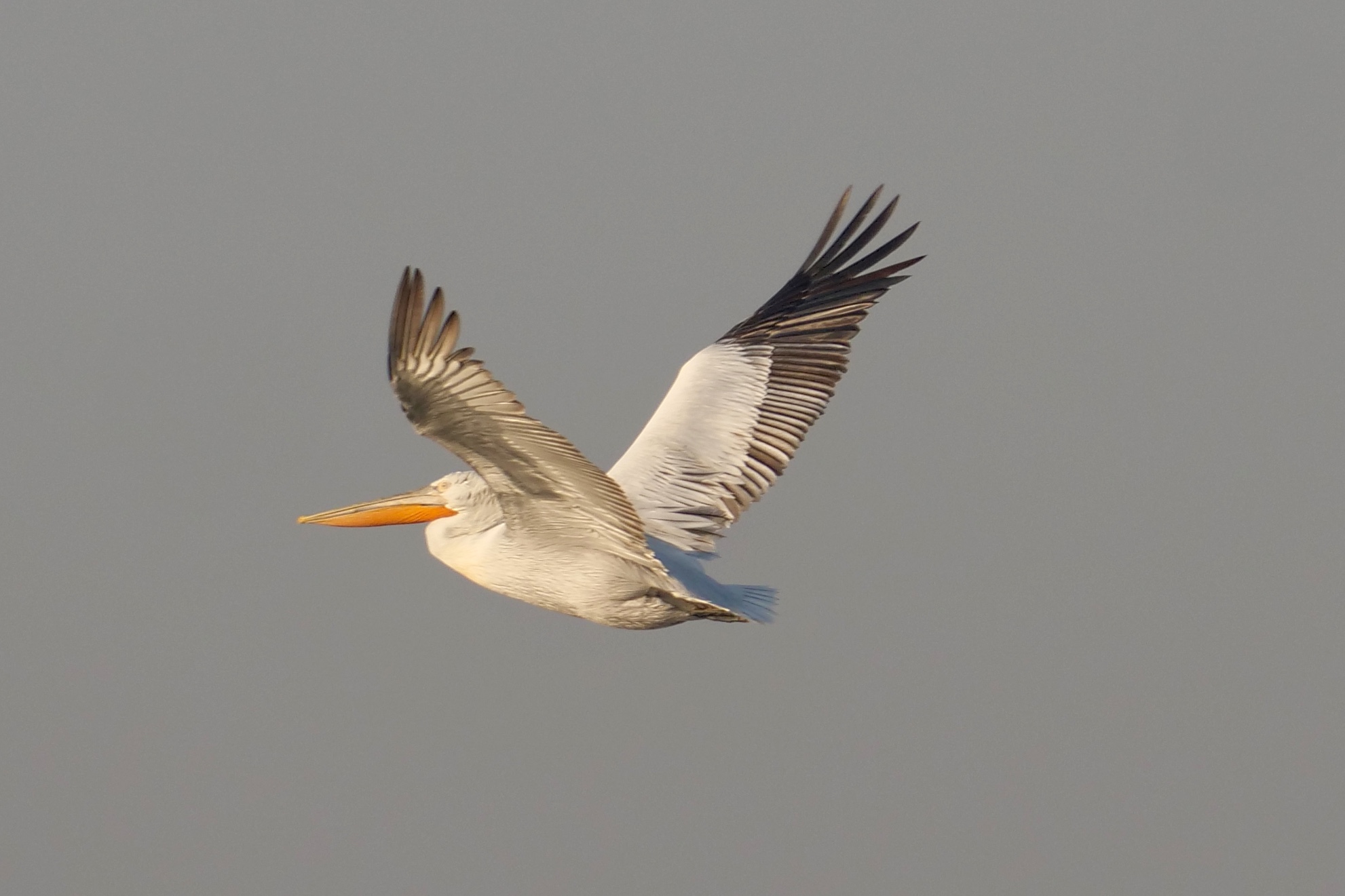
Pelecanus crispus – the Dalmatian Pelican – is one of several contenders for the “heavyweight title” among the world’s living, flying birds.
One Comment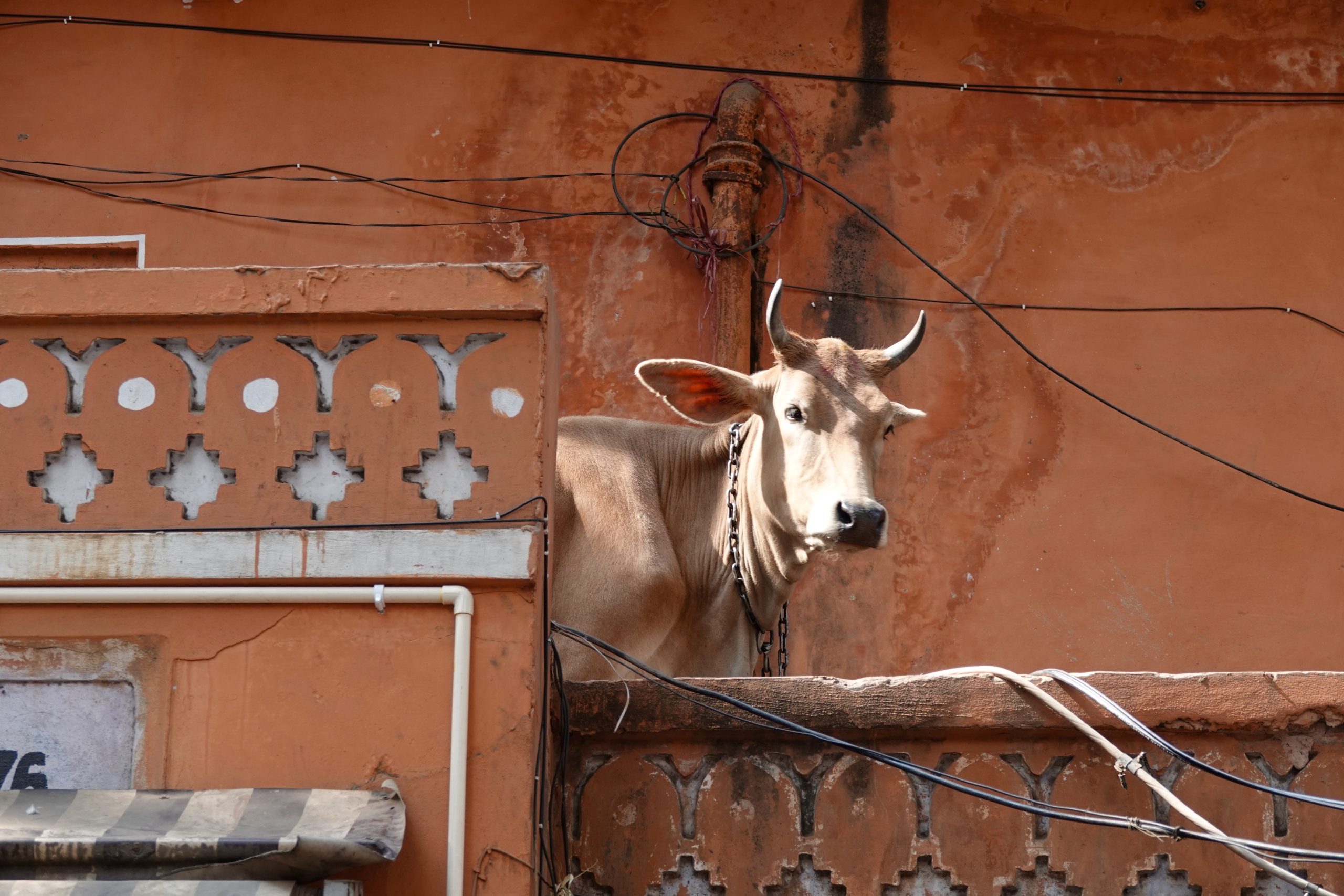
Guess which of this post’s two key species is in a position to look down on the other?
Comments closed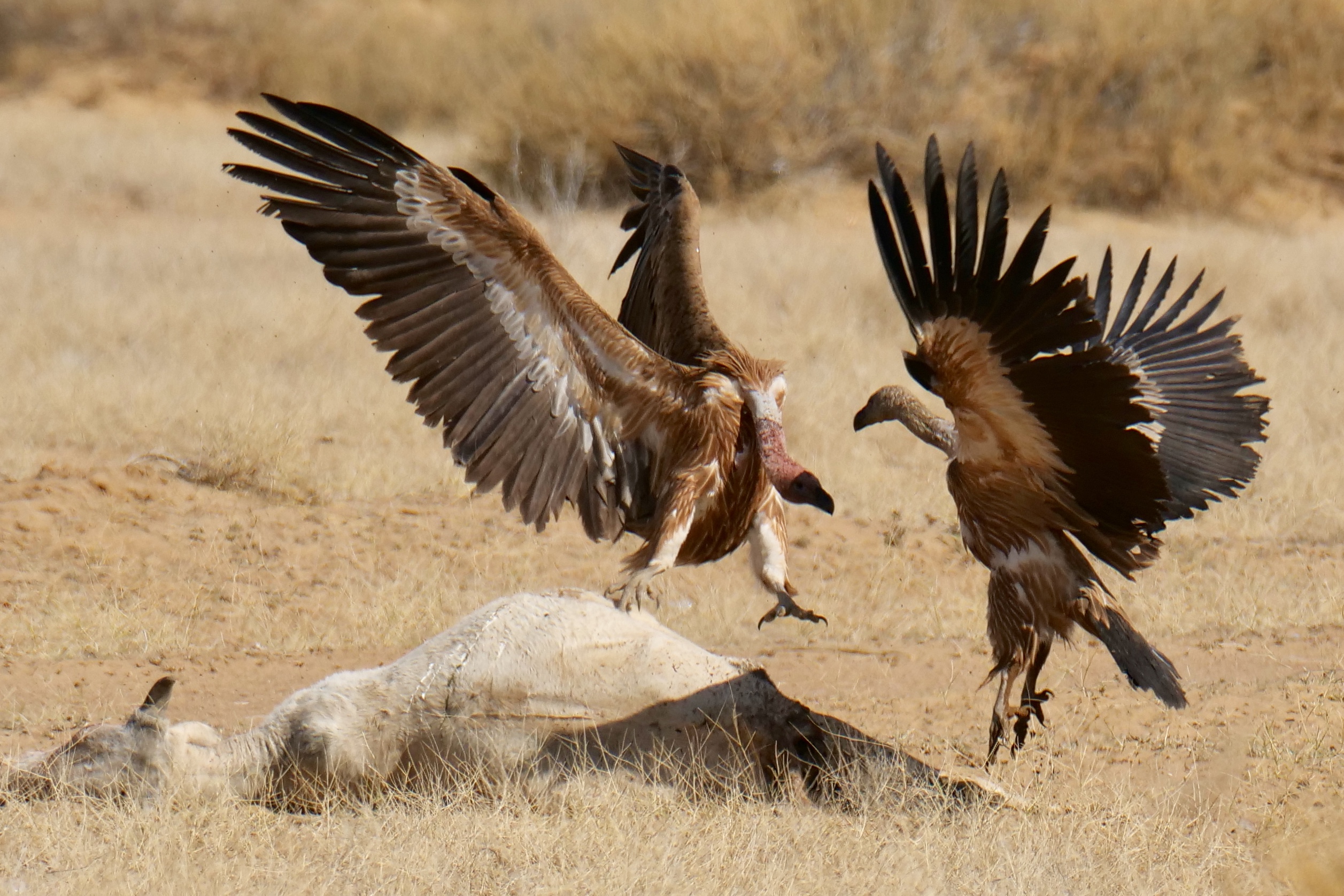
The next image – taken within seconds of the featured one – shows which of the feuding Griffon Vultures won their brief stoush.
(All photos copyright Doug Spencer, taken February 2020)
Comments closed
The greater part of February 2020 has just been wonderfully well spent in India – mostly in Gujarat and Rajahstan.
2 Comments
Labahe Nature Reserve is most celebrated as a place where it is (relatively) easy for humans to see red pandas.
Too many of its visiting humans have eyes for nothing else!
2 Comments