Skip to content →

Category: Americas and Eurasia and Africa

Aspects of Colombia (#7 in teaser series: semi-aquatic giants in “cattle country”)

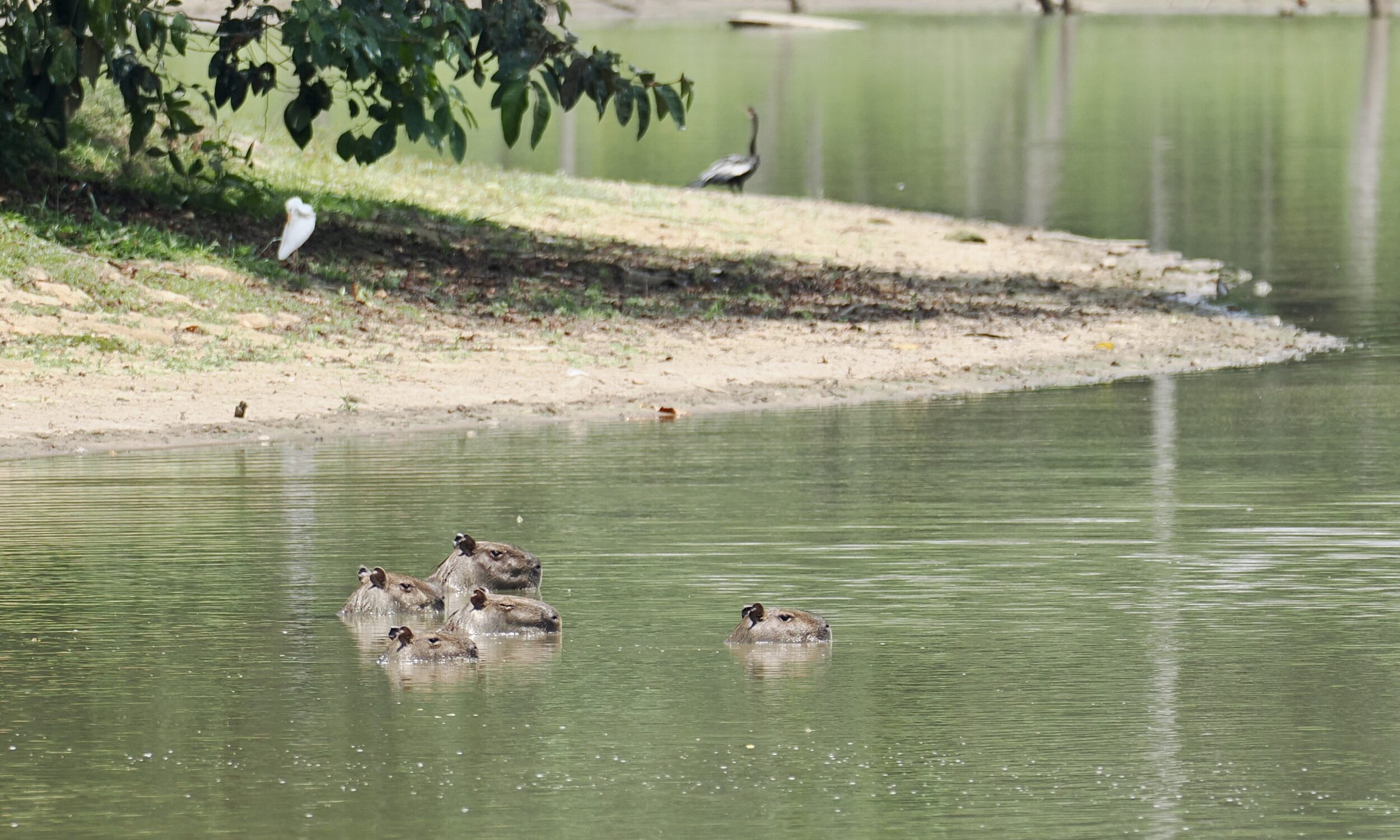
You are looking at very large, highly sociable rodents.

There are just two capybara species; pictured is the more widespread, Hydrochoerus hydrochaeris, the greater capybara.

It is – handsomely –  the world’s largest living rodent.

A “typical” adult weighs between 35 & 66 kilograms; females are bigger than males.

The heaviest-recorded wild capybara weighed 91 kilograms!

An adult’s body length usually exceeds 1 metre.

These very adaptable herbivores inhabit every South American nation, bar Chile.

They thrive in both grassland & forest, & quite happily share habitat with humans & their livestock.

Capybaras mate and give birth only in water, so convenient access to a river, lake or wetland is a “must”.

Comments closed
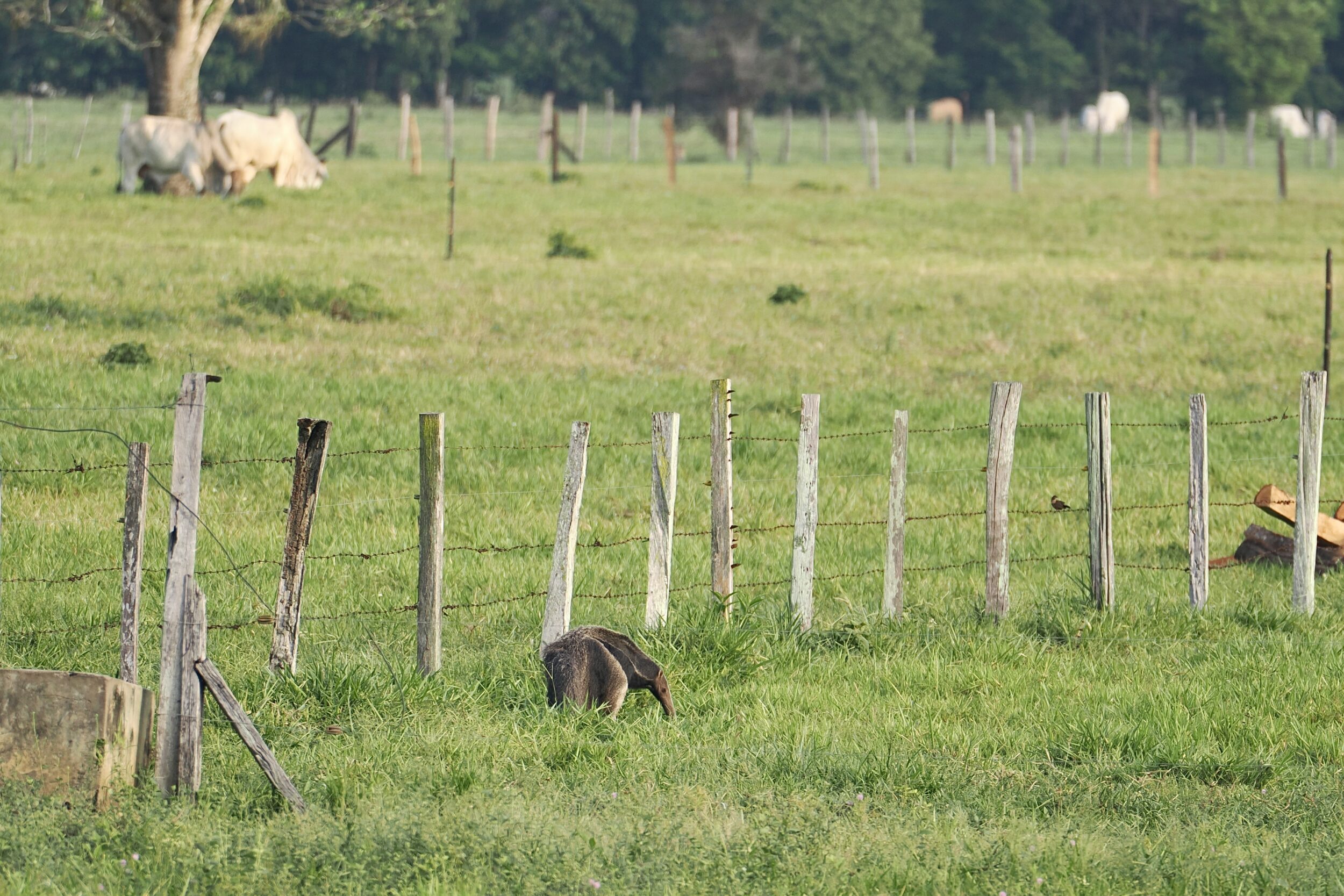
Aspects of Colombia (#6 in teaser series: wild giant in “beef cattle country”


The pictured location’s altitude is very much lower (circa 450 metres ASL, rather than 3,500 metres) than was #5’s in this single-image series.

The climate here is very much hotter & the terrain is flat.

If it had been left in its natural state you would be looking at a photo of dense tropical rainforest, unfenced, with absolutely no cattle.

Assuredly, we are not the first visitors to be amazed that this “much-degraded” countryside is still inhabited by the largest of “our” globe’s four “anteater” species.

Myrmecophaga tridactyla –  the giant anteater – can coexist with beef cattle…and it is not much-troubled by fences – non-electrified ones, at least.

Comments closed

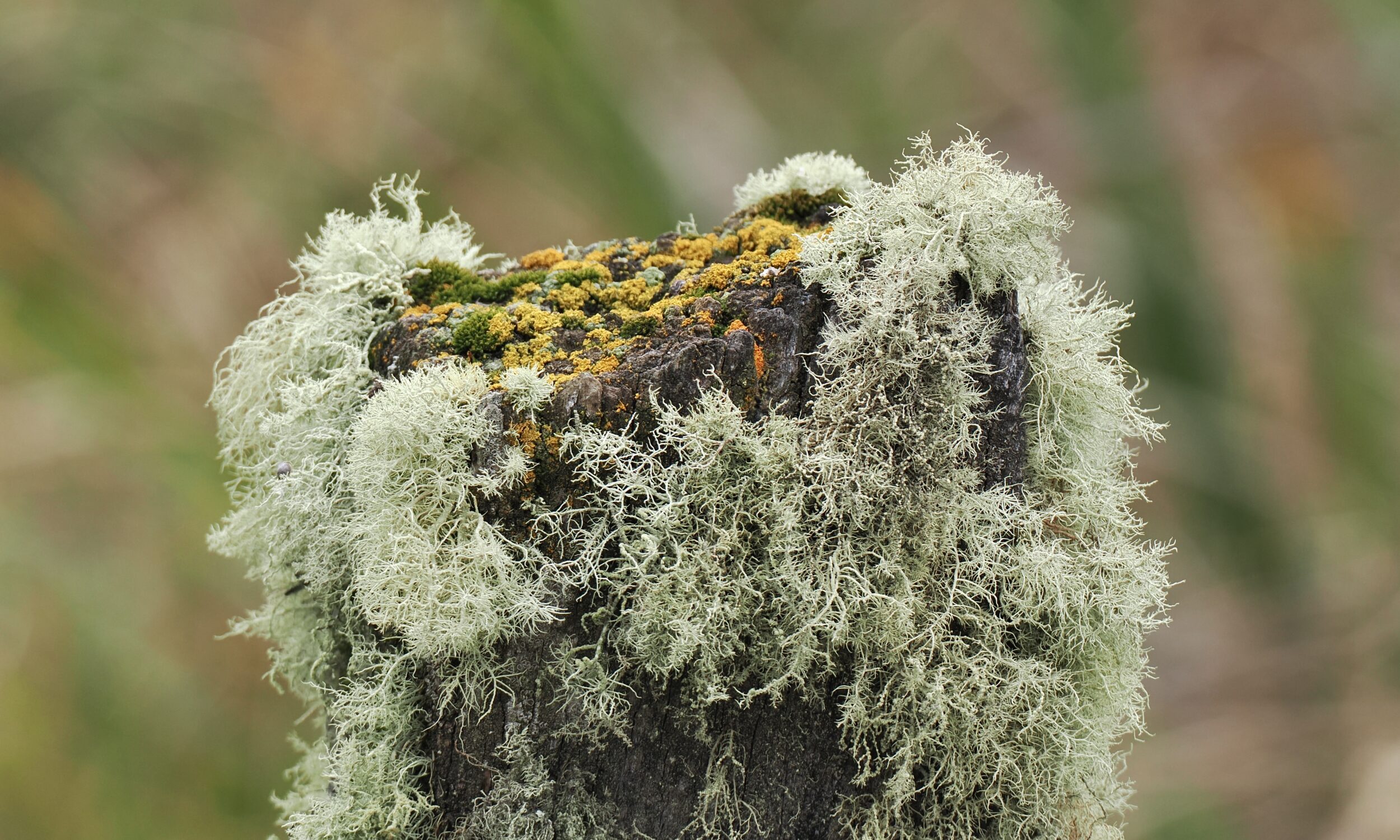
Aspects of Colombia (#5 in teaser series: flourishing in a “degraded” environment)

At 11.22 am on the 4th of March this year, we were at least several hundred metres closer to sea level than where I had taken the previous post’s photo

However, we were still at high altitude – probably, circa 3,500 metres ASL – & still on the flanks of Nevado del Ruiz.

The air was still deliciously cool and clean.

Very obviously, we were still in a very high-rainfall zone.

I think we were no longer within Los Nevados National Park.

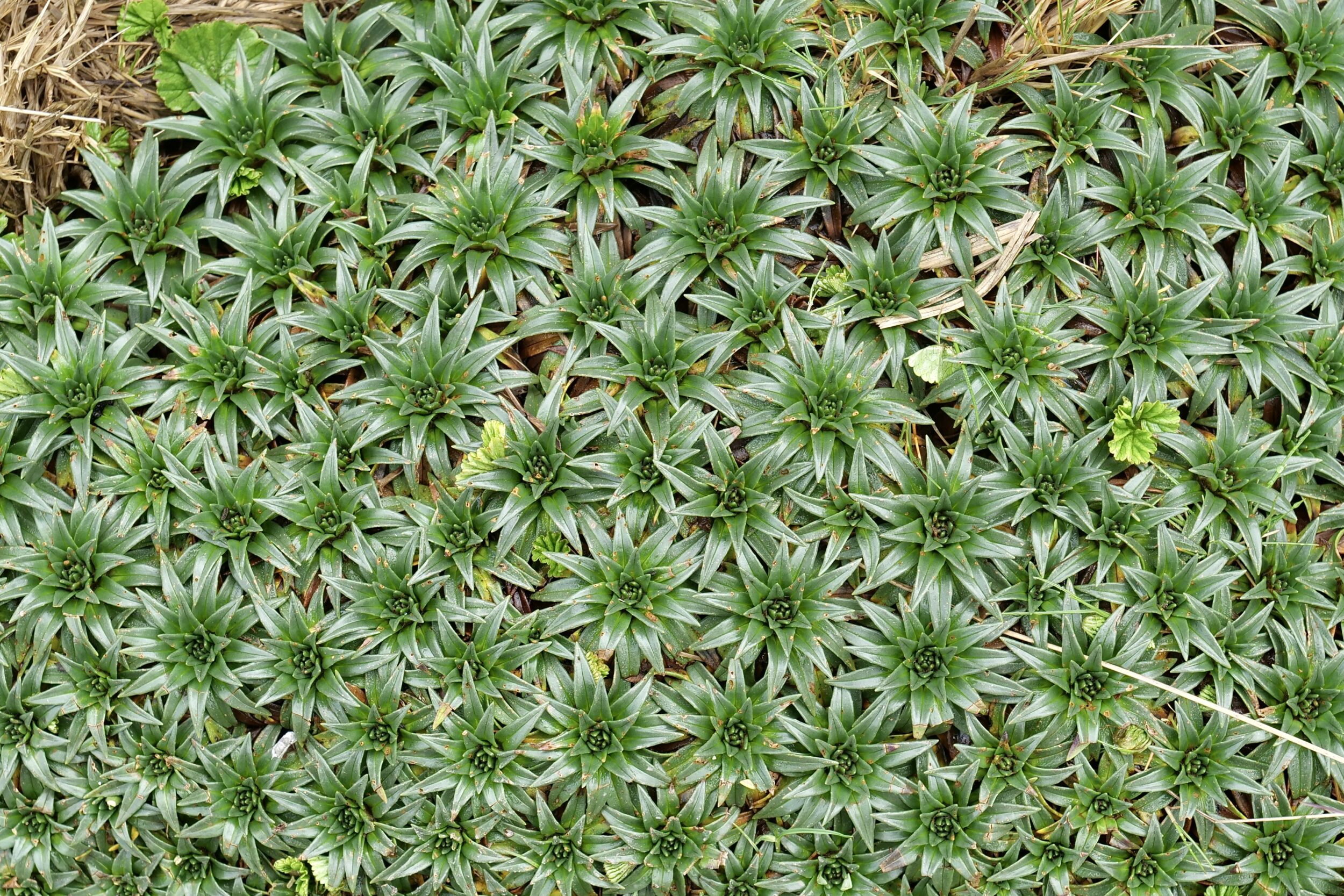
You may – or may not – recognise exactly what provided the pictured lichens and mosses with an obviously-ideal home.

One Comment

Aspects of Colombia (#4 in teaser series: naturally-abstract @ 4,300 metres)


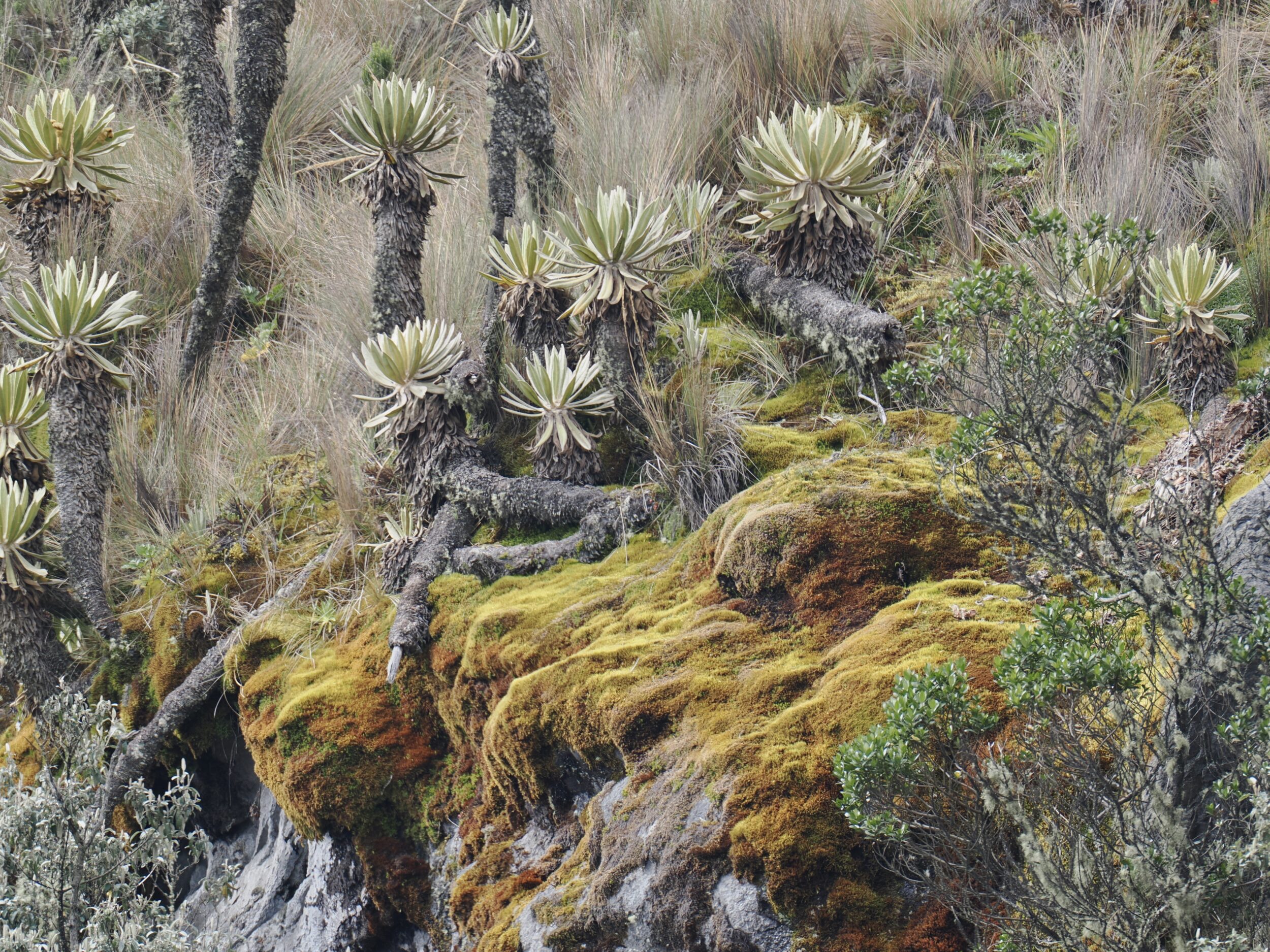
The “big monks” (frailejones) are páramo‘s signature plants, & also this tropical tundra’s tallest.

Its “little guys” are also striking…& there are many different kinds.

Páramo is, I think, the most species-diverse of any seriously-high altitude ecosystem.

Comments closed

Aspects of Colombia (#3 in teaser series: “big monks” of páramo)


Members of the genus Espeletia are the signature plants of páramo – a wondrous-strange “tropical tundra” ecosystem which exists only in certain very high, very wet parts of northern South America & southern Central America.

Much páramo has been destroyed (or much-degraded) by humans & their livestock; climate change is another existential threat.

More than half of the surviving páramo is in Colombia.

Espeletia species are generally known as frailejones, which translates into English as “big monks”.

To Australian eyes, they look a bit like our so-called “grass trees”, but they are not even remotely-close relatives.

Espeltia, Xanthorrhoea & Kingia genus members do, however, share one reality: all are neither grasses nor trees.

The frailejones’ actual “cousins” are sunflowers!

Comments closed

Aspects of Colombia (#2 in teaser series: Nevado del Ruiz)

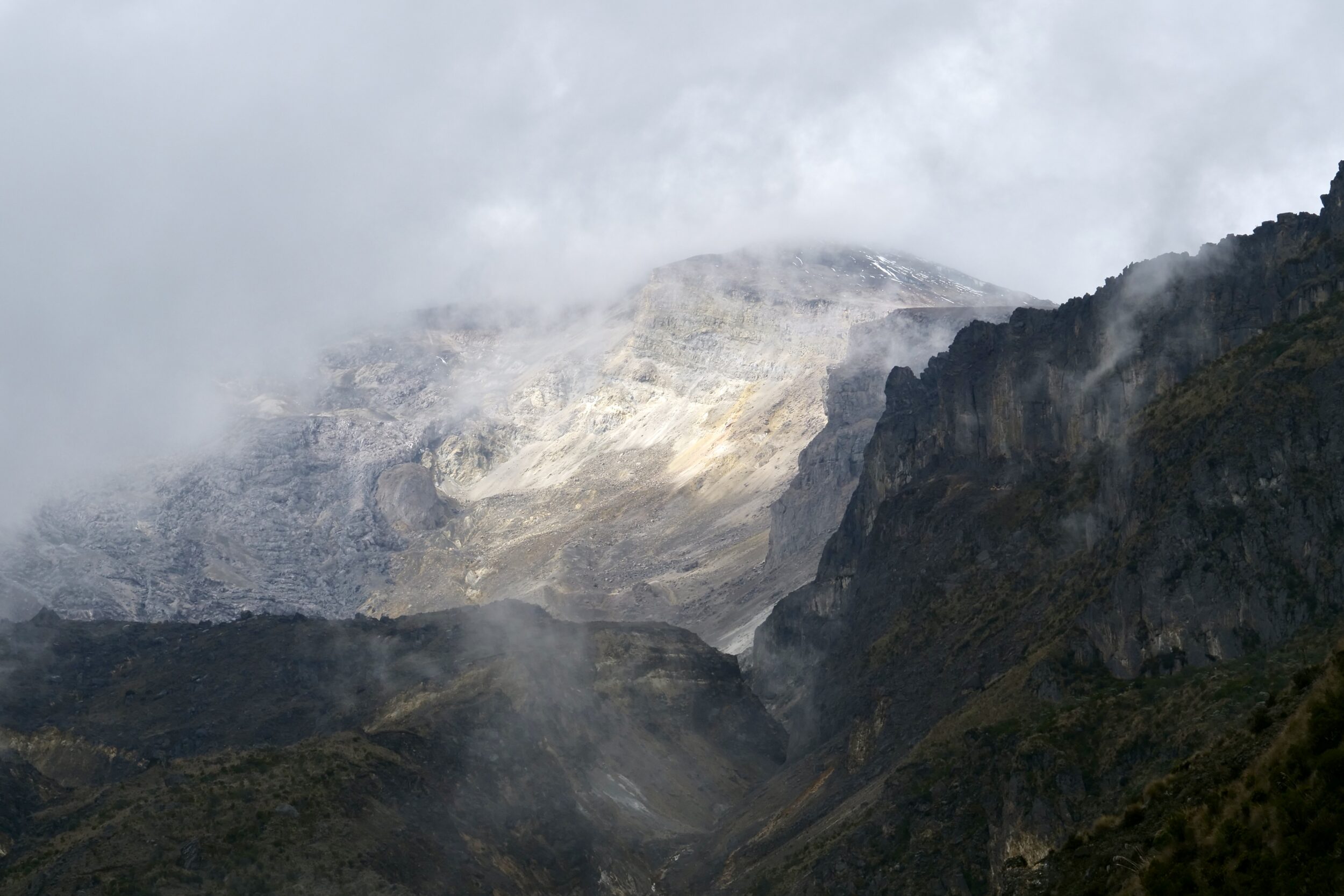
The photo shows just part of Nevado del Ruiz – a huge, active volcano, circa 130 kilometres west of Bogotá.

My vantage point, on the morning of 6 March 2026 was circa 4,000 metres above sea level; the highest point on the volcano’s glaciated, low-dome-shaped top reaches more than 5,300 metres – a deal higher than Mont Blanc.

Nevado del Ruiz’s November 13,1985 eruption gave rise to several lahars which raced down valleys on the stratovolcano’s flanks.

An entire city was obliterated, and circa 23,000 people died –  very quickly – in what became known as the Armero Tragedy.

Its was the highest lahar-related death toll in recorded human history.

This was the 20th century’s second-worst volcanic “disaster” of any kind; it is usually rated #4 on the list of all lethal volcanic eruptions, post-1500 AD.

Comments closed

Aspects of Colombia (#1 in teaser series: sword-billed)


Welcome to this series of single-image posts.

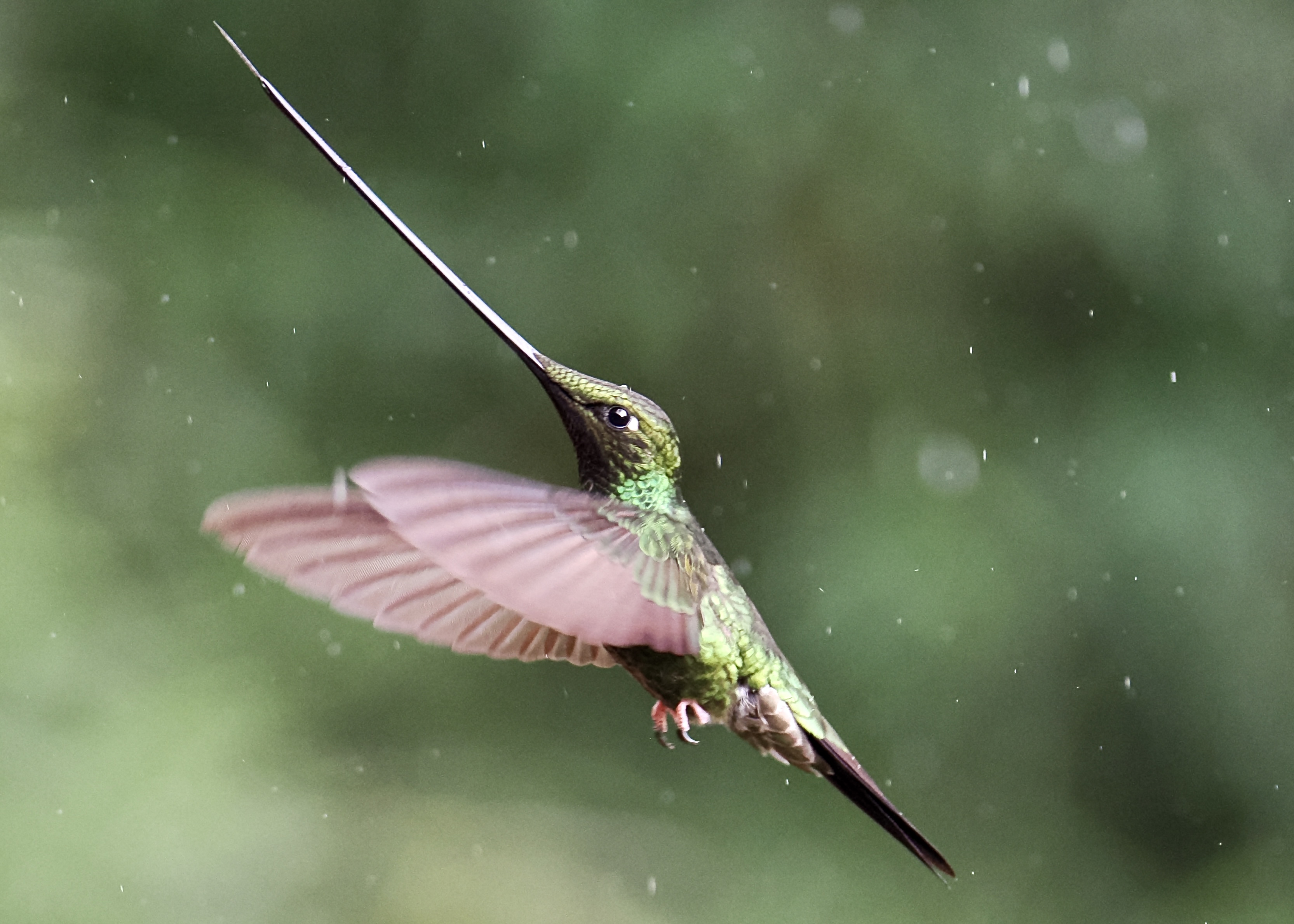
You are looking at Ensifera ensifera, the sword-billed hummingbird.

It is the only bird on earth with a bill that is longer than its body-proper.

Some individuals’ beaks are longer than their entire bodies, tail-feathers included.

Bird-wise, Colombia is generally recognised as the world’s most species-rich nation; the “recognised” number exceeds 1,900 – circa 20% of the global total of bird species!

One Comment

Looking down (#47 in series: on Pakistan’s Hunza River)


The photo above looks down from Atilt Fort’s ramparts to the Hunza River.

Discover more here; more than one thousand years old, the now well-restored fort is the oldest “monument” in Hunza.

The Hunza River is part of the Indus River’s catchment.

Wherever one looks in the Hunza Valley, the vistas are almost unimaginably “epic”.

Among viewpoints that are easily-reached, those on the lower of the Hunza Valley’s almost-parallel rims are especially stupendous, particularly when no clouds obscure any part of its higher rim…and the most colossal of the mountains which tower above it.

At 7,778 metres, Rakaposhi’s is “only” this planet’s 27th highest-altitude peak.

However, as its Wikipedia entry declares:

The mountain is extremely broad, measuring almost 20 kilometres (12 mi) from east to west. It is the only peak on earth that descends directly and without interruption for almost 6,000 meters from its summit to its base.

Comments closed

Looking down (#46 in series: on Pakistan’s Shyok River)


Arguably, the world’s most dramatic alpine scenery is in northern Pakistan.

Distinct from the Himalaya-proper, the Karakoram includes the world’s second highest mountain, plus many other peaks which are handsomely more spectacular/imposing than is Everest.

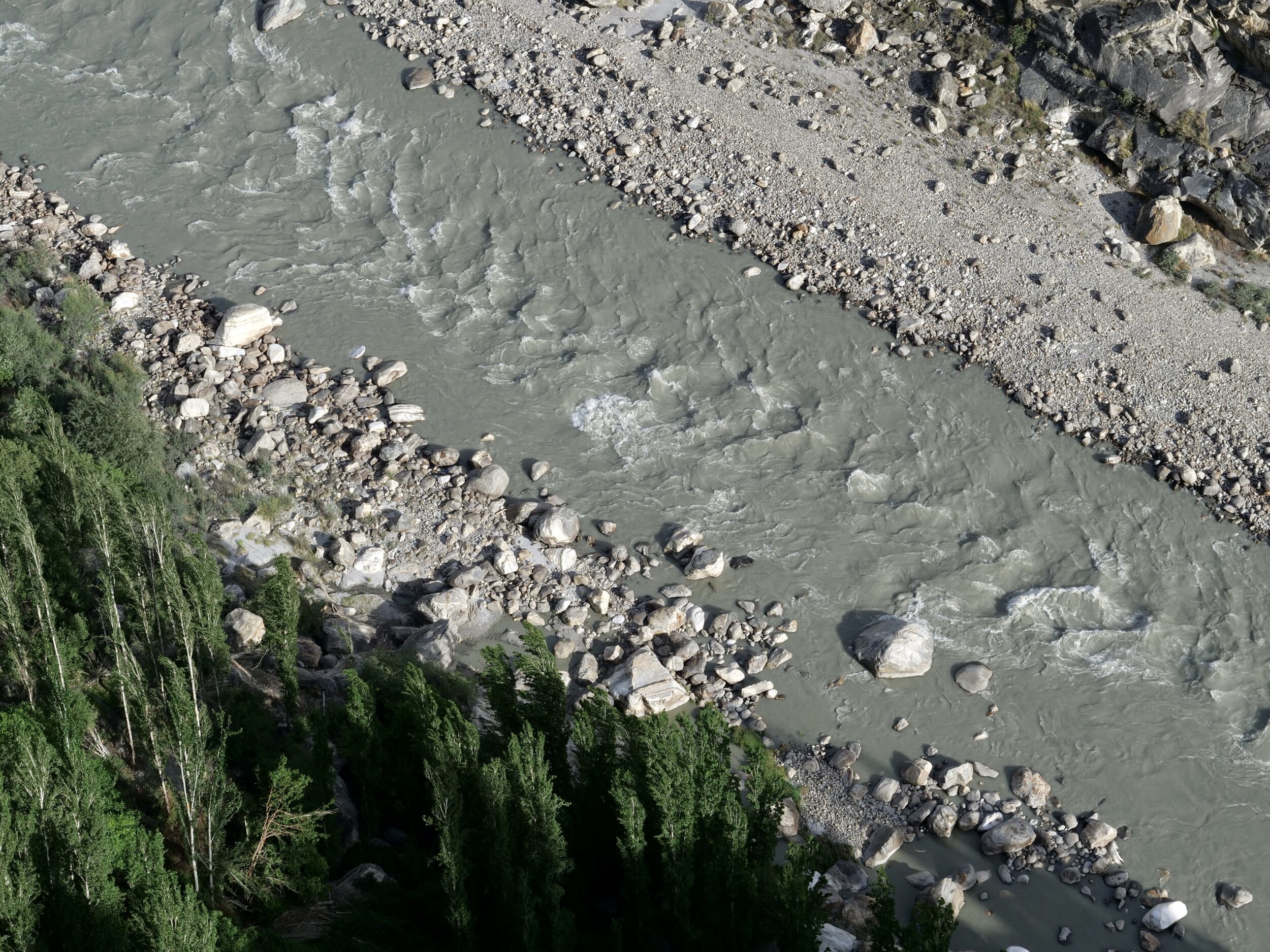
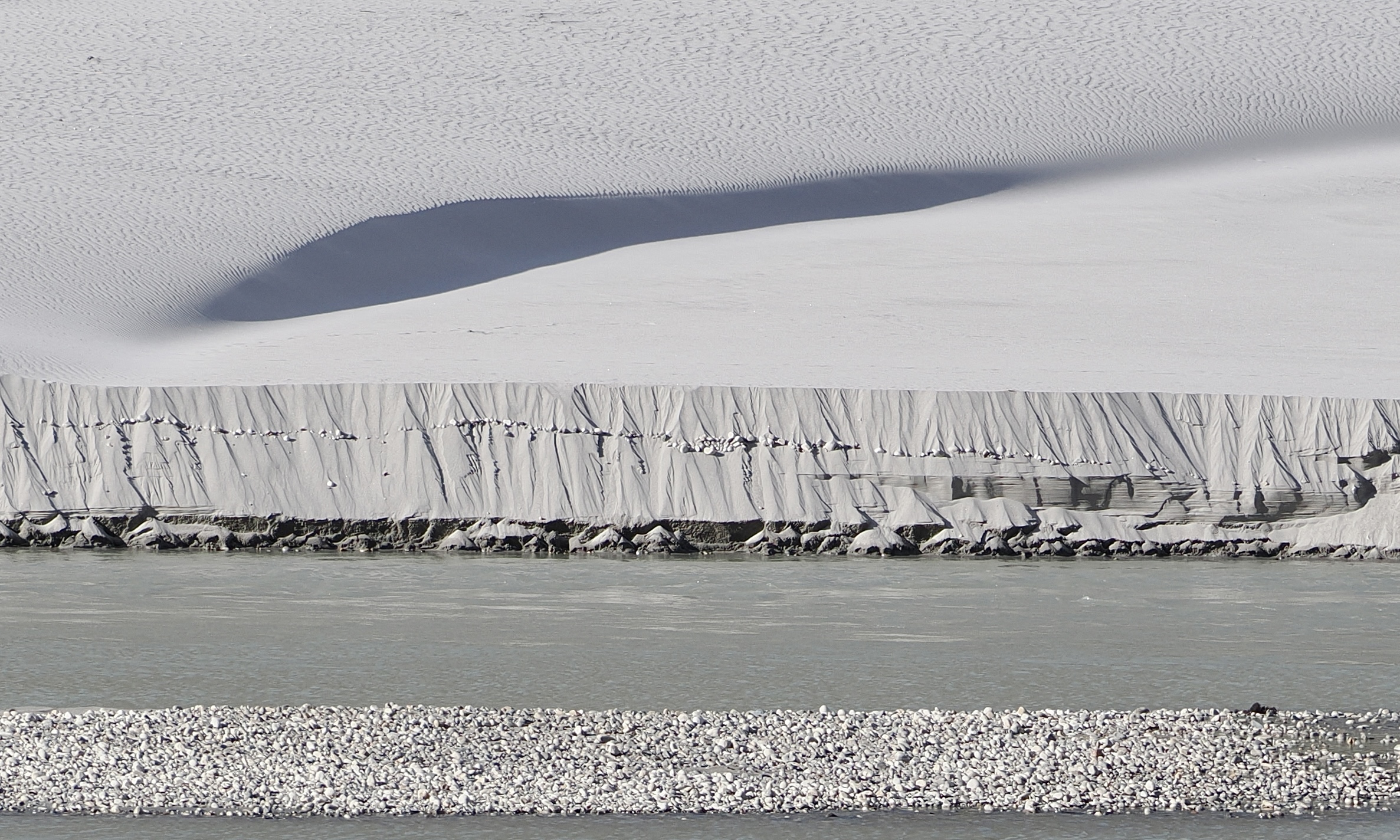
The Karakoram’s rivers are incredibly dynamic, constantly reshaping their valleys.

Essential to human life in this very demanding environment, these rivers also kill people and destroy many man-made structures..

Above and below, you are looking at the Shyok River, several kilometres upstream of its confluence with the Indus.

The Indus drains almost literally all of Pakistan.

Comments closed

Looking down (#44 in series: on a turtle in Réunion)


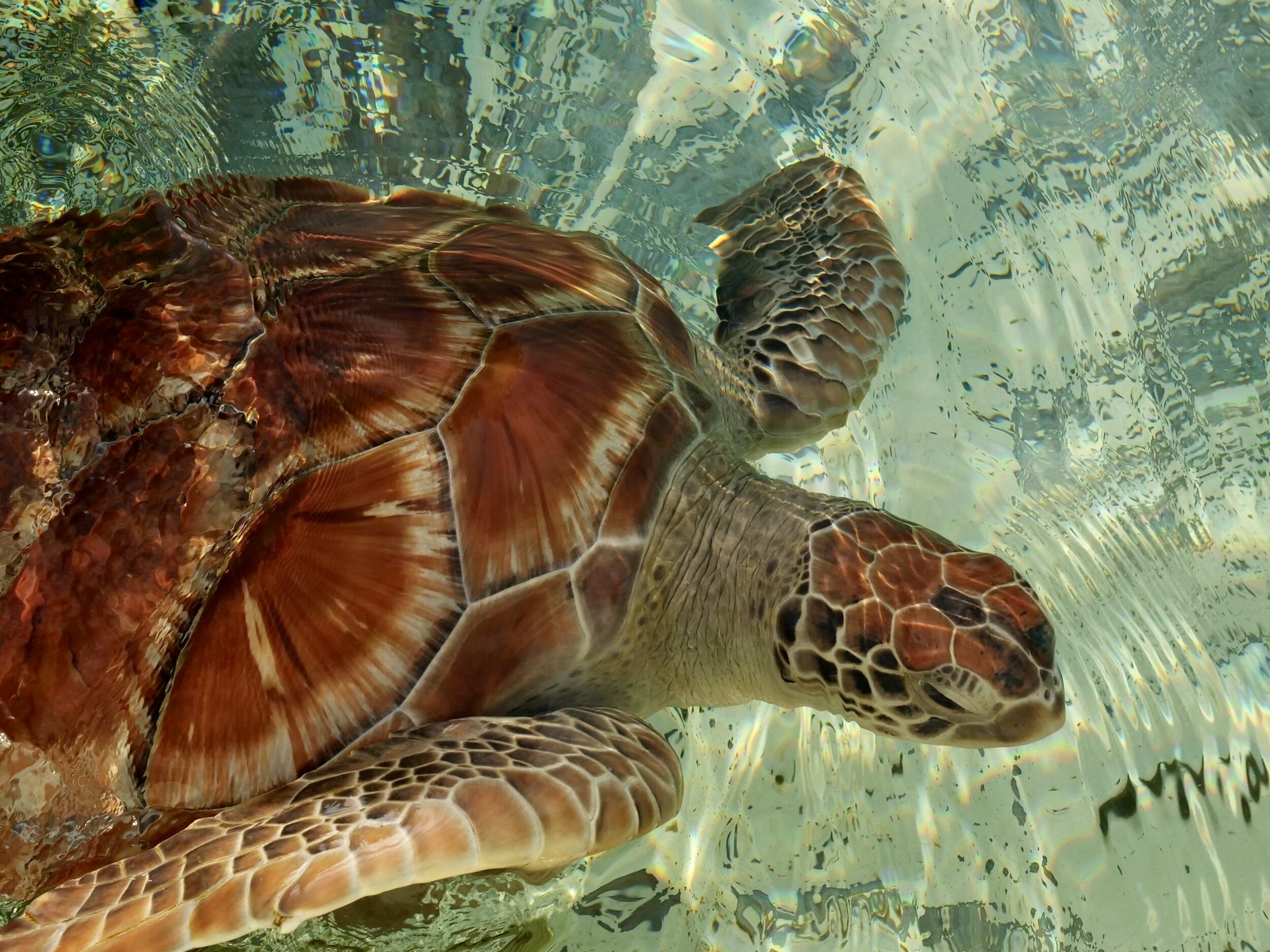
I rarely deploy a camera in any kind of zoo, but this opportunity was too good to miss.

In addition to the island’s glorious natural attractions (they include the Indian Ocean’s highest peak, a host of endemic species, one of the world’s most active volcanoes, and one of its rainiest locations) Réunion has an excellent aquarium.

i am almost certain that this post’s hero is a hawksbill turtle.

One Comment