Skip to content →

Pelican Yoga Posts

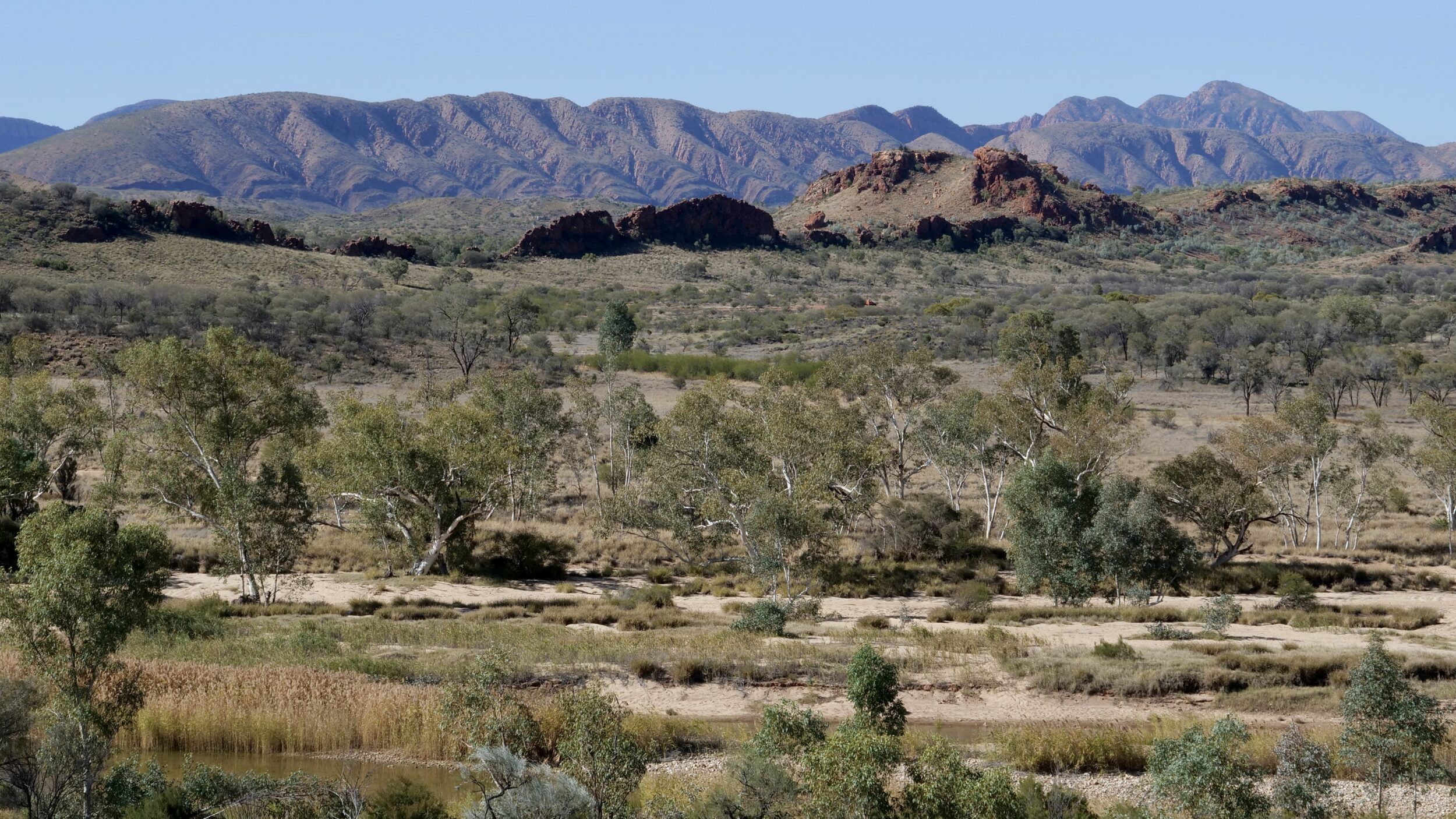
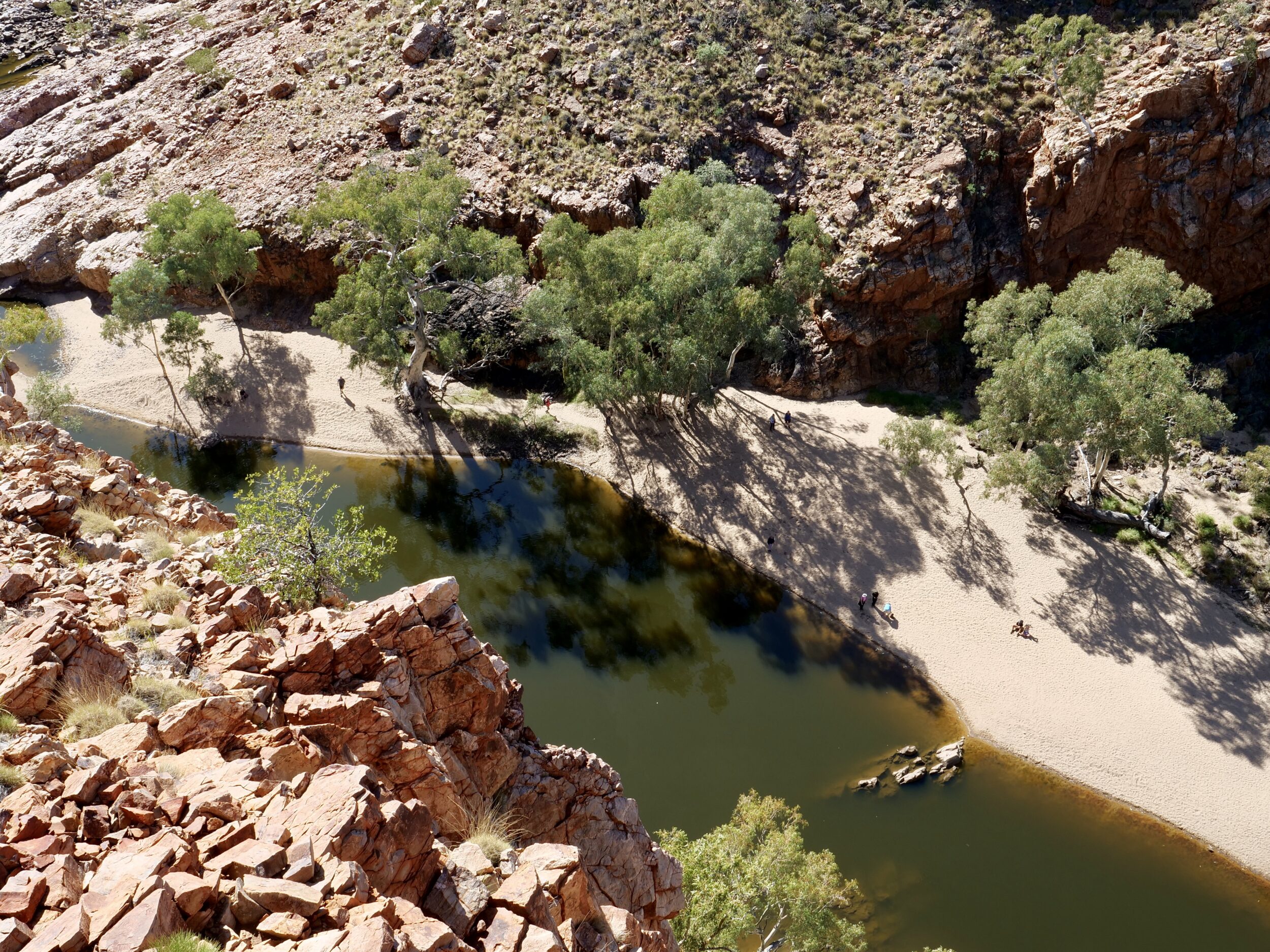
MacDonnell Ranges (#2 in single image series: west side, landscape)


This post’s photo was taken circa 10 kilometres away from Ormiston Gorge.

The vantage point was just a couple of kilometres north of Glen Helen, and the image looks north-east.

In the foreground you can see the Finke River, which is oft-described as the world’s oldest.

I am pretty sure that the highest mountain you can see (on the horizon’s right hand side) is Mt Giles (1,389 metres ASL) which is on the eastern side of Ormiston Pound; Mt Giles’ peak is the highest point on the Pound’s ramparts.

As you can see, this particular desert country does not fit most urban-dwelling humans’ preconceptions of what deserts are “meant” to look like!

Comments closed
MacDonnell Ranges (#1 in single image series: beautiful beaches)


This first episode’s headline is neither a mistake, nor ironic.

If you live in or near to Alice Springs, the nearest ocean shore is more than 1,500 kilometres distant; most of Australia’s saltwater beaches are rather more than 2,000 kilometres away.

However, courtesy of the MacDonnell Ranges, which spread hundreds of kilometres east-west-ish from Alice, you have easy access to some very beautiful beaches.

(Alice Springs sits just north of one of the Ranges’ “Gaps”)

A few of those beaches even offer swimming,  in spectacularly located, “permanent” waterholes,

Comments closed

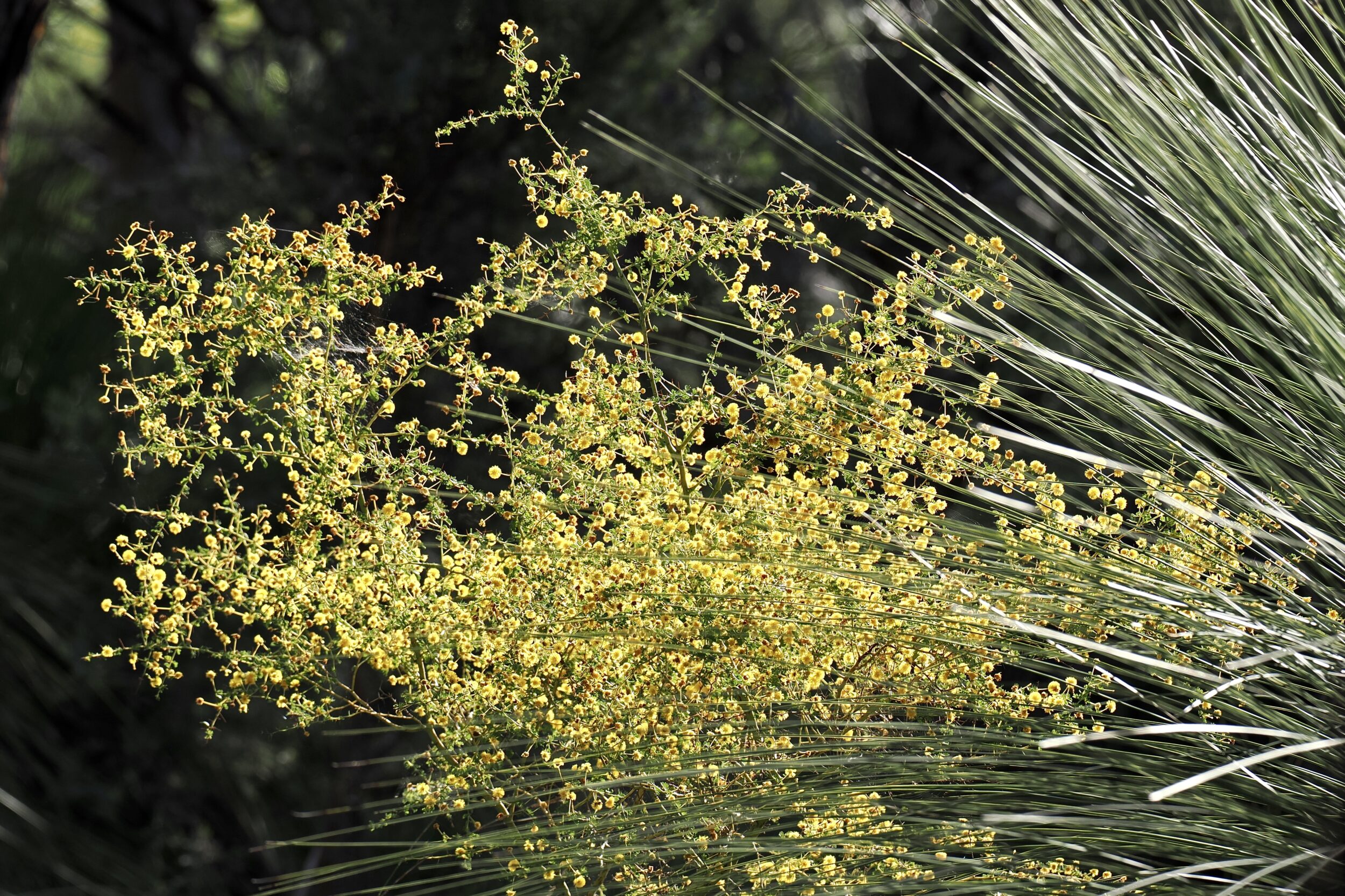
Shenton Bushland: flowering


On the afternoon of 26 August 2023 Shenton Bushland was already very colourful, although “peak Springtime flowering” was probably still a few weeks away.

None of this post’s flowers are hard to find at this time of year, providing you are in the right kind of place, within southwest Western Australia.

Shenton Bushland is one of several “right kinds of place” that are less than 20 minutes away from Perth’s CBD.

Comments closed

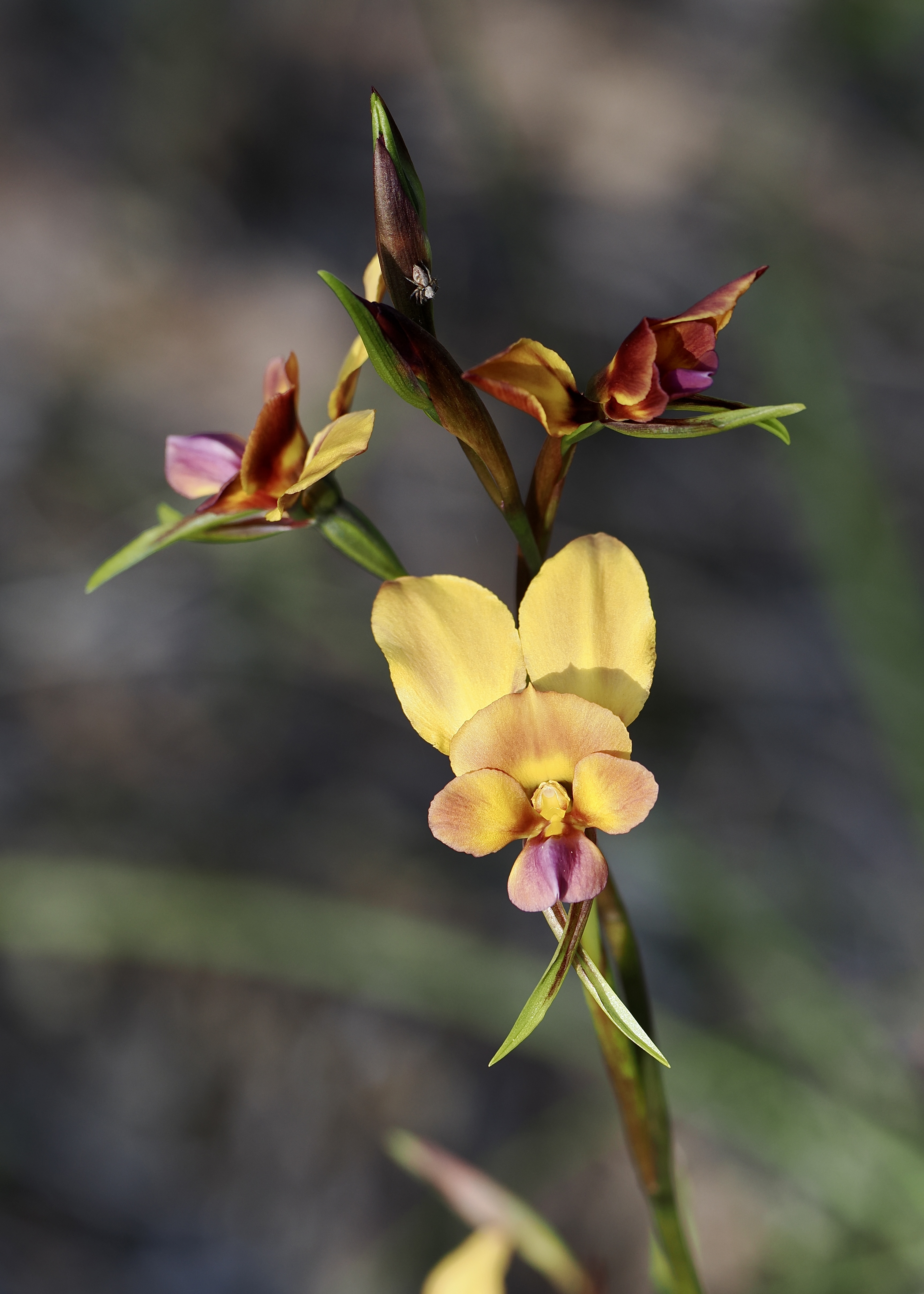
Donkey, with spider


The “donkey” is an orchid.

The “spider” is an actual spider, on the orchid.

The large orchid is impossible to miss.

However, to enjoy a good look at the tiny spider you should zoom in on/ enlarge the featured image… and then inspect the uppermost part of the donkey orchid.

Comments closed

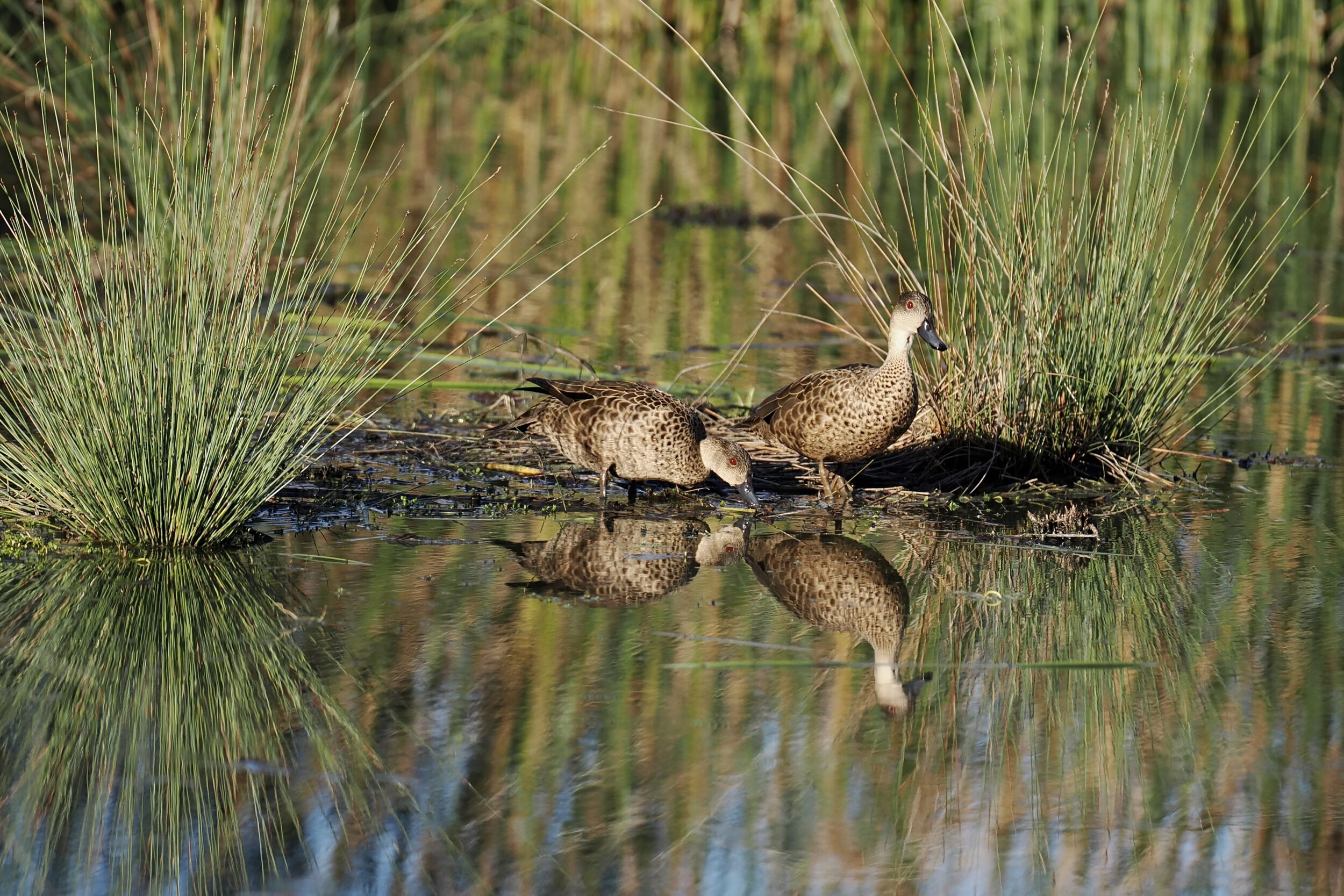
Teals, Lake Monger


The pictured birds are teals.

These very common dabbling ducks are no less lovely for being “common”.

Probably, this post’s heroines are grey teals, but they just might be chestnut teals, or hybrids.

Comments closed

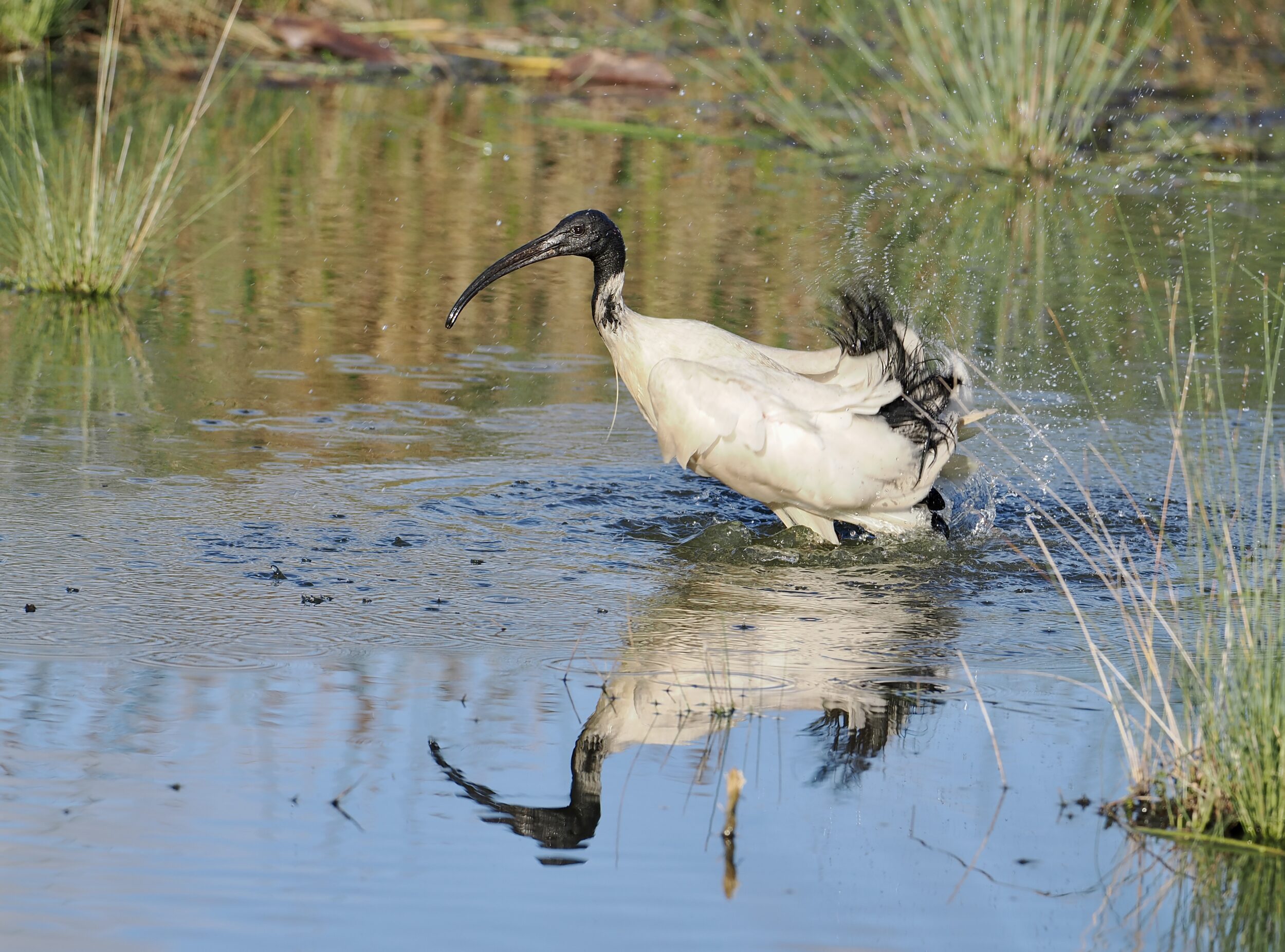
“Bin Chicken” makes a splash


Our local lake never disappoints.

That said, bird-wise, the least interesting time is during Perth’s cooler, rainier months.

Then, migratory birds have all flown north –  some of them, to far-off places in Eurasia.

Other birds spread out across southwestern WA; with water and food generally-available,  they do not need to congregate around “permanent” bodies of water such as Lake Monger.

Still, as today’s & tomorrow’s posts illustrate, at Lake Monger there is always some avian activity to enjoy…

Comments closed

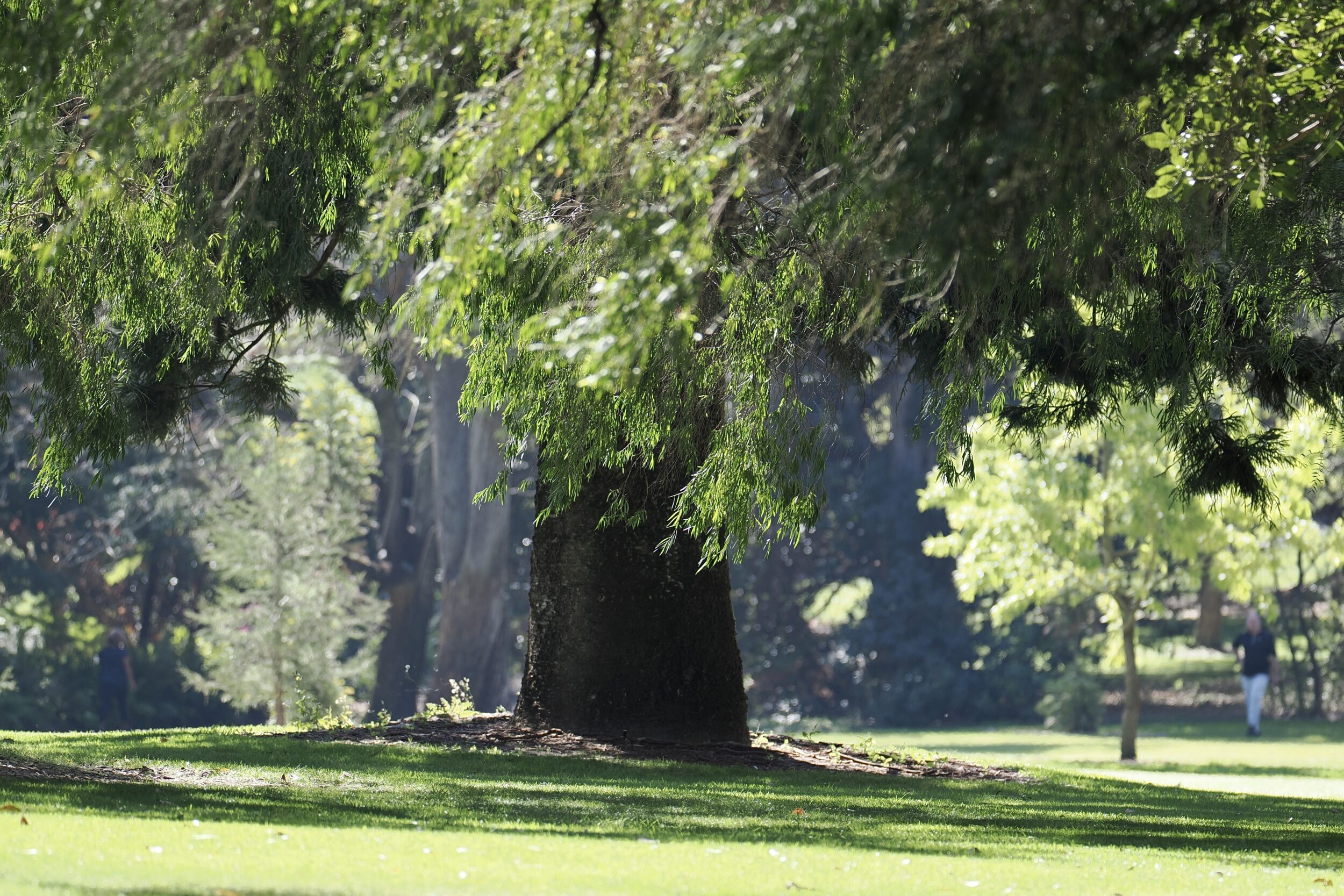
Kings Park, late August 2023


Perth’s Kings Park is really three parks in one… plus “lookouts”.

The “lookouts” offer sweeping views from the rim of the scarp on Kings Park’s eastern and southern sides.

Looking east, they flatter the adjacent CBD, and look across the Swan Coastal Plain to the Darling Scarp.

Looking south, they show the full splendour of the Swan-Canning estuary, around which Perth’s wealthier suburbs sit.

If you walk (or catch a free bus) from the CBD – or West Perth – into Kings Park, the loveliness of its manicured, “picnic-friendly”, well-treed, grassed parkland is immediately obvious, as you can see in the featured image, above.

Every pleasant, sunny weekend, thousands of people take advantage of Kings Park’s generous supply of that kind of parkland.

However, what makes Kings Park so very special are its two other kinds of “park”:  a superb botanical garden (which showcases WA’s extraordinary flora, conducts internationally significant research, and provides useful information to the general public) and its astonishingly expansive, essentially “natural” bush/woodland section.

Comments closed

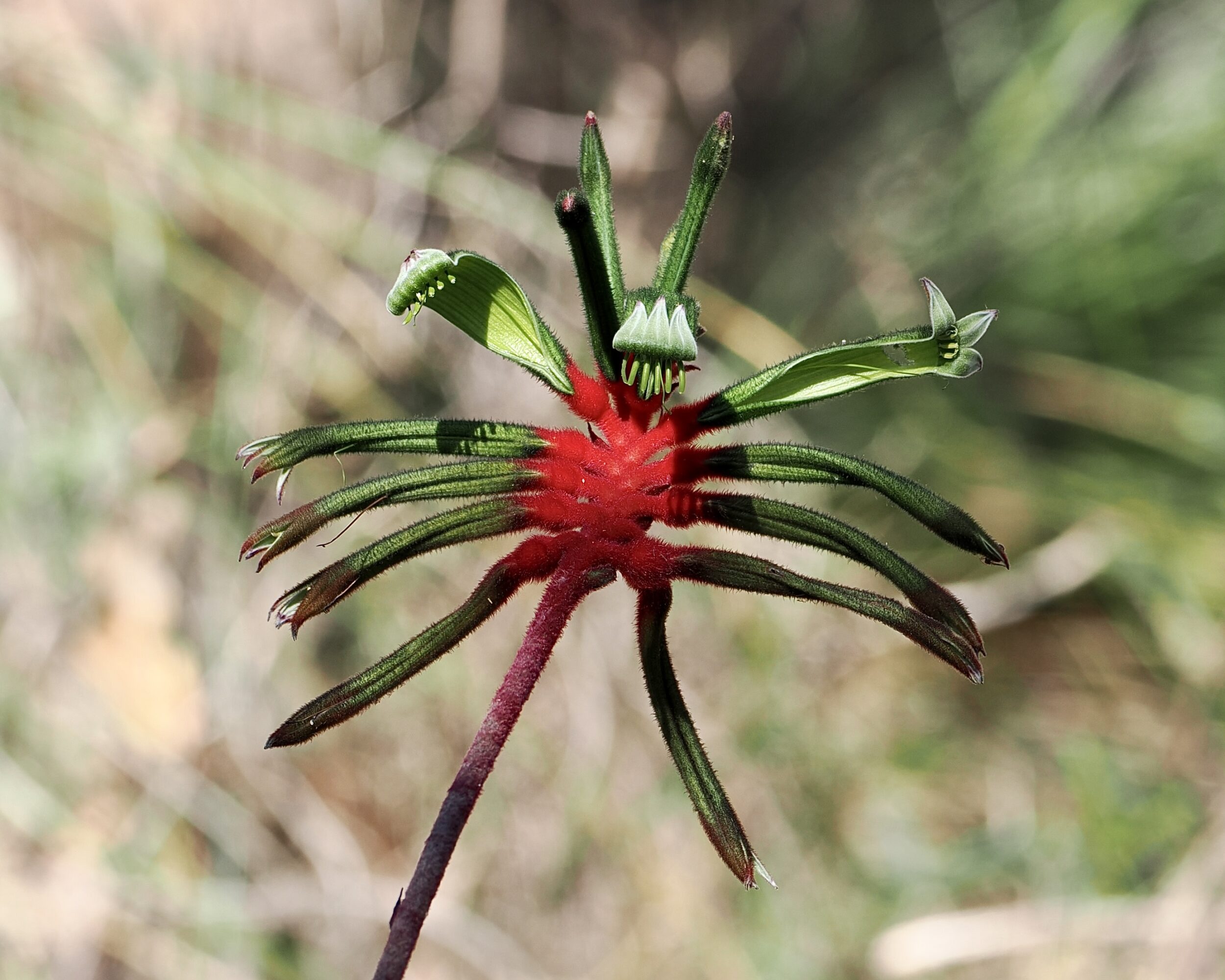
The Quality of Sprawl: flower power/ word power


The moment I saw this exuberantly “bird-ready” example of Western Australia’s floral emblem, I suddenly remembered one of my favourite Australian poems.

Les Murray (1938 – 2019) never became a Nobel Laureate.

Depending on my mood, I find that fact “puzzling” (at his best, Murray was so very obviously – for much of his adult life – one of the greater 20th century poets) or “utterly predictable”. (his verse was so overtly Australian, and his views were not always “palatable”)

The Quality of Sprawl’s opening verse:


Sprawl is the quality

of the man who cut down his Rolls-Royce

into a farm utility truck, and sprawl

is what the company lacked when it made repeated efforts

to buy the vehicle back and repair its image.

One Comment