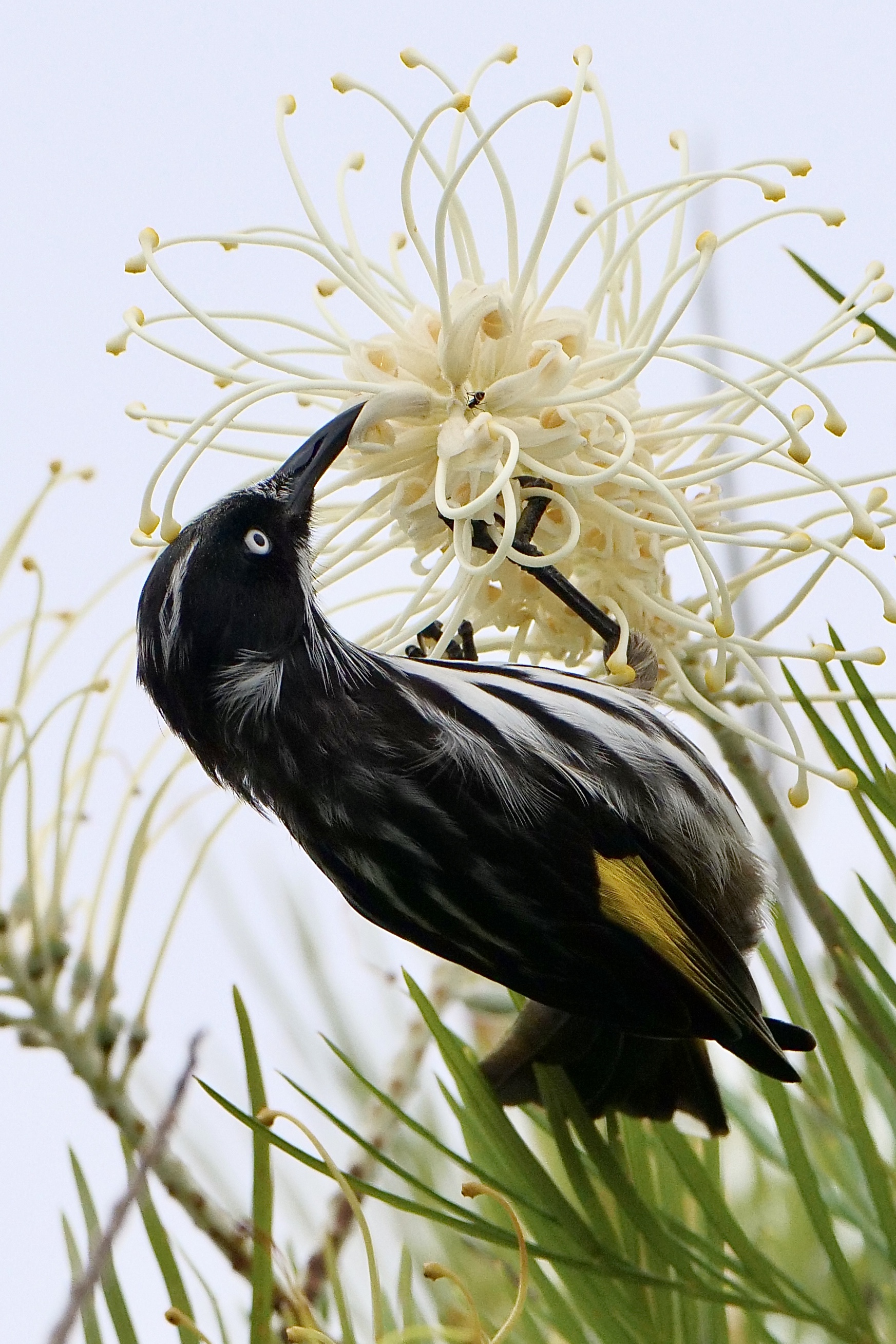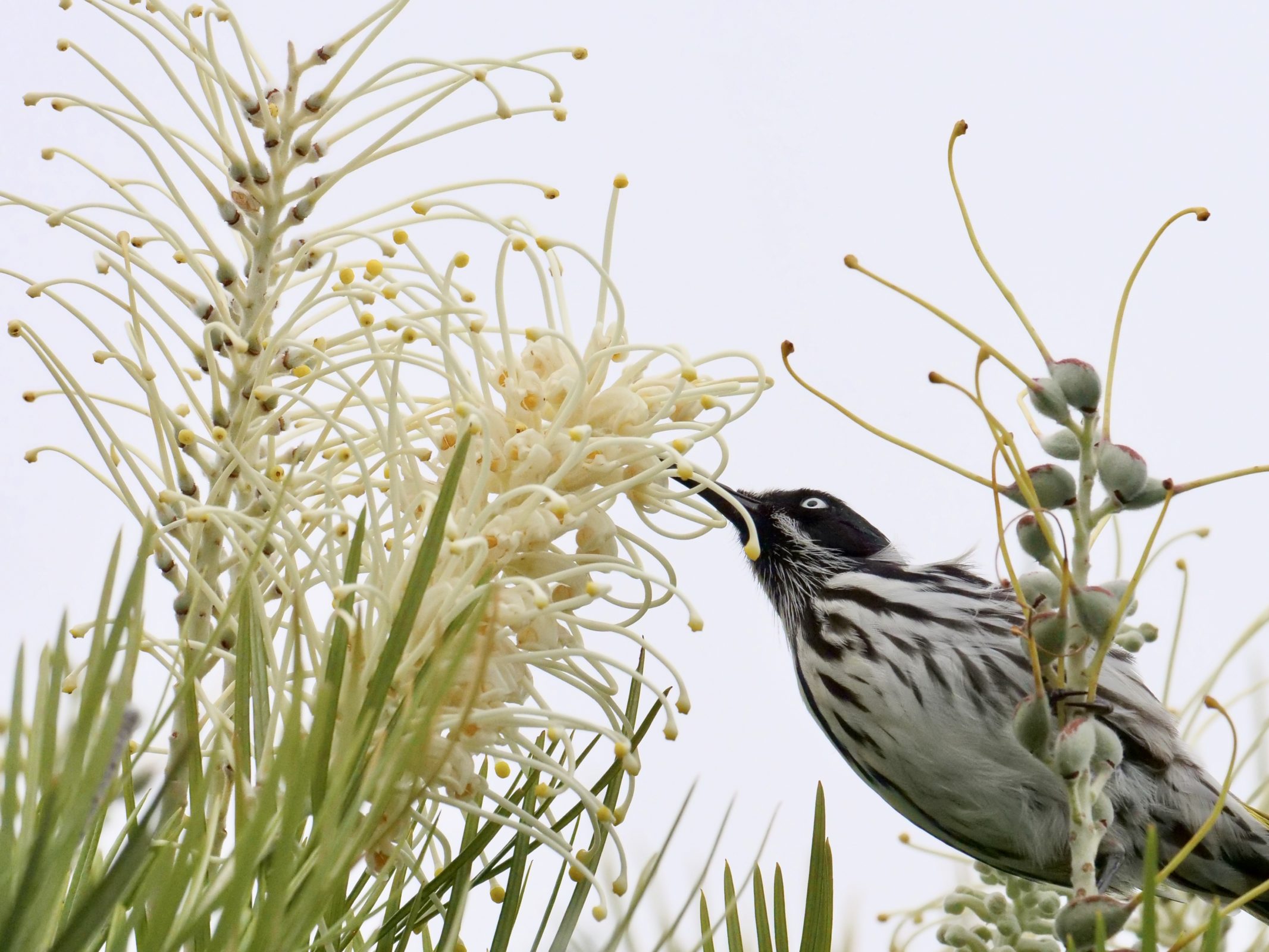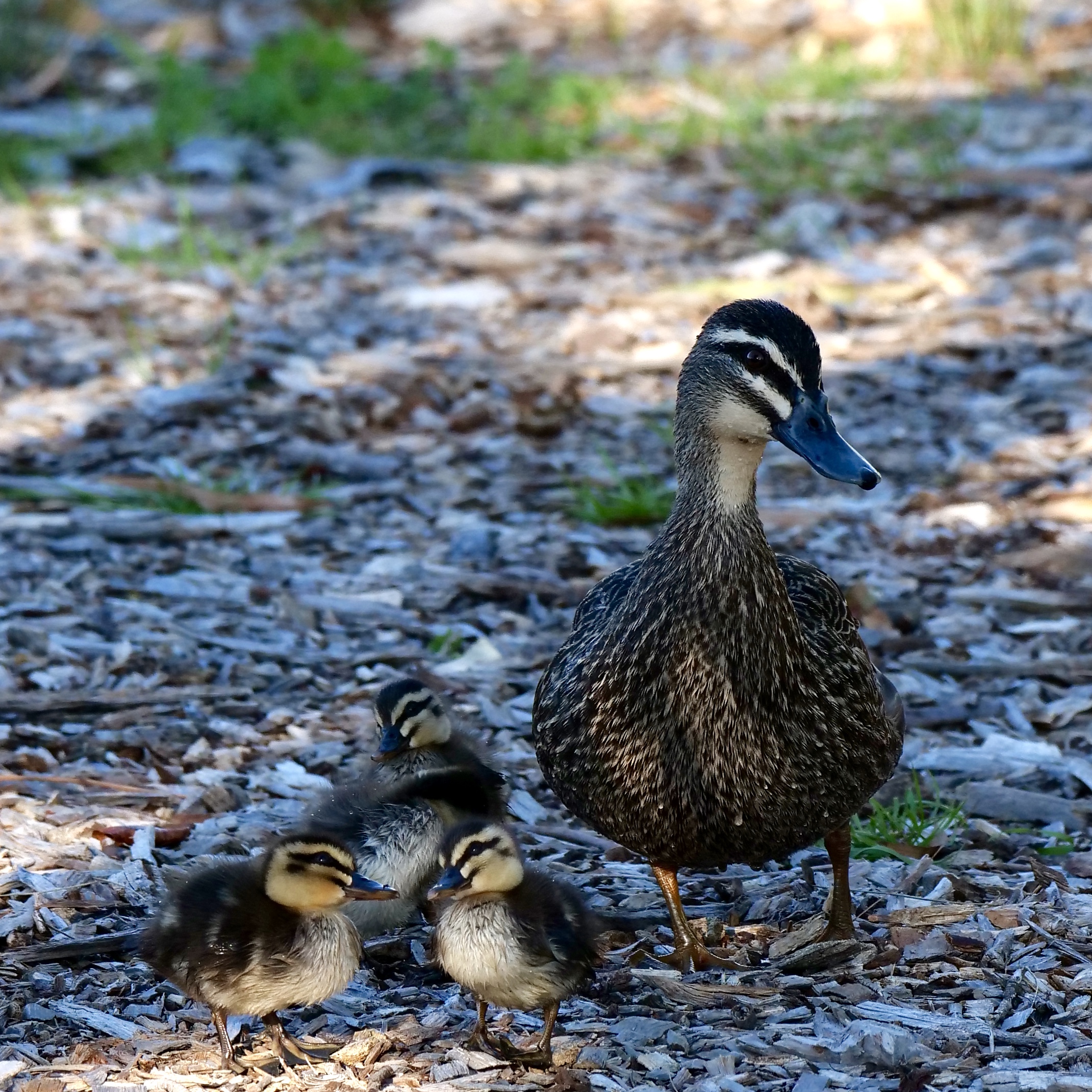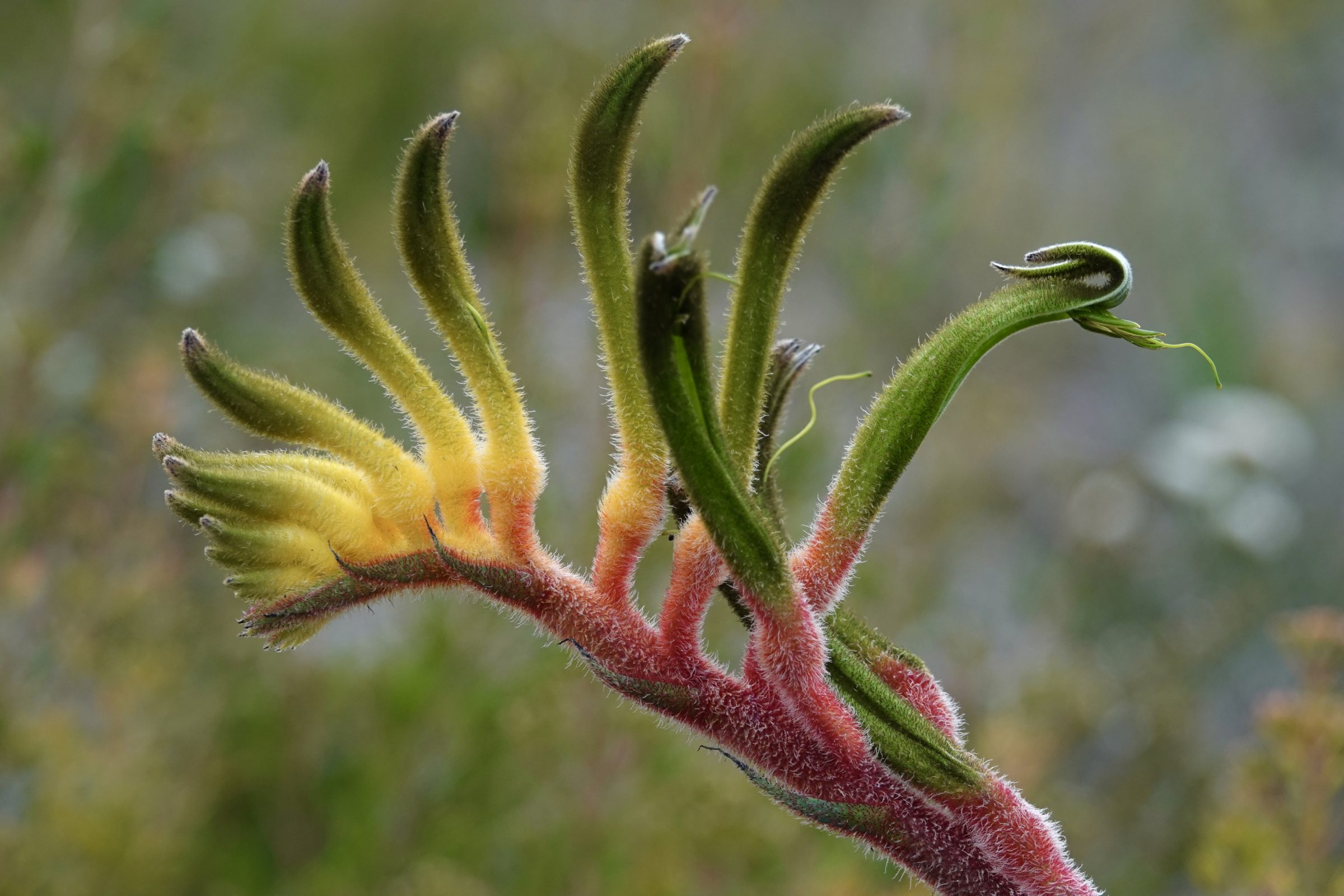
Southwest Western Australia’s flowering, feathered and furry members of the first two categories need each other, vitally.
Could their survival prospects have anything to do with the third category?
Comments closedNatural splendour, real musics, wines, wordpower
Southwest Western Australia’s flowering, feathered and furry members of the first two categories need each other, vitally.
Could their survival prospects have anything to do with the third category?
Comments closed
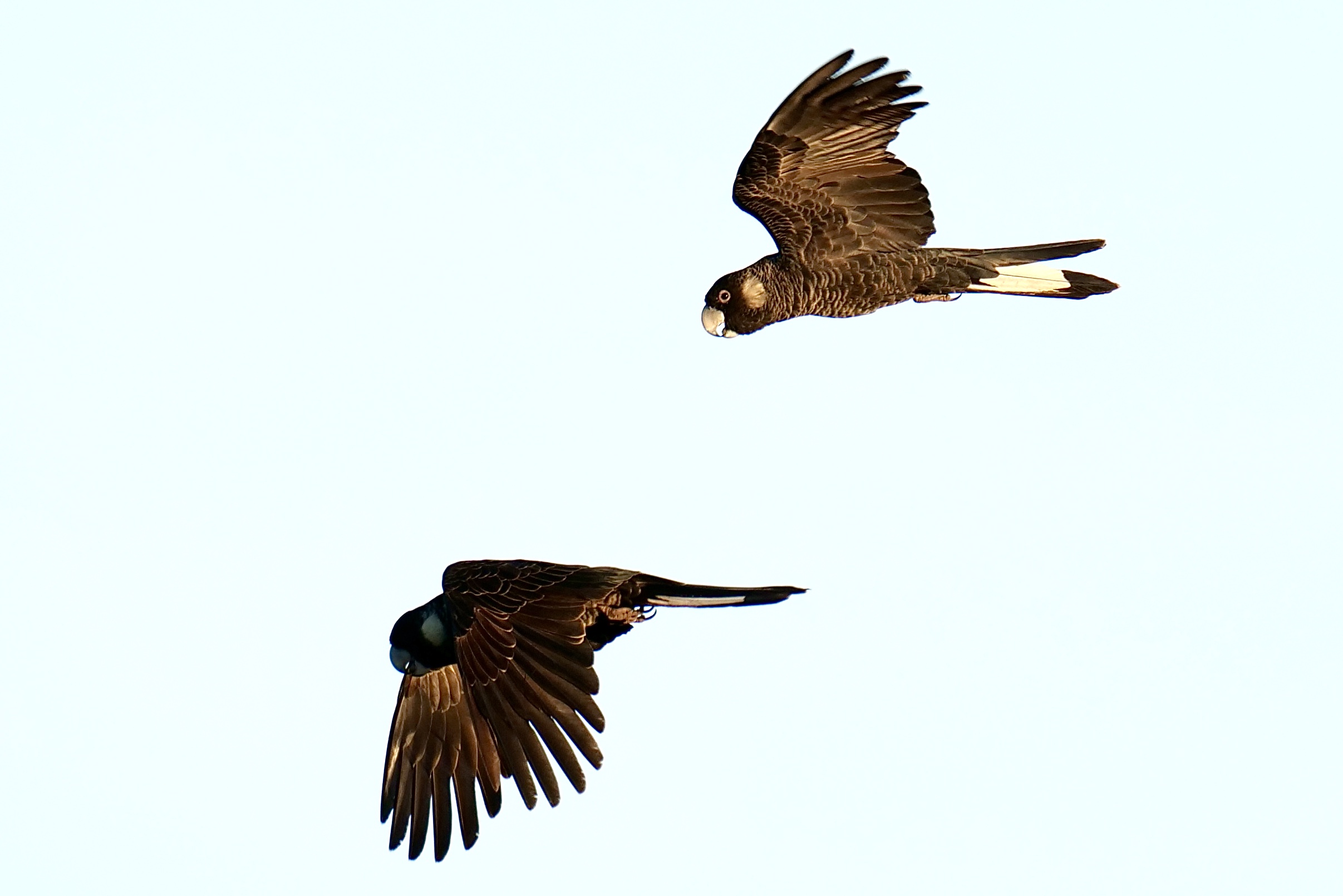
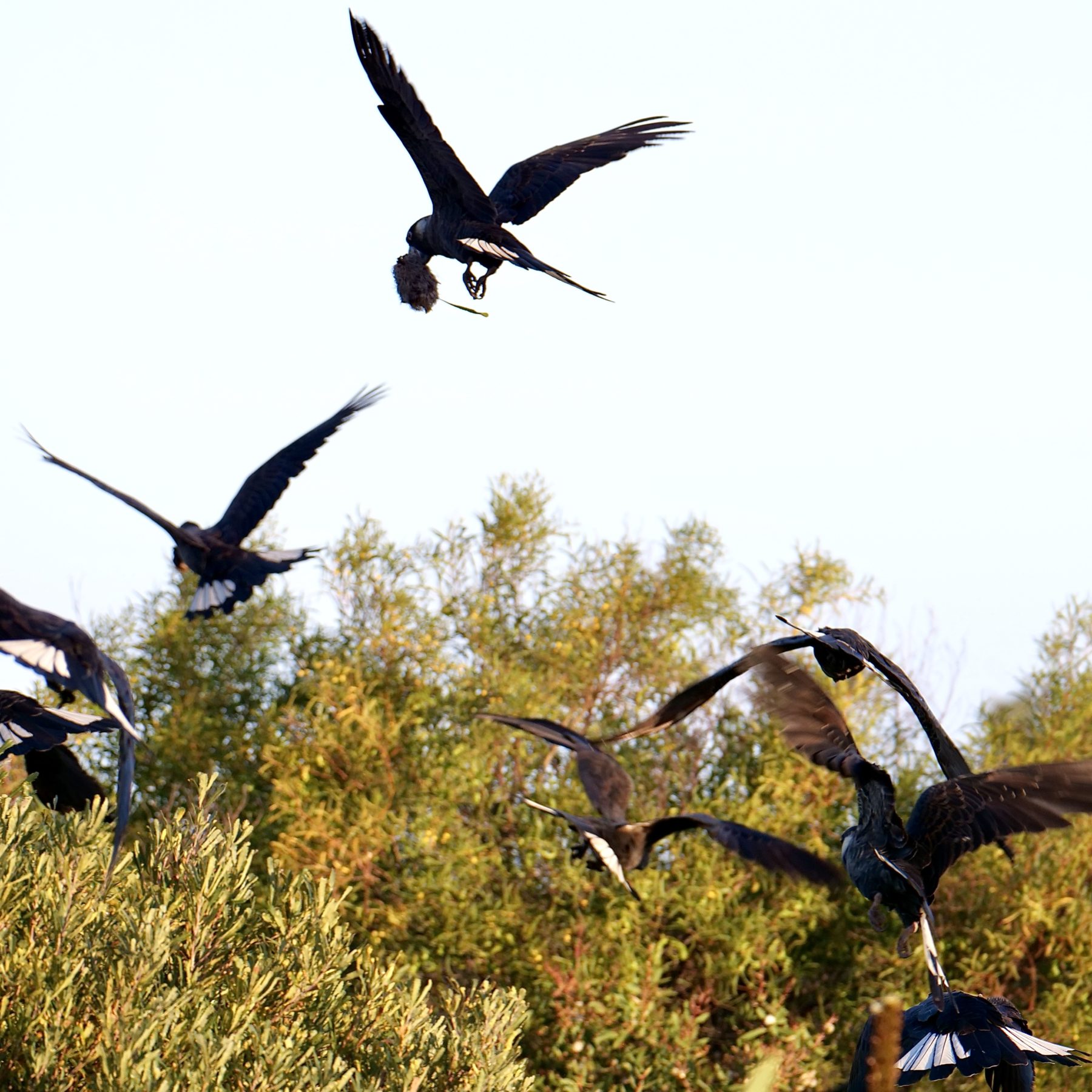
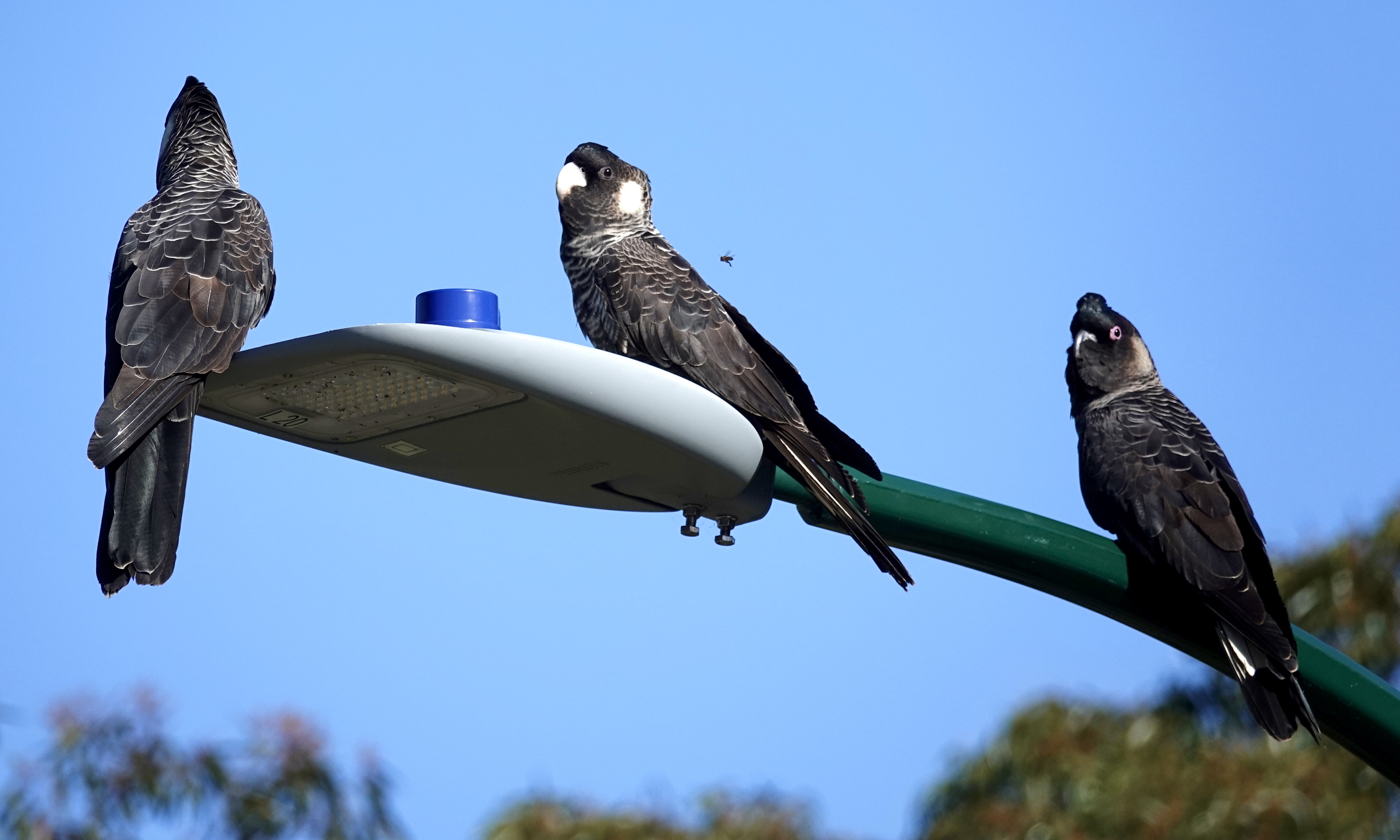
Our planet has just two white-tailed black cockatoo species.
Both are endangered, and their only “home” is in southwest Western Australia.
My beloved and I live within a very few minutes flying time of the centre of this region’s one metropolis.
For some months of every year, we see and hear one of those two species almost every day – on most days, more than once.
All photos were taken in Blencowe St, West Leederville
Comments closed..is by no means uncommon in Perth, but this one delivered something amazing.
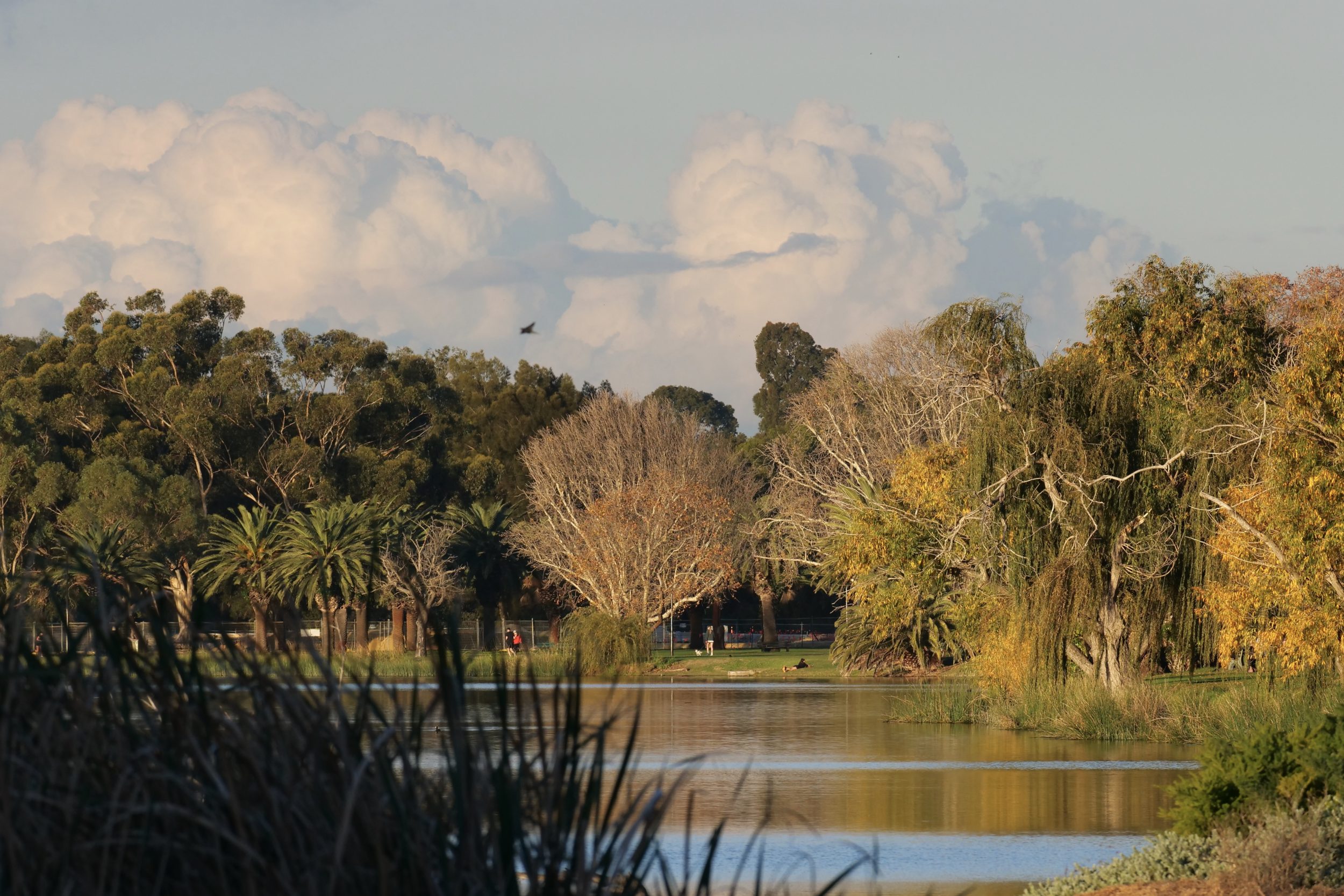
The photo above shows Lake Monger Reserve’s southernmost section – its faux “European” part – where exotic trees and lawn predominate, still.
The image below looks to the lake’s longer, eastern shore, where an ongoing rehabilitation process has re-established more appropriate riparian vegetation.
There, “local” plants now predominate. They – along with other measures to reduce eutrophication – are key to Lake Monger’s recently-improving health, after circa 170 years of seemingly-irreversible, human-induced decline.
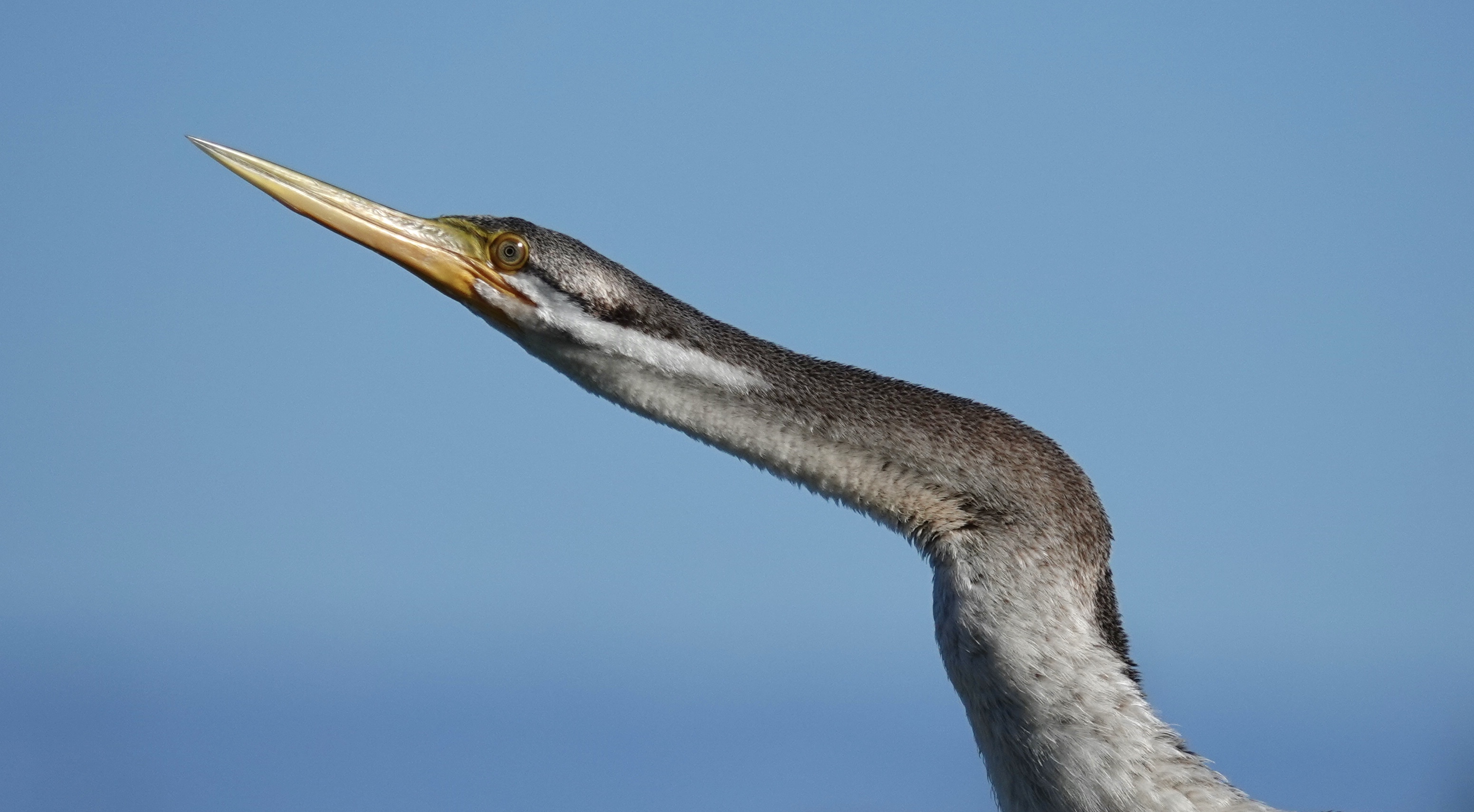
Comments closedThe Australasian Darter – Anhinga novaehollandiae – is our single member of the Anhinga genus, which has just four species.
All of its members are commonly known as “snake birds”.
You could consider their “snake” as a spearhead, with a brain-powered, spring-loaded, feathered shaft.
The shaft’s spring-loading is via their neck’s unique hinge mechanism, at the 8th & 9th vertebrae.
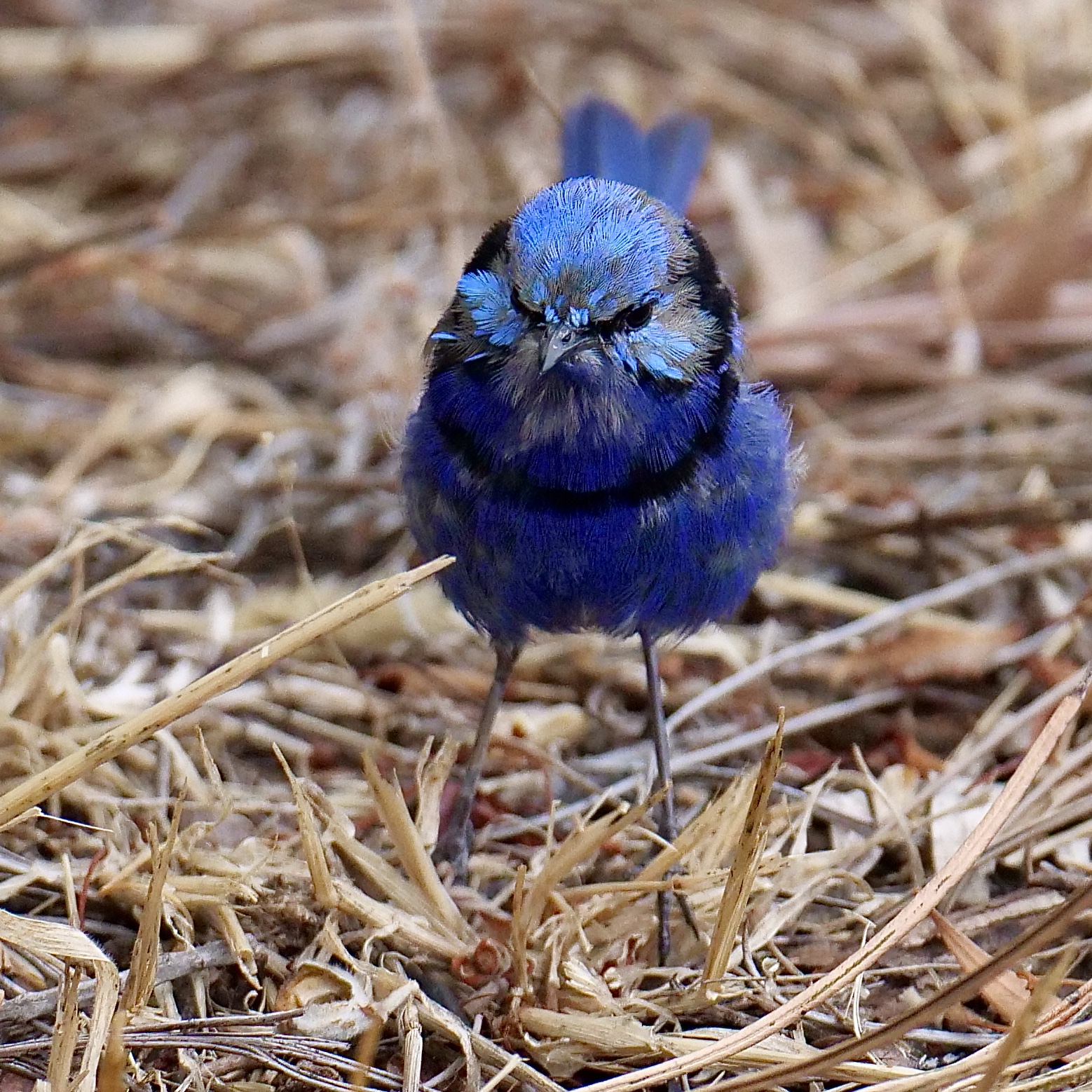
Comments closedThe featured bird is very tiny, very hardy.
“His” valley’s sparsely vegetated floor – the “low ground”, locally – all sits within 200 metres either side of 4000 metres above sea level.
If transplanted to the Tibetan Plateau, New Zealand’s highest peak would fail to reach this valley’s lowest point.
Comments closed
If you come across corellas in a big city, chances are excellent that you are in Perth or Adelaide, that there a great many of them, they are making a lot of noise, and you can easily see that they are doing a lot of damage.
It is highly likely that the species in question is Cacatua sanguinea, the Little Corella.
Its Latin/“scientific” name means “bloodstained cockatoo” – a reference to its pink markings, between eye and bill.
This species has proved “too adaptable”.
One Comment
(this post includes photographic advice and a musical bonus)
Officially, Perth’s November 21 2020 sunset occurred at 6.59 pm.
Effectively, on the west side of Lake Monger, the sun had set some minutes earlier, thanks to the (modest) hill/stabilised dune which rises behind the lake’s western side.
Where I took the featured image, the golden hour’s most magical moment was at 6.43 pm.
One CommentAnthropomorphic captions almost always lie about the animals they purport to describe!
This juvenile Australian Wood Duck was simply preening, as birds do.
This behaviour has precisely nothing to do with egregious self-regard.
However, the “water as mirror” circumstance does lead me to one of my favourite pianists, delivering a sublime rendition – coughers, notwithstanding – of Claude Debussy’s Reflets dans l’eau.
Comments closed
Sequentially, the featured image is the fourth of this post’s photos, all taken within the contest’s brief timespan: a little less than four minutes.
Formally, the “snake bird” is an Oriental darter, Anhinga melenogaster – the same species who looked so very different when in repose, in #66 in Pelican Yoga’s “a shining moment” series.
One Comment
On this winter’s day in Rajasthan these demoiselle cranes had it easy.
The altitude was low, the weather mild, and they only had to fly for a few minutes – from a local dam to a nearby village, where food is provided expressly for them – then, back to the dam.
To reach this cranes’ paradise, however, they had to cross the world’s mightiest mountains…and as winter becomes spring they will have to fly over the Himalayas again.
Comments closed