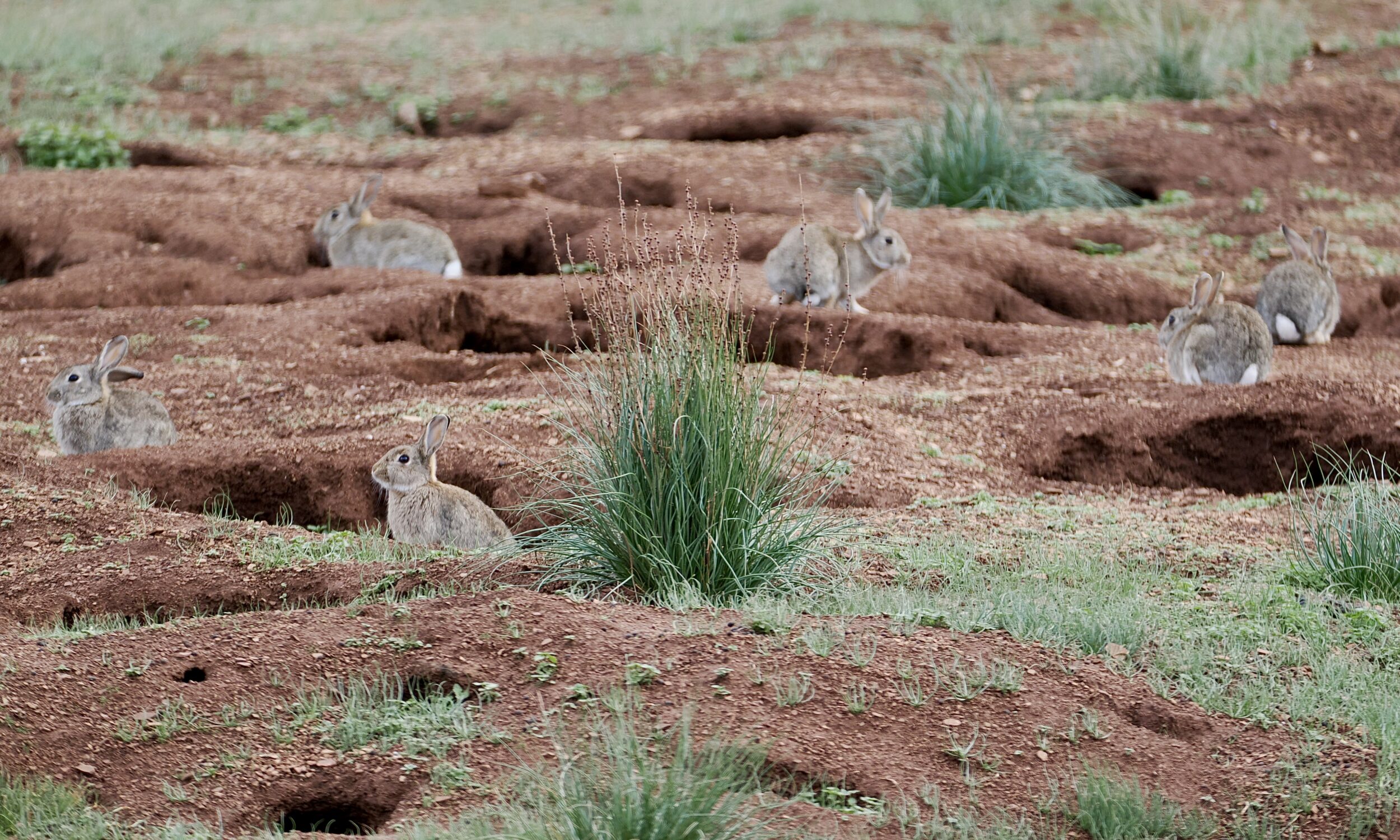
Do you fondly imagine that Australia has overcome its “rabbit problem”?
This post’s 2023-vintage photo was taken recently in a “well-managed”, much-loved National Park.
Comments closedNatural splendour, real musics, wines, wordpower
Do you fondly imagine that Australia has overcome its “rabbit problem”?
This post’s 2023-vintage photo was taken recently in a “well-managed”, much-loved National Park.
Comments closed
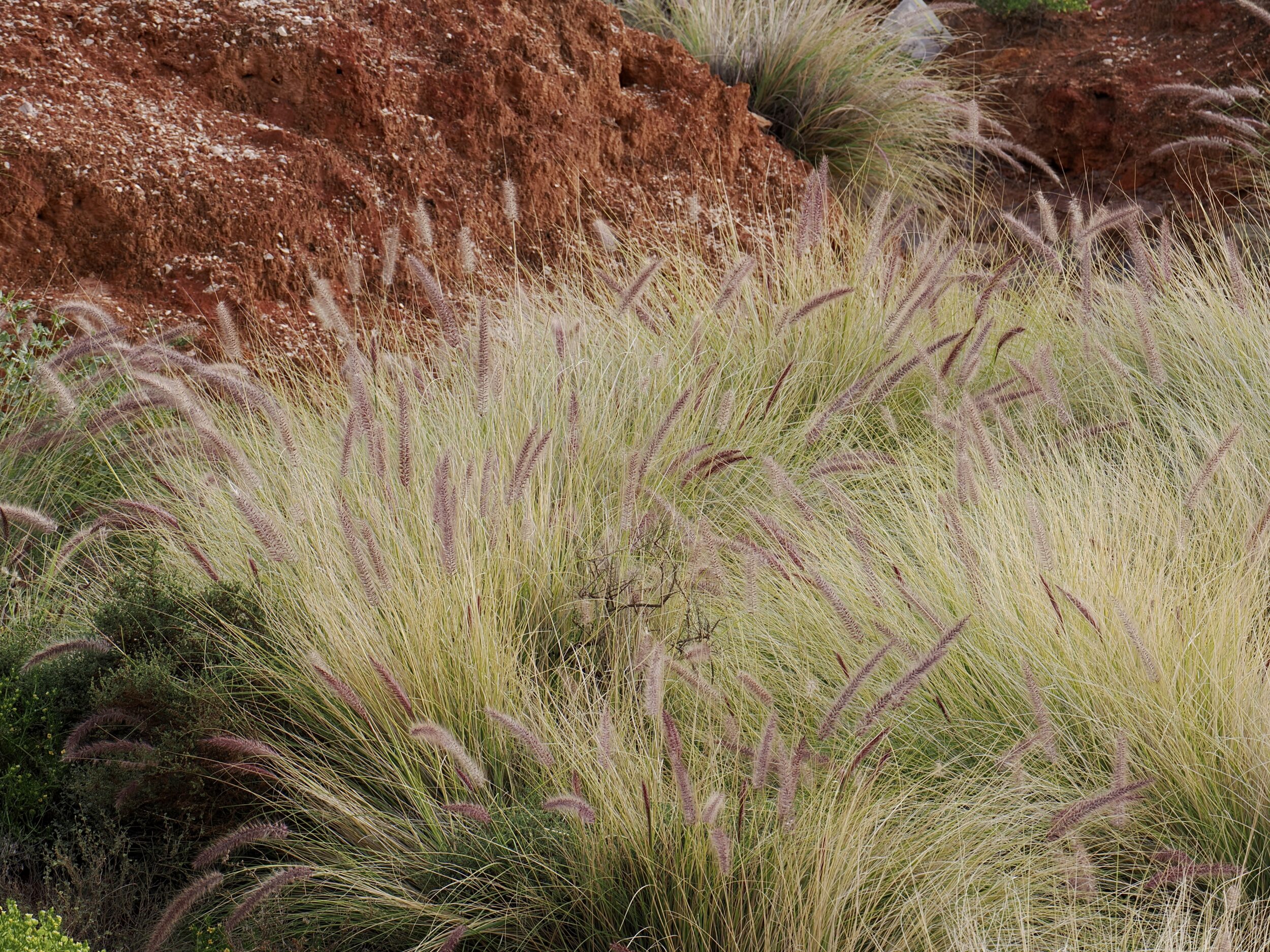
To my eye, Coober Pedy is an ugly town, albeit a singular one.
So, I was delighted to see something so lovely, growing not many footsteps away from a hideous shopping venue and car park.
I love the way such tall grasses look, especially when wind whiffles through them.
Alas, however, I was admiring a very “bad” plant.
Buffel grass – Cenchrus ciliaris L, pictured above – is “arguably the greatest invasive species threat to biodiversity across the Australian arid zone.”
Some beef producers, however, still view it fondly as “great cattle feed”.
The relevant legal requirement in South Australian Arid Lands:
Land owners in this region to take reasonable steps to kill plants and prevent their spread. Enforceable by the South Australian Arid Lands Landscape Board.
Comments closed
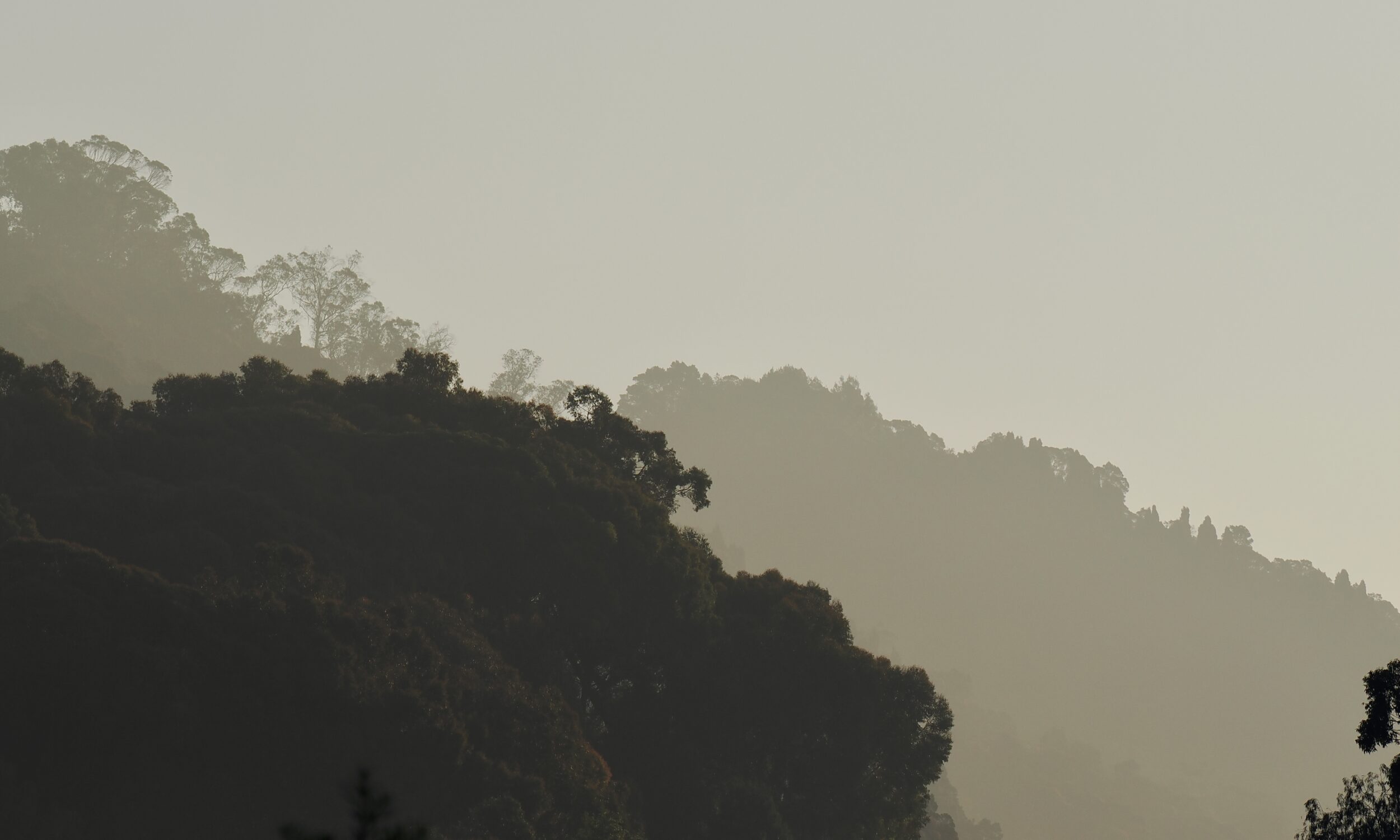
Coonoor (in Tamil Nadu’s northwest) is the second largest town in the Nilgiri Hills, which are part of India’s Western Ghats.
At 1,850 metres – more than 6,000 feet – this attractive town sits at a higher altitude than does any Australian settlement, ski villages included.
Coonoor was the one Western Ghats location where we stayed “in town”, I took the photo from the road in front of our hotel at 6.59 am on 02 March 2023.
Can you notice anything “dead wrong”, environmentally speaking?
Comments closed
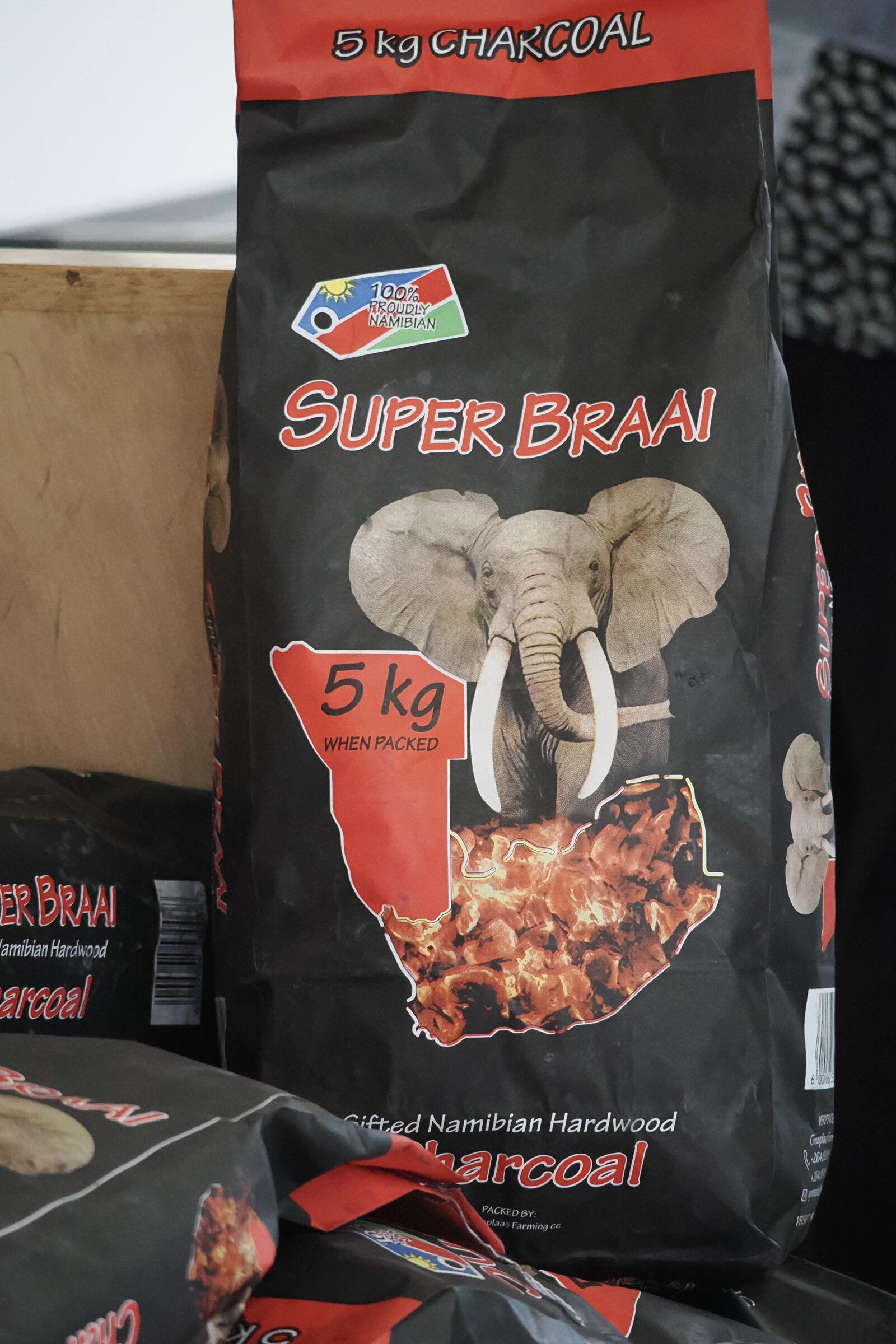
A Wikipedia list of 182 counties, ranked by average annual precipitation, has Colombia allegedly wettest and Egypt driest – respectively, 3,240 mm and 18 mm.
155 nations are allegedly “wetter” than Namibia; its reported annual average of 285 mm is a little more than half of the figure given for nation #141 – Australia.
Yet Namibian-harvested hardwood is the basis for an industry which currently yields more than 70 million Australian dollars worth of annual export income…and that figure is set to soar.
It has nothing to do with construction timbers or wooden furniture.
Comments closed
From a research article published this week in the British Ecological Society’s Journal of Applied Ecology:
Our results suggest that the enrichment of natural soundscapes using underwater speakers may provide an efficient solution for boosting early recruitment and habitat building by oysters.
However, caution the researchers, restoration practitioners must consider the potential for negative impacts from speaker enrichment.
A question for you, dear reader:
before you read the quoted words, had you ever contemplated oysters’ “hearing”, much less their response to sounds played through underwater speakers?
Comments closed
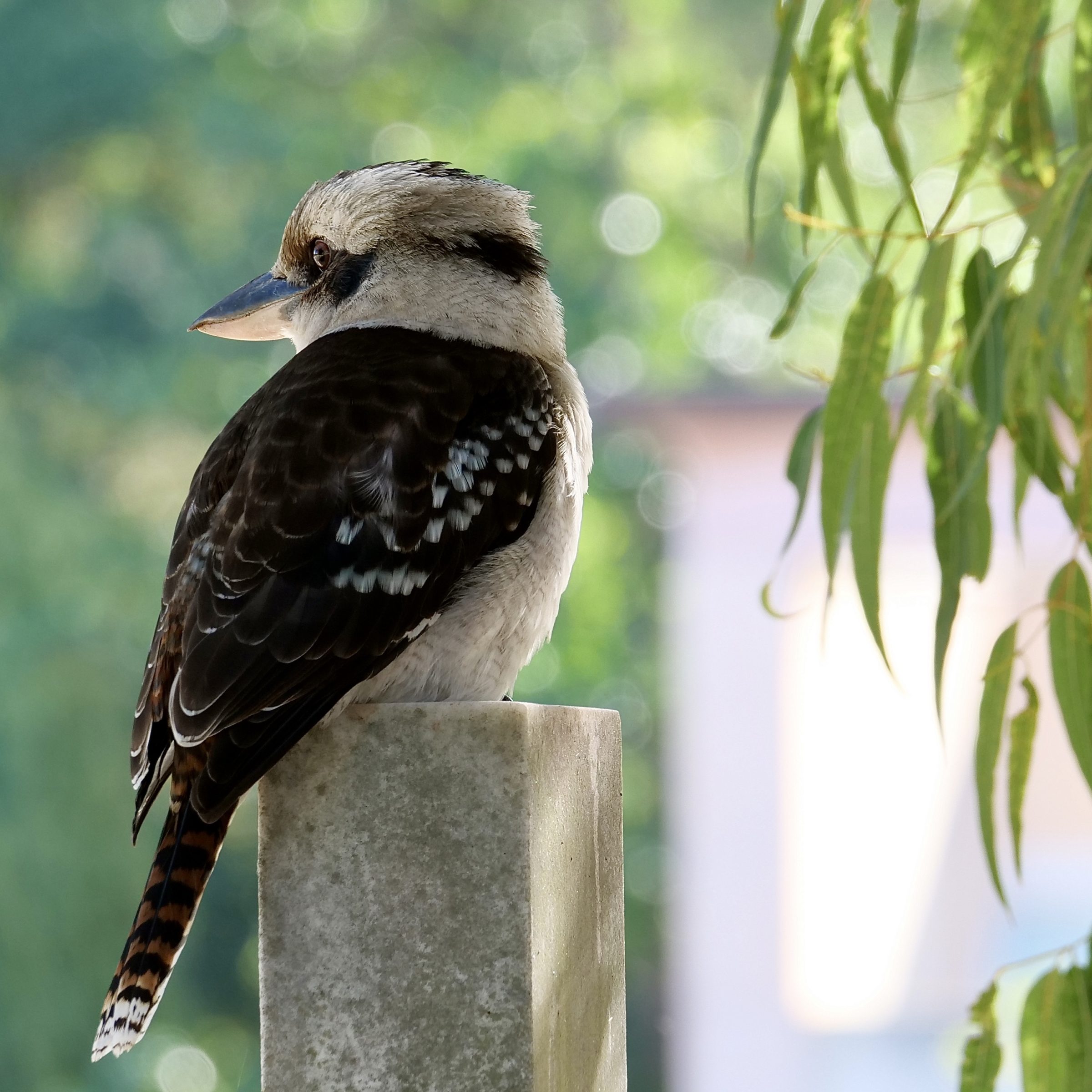
This kookaburra, perched on a grave cross, has something in common with most of the humans who have been buried in Perth’s largest cemetery over the past 123 years.
In 2022, most living WA humans do not know what it is; most of them, in fact, have a quite wrong view of kookaburras’ “place” in southwestern Australia.
Comments closedMany of Perth’s streets are lined by “inappropriate” trees.
Just which ones really are inappropriate – and why – are matters of much-divided opinion.
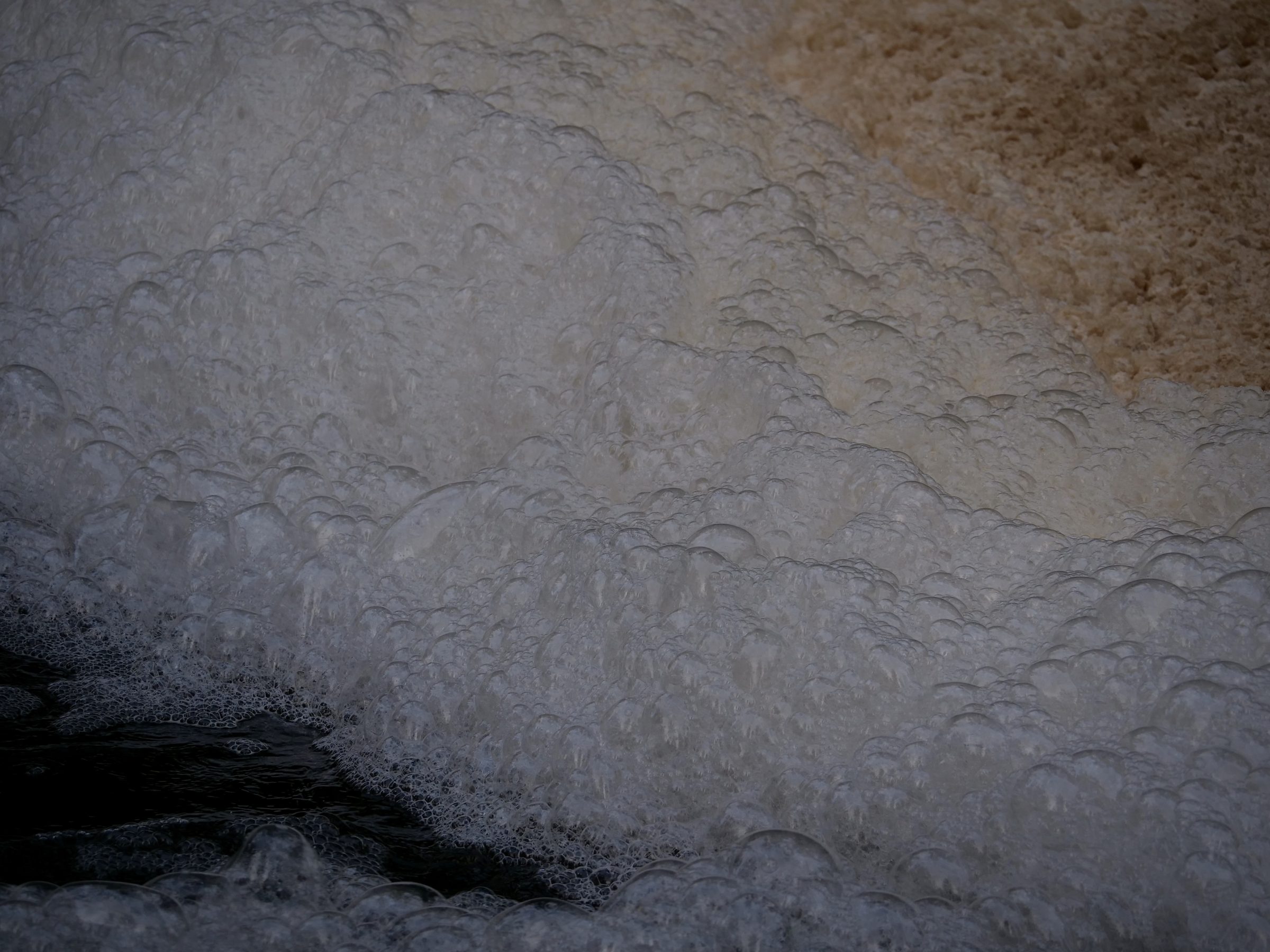
Comments closedPeerless artist: nature.
Medium: fresh, unpolluted water – in this instance, naturally infused with plant oils and tannins as it is river-rushed, and whipped by wind and waterfall, then briefly detained in the rock-rimmed pool immediately below the waterfall.
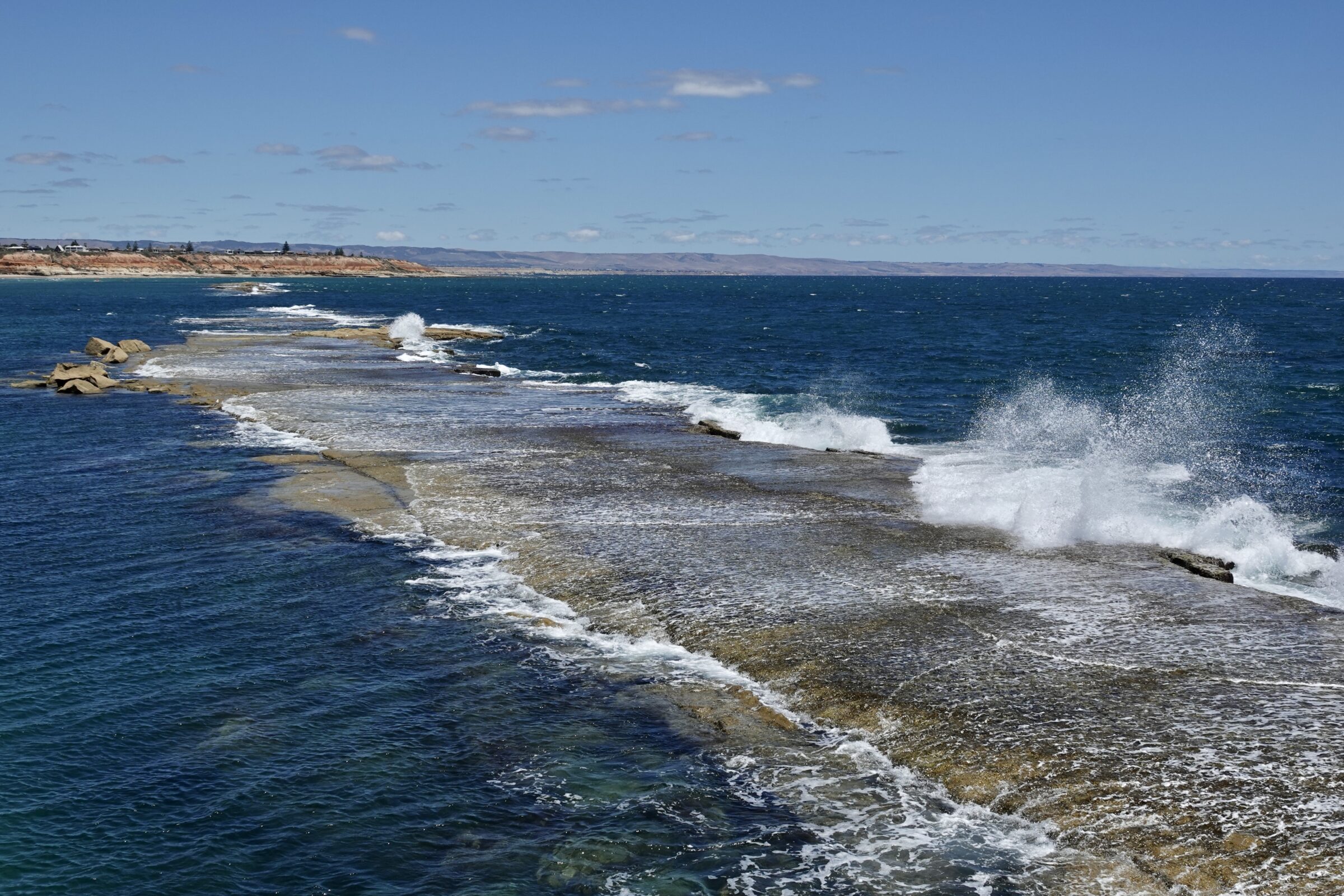
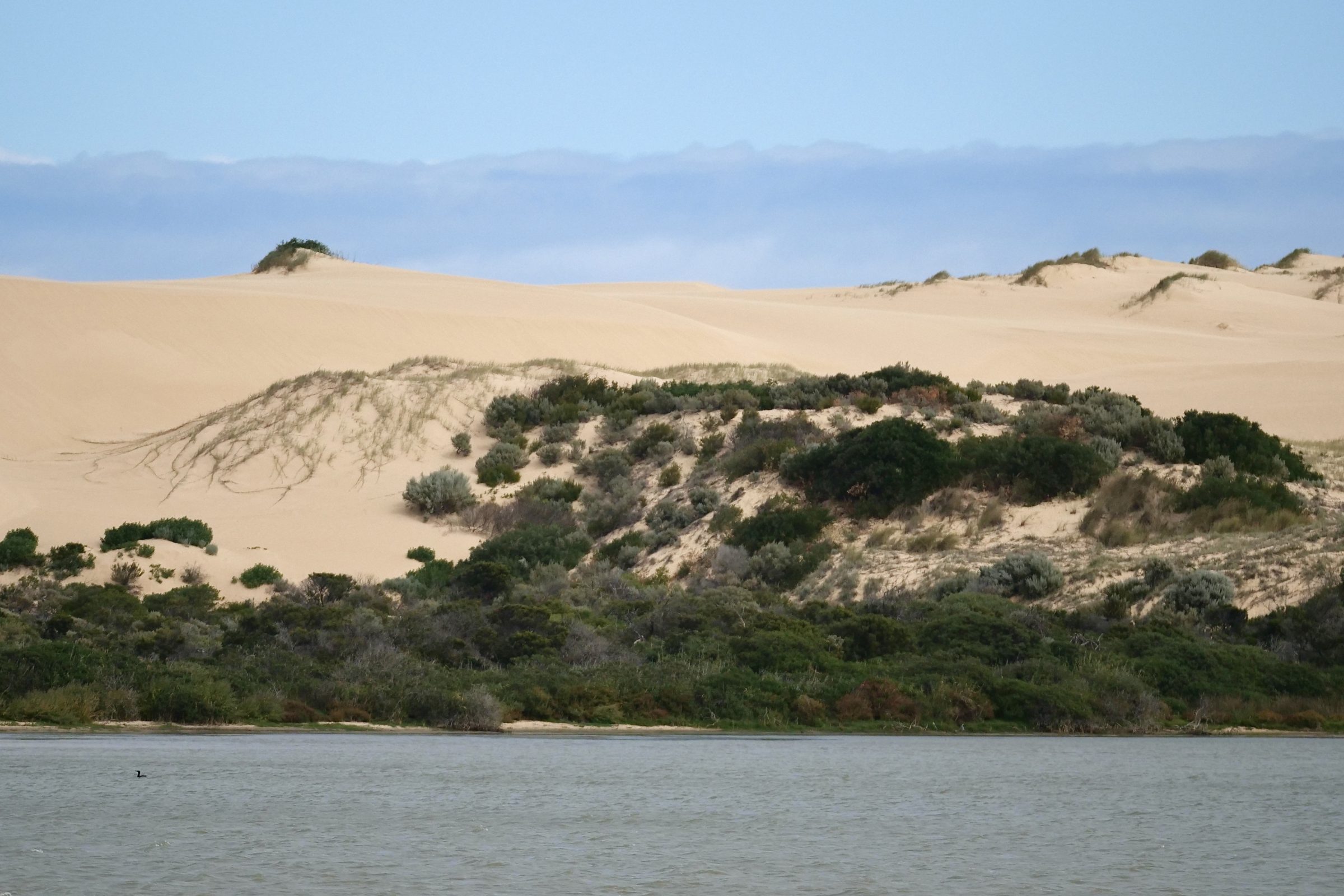
Comments closedThe featured image and the one below were both taken from a boat on the Coorong-proper – Australia’s longest lagoon.
Both photos look across its waters to the Younghusband Peninsula – the dune field that separates the Coorong from the Southern Ocean.
Sand and water are the Coorong National Park’s key components.
The former arrives via wind, and Southern Ocean waves.
Most of the “fresh”-ish supply of the latter is delivered by the Murray-Darling river system.
One Comment
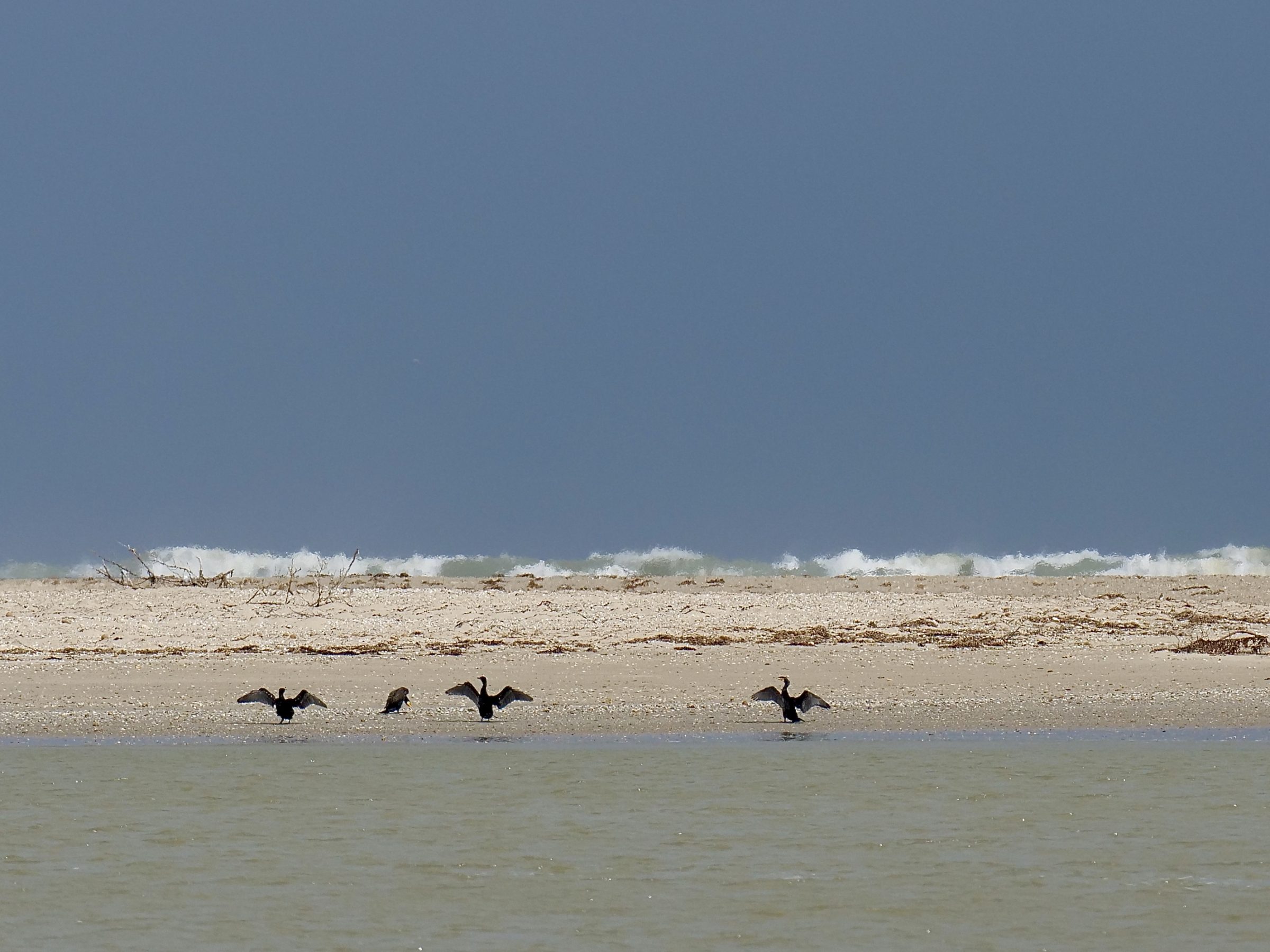
The featured image’s Southern Ocean waves are breaking on the Younghusband Peninsula’s narrowest, northernmost section.
The peninsula’s tip is the southern “lip” of the mouth of Australia’s biggest river system; the cormorants are on the “freshwater side”, as was yours truly at 3.35 pm on 30 March 2022.
If you have never been to this spot, you may be thinking, “it looks splendidly wild, barely touched by humans”.
Alas, you would be very wrong….
One Comment