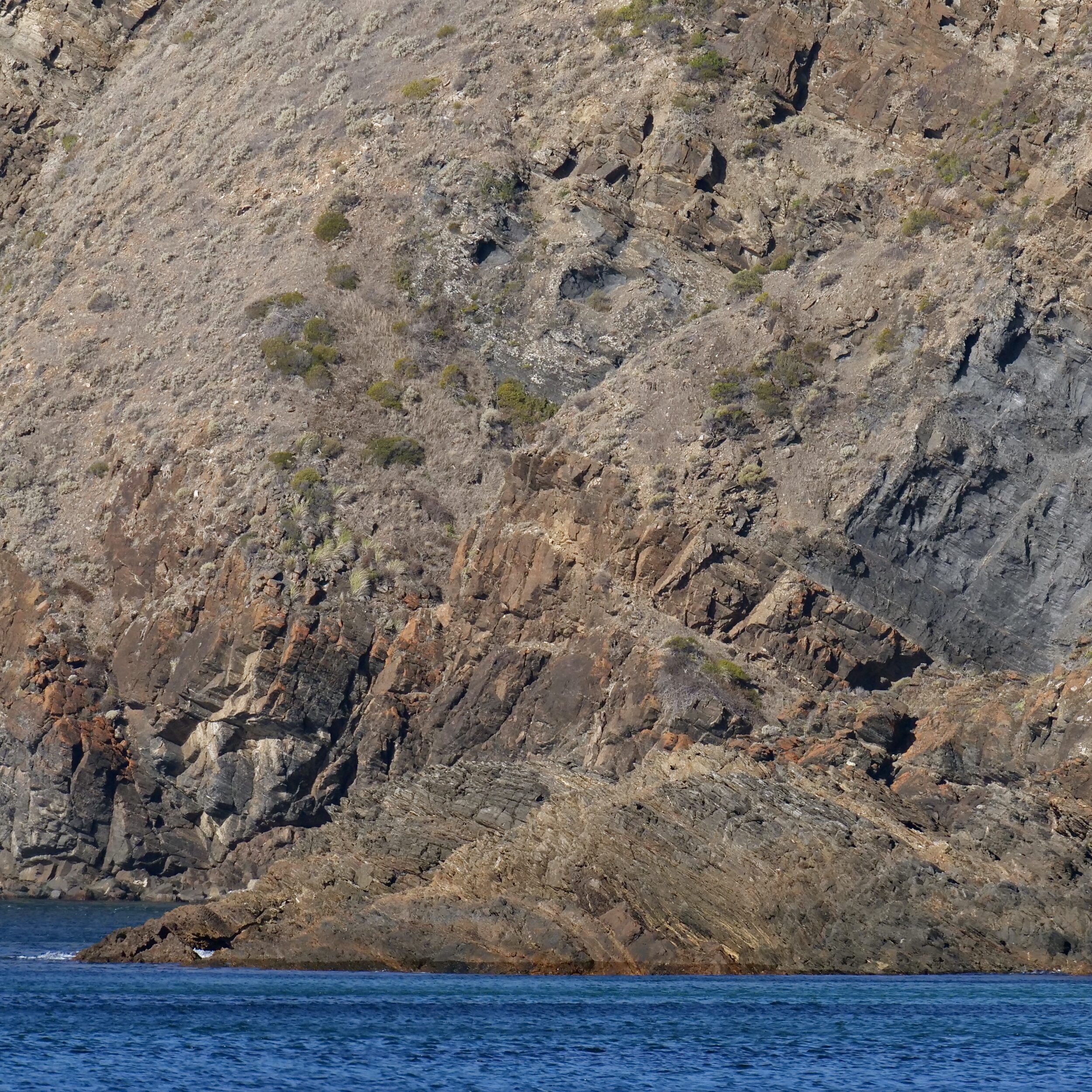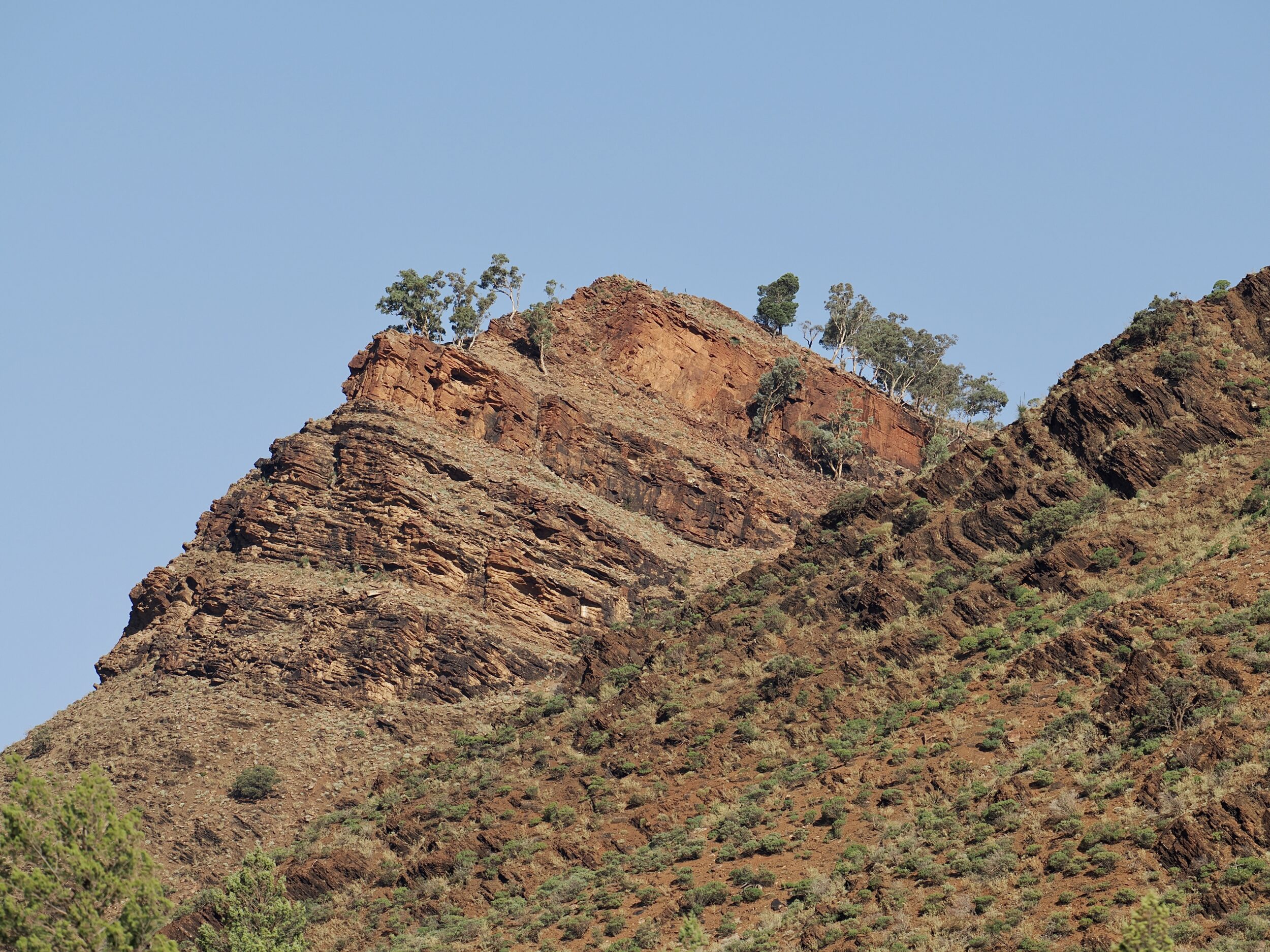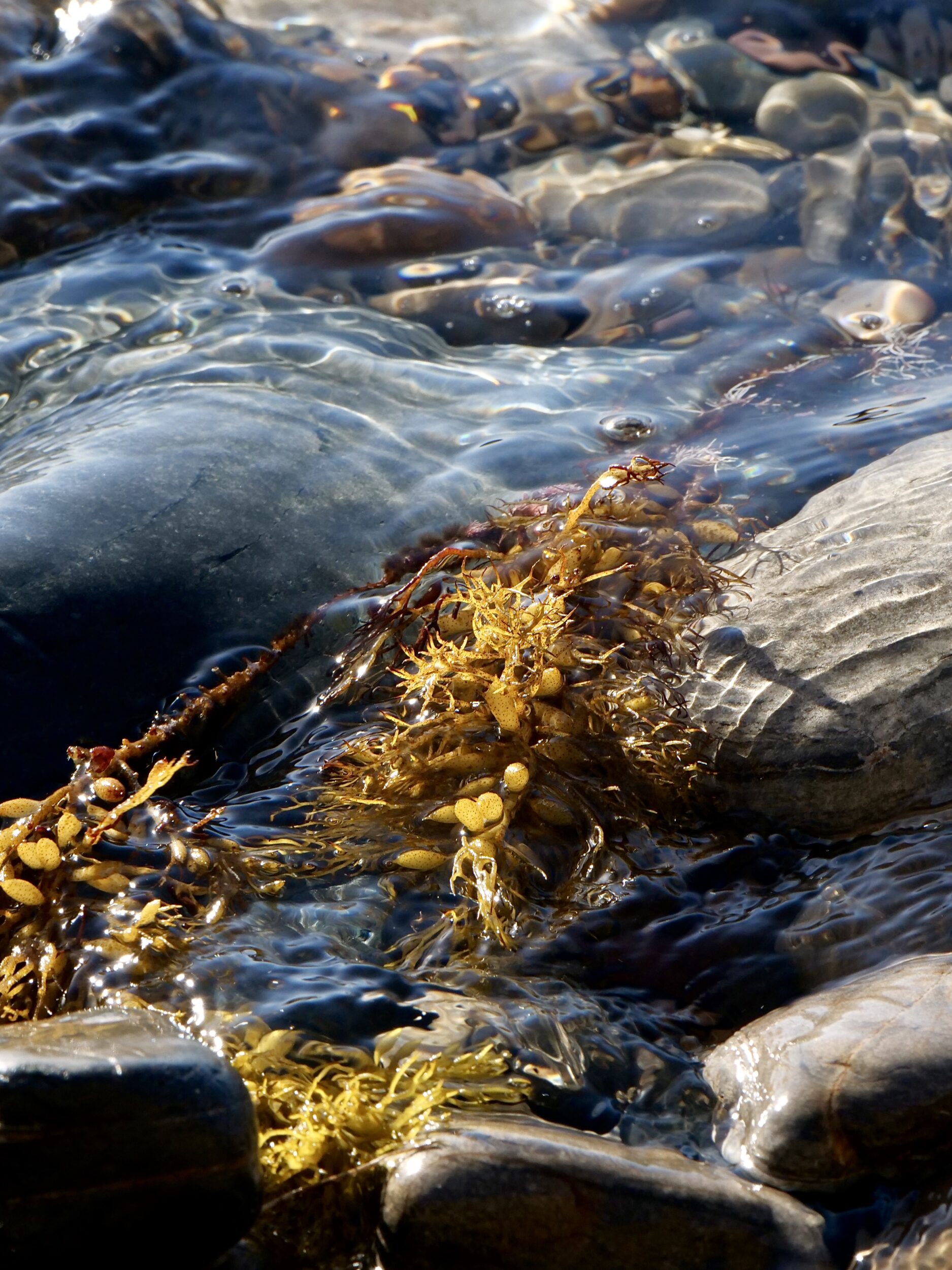
The “14B” image involved the same telephoto lens as did “14A”.
Here, however the focal point is very much closer – water’s edge, just in front of me.
Comments closedNatural splendour, real musics, wines, wordpower
The “14B” image involved the same telephoto lens as did “14A”.
Here, however the focal point is very much closer – water’s edge, just in front of me.
Comments closed
Sometimes, when revisiting a long-favourite place, I intentionally limit my photographic options.
90 kilometres south of Adelaide, Second Valley is one such place – a geologically extraordinary and very beautiful coastal location on the eastern edge of the Fleurieu Peninsula.
If you have never been there, I suggest you now have a look at this December 2017 post; it will – virtually, at least – give you a “good look around”, and convey a sense of how some aspects of Second Valley are very old, whilst others are surprisingly young.
On the first day of April 2022, I opted to use a long telephoto lens, only.
Accordingly, even this post’s “landscape view” embraces just a very small portion of what a pair of naked human eyes would see when gazing at Second Valley’s sea cliffs.
Comments closed
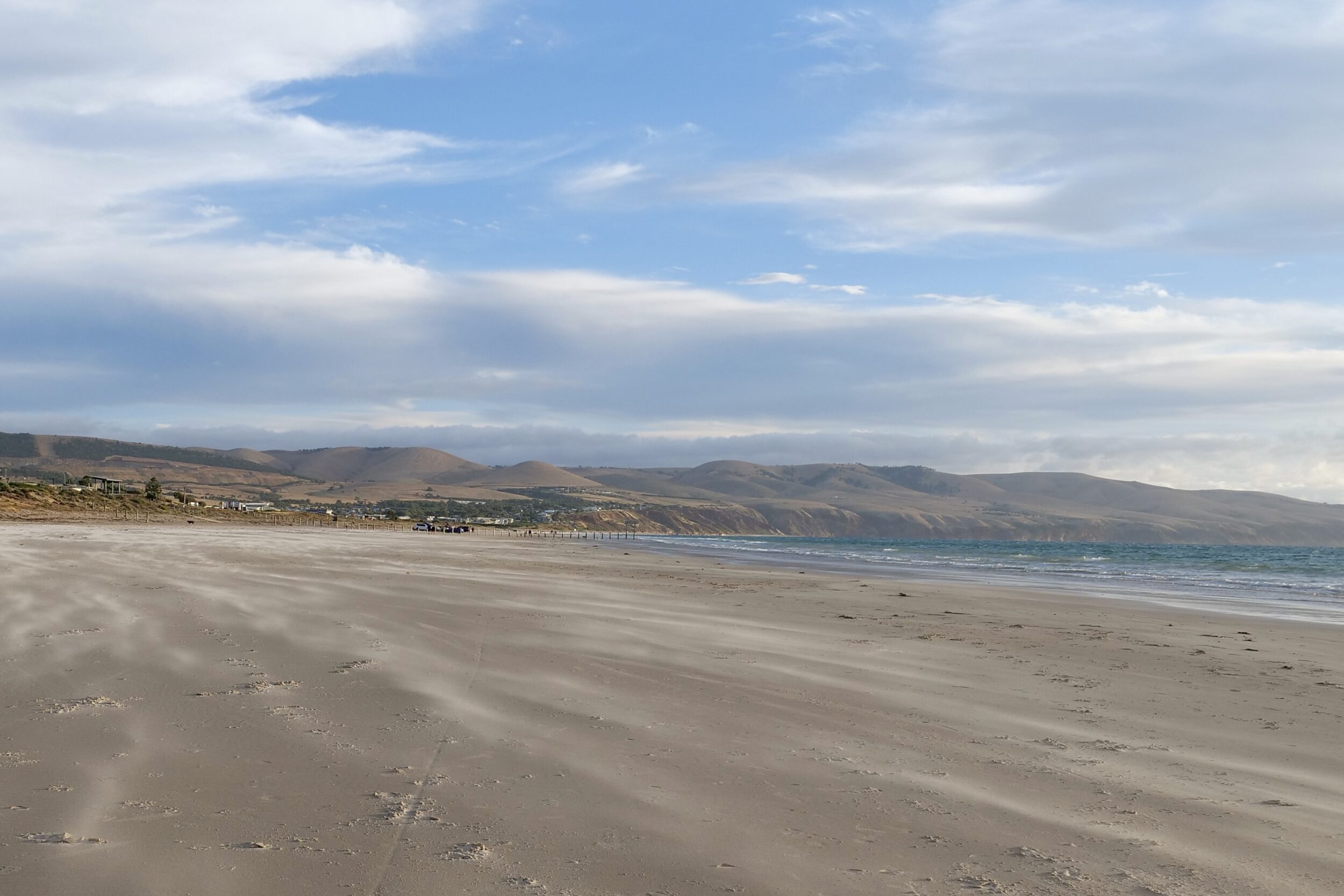
The previous post’s image was a wide-angle view of Aldinga Beach, taken from the beach itself, looking south, shortly before sunset on 20 January 2023.
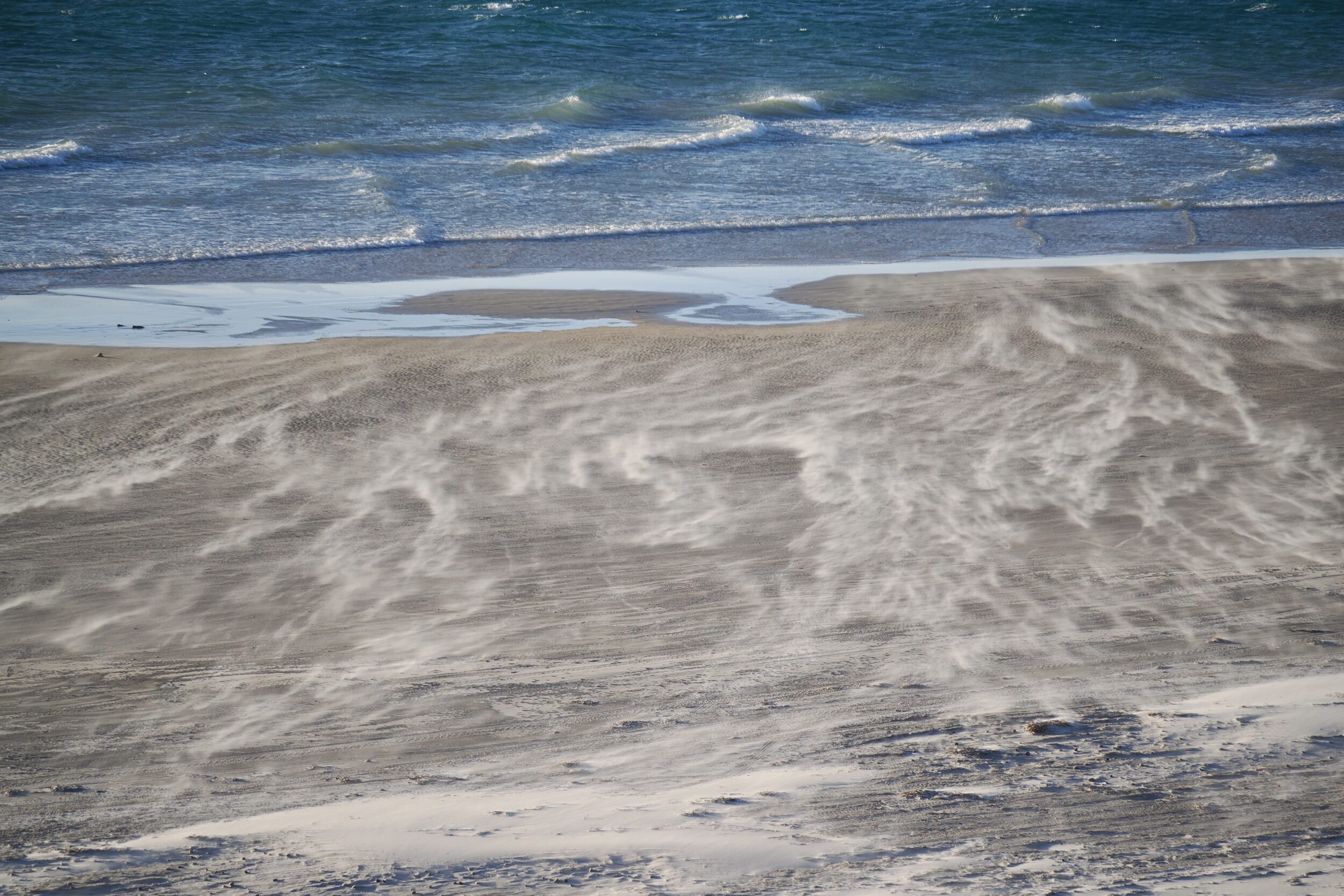
This post’s “much closer view” was taken at 7. 51 pm on 21 January 2023.
I was standing on a stairway, above the beach, looking down and east, through a much longer (200 mm) lens.
The wind was more vigorous than it had been at the same hour on the previous day.
Comments closed
Most of the time, the drive south from Adelaide to Aldinga takes one hour or a little less than that.
Aldinga’s coast is a lovely combination of firm sand, safe swimming, inviting coastal reefs (upon which one can walk at low tide) and big vistas of sea, sky, and obviously-ancient hills.
Aldinga also offers interesting bush, and very easy access to the rest of the Fleurieu Peninsula’s many delights.
We have based ourselves there many times, and have often walked along the pictured beach.
Comments closed
This post’s “much closer view” involved almost the very same vantage point as the previous post’s “landscape” image.
You may recognise the particular bush which is present in both photos…but to very different effect.
Comments closed
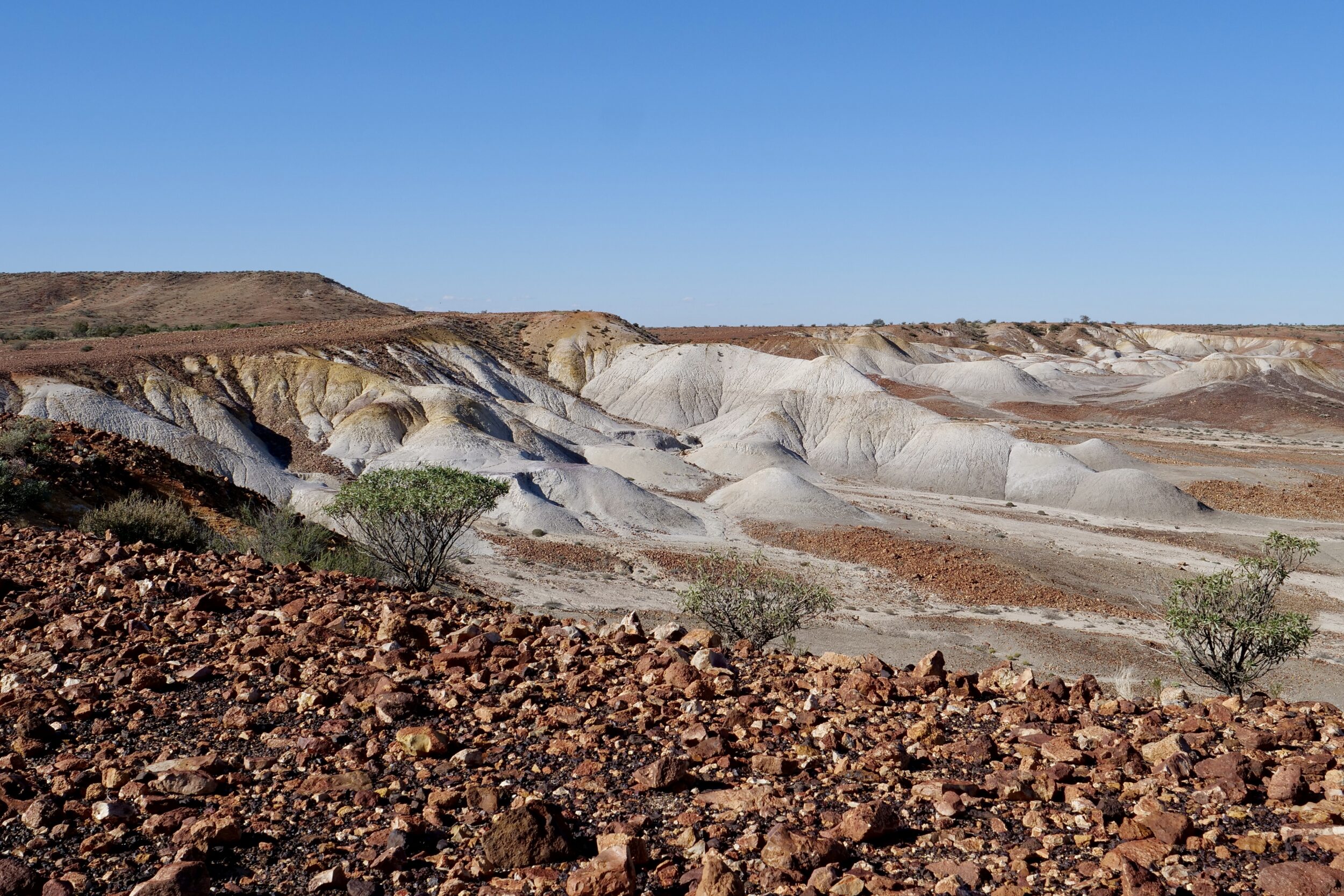
South Australia’s Painted Desert has to be seen to believed.
It takes some effort to see it; access to this spectacular, very fragile place is restricted, and the Painted Desert is on private property.
Arckaringa Station handsomely meets any reasonable definition of “remote” – more than 960 kilometres from Adelaide, it is more than 100 kilometres north of Coober Pedy.
Comments closed
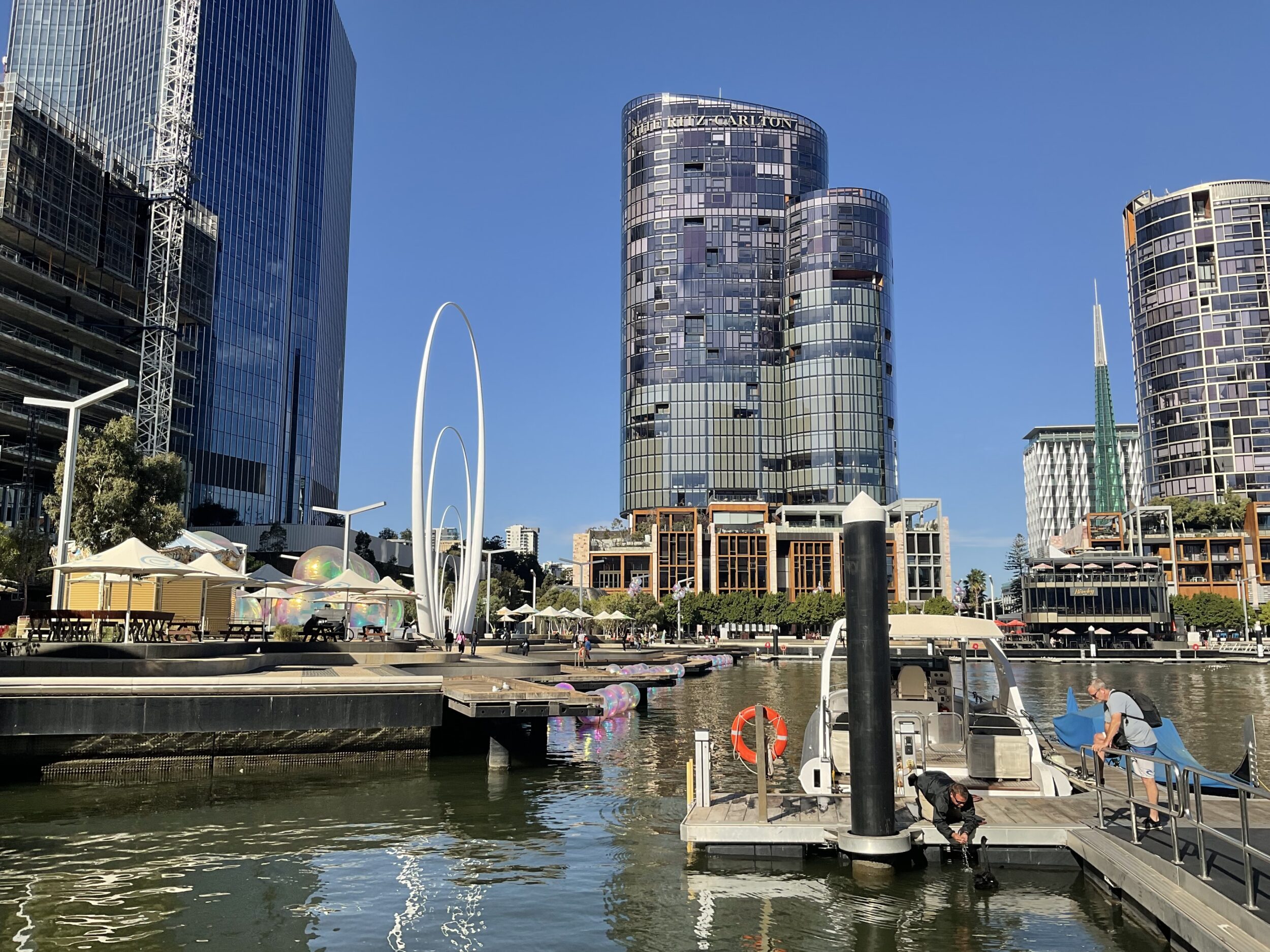
The featured image looks east, across Perth’s Elizabeth Quay, at 2. 49 pm on 24 April 2024.
Its official name – bestowed in 2012 by then WA Premier Colin Barnett – honoured the then British monarch.
The name came after the monumentally-expensive development’s first sod had been turned.
More than a few Perth residents prefer to call it “Betty’s Jetty.”
Comments closed
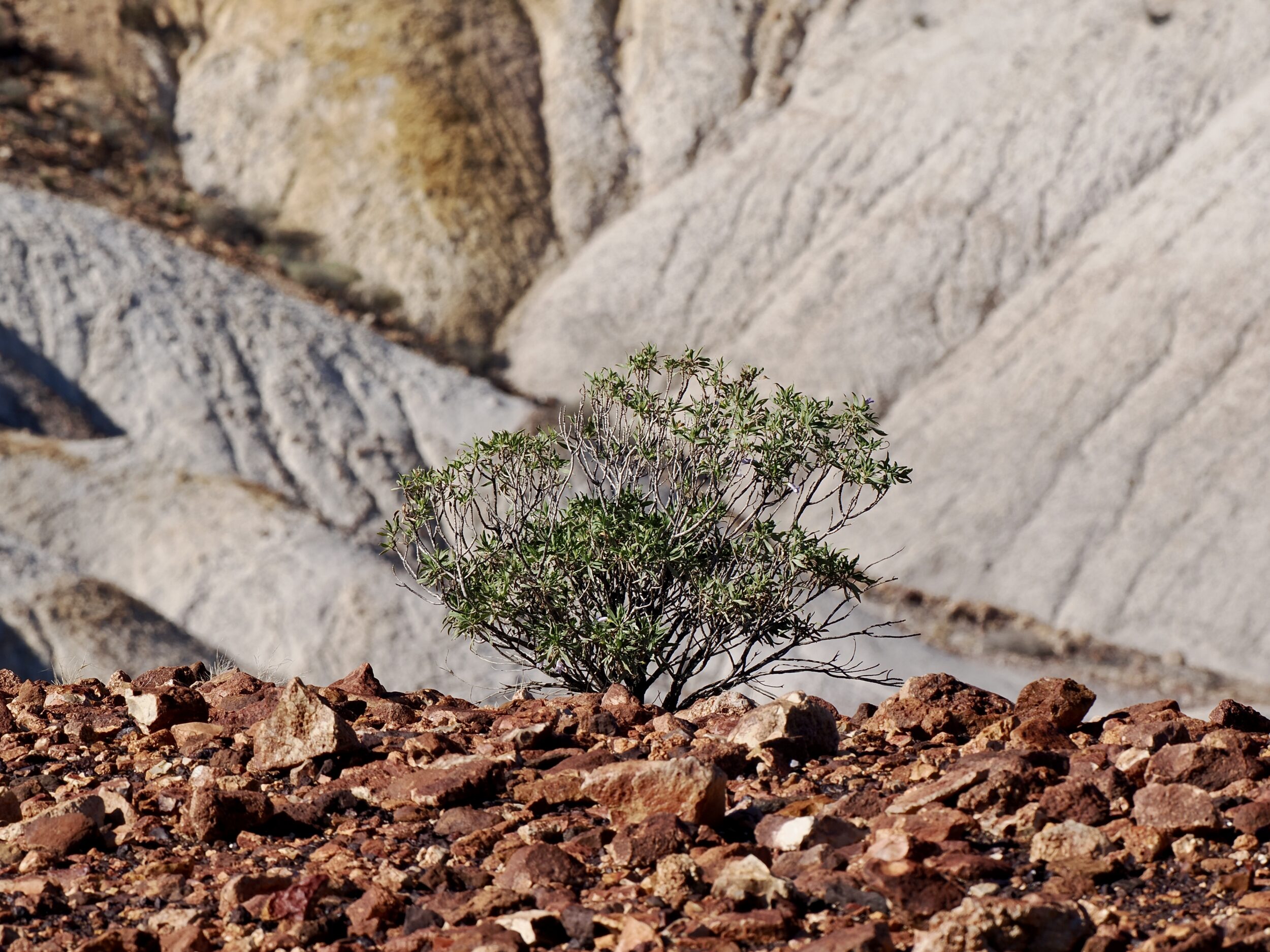
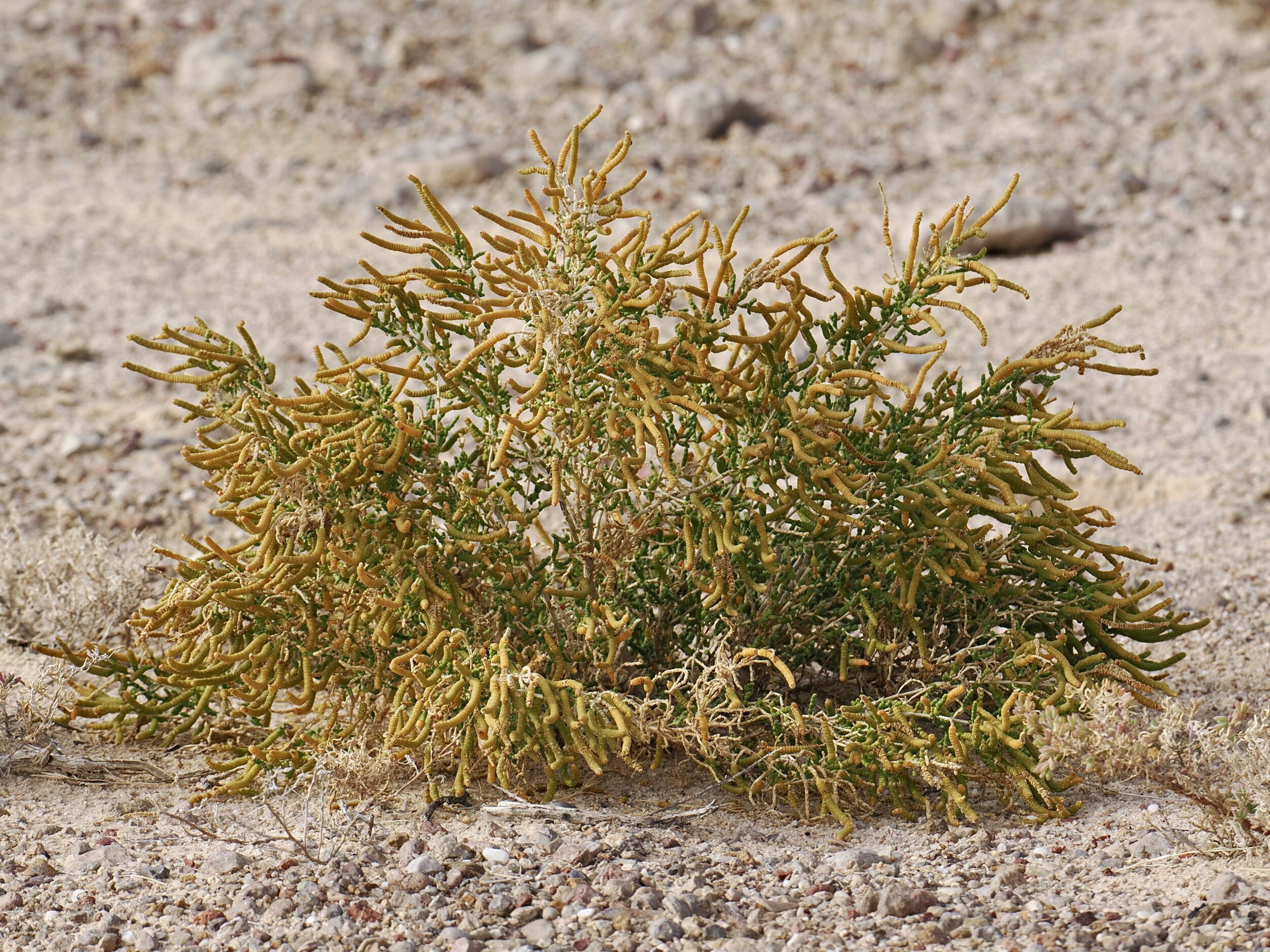
Magnificently stark as Lake Eyre generally is, its banks and surrounding terrain are a deal more vegetated – and the vegetation is more diverse – than most newcomers expect.
Some of the plants are wonderfully weird; necessarily, all are hardy, and adapted to one of the world’s more “demanding” environments.
Comments closed
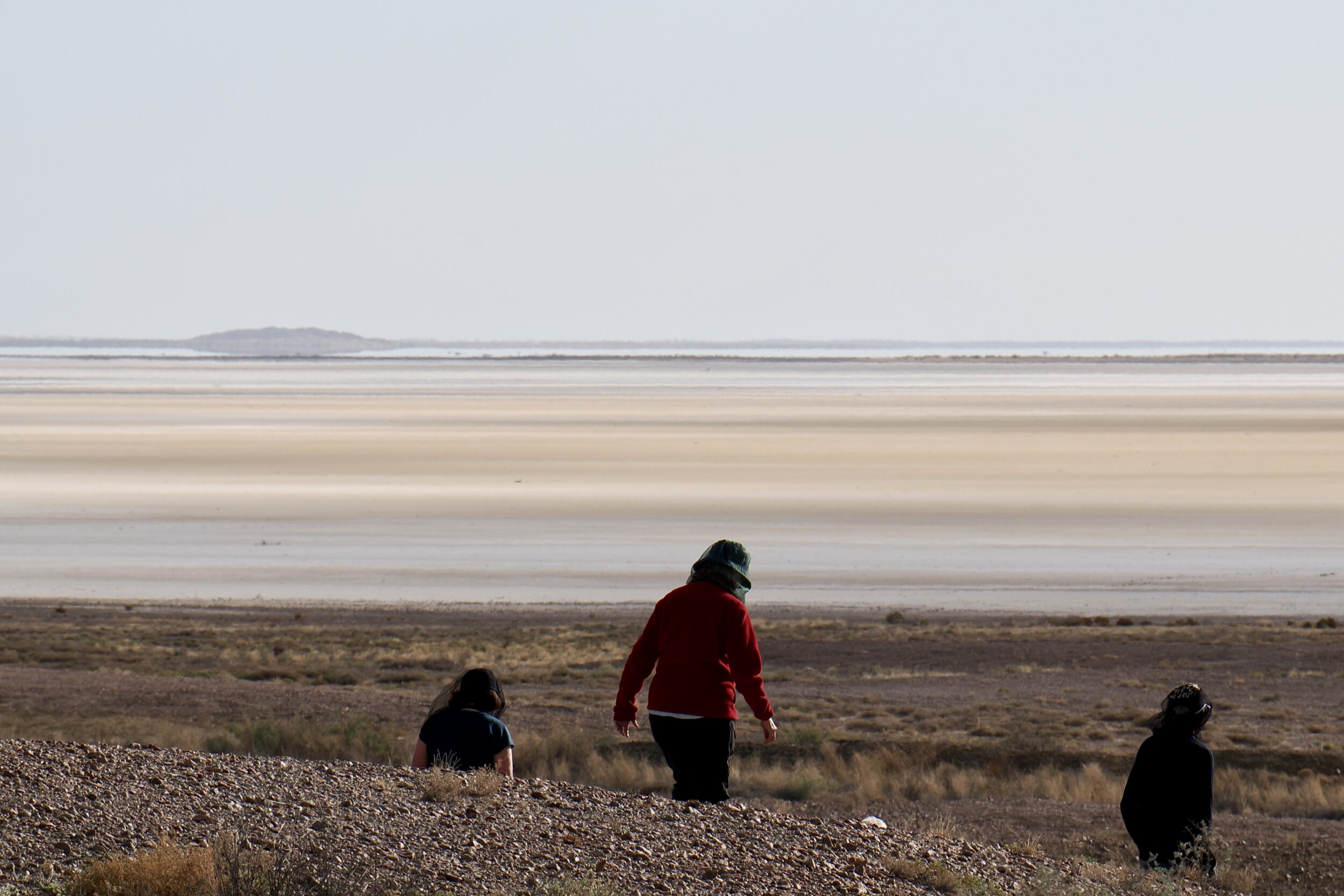
Not yet!
However, most (of the relatively few, still) people who have reached the pictured lake do find it decidedly “unearthly”
Moving from “landscape view” to “closer view” is highly likely to alter a first-time visitor’s initial impression/estimation of Kati-Thanda-Lake Eyre, but most visitors continue to feel that they are on “another planet”.
Comments closed
At 3.50 pm on 07 June 2023 my feet were very close to where they had been when I took the “7A” image, just three minutes earlier, whilst enjoying a leisurely walk through part of Parachilna Gorge.
I was, nonetheless, effectively able to get nearly eight times closer to one of the previous photo’s four peaks – by looking through a 400mm lens, as opposed to 54mm.
Comments closed