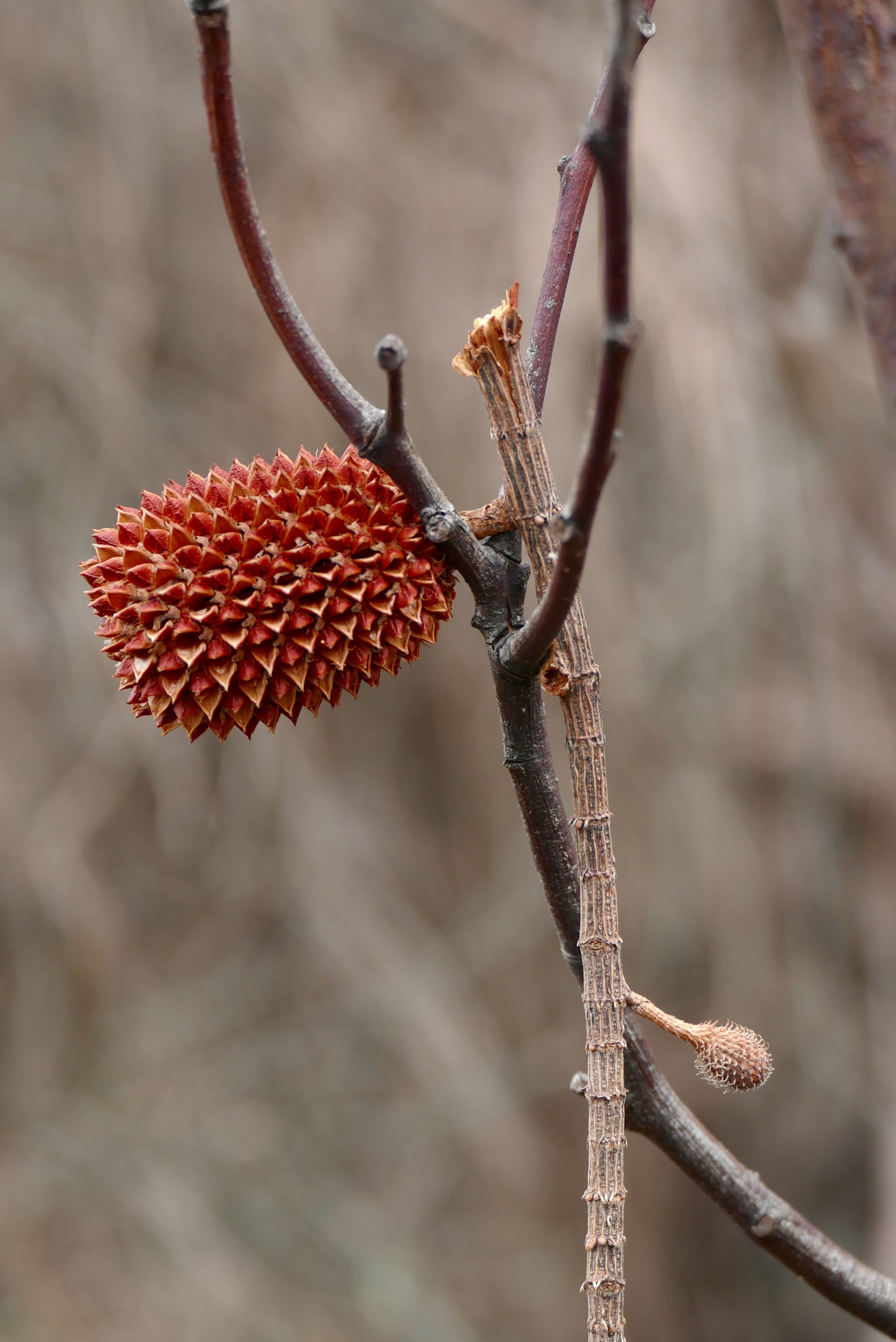
Greenhood orchids are currently blooming in Perth’s Kings Park.
Not all of them have green “hoods”!
Comments closedNatural splendour, real musics, wines, wordpower
Greenhood orchids are currently blooming in Perth’s Kings Park.
Not all of them have green “hoods”!
Comments closed
The world’s most extensive tropical coastal wilderness is that of the Kimberley, in northern Western Australia.
Its landscapes are epic.
So are the skyscapes; Kimberley thunderheads can dwarf Everest.
Comments closedThe featured image depicts maternal tenderness, but Macaca thibetana is also a strikingly aggressive, opportunistic species.
Unsurprisingly, this species’ “near threatened” status is the result of pressure/competition from our own aggressive, opportunistic species!
Tibetan Macaques live in cool subtropical Asian forests at elevations between 800 and 2500 metres above sea level.
Comments closedThis post alerts you to two provocative essays about Australian governments’ approach to “public spending”.
One looks at general home truths, facts, fictions and illusions, with particular reference to our “post-pandemic” economic & social well-being.
The other addresses Australia’s response to “the threat from China”.
According to Richard Dennis, we Australians are reluctant to look into the simple truth hidden in plain sight:
One Comment
Four kilometres south of the little town of Augusta is Cape Leeuwin, atop which sits the Australian mainland’s tallest lighthouse.
The much-promoted notion that this is where two oceans meet is highly debatable; arguably, the Indian Ocean laps both sides of Cape Leeuwin.
Regardless, it is our continent’s bottom left hand “corner”, and the Augusta/Leeuwin “corner” is a wonderful place.
One Comment
Southwestern Western Australia is rightly renowned for the extraordinary diversity of its flowering plants.
Its fungi are even more diverse.
Fungi species comprehensively outnumber the combined total of plant and animal species.
Macrofungi are the ones with fruiting bodies big enough to be visible to an observant, naked human eye, in the wild.
Comments closed
This post’s featured colour photo (copyright Doug Spencer) was taken just four minutes before – and from almost the same vantage point – as the immediately preceding post’s monochrome image.
I have been lucky enough to walk in many different kinds of forest, on six continents and various islands.
All are beautiful, in many different ways, but if I had to choose a favourite, it would be so-called “virgin Karri forest”.
Comments closed
Photo (copyright Doug Spencer) taken just a few days before today’s winter solstice, in one of my favourite southwest Australian places.
Comments closed
Sequentially, the featured image is the fourth of this post’s photos, all taken within the contest’s brief timespan: a little less than four minutes.
Formally, the “snake bird” is an Oriental darter, Anhinga melenogaster – the same species who looked so very different when in repose, in #66 in Pelican Yoga’s “a shining moment” series.
One Comment
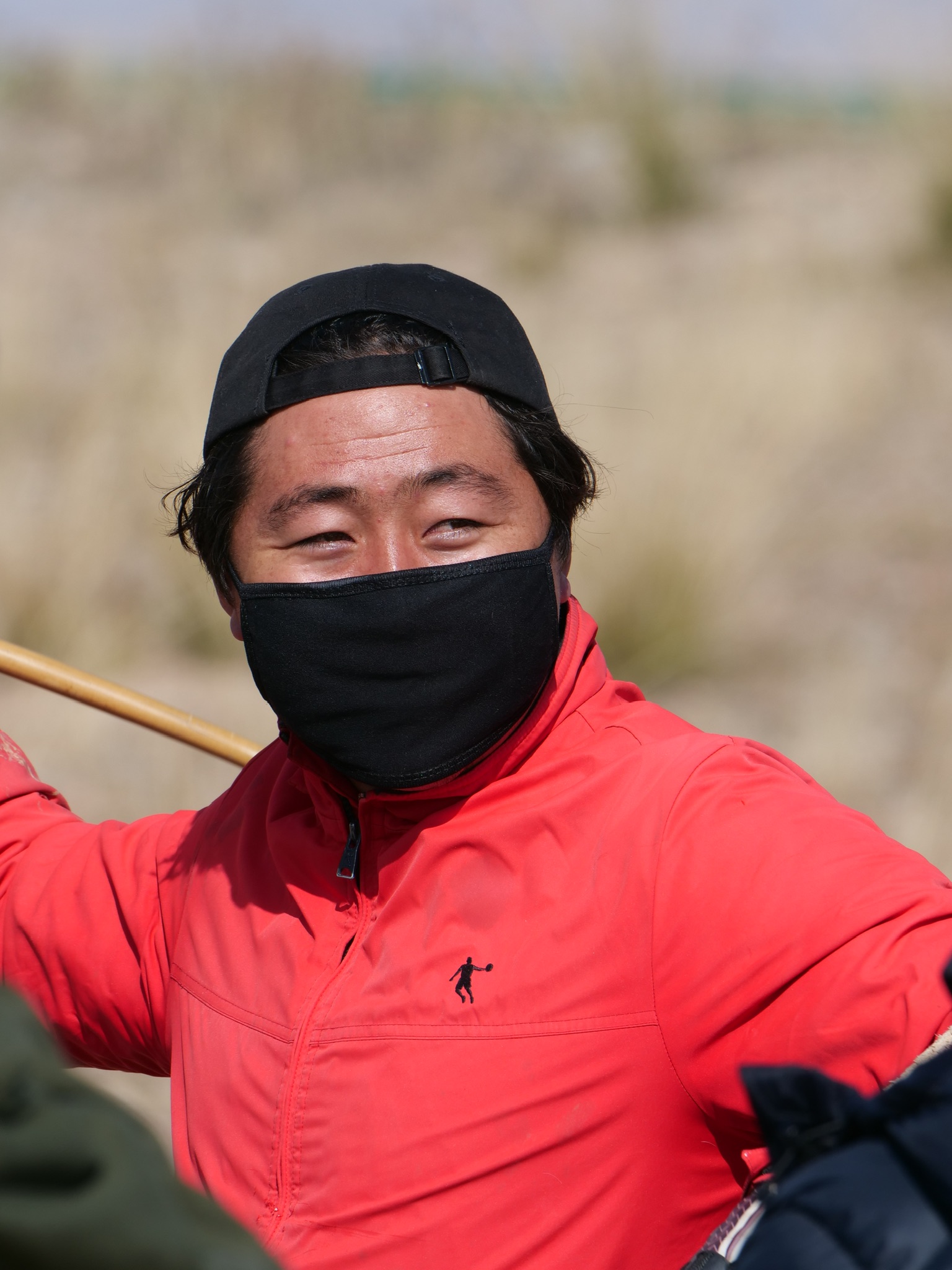
It is a great pleasure to encounter a non-gloating, happy person – one who appears comfortable in their own skin, who requires “no particular reason” to be happy, who radiates contentment, is fully alive, and not “on guard”.
Such encounters do not require a common language, nor any words to be spoken.
Typically, no commercial transaction is involved, no contest, no “big event”…
One Comment