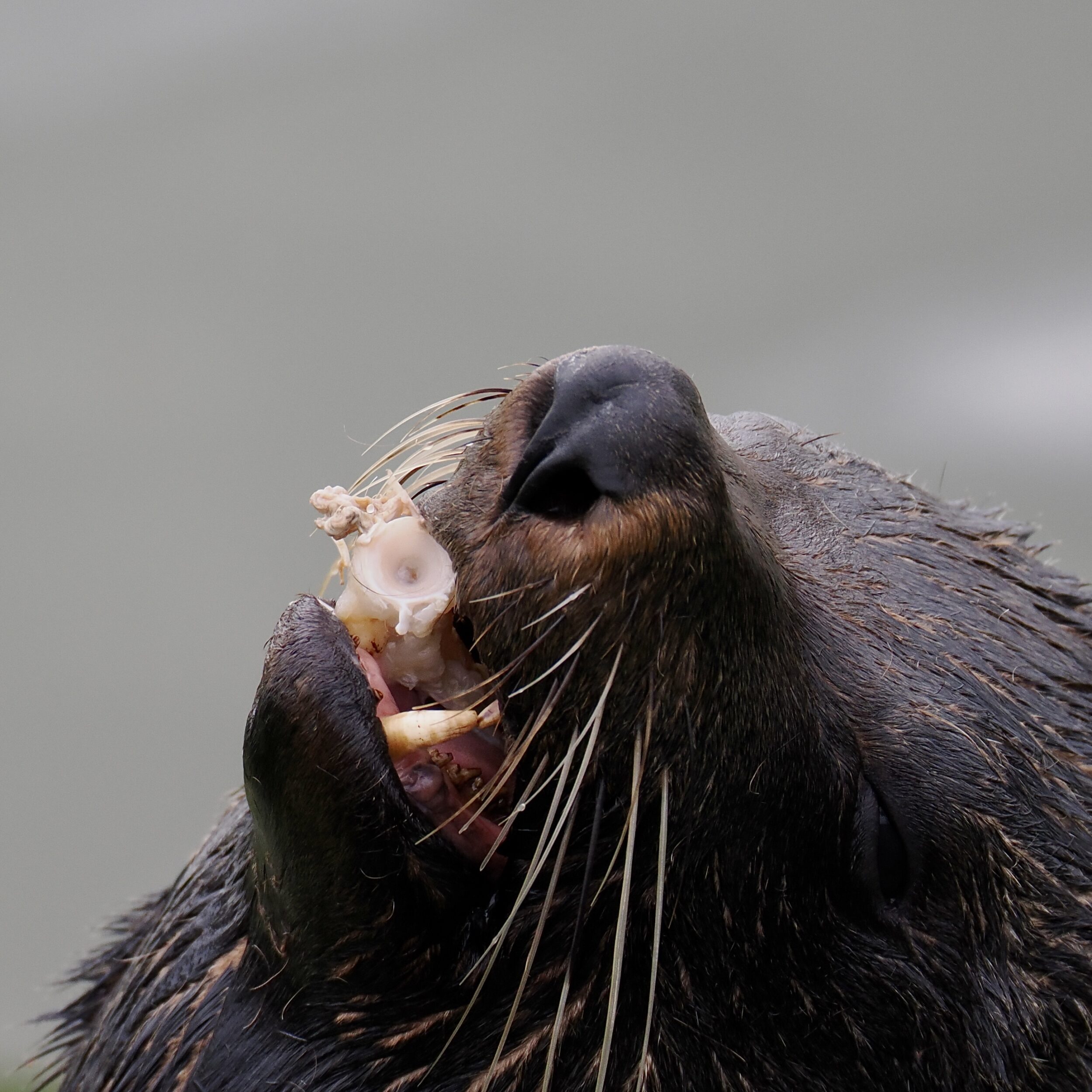
Freshly killed, then crunched: European carp are devoured with great gusto by long-nosed fur seals.
Sans table, sans table manners…
Comments closedNatural splendour, real musics, wines, wordpower
Freshly killed, then crunched: European carp are devoured with great gusto by long-nosed fur seals.
Sans table, sans table manners…
Comments closed
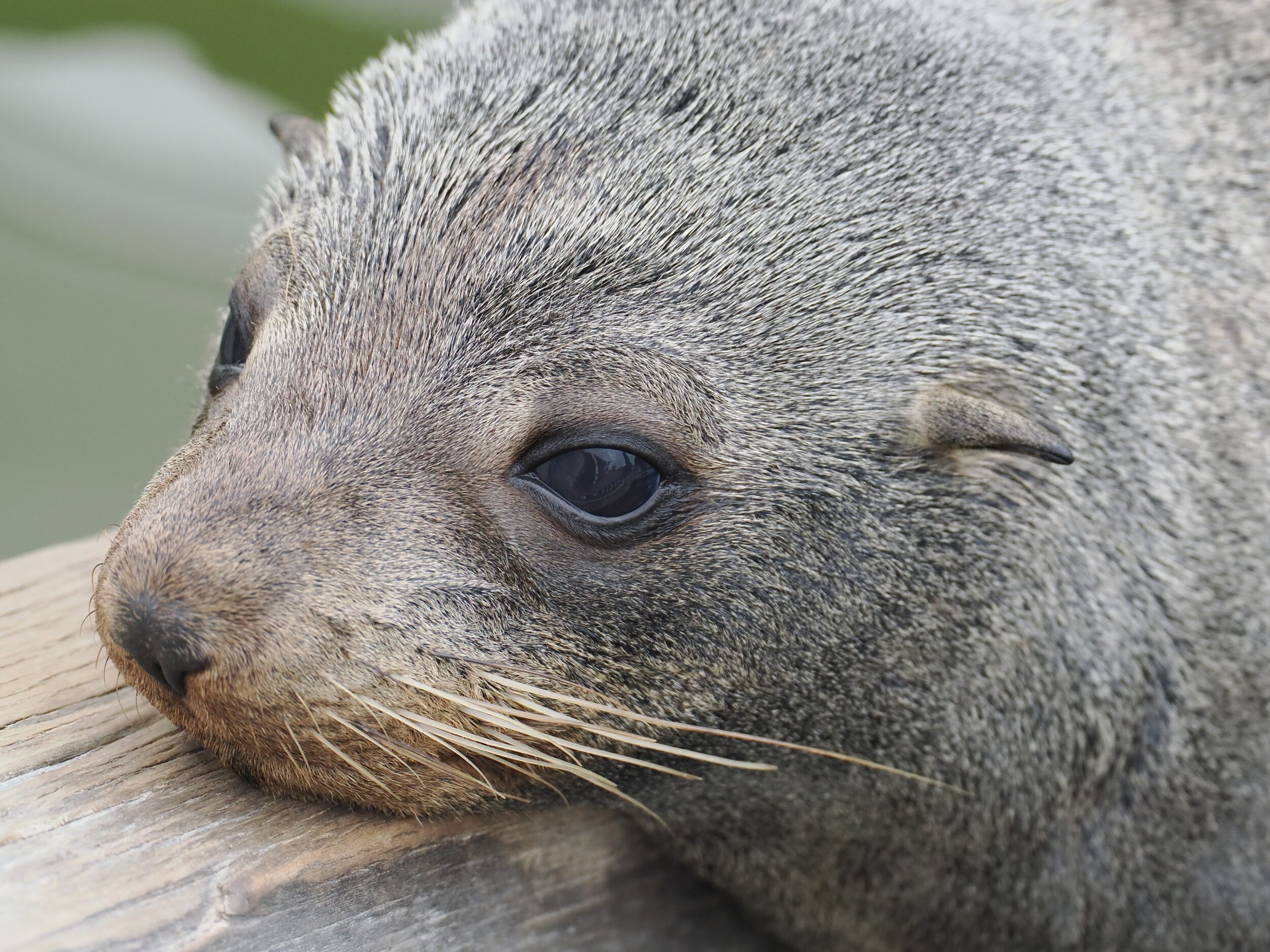
Of course, as we made our return passage through the Goolwa Barrage lock, long-nosed fur seals were again present.
Both the youngster in the above photo and the young adult pictured below were in “postprandial” mode.
Comments closed
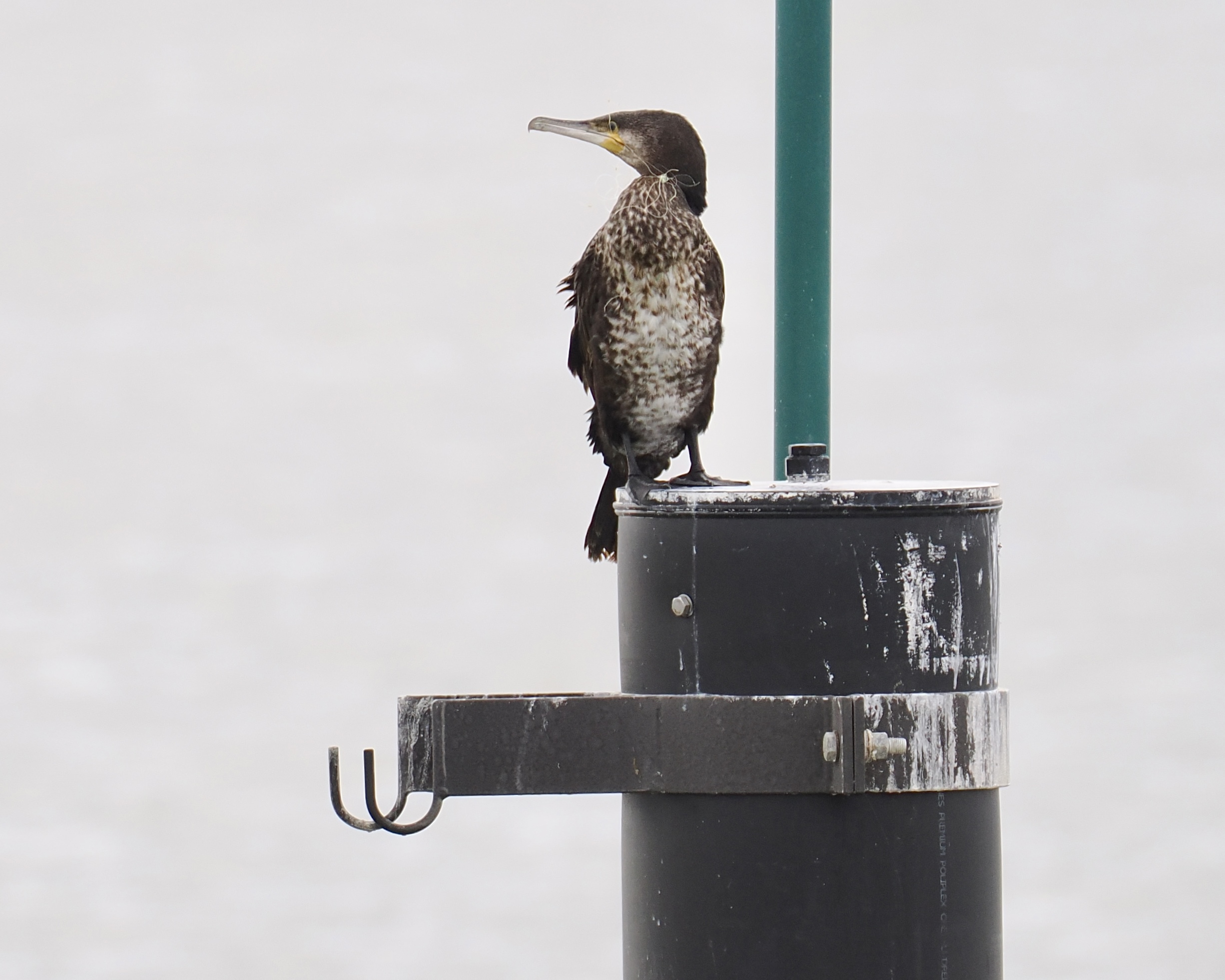
As we approached the Goolwa Barrage, I noticed an unlucky cormorant.
Courtesy of a careless human, the pictured bird probably had a very short future.
Comments closed
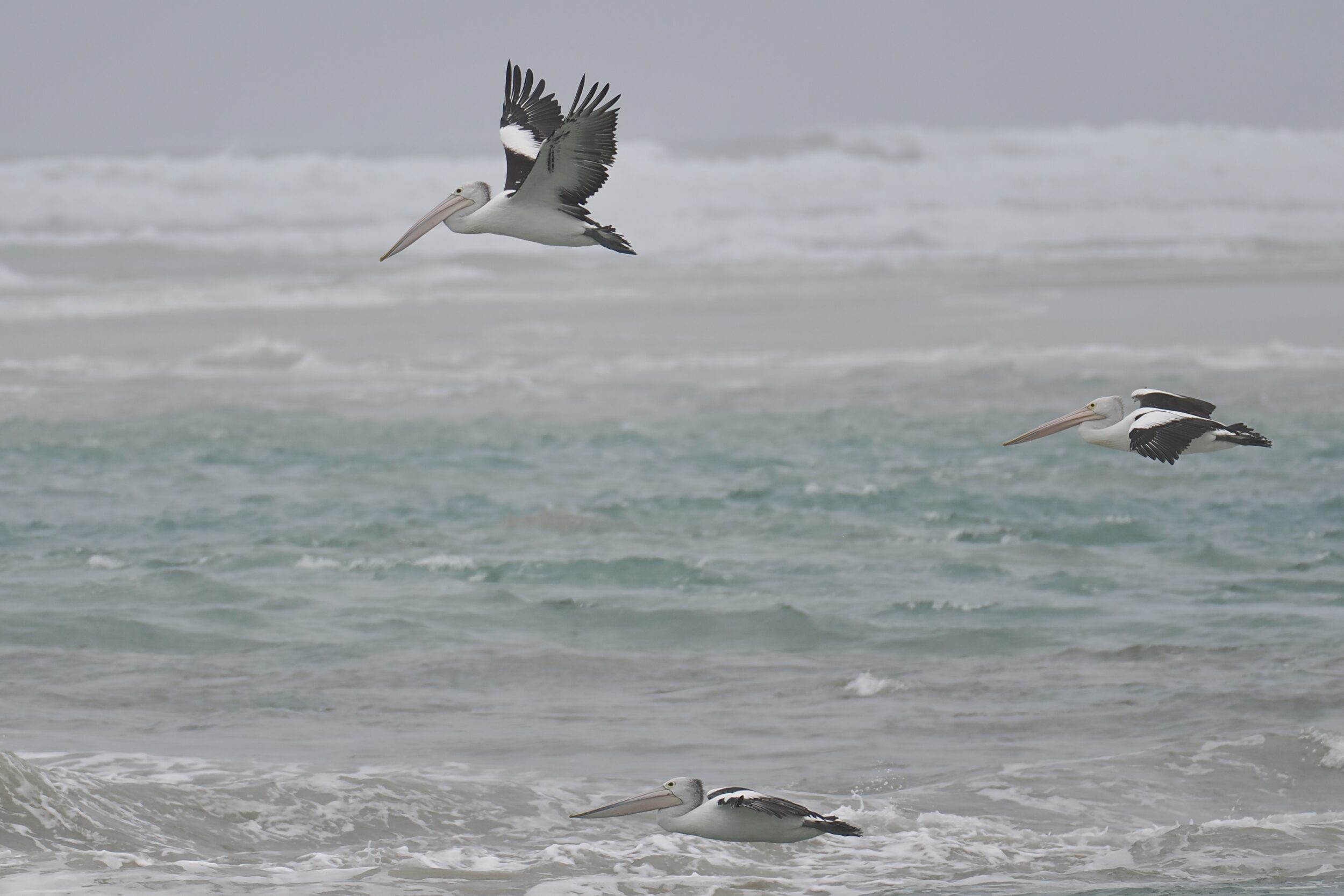
Whilst much the huger number of pelicans favoured the Coorong’s north lagoon on 13 March 2024, a handful of them preferred to fish in and around the Murray’s mouth.
Comments closed
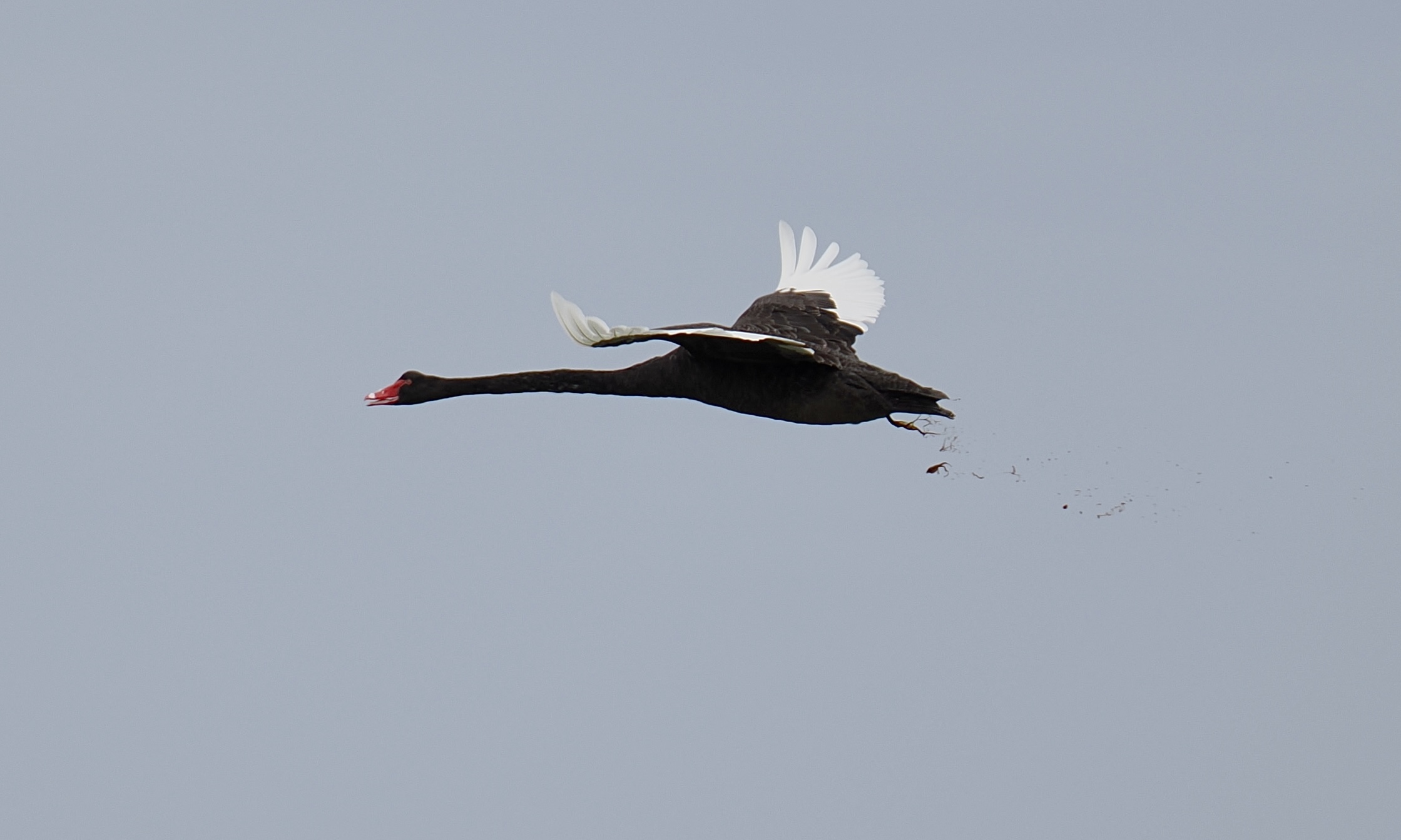
On the move: one black swan, three cormorants.
Unmoved: one egret.
Wise advice, in some circumstances: see/hear this post’s wonderful musical bonus!
Comments closed
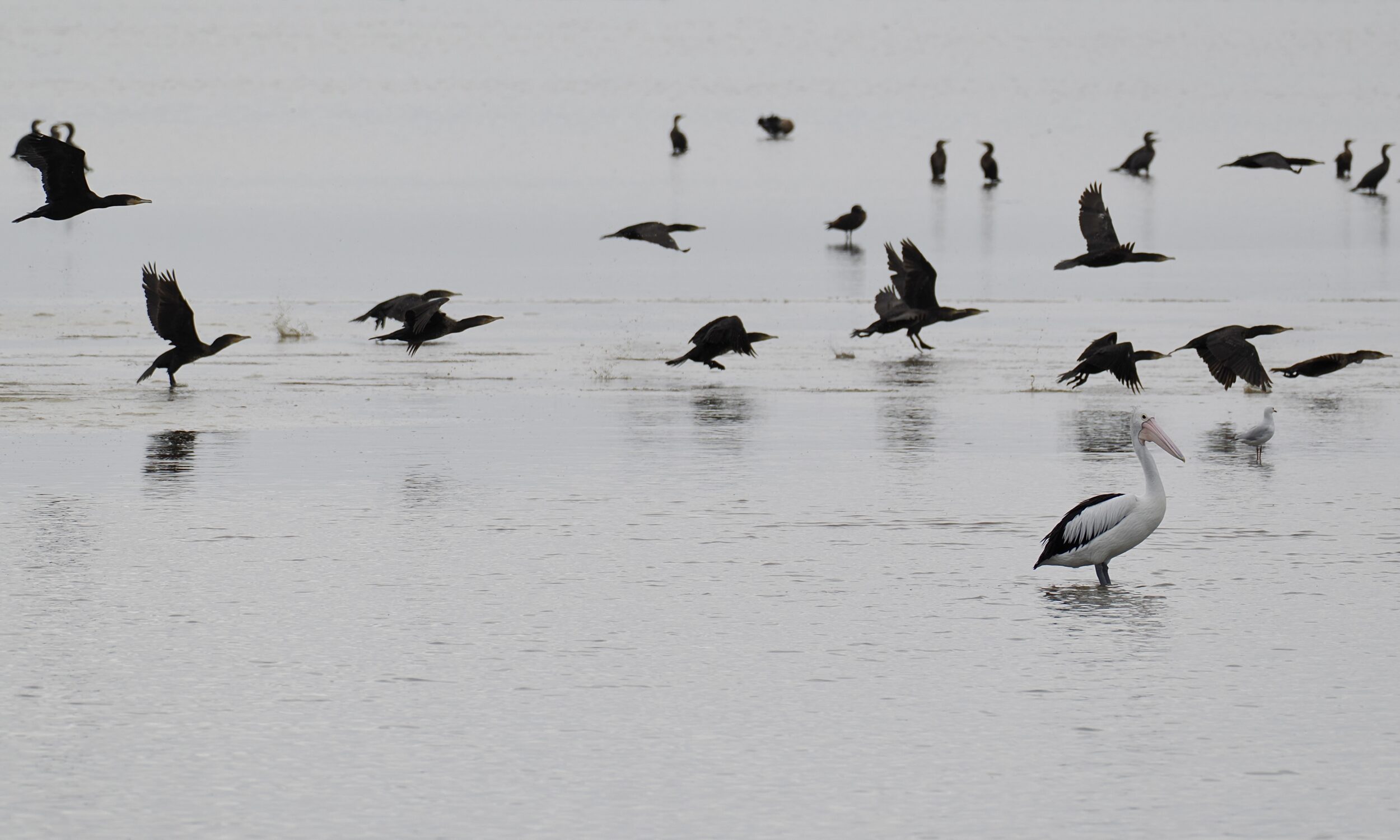
Variously, resolutely calm or alarmed: many cormorants.
Cucumber-cool: one silver gull, one pelican.
Comments closed
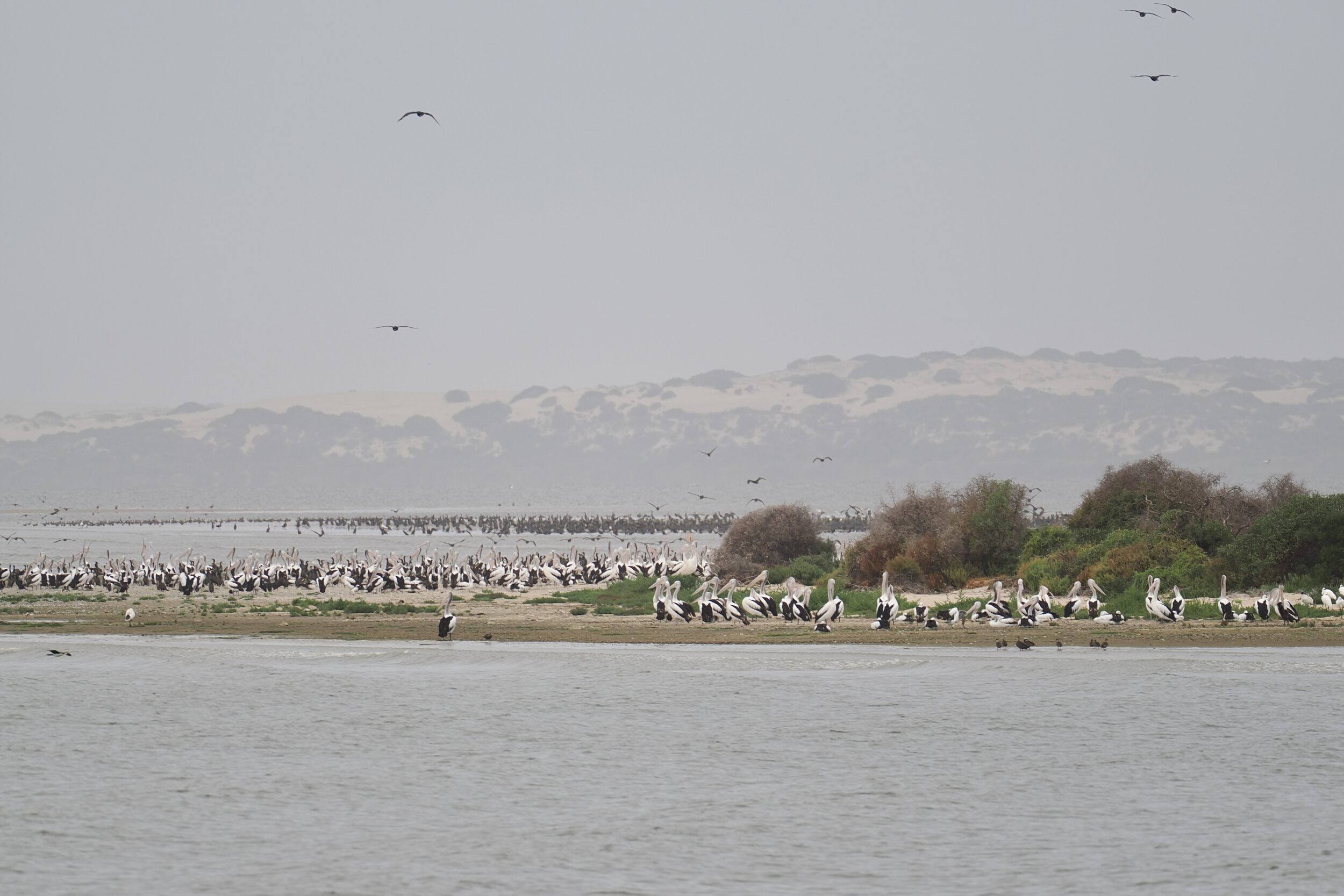
I took the featured photo at 3pm on 13 March 2024.
it shows the largest number of birds I have ever seen at one moment on the Coorong – a place I have visited more than a few times, over more than six decades.
Comments closed
On 13 March 2024 there were enormous numbers of pelicans and cormorants in the Coorong’s north lagoon.
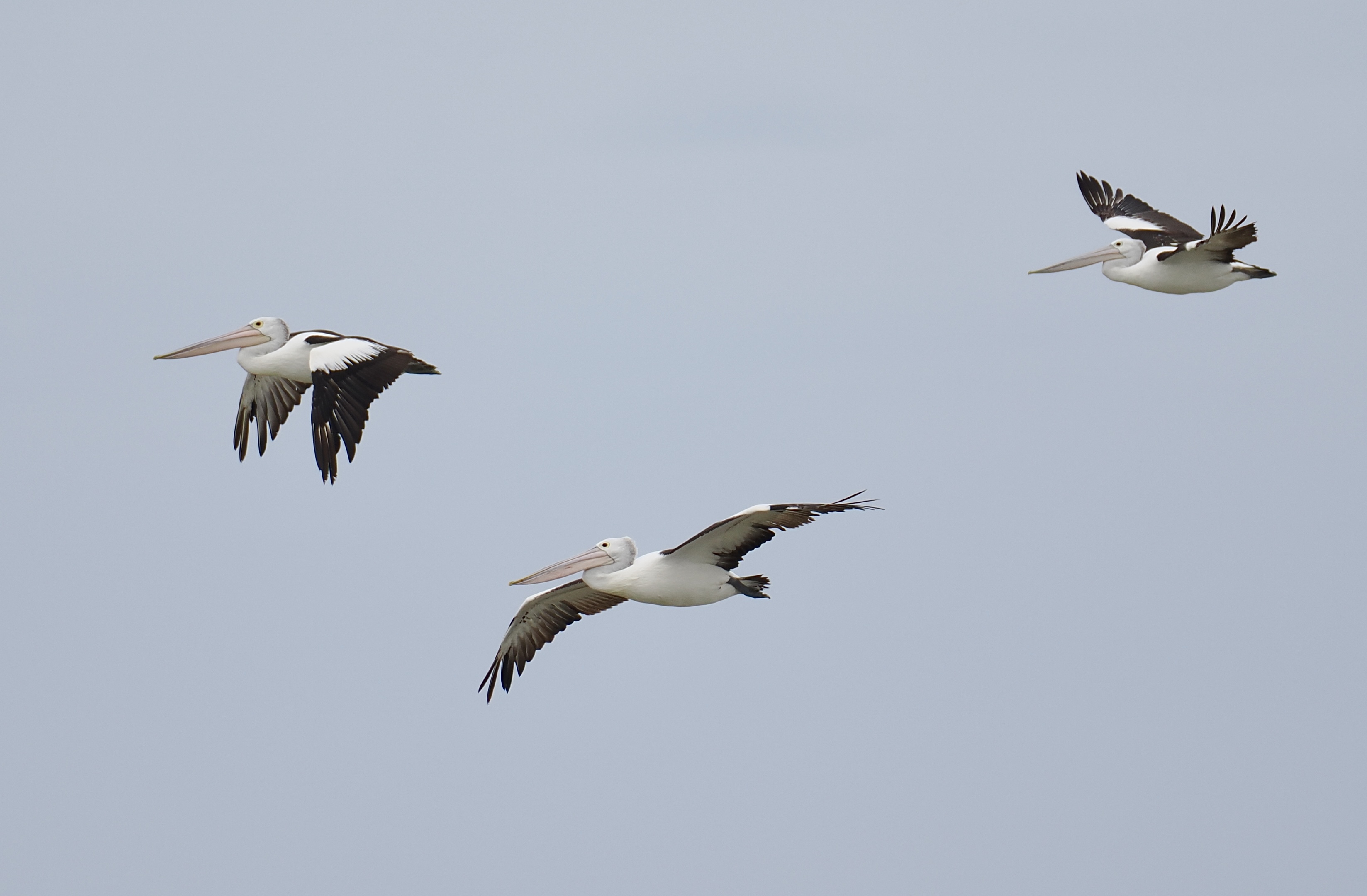
In the middle of the day, roosting was not yet on any birds’ agenda, so “flying high” was likely to be undertaken by pelicans and raptors, only.
i never tire of watching pelicans…
Comments closed
For any photographer, attempting to “capture” a bird in flight is always a challenge.
More often than not, one does not succeed.
One is grateful that digital images can be inspected, instantly and deleted, often.
Sometimes, one “captures” something additional to what one had intended…
Comments closed
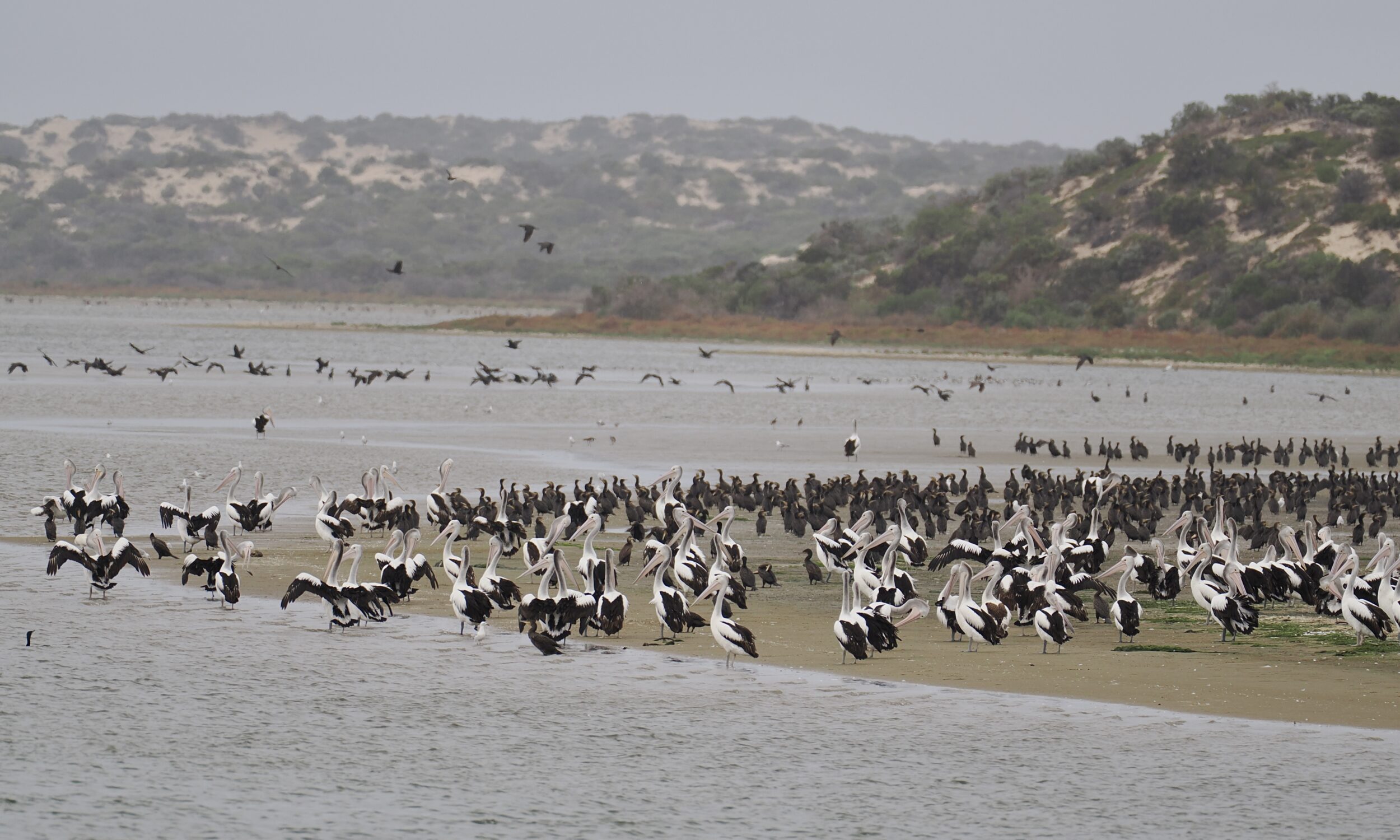
A wider view reveals what the Coorong’s north lagoon looks like in “boom time”..and a future post’s even-wider view will really show just how prodigiously abundant was birdlife in autumn 2024.
(Photo ©️ Doug Spencer, taken at 12.55 pm on 13 March 2024 – less than one minute after the previous post’s featured image)
The Coorong has long been a very dynamic ecosystem – and a fragile one.
Three months after we witnessed such abundance in the north lagoon, the Coorong’s south lagoon suffered a huge fish kill; an estimated 200 stinking tonnes of dead fish were rotting.
Locals said it was the largest such event in more than forty years.
Comments closed