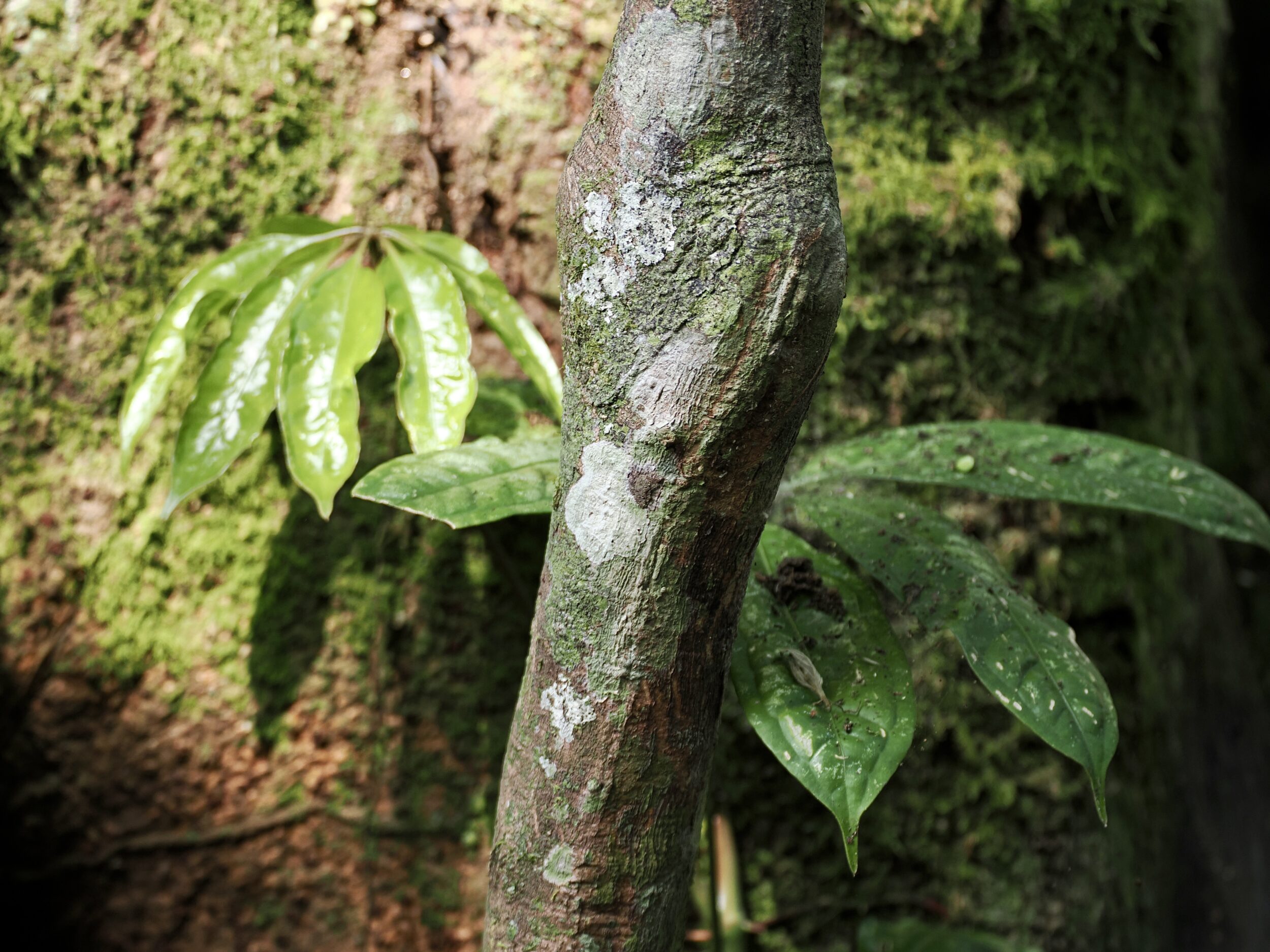
A portion – a very small portion – of Colombia is desert.
More generally, as measured by annual rainfall statistics, Colombia is the world’s wettest nation.
From #6 on – & for the next several posts in this series – all locations are within “cattle country” near the city of Villavicencio.
Here, one is only circa 100 kilometres from Bogotá, but in an utterly different “world”.
Having headed southeast of the national capital – & crossed the easternmost of the Andes’ three Colombian cordilleras – one reaches a locale which is very much lower, hotter & wetter.
Average annual rainfall in Villavicencio: 4,450 mm.
Darwin is (by far) Australia’s wettest capital city; its annual average is 1,723 mm.
Villavicienco’s average rainfall is very much less than half that of Colombia’s wettest town; López de Micay, near the Pacific, is one of several towns which bill themselves as “world’s wettest human settlement”. (the others are in India & Indonesia)
Most of the tropical rainforest that used to “clothe” the countryside around Villavicencio has “made way” for fenced, grassy paddocks.
It is very easy to fail to recognise just how wet this region is… until/unless one is lucky enough to enter one of its few “pockets” of “remnant” or “restored”/“rehabilitating” forest.
i took this post’s photo in one of them, on the first day of March, 2026.
The next chapter’s “hero” is a fellow-primate, photographed on the same morning, a short walk away.
That monkey’s presence would have been literally impossible if all of the forest had “made way” for beef cattle.