Skip to content →

Tag: marine life

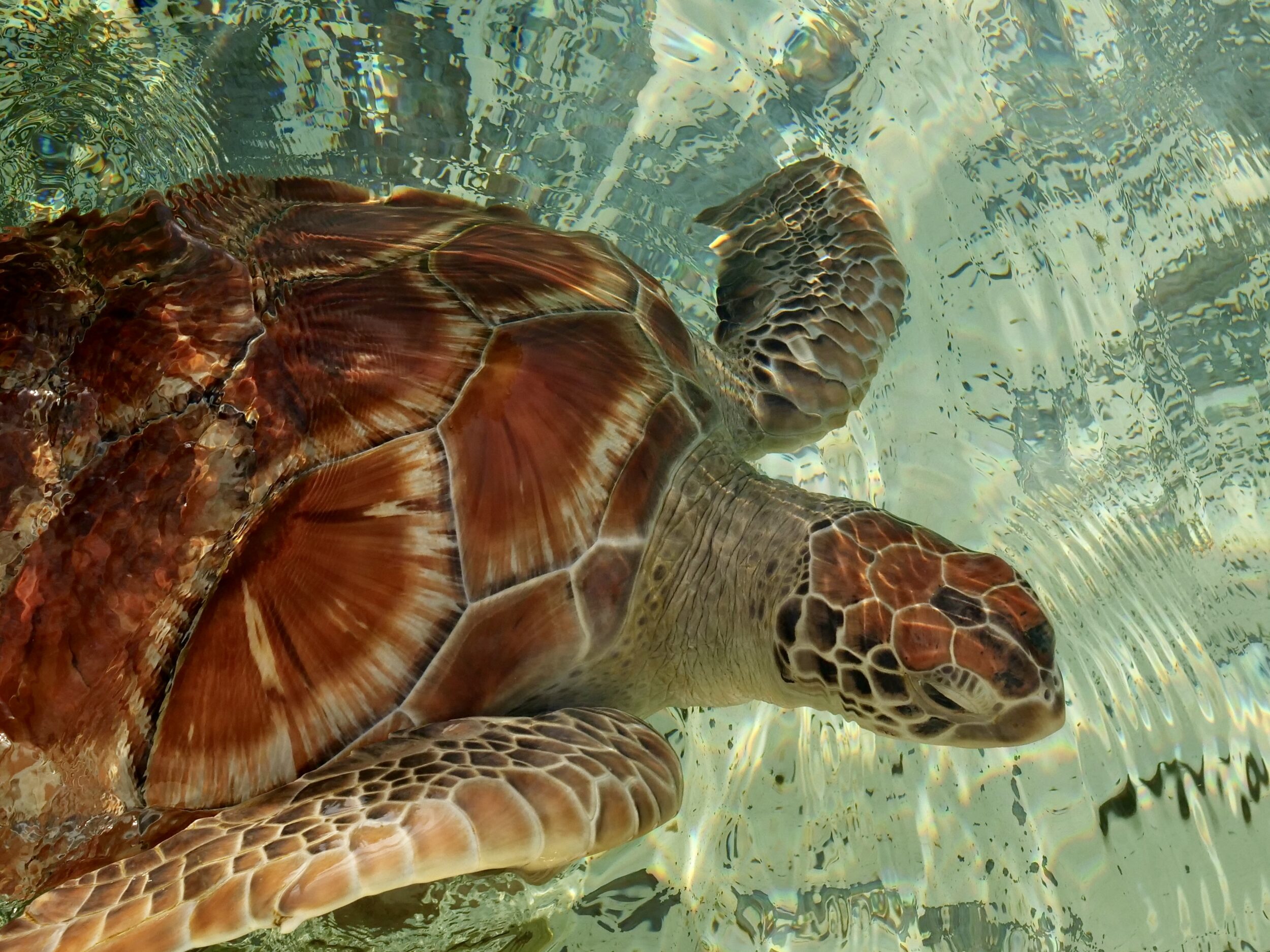
Looking down (#44 in series: on a turtle in Réunion)


I rarely deploy a camera in any kind of zoo, but this opportunity was too good to miss.

In addition to the island’s glorious natural attractions (they include the Indian Ocean’s highest peak, a host of endemic species, one of the world’s most active volcanoes, and one of its rainiest locations) Réunion has an excellent aquarium.

i am almost certain that this post’s hero is a hawksbill turtle.

One Comment

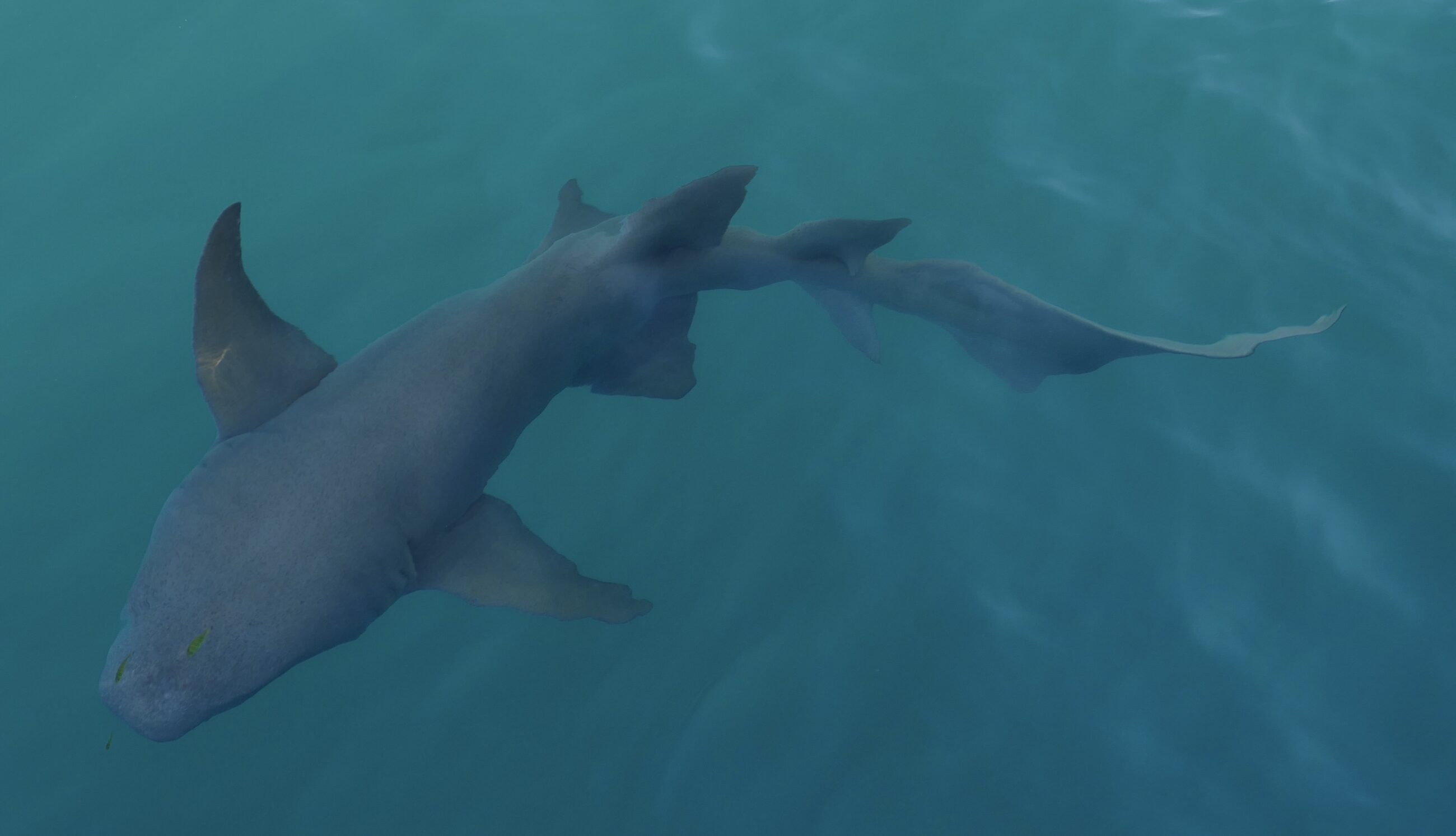
Looking down (#43 in series: on a Sicklefin lemon shark)


In March 2016 my beloved and I were in northwest Western Australia, “sailing” on a motorised yacht from Broome to Wyndham.

(with many “tinny” side-trips to islands, tidal creeks, beaches, waterfalls, etc)

We were “exploring” the Kimberley Coast – the world’s greatest tropical coastal “wilderness”.

Around 7am on the fourth day of March, we were just a few kilometres distant from Horizontal Falls – this coastline’s most celebrated “attraction”.

By Grand Canyon standards, visitor numbers were infinitesimal.

However, by “way-out-of-any-town” Kimberley standards, we were in severely tourist-infested waters.

Accordingly, some local sharks have learned that a boat may provide a “free feed”; we were far from the first tourists to observe a very relaxed shark, so “amazingly close” to “their” boat.

To my knowledge, “our” boat did not feed the shark.

Nonetheless, the image immediately above does show a mutually beneficial relationship between a “client” (the shark) and some “service providers”..
Leave a Comment

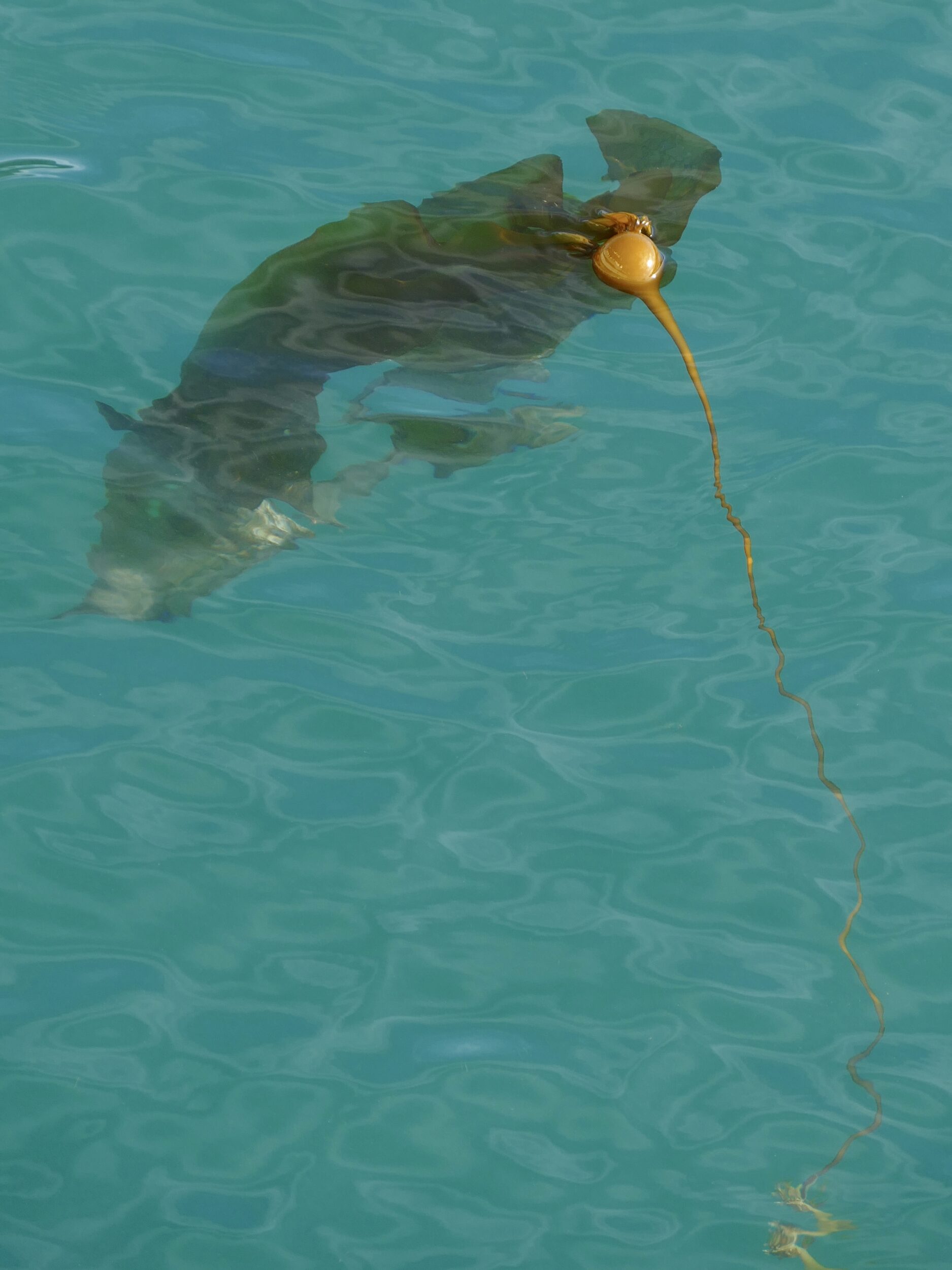
Looking down (#42 in series: on a frond & a 100% organic “float”)


As was true of #41 in this series, I took the featured photograph in southeastern Alaska’s Glacier Bay in June 2015.

Unsurprisingly, kelp “forests” thrive there.

Kelps (and all other seaweed species) do photosynthesise, but – like all other algae –  they are not plants.

Algae – even the towering “forests” of giant kelp – have no roots, nor any “complex” vascular structures.

As anyone who has harvested washed-up kelp from a beach knows, a single frond from a kelp “forest” can be massive – much too heavy to float.

So how does a kelp “forest” manage to stay upright, with its fronds positioned high enough in the water column to enable them to “harvest” the necessary sunlight?

You are looking at the answer.

Leave a Comment

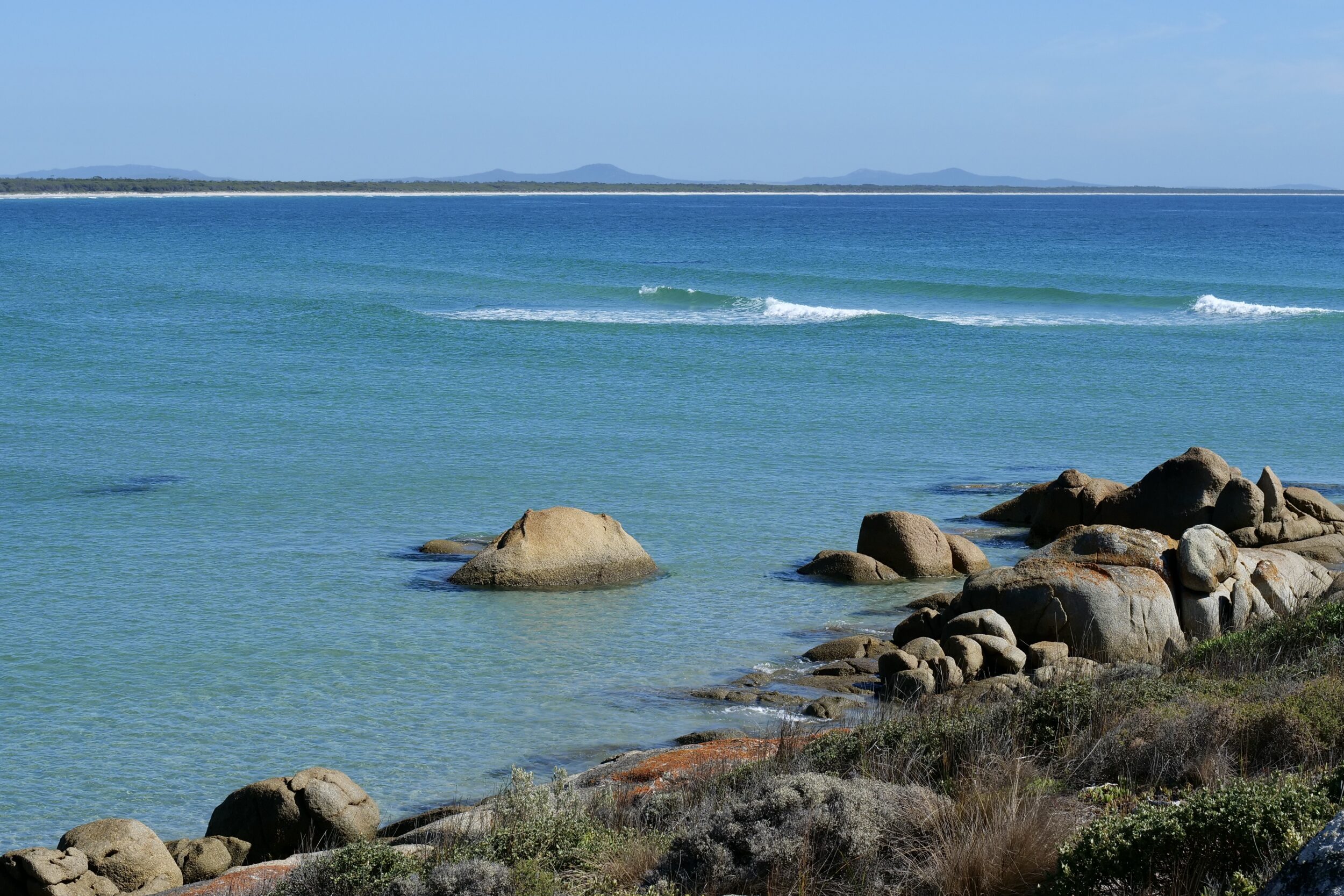
Flinders Island, March ‘25 (#16 in series: petite “soldiers”, big beaches)


Most of Flinders Island’s more than 120 beaches are on its much-indented western and southern  shores.

Flinders has a pointy northern end, so all beaches are essentially on the “south”, the “west”, or the “east” coast.

Just two very long beaches occupy circa 80% of the east coast.

The white line running right across the featured image is just part of Foochow Beach; its 23.5 kilometres comprise most of the northern section of Flinders’ east coast.

Comments closed

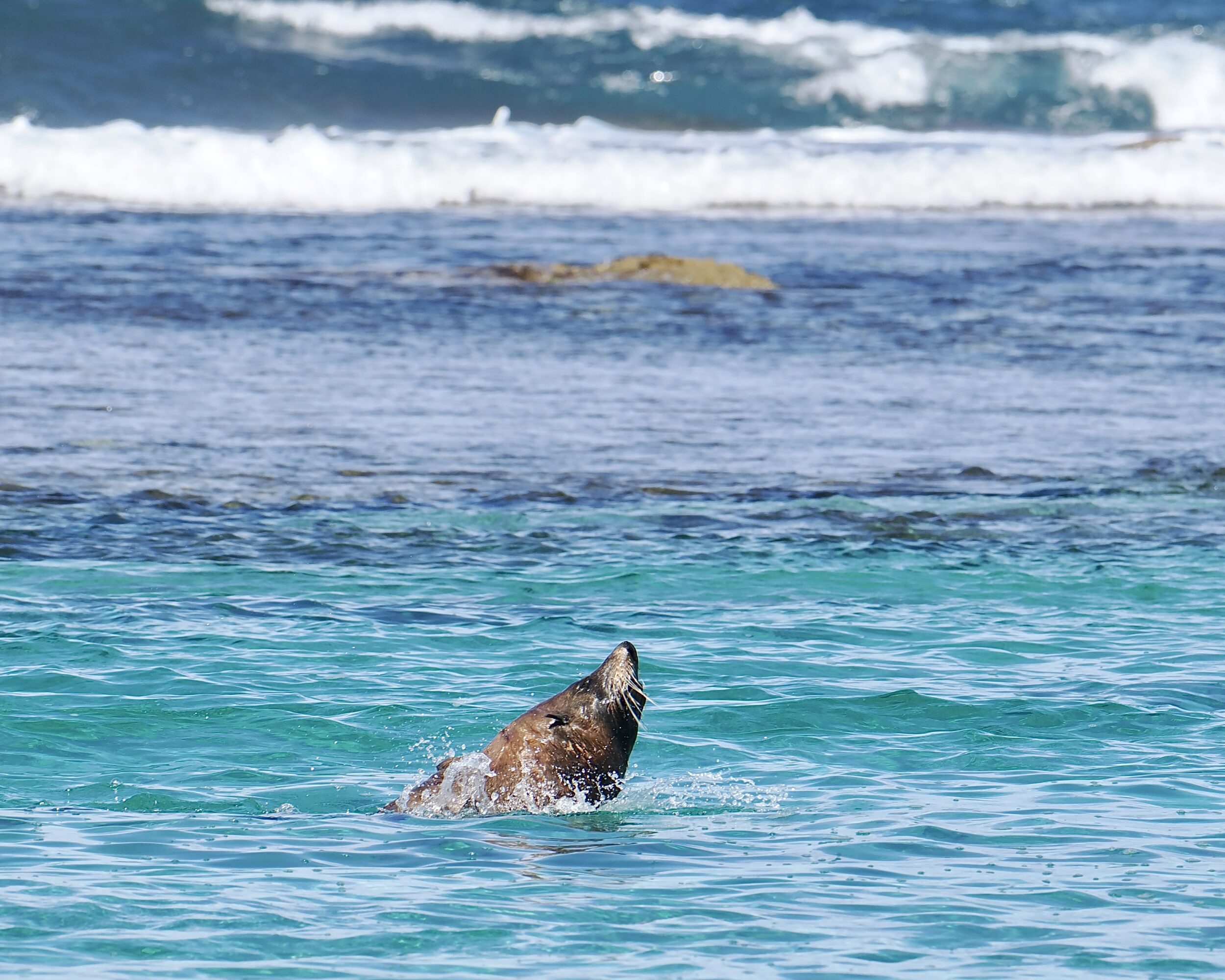
Deep South WA, Feb ‘25 (#12 in series: seal-approved “secret”)


Homo sapiens is not the only species which includes a small number of lucky individuals who have “discovered” the “secret” beach, just east of Anvil Beach.

Another mammal also swims and fishes there.

It is safe to assume that Arctocephalus forsteri is the more successful fisher of the pictured, reef-sheltered waters.

Comments closed

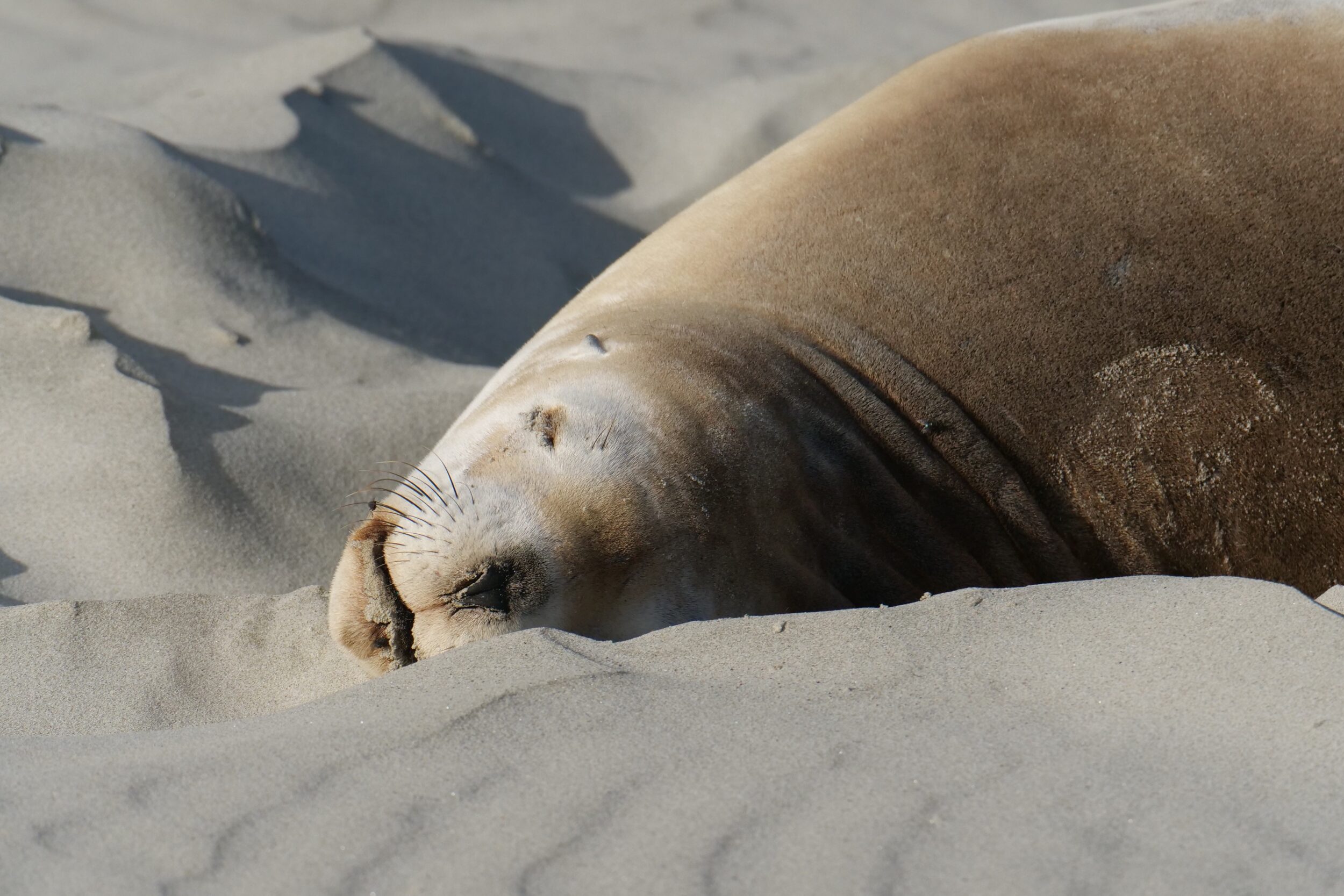
Grand sands (#22 in series: on Sandfly Bay’s “snoozable” sand)

Sandfly Bay is also seal-approved – one species of fur seal does like to slumber there – but the pictured individual belongs to a much rarer species, of sea lion.

New Zealand’s sandflies are deservedly infamous, globally.

However the name of this spectacular Otago Peninsula ocean beach does not “honour” sandflies; it refers to the fact that on a windy day this is a place where sand really does fly!

On a milder, sunny day – such as 23 March, 2019 – Sandfly Bay loses its “sting”, and its sandy beach provides a warm, perfectly form-fitting, easily-adjustable “mattress”.

Comments closed

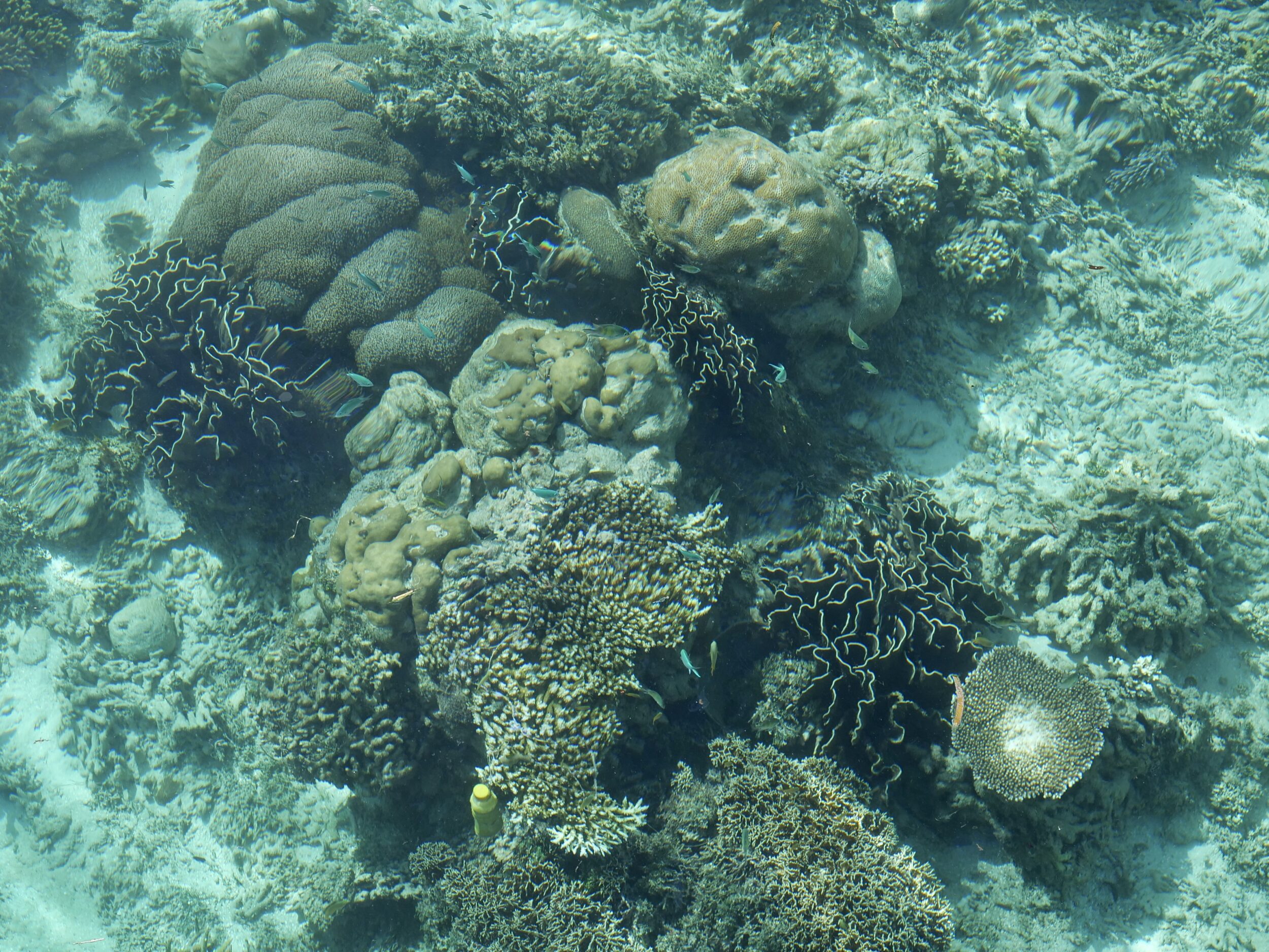
Indonesia, 2024 (#15 in teaser series: immediately below the village jetty)


Obviously, the waters immediately beneath and around a village’s small jetty do not contain the richest of Raja Ampat’s extraordinary reefs.

Inevitably, the boats which come to and go from Marandan Weser will have a negative impact, as will the villagers’ jetty-based recreational activities.

Even so, standing on the jetty’s deck, pointing my camera at the water below….

Comments closed

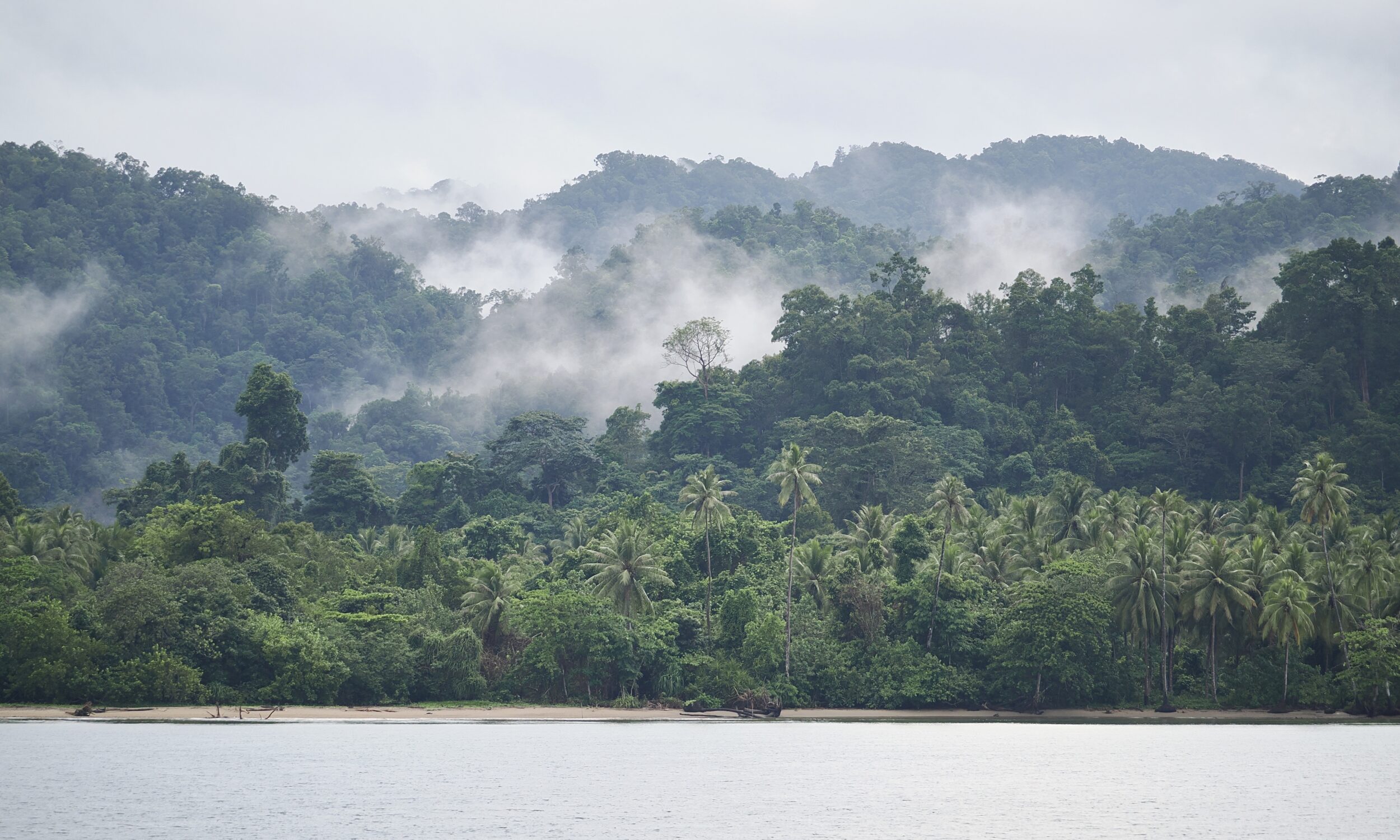
Indonesia, 2024 (#6 in teaser series: Misool Island, Raja Ampat)


I took this post’s photo 8.07 am on 09 0ctober 2024, as we were preparing to head to the pictured shore – that of Misool Island, one of Raja Ampat’s four “main” islands.

The other 1500+  islands, islets and atolls are all much smaller; most are rainforest-clad.

The waters around them are currently “our” planet’s’ most species-rich; their clarity is oft-astonishing.

One Comment

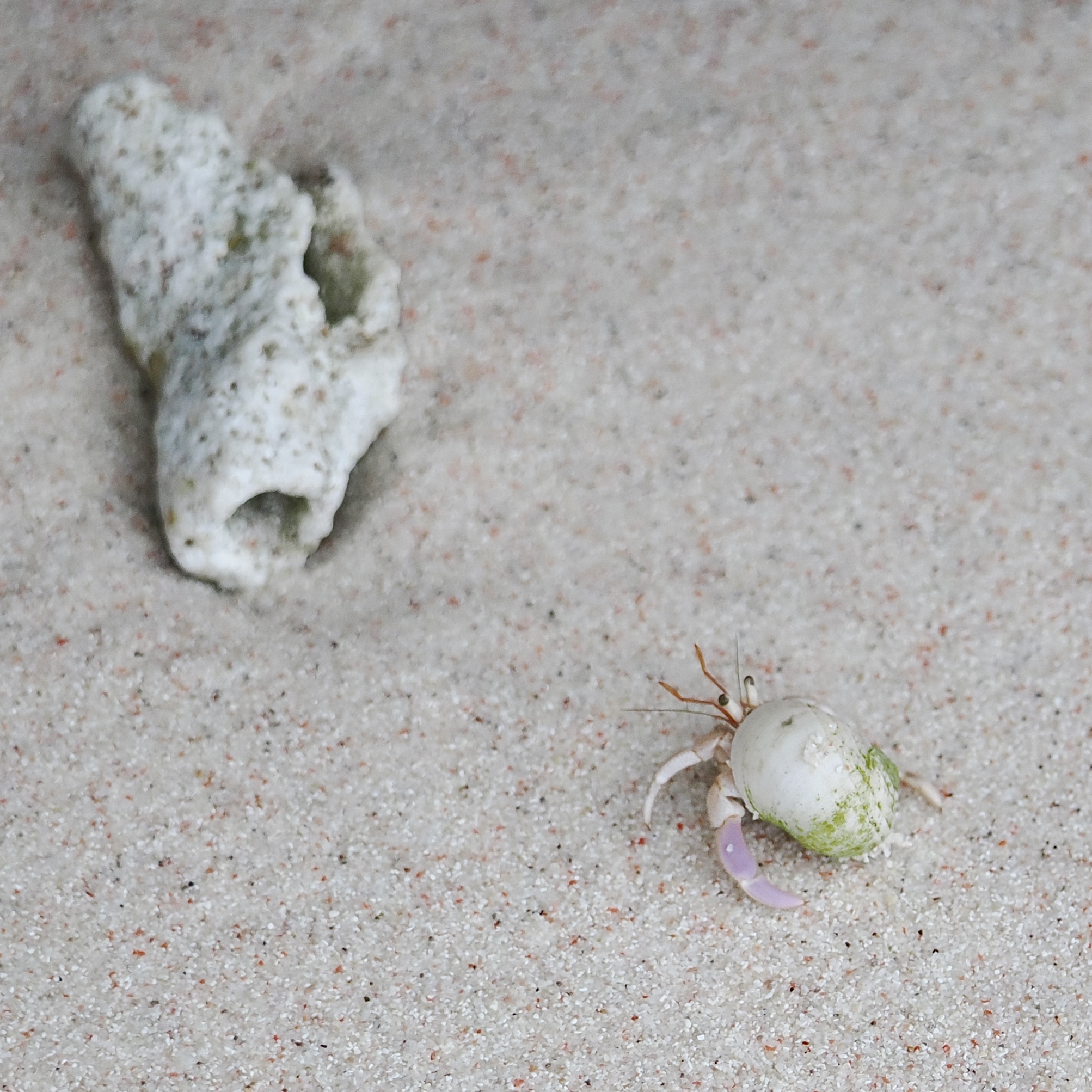
Indonesia, 2024 (#5 in teaser series: on a Guraici beach)


The mostly-uninhabited islands of the Guraici Archipelago offer something rarely found in north easternmost Indonesia: “white” beaches.

At 9.36 am on 06 October 2024 my feet and those of the pictured, very petite hermit crab shared one such, on an also-tiny island.

Comments closed