Skip to content →

Month: July 2026

Aspects of Colombia (#8 in teaser series: yes, this reptile does eat capybara)

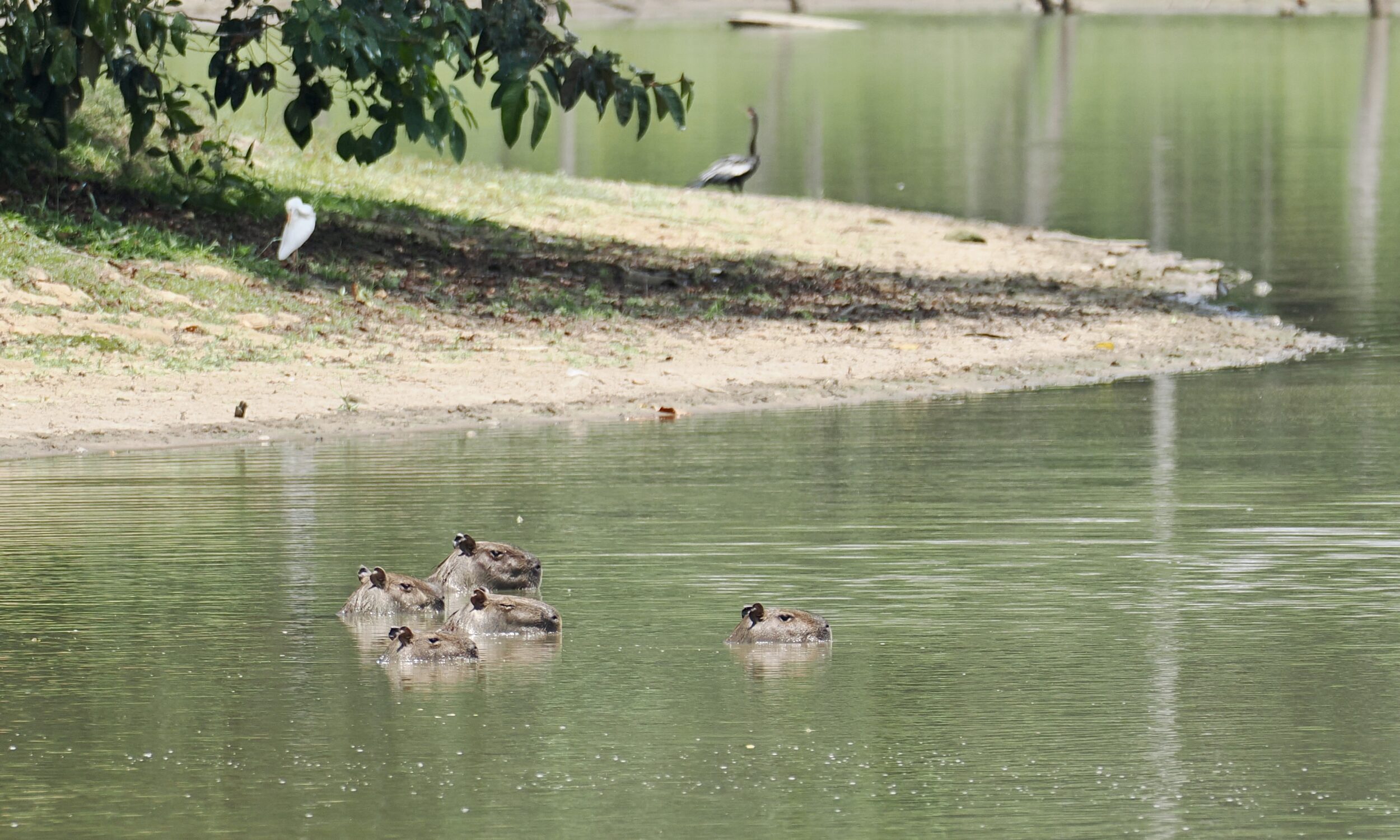
It was rather obvious that the capybaras pictured in #7 of this series were all looking in the same direction, intently.

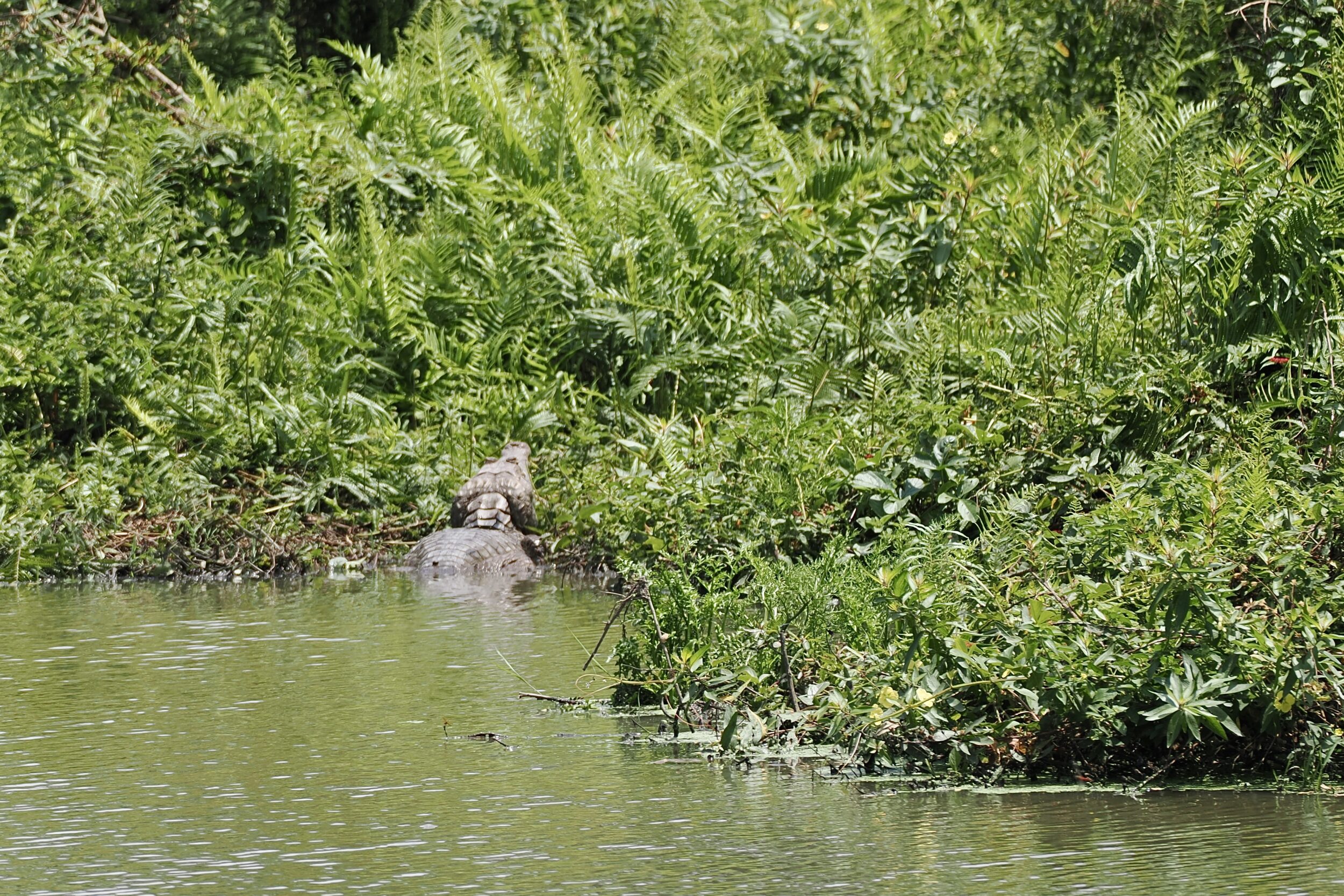
Probably, their eyes were keenly focused on this post’s hero, who was basking on the wetland’s opposite bank.

S/he is a spectacled caiman – one of six living caiman species. (or three species – caimans’ classification is a contested/confusing field)

Caimans are South & Central America’s crocodilians.

Leave a Comment

Aspects of Colombia (#7 in teaser series: semi-aquatic giants in “cattle country”)

You are looking at very large, highly sociable rodents.

There are just two capybara species; pictured is the more widespread, Hydrochoerus hydrochaeris, the greater capybara.

It is – handsomely –  the world’s largest living rodent.

A “typical” adult weighs between 35 & 66 kilograms; females are bigger than males.

The heaviest-recorded wild capybara weighed 91 kilograms!

An adult’s body length usually exceeds 1 metre.

These very adaptable herbivores inhabit every South American nation, bar Chile.

They thrive in both grassland & forest, & quite happily share habitat with humans & their livestock.

Capybaras mate and give birth only in water, so convenient access to a river, lake or wetland is a “must”.

Leave a Comment