Skip to content →

Month: August 2026

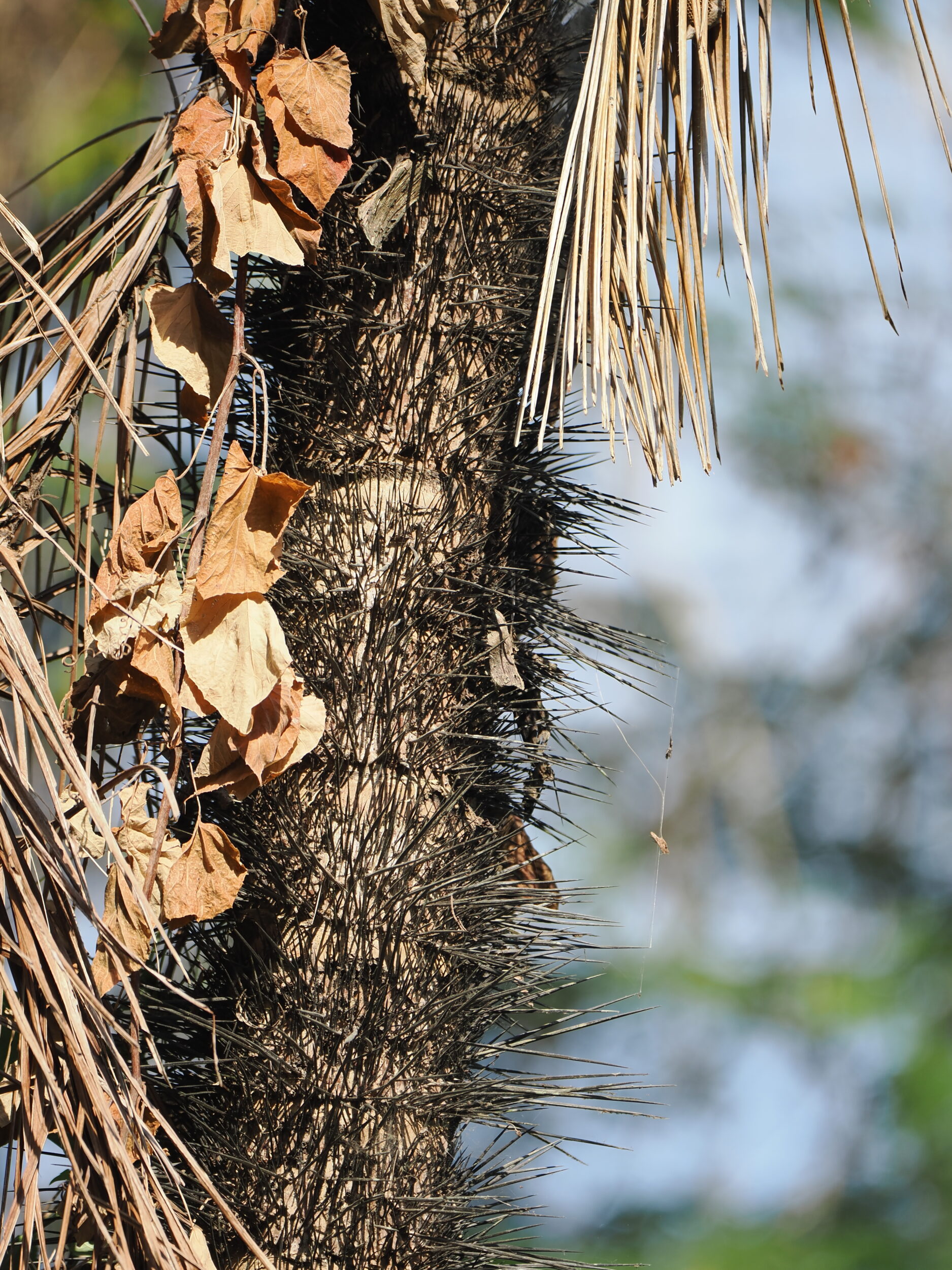
Aspects of Colombia (#22 in teaser series: spiky)


Presumably, toxicity would be entirely-superfluous!

I have no idea of the species,but I think we encountered examples of it in various wet, tropical Colombian locations.

As an Australian, I tend to associate sharp leaves, prickles, thorns, spikes (and “intrusive”, “sticky”, or irritating seeds) with arid or semi-arid country.

Colombia reminded me that “growing one’s own defensive weapons” (or “means of seed dispersal”) is a strategy also deployed in well-watered places.

Leave a Comment
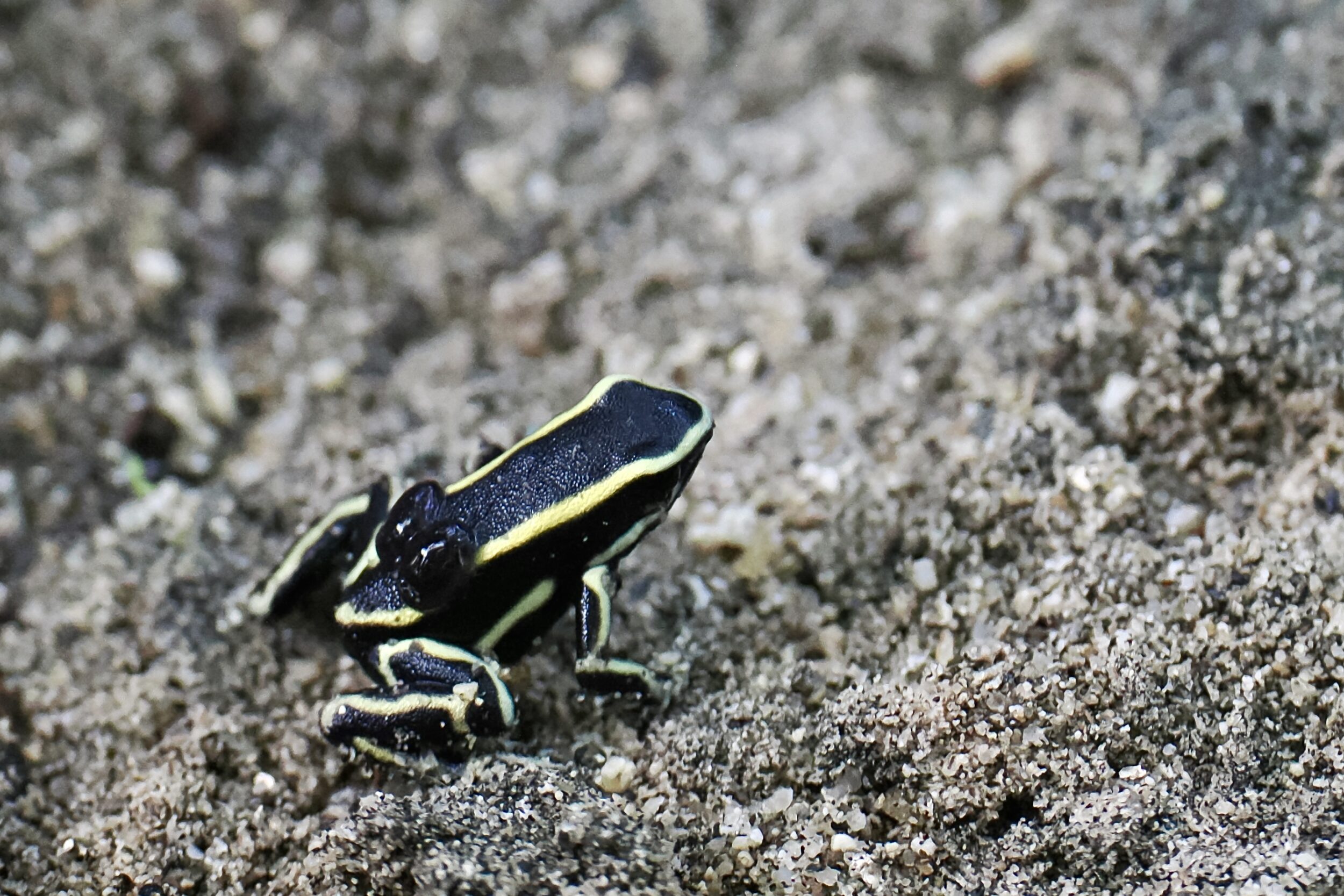
Aspects of Colombia (#21 in teaser series: yellow-striped poison dart frog)


Q: why am I so very sure that this post’s hero is a male?

A: because he is carrying “the kids” on his back!

Adult poison dart frogs lay their eggs in moist places, including on leaves, in plants, among exposed roots, and elsewhere. Once the eggs hatch, the adult piggybacks the tadpoles, one at a time, to suitable water: either a pool, or the water gathered in the throat of bromeliads or other plants

Leave a Comment

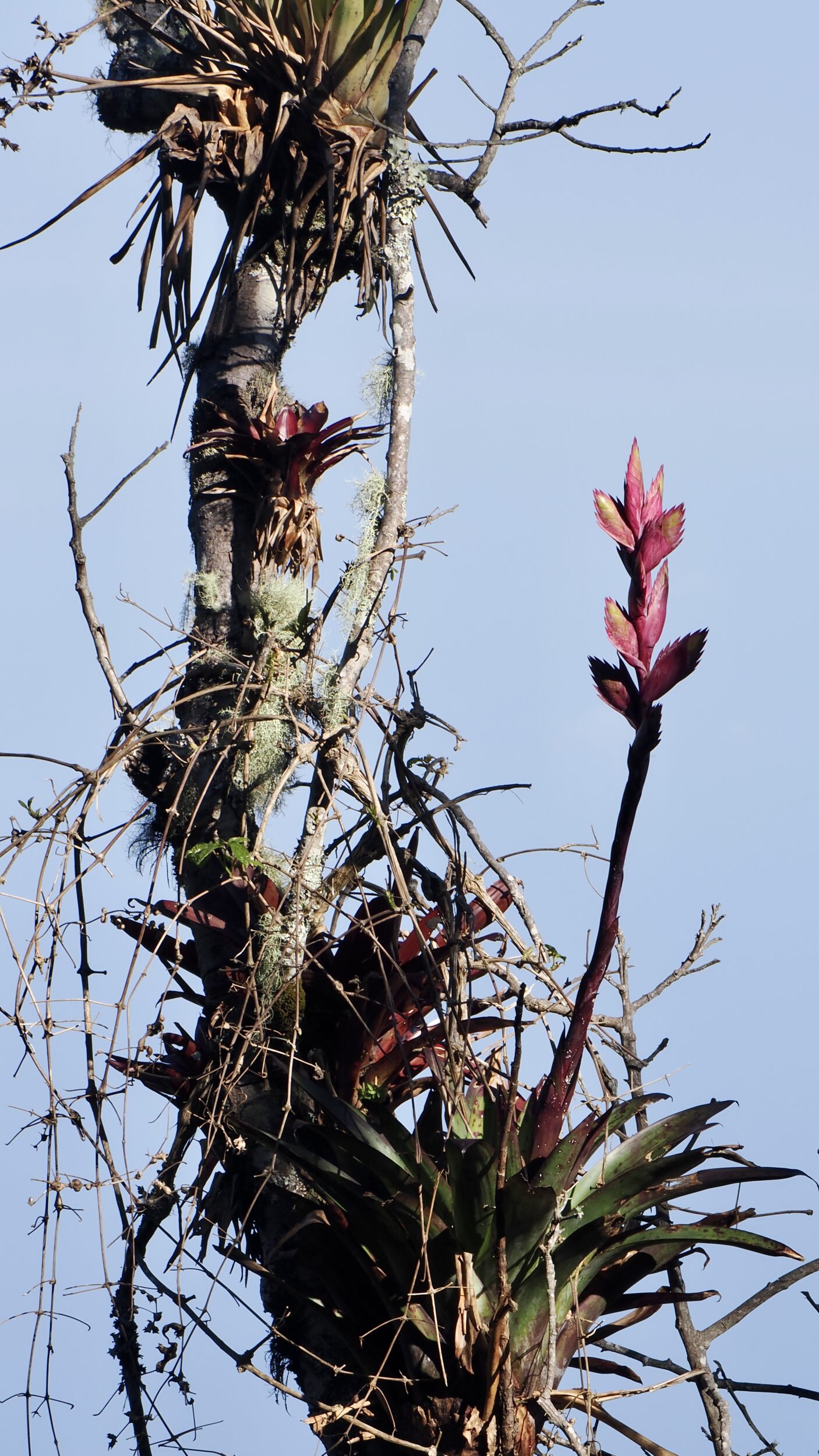
Aspects of Colombia (#20 in teaser series: an abundance of epiphytes)


Epiphytes – whether plants or lichens – are not parasites; generally they pose no threat to their host’s well-being or survival.

Typically, epiphytes thrive in wet/humid places; they attach to the surfaces of trunks & branches, but only rely on them for support & “positioning”.

An epiphyte’s food & water needs are supplied by rainfall, condensation, falling debris & – in some cases – excretions from the small fauna that live in the epiphyte’s own little “ponds”.

Colombia is definitely a “hotspot” for epiphytes.

Leave a Comment

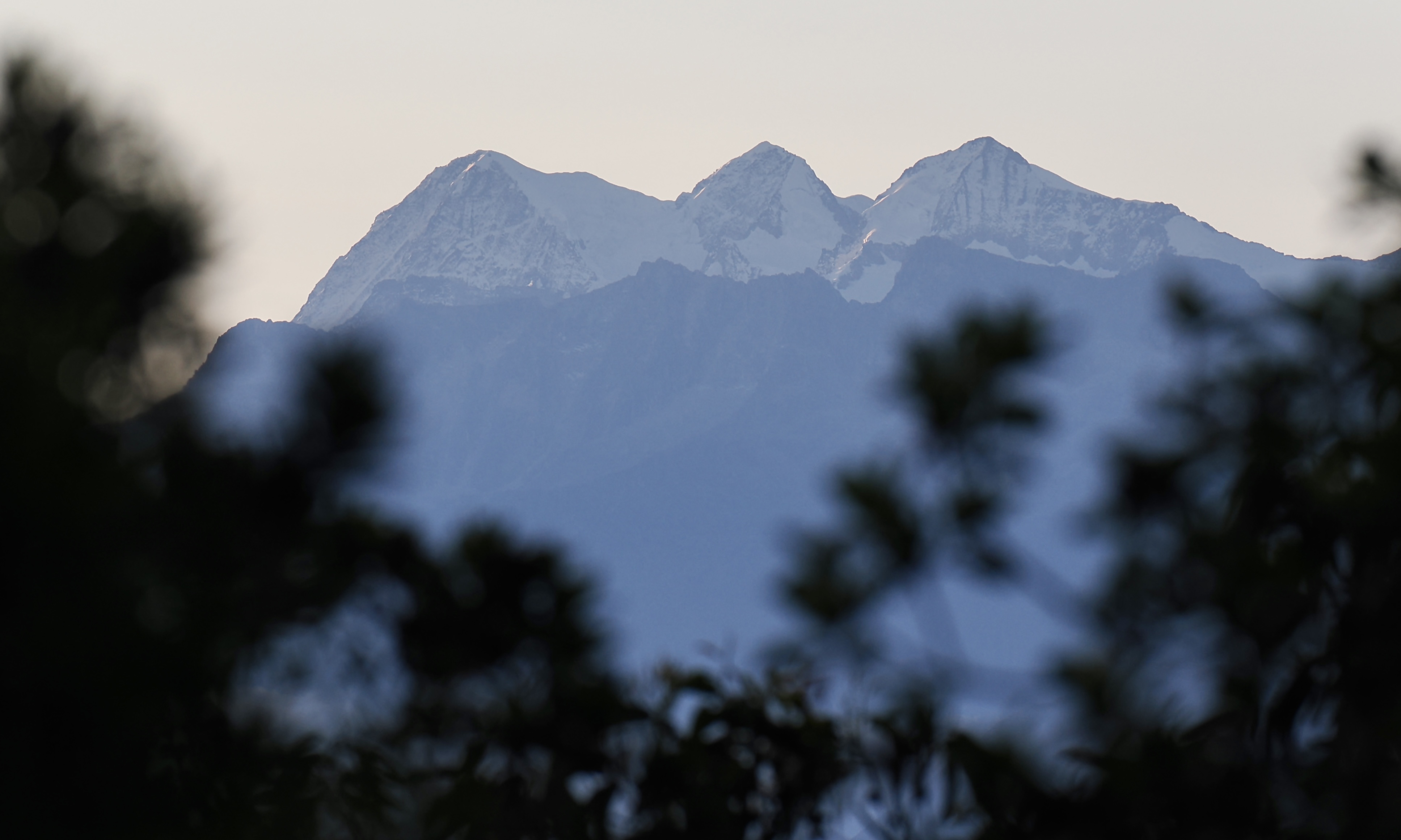
Aspects of Colombia (#19 in teaser series: highest peaks)

Mont Blanc – 4,807 metres above sea level – is western Europe’s highest mountain.

Were it to retain its elevation, but relocate to Colombia, Mont Blanc would be merely that nation’s 30th highest peak.

You may be surprised to know that 13 of the 29 Colombian peaks that reach higher than Mont Blanc – including the 4 tallest ones – are not in the Andes.

Colombia’s highest mountains are in the entirely separate & much more compact Sierra Nevada de Santa Marta, in northern Colombia.

The Sierra Nevada de Santa Marta’s glaciated peaks are the world’s tallest coastal mountains.

Leave a Comment