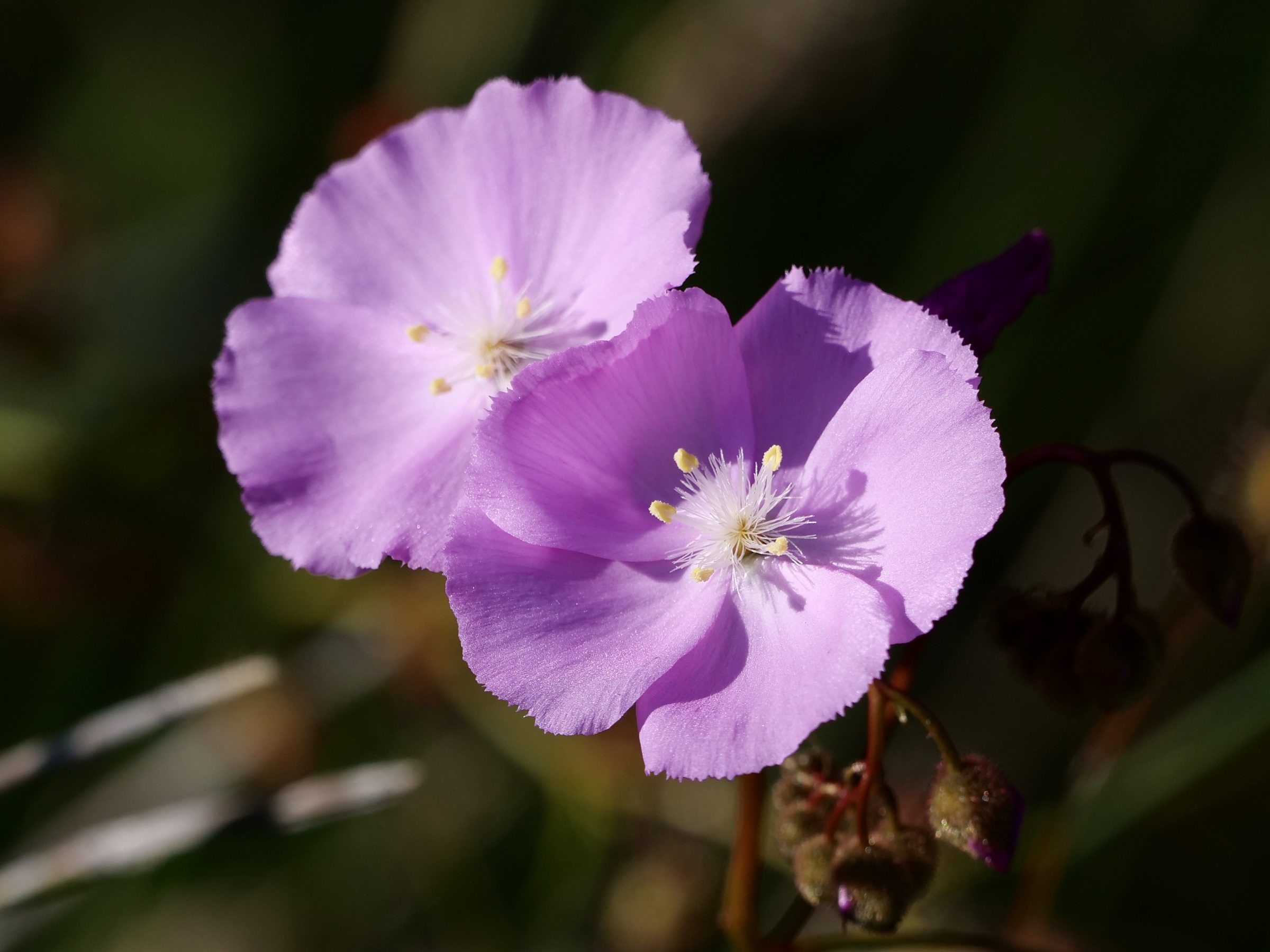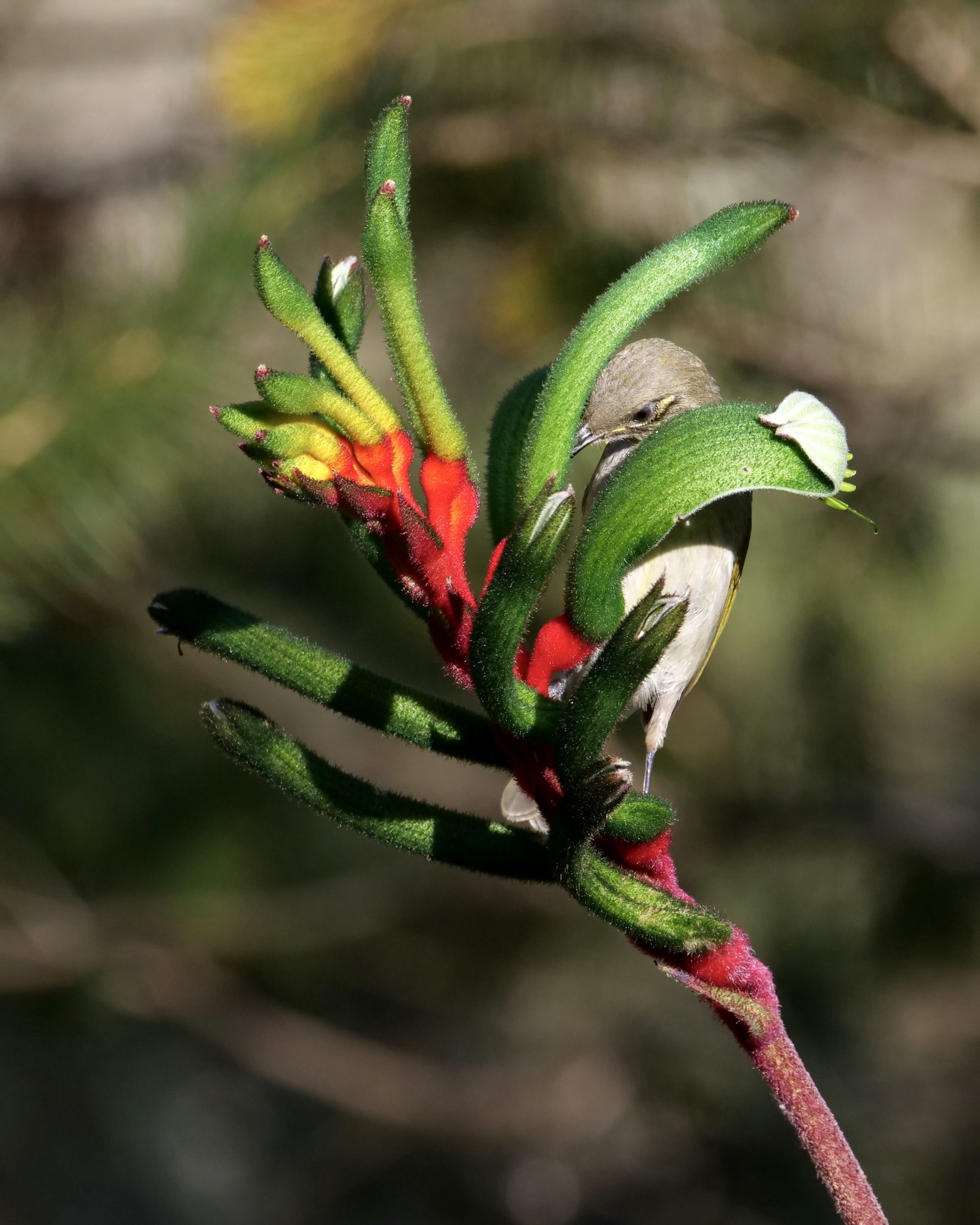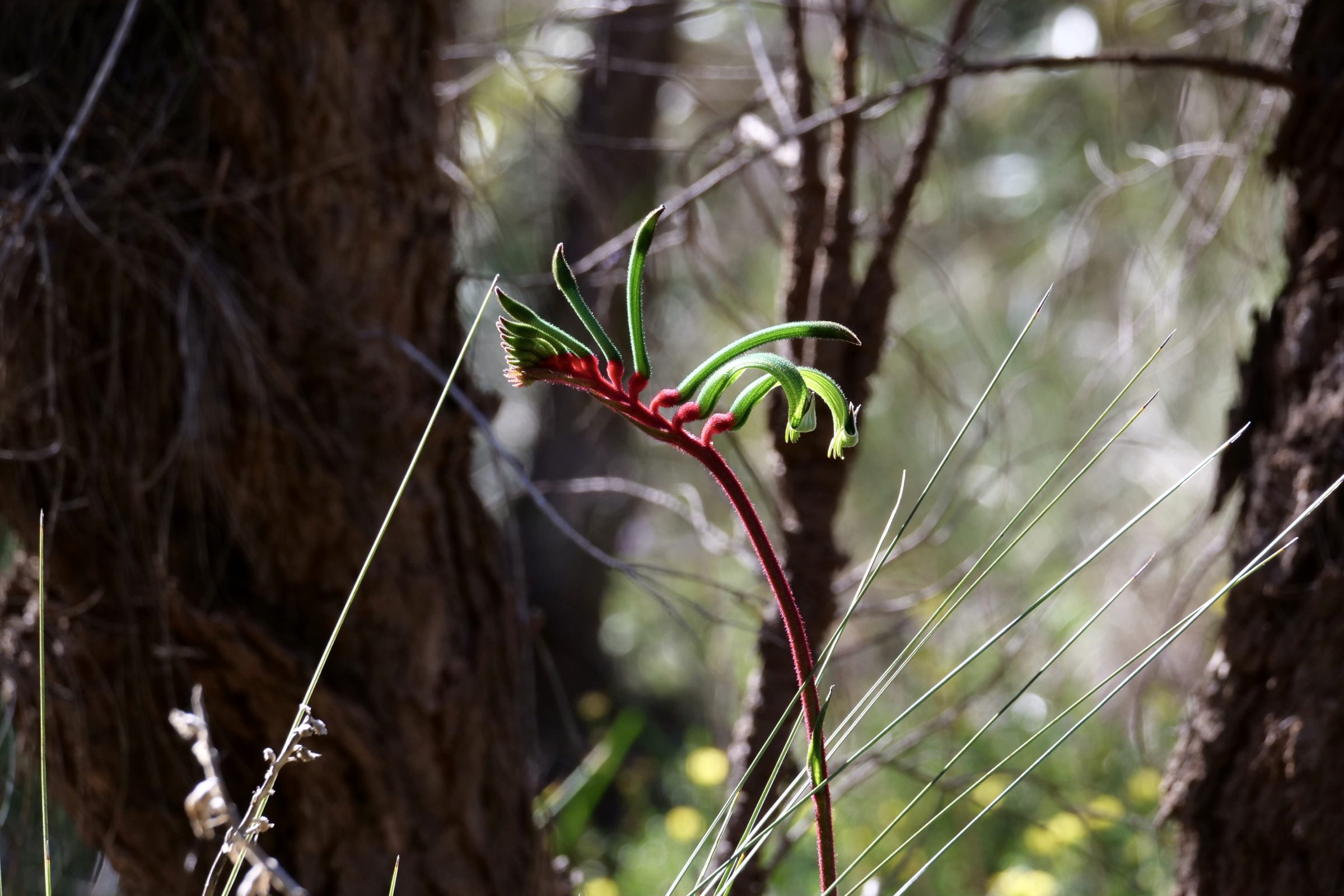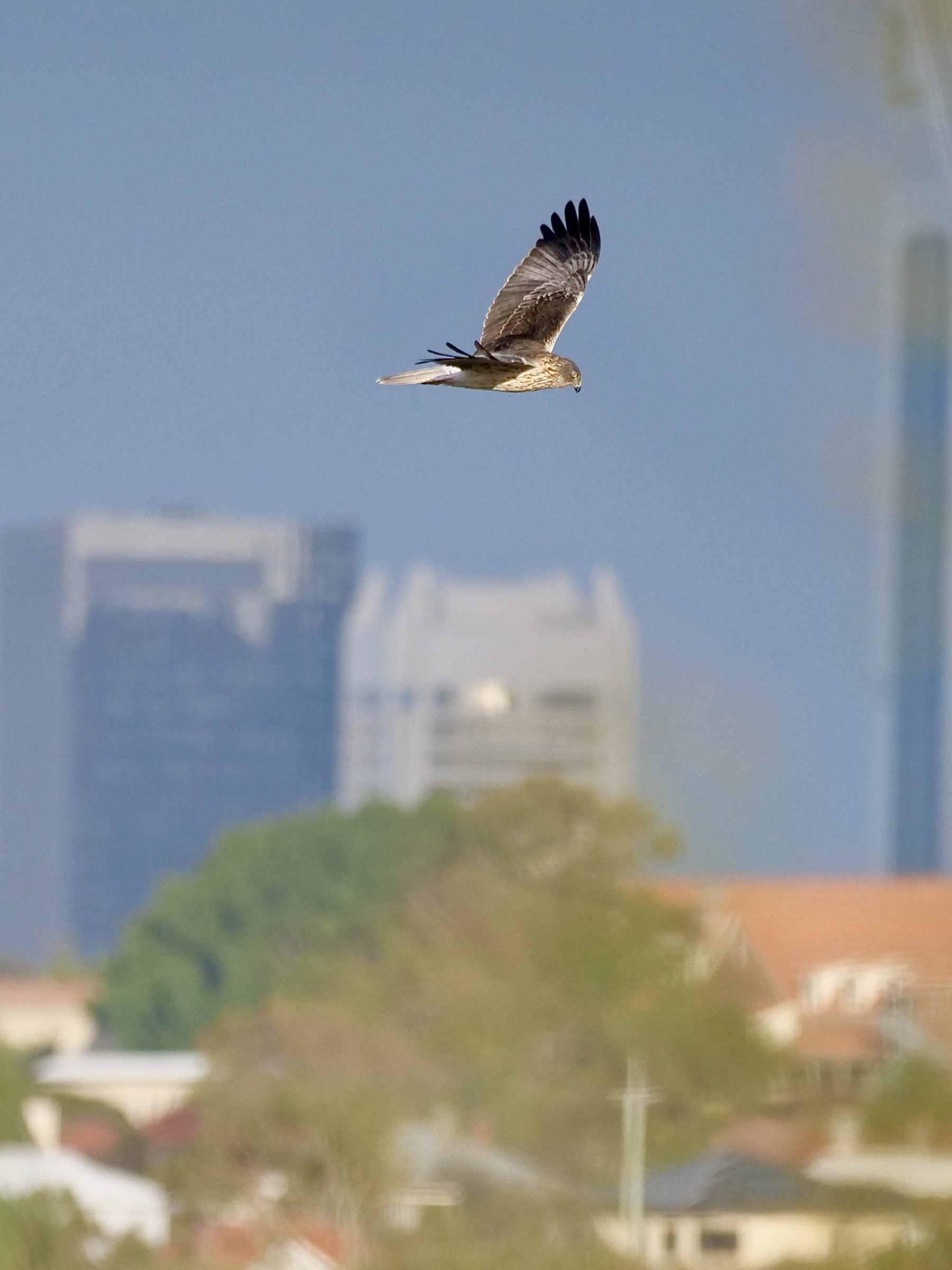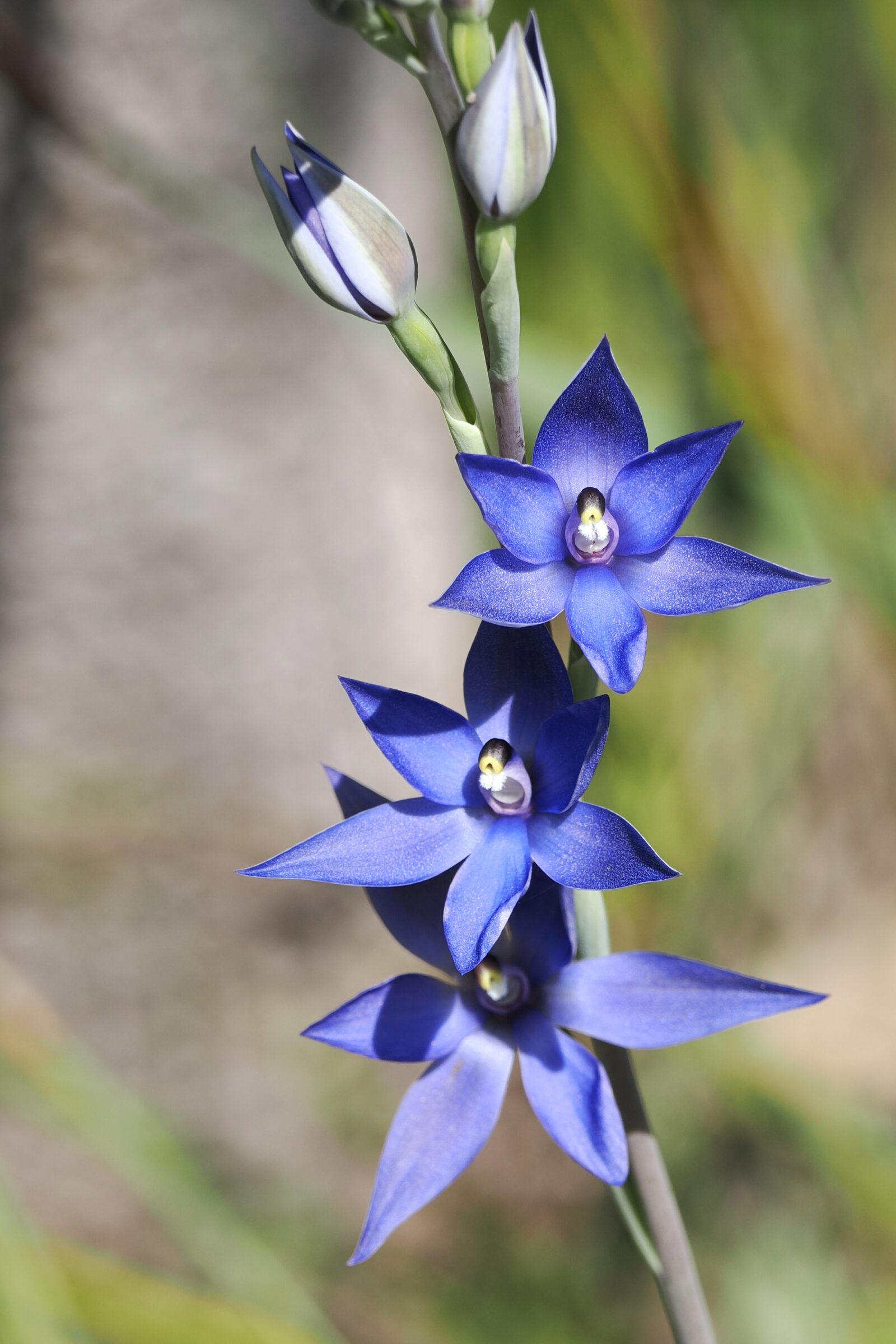
..and the Sun Orchids, in Perth’s Shenton Bushland.
Comments closedNatural splendour, real musics, wines, wordpower
Each of the headline’s descriptors applies to one or more of this post’s species – all blooming a deal less than a kilometre away from both a large shopping centre and one of Perth’s arterial roads.
For just about any “exceptional”, “extreme”, or “weird” form of flowering plant behaviour, southwestern Australia is the global hotspot.
One Comment
Unsurprisingly, southwestern Western Australia produces many different honeys, each deliciously distinct.
The most prized varieties are produced from rare, endemic species.
However, Western Australia’s southwest also has the world’s highest proportion of flowering plants that do not feed and/or seduce/deceive insect pollinators; these flowers (all, endemic species) favour birds.
(a few rely also/instead on particular, very small, also-endemic mammals)
WA’s floral emblem is bird-adapted.
Comments closed
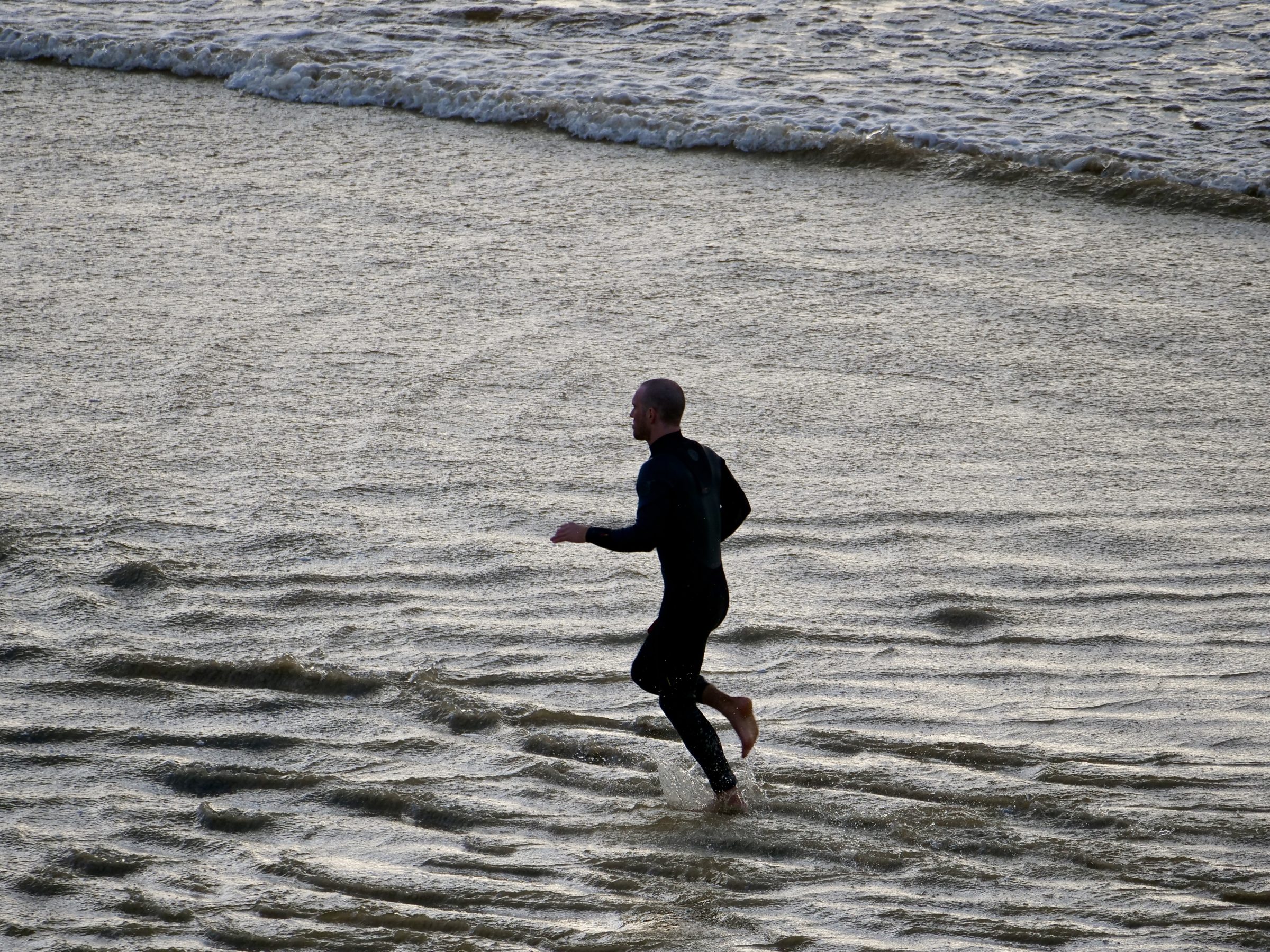
Above: dude running after “his” dog, as rain dimples the surface of Smiths Beach’s shallows,
Below: Big, wintry sky, Indian Ocean.
Both are colour photos, taken when shades of grey “ruled”, briefly.
Comments closed
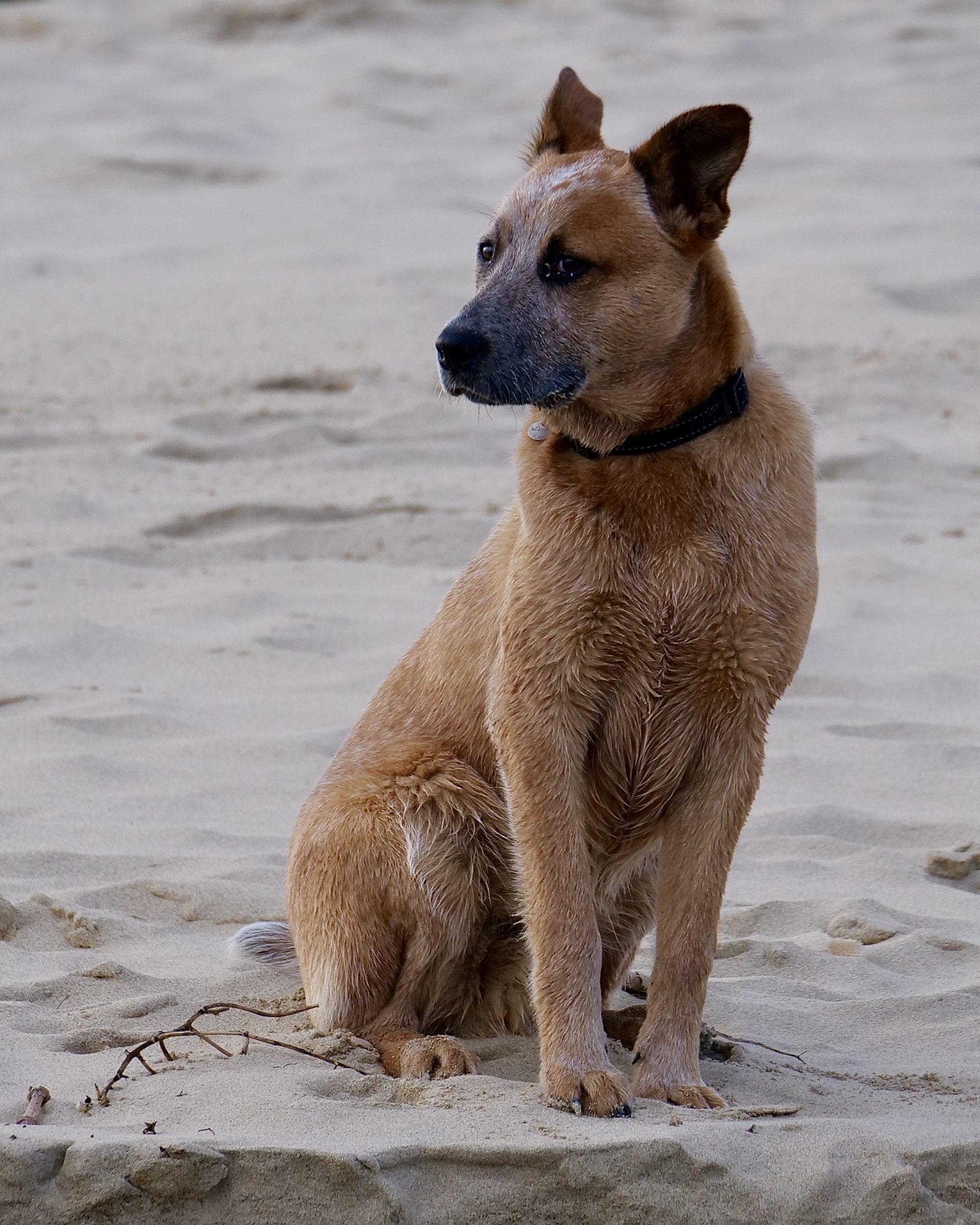
A surfer-dude’s dog has no difficulty amusing itself, alone on the shore, whilst its “owner” is “out there”, riding the waves.
Comments closed
WA’s emblematic flower may be synonymous with Springtime, but it is no slave to the calendar.
Well before Winter 2022’s alleged end, it – and not a few other “iconic”, “Spring-flowering” WA endemics – were already very evidently flowering in the quasi-natural bushland section of Perth’s Kings Park.
It is an easy walk – or an even shorter free bus trip’s distance – from the CBD.
Comments closed
The only Hollywood to have repeatedly appeared in Pelican Yoga is a small but significant piece of remnant bushland, adjacent to Perth’s Karrakatta Cemetery.
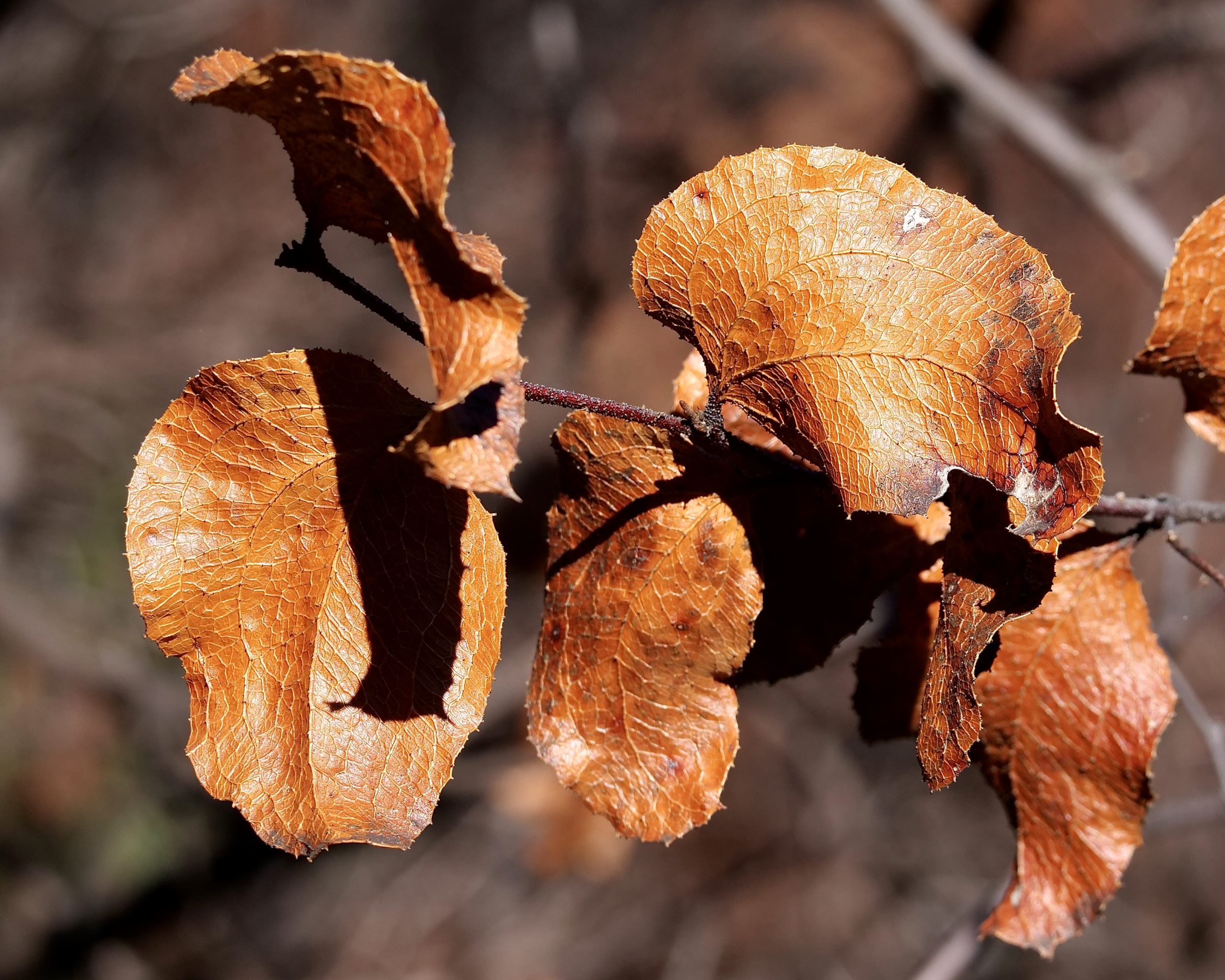
Until 19 January this year, the organism pictured above was a fine, living example of a weird, wonderful, and very rare Western Australian Acacia species.
When I photographed a few of its “leaves”, glowing in bright winter light at 2.33 pm on 01 July 2022, it and they were as dead as the many thousands of entombed persons, nearby.
Comments closed
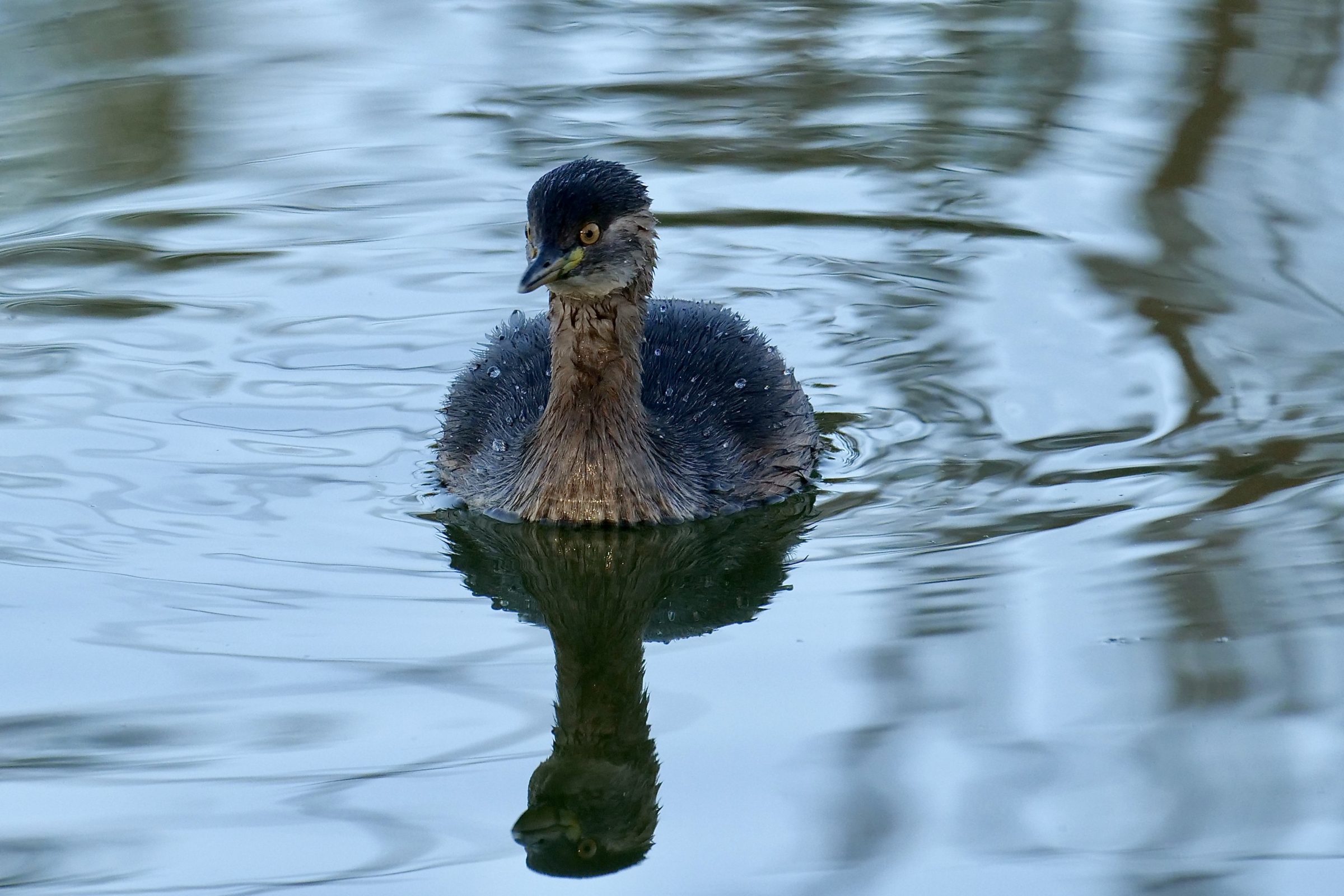
As is often true of Tachybaptus novaehollandiae, our hero/ine was repeatedly disappearing and re-emerging.
Every time s/he resurfaced, the excellence of his/her feathers’ water-repellence was readily apparent.
Incidentally, as highly responsible parents, Australasian grebes sometimes eat their own feathers; click here to discover precisely why they do so.
Comments closed
Perth is one of very few cities, globally, where such a sight is possible: a large raptor, on patrol above a “great fen”, within a few kilometres of the CBD.
Comments closed