Skip to content →

Tag: Rajasthan

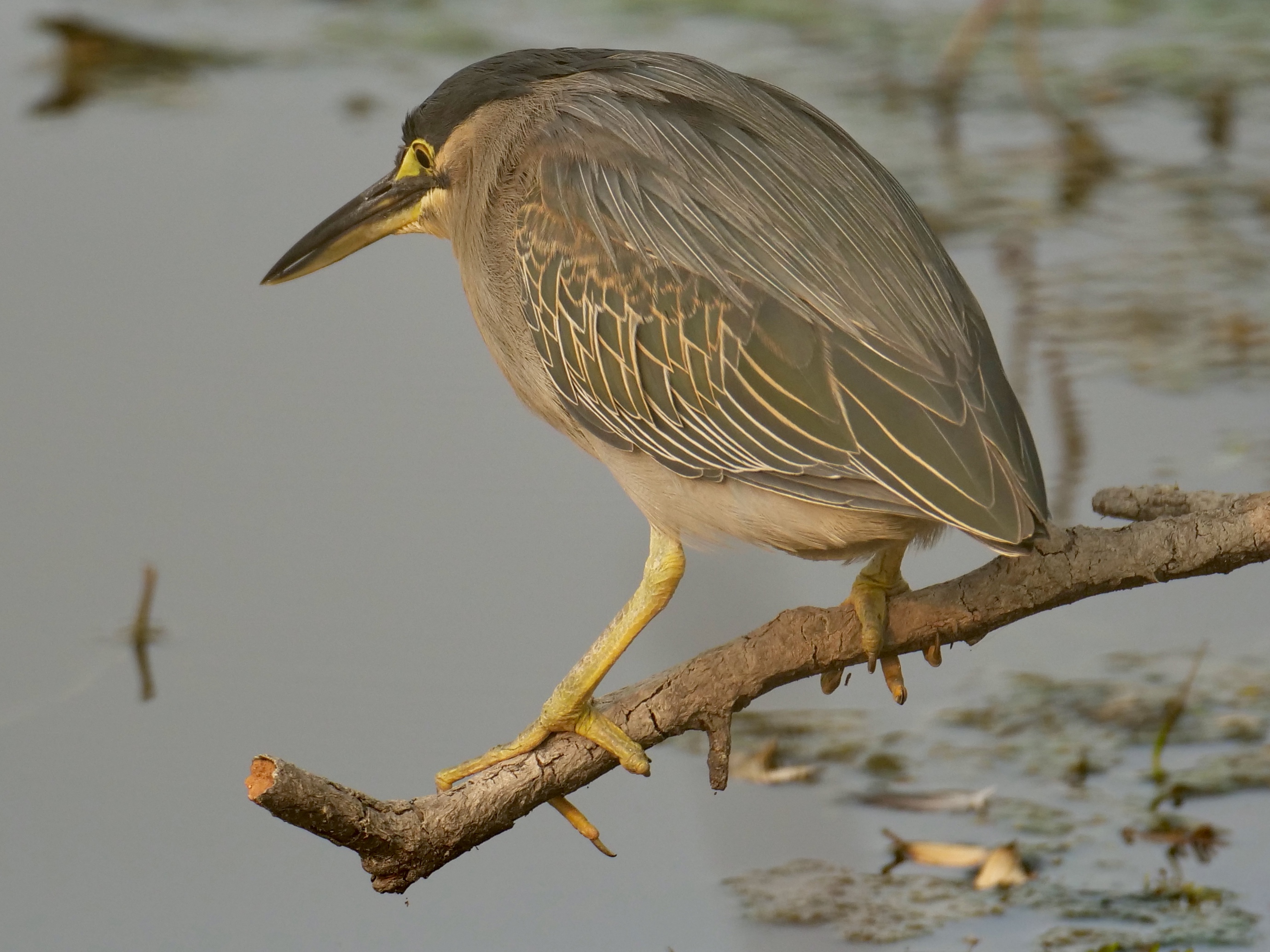
“From behind” (#10 in single-image series: heron, hunting)


A heron (or egret) in hunting mode delivers a fascinating, repeating sequence of events.

For unpredictably short or long periods the heron is a study in concentration and stillness, until that stillness is suddenly shattered by the bird’s speargun-like attack.

The prey – usually a small fish, crustacean, mollusc, amphibian or insect – is swallowed, rapidly.

The sequence then repeats…

For obvious reasons, a photographer cannot “capture” this behaviour from a very close vantage point, directly in front of the heron’s beak/“speargun”.

However, one can sometimes get surprisingly close, “from behind”.

Comments closed
“From behind” (#3 in single-image series: demoiselle cranes)


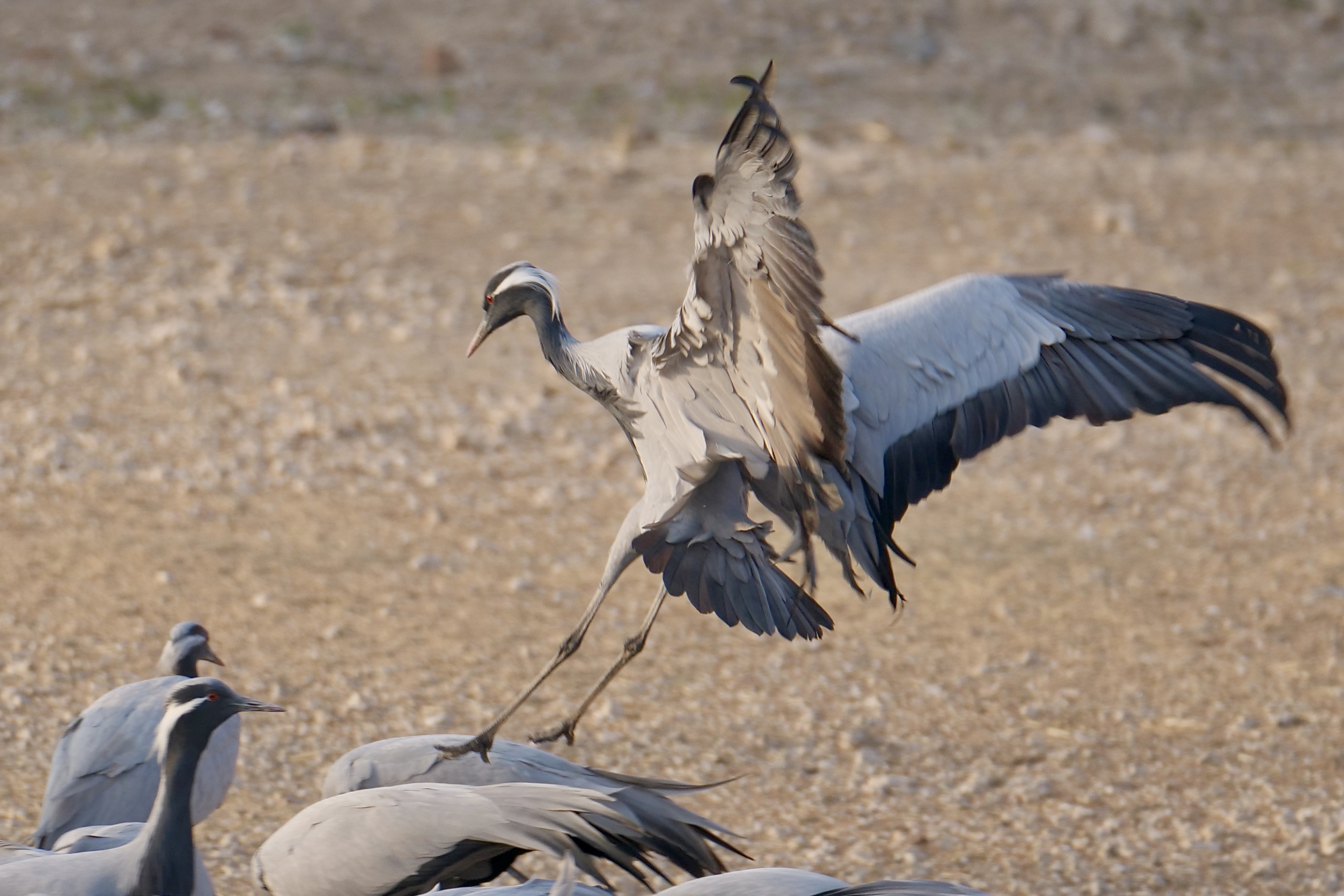
Photographically speaking, birds on the wing are – in equal measure – irresistible, humbling and frustrating.

Their irresistible/frustrating aspect is especially apparent when a photographer attempts to capture/convey how a bird launches itself into the air, or returns to earth/tree-branch/rooftop/ledge/water’s surface…

“Successful results” are guaranteed to be rare events, and one’s “successes” usually prove “qualified” rather than “total”.

This post’s image is one such qualified success…

Comments closed

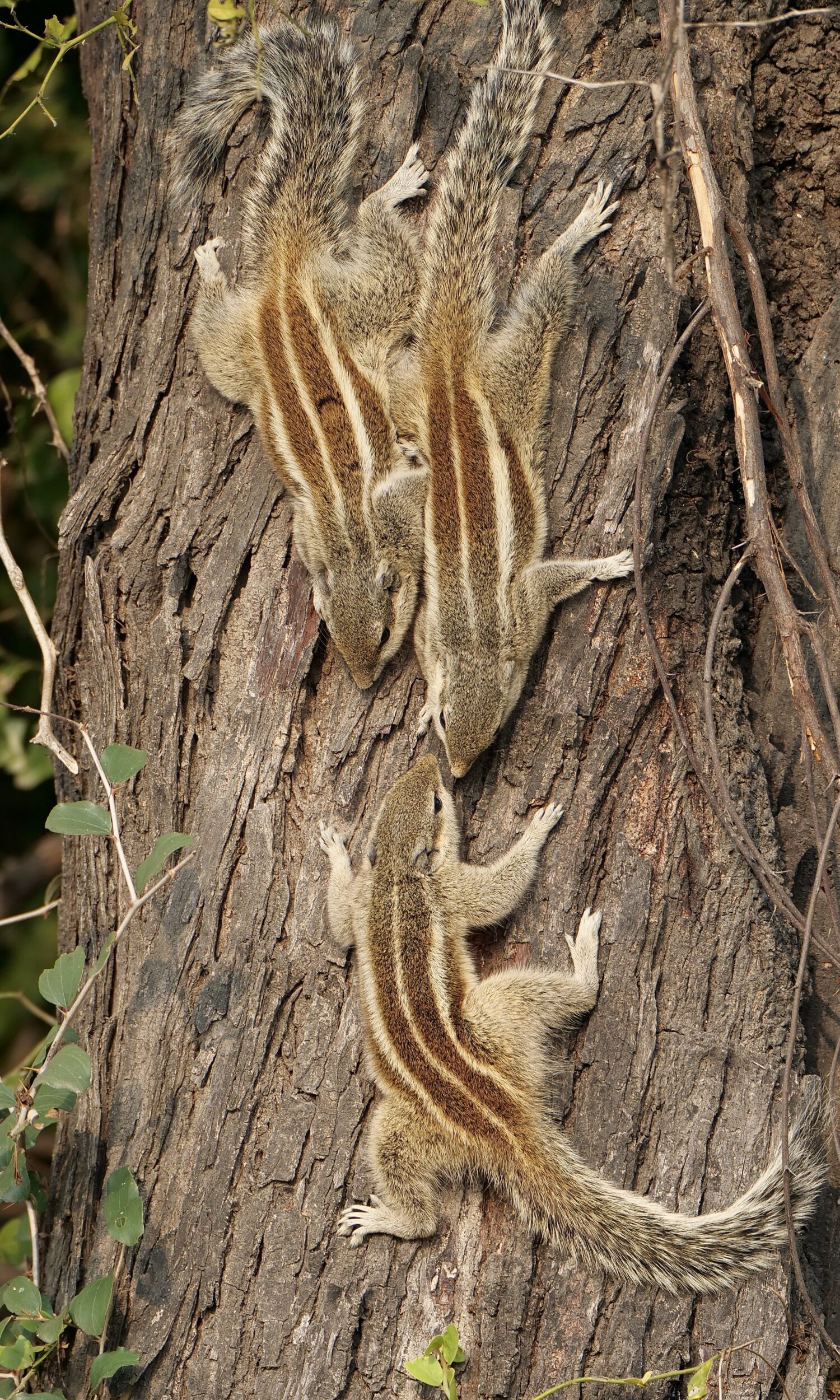
Three of the same (#6 in series: five-striped palm squirrels)


Funambulus pennanti is a very, very much smaller mammal than is Oryx gazella.

Nonetheless, whereas yesterday’s large African antelopes occupied a tiny portion of the featured image, today’s Asian rodents dominate it.

Many people regard this widespread, very adaptable squirrel species as “particularly cute”.

From an agricultural/human food production/storage point of view, however, five-striped palm squirrels are a serious pest; in Elmer Fudd-speak, these are “weally wascally wodents”.

Comments closed

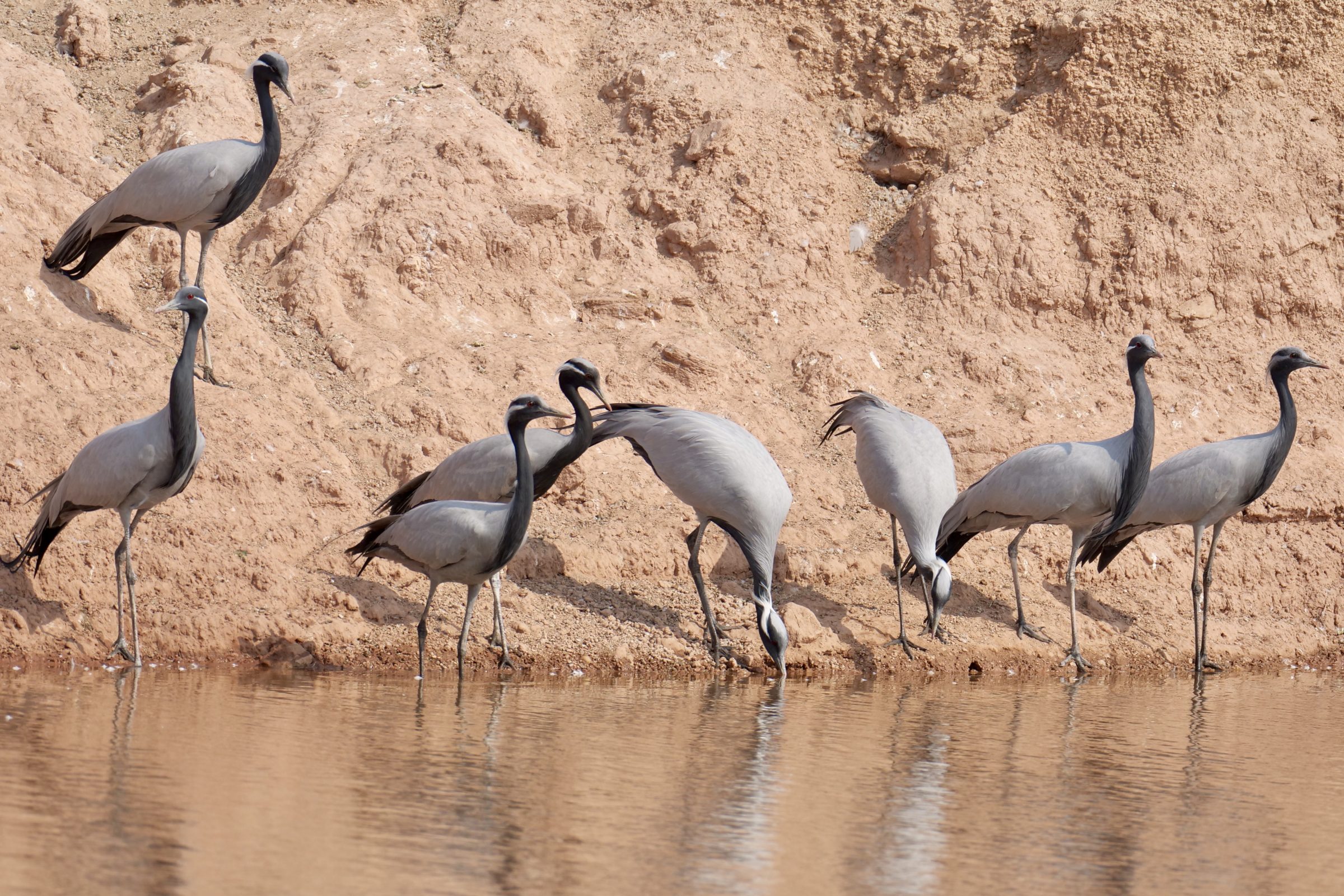
Khichan, Rajasthan: Jains and cranes (2 of 2: “social drinking”)


Imagine the image above, devoid of context, and subjected to a “caption this photo” contest.

A suitably cornball “winner”:
a quiet drink with a few mates.

The featured image was taken with a long lens (560 mm) at 11.12 am on 20 February 2020.

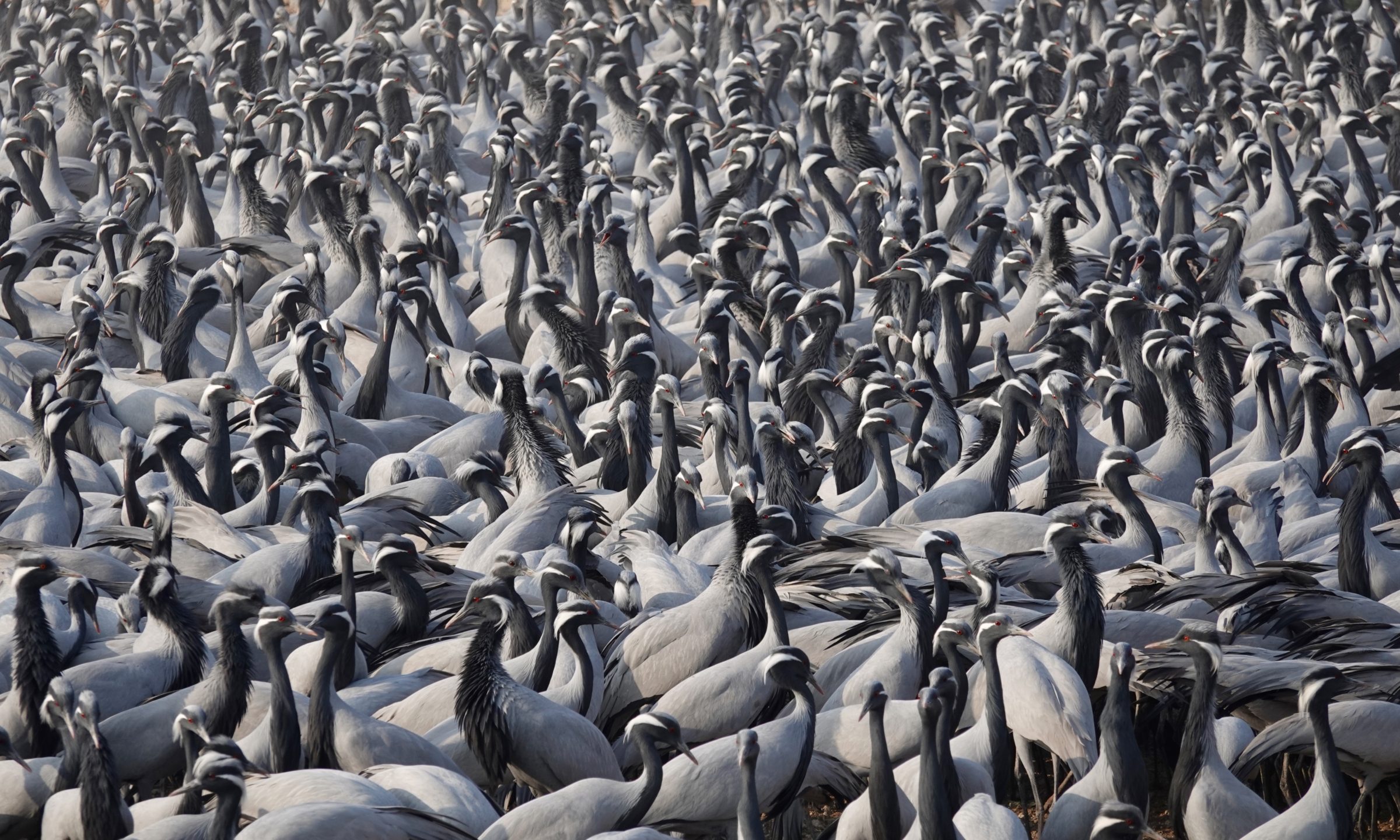
The photo immediately below was taken just a few seconds later, from almost exactly the same vantage point, overlooking a pond/reservoir, a few minutes away from Khichan…

2 Comments

Khichan, Rajasthan: Jains and cranes (1 of 2)


Cranes: in this case, Demoiselle cranes, the world’s smallest crane species,

Jains: adherents of Jainism, an Indian religion which is older than Christianity and Islam.

The practical application of Jainism’s central principle/vow has produced an astounding result.

For Demoiselle cranes (and for human admirers of one of the world’s more elegant birds) Khichan –  a modest village in the Thar Desert – is now the world’s most rewarding destination.

Comments closed

Khichan rooftop (teaser)


Q: why did many expensive lenses cross oceans, and the lenses’ owners then get up so very early on a crisp Rajasthan winter morning?

A: they wanted to secure a “good” position on a rooftop in an unassuming Thar Desert village.

The more meaningful answer has to be seen to be believed…as you will see in Pelican Yoga’s next two, lavishly-illustrated posts.

Comments closed

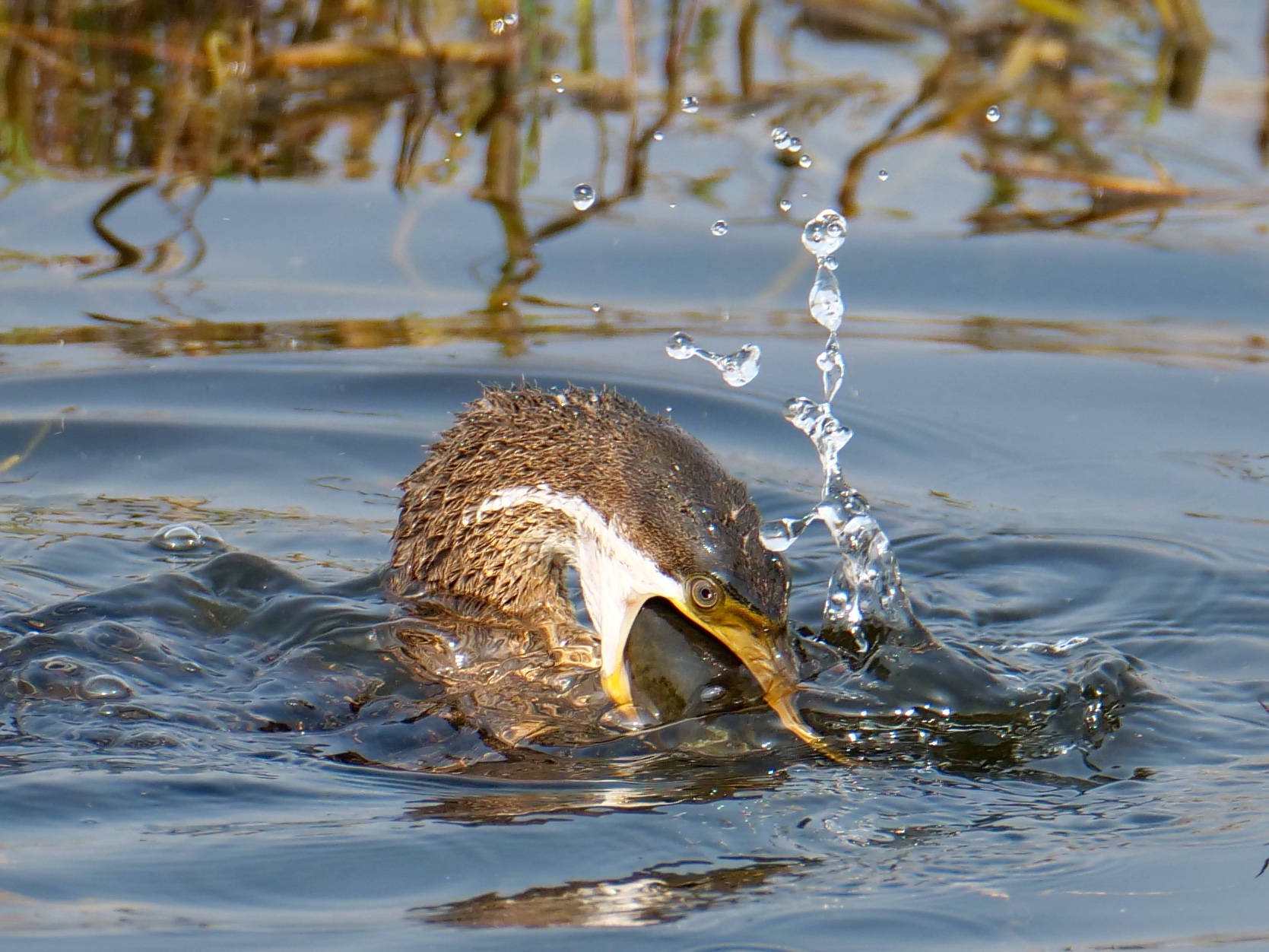
Fatal encounter: snake bird v catfish


Sequentially, the featured image is the fourth of this post’s photos, all taken within the contest’s brief timespan: a little less than four minutes.

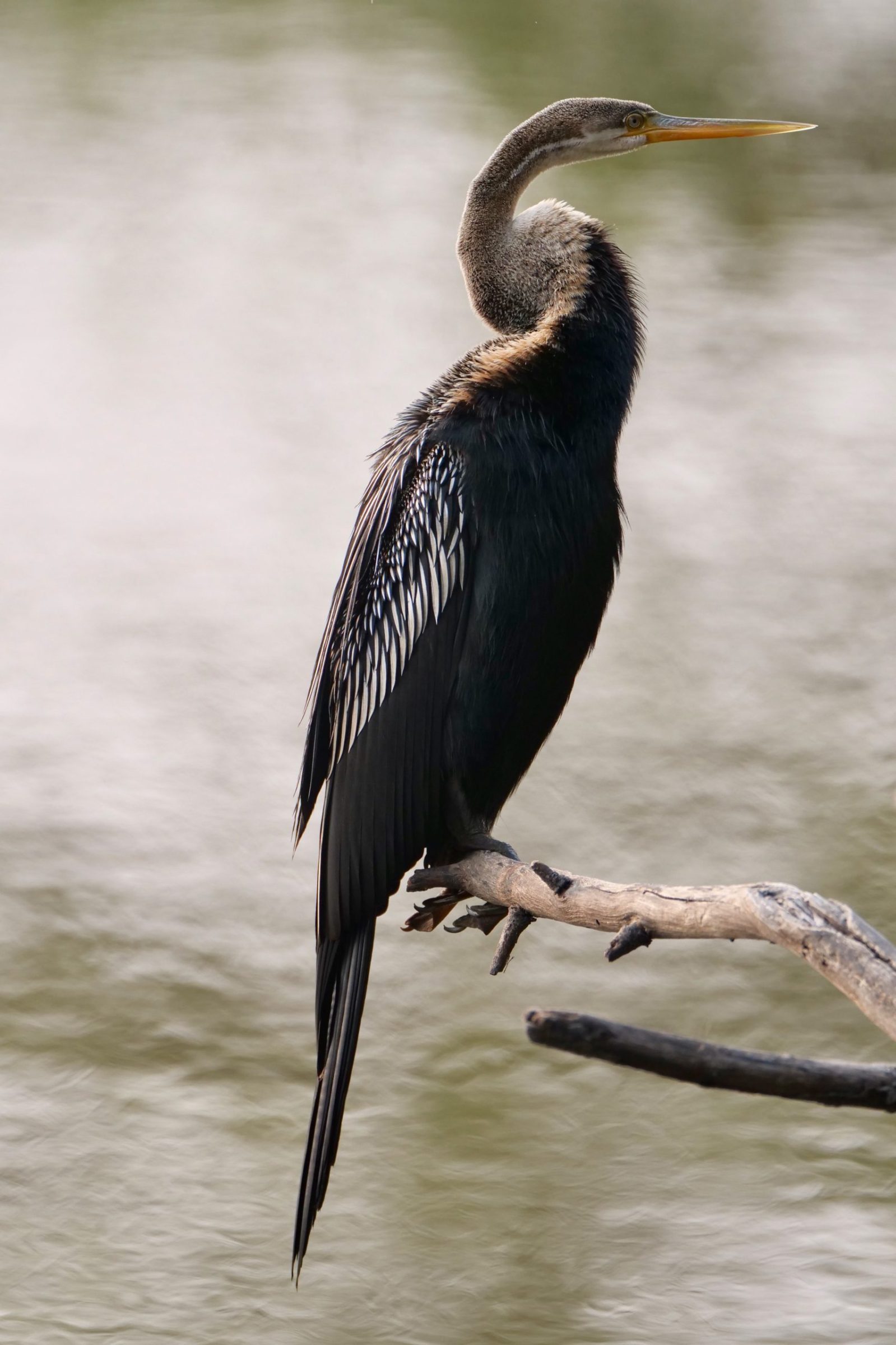
Formally, the “snake bird” is an Oriental darter, Anhinga melenogaster – the same species who looked so very different when in repose, in #66 in Pelican Yoga’s “a shining moment” series.

One Comment

Quiet now: “snake bird” in repose (#66 in “a shining moment” series)


An attentive observer, watching a non-sleeping bird, will very rarely see a serene creature.

For most of their waking moments, most birds are obviously keenly aware of their vulnerability to predators, their opportunities as predators, and/or of how best to defend or advance their “place” within an ever-competitive hierarchy.

Comments closed

Daylight’s opening hour: lowland (#53 in “a shining moment” series)


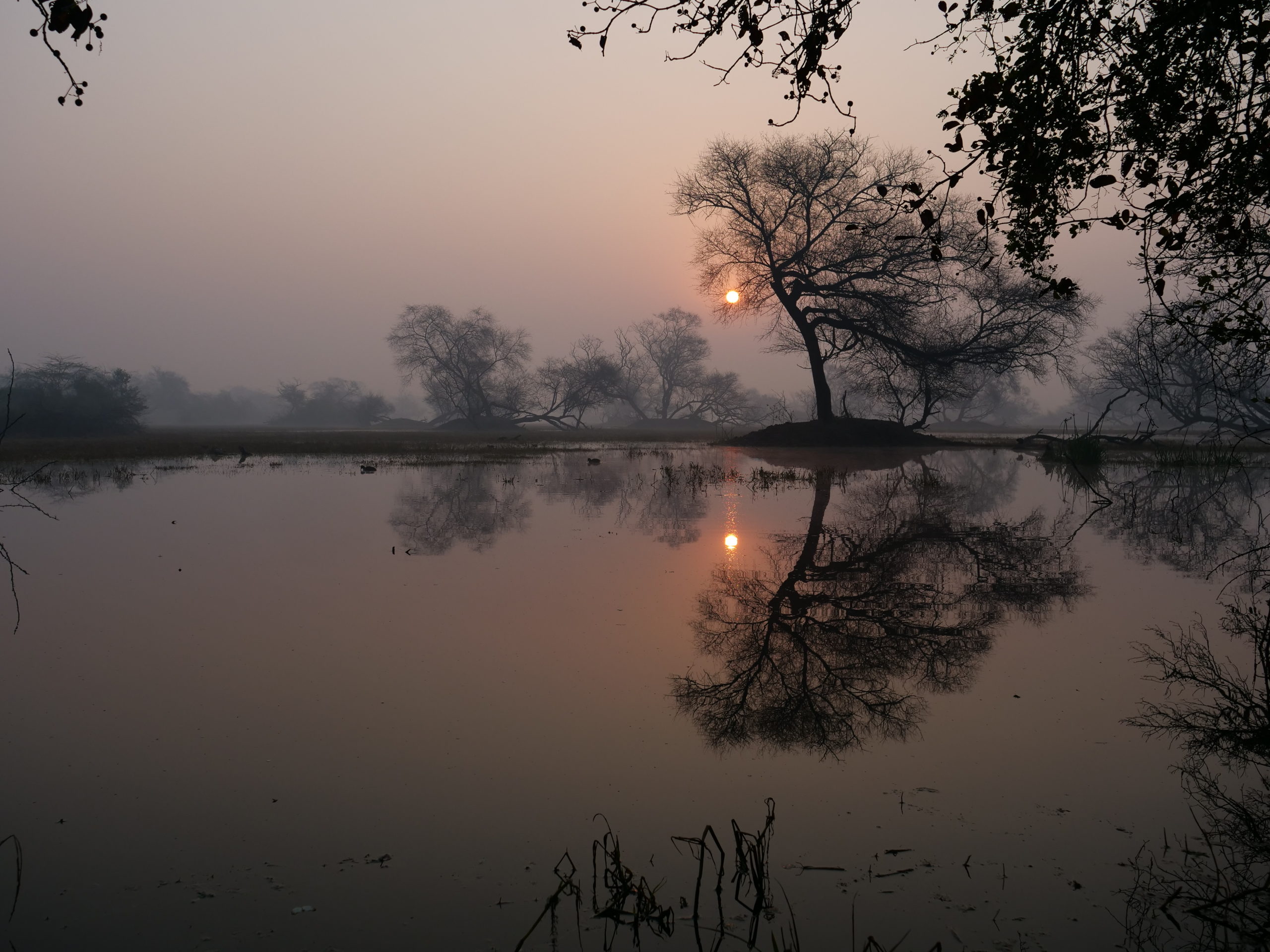
Today’s photo (copyright Doug Spencer) was taken at 7.41 am on 05 February 2020 in the Bharatpur Bird Sanctuary, Keoladeo National Park, Rajasthan.

Its musical companion is a sublime morning raga, performed by one of the Indian subcontinent’s most eloquent instrumentalists.

2 Comments

Fresh produce (#52 in “a shining moment” series)


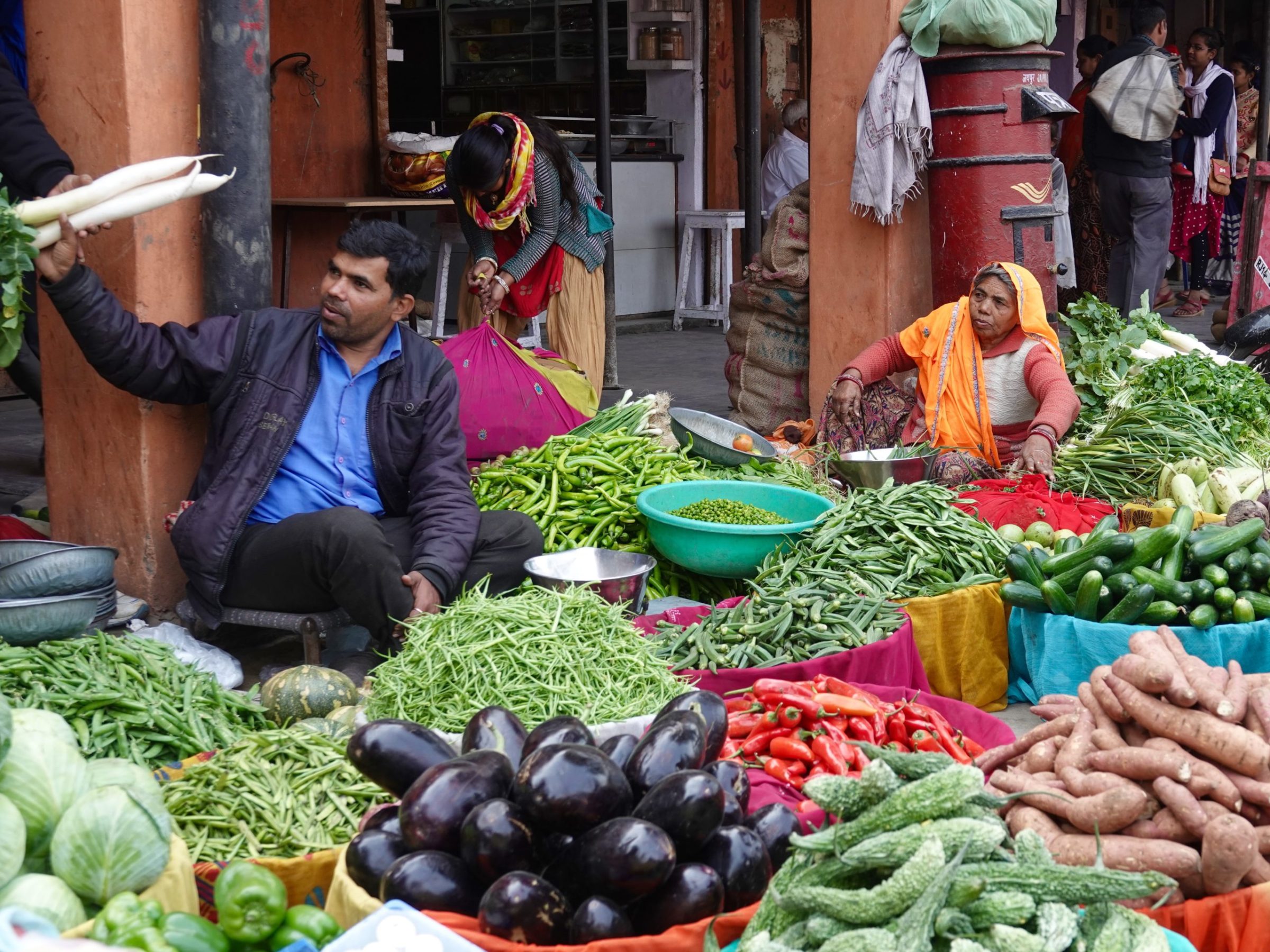
The featured image (copyright Doug Spencer) shows produce being sold on the footpath in the “old city” quarter of Jaipur, Rajasthan, on 07 February 2020.

This post has two very different songs.

Neither is new, but each is fresh.

Both vividly remember the calls of actual produce sellers, but the second song is really about something that money cannot buy.

Comments closed