Skip to content →

Tag: South America

Aspects of Colombia (#7 in teaser series: semi-aquatic giants in “cattle country”)

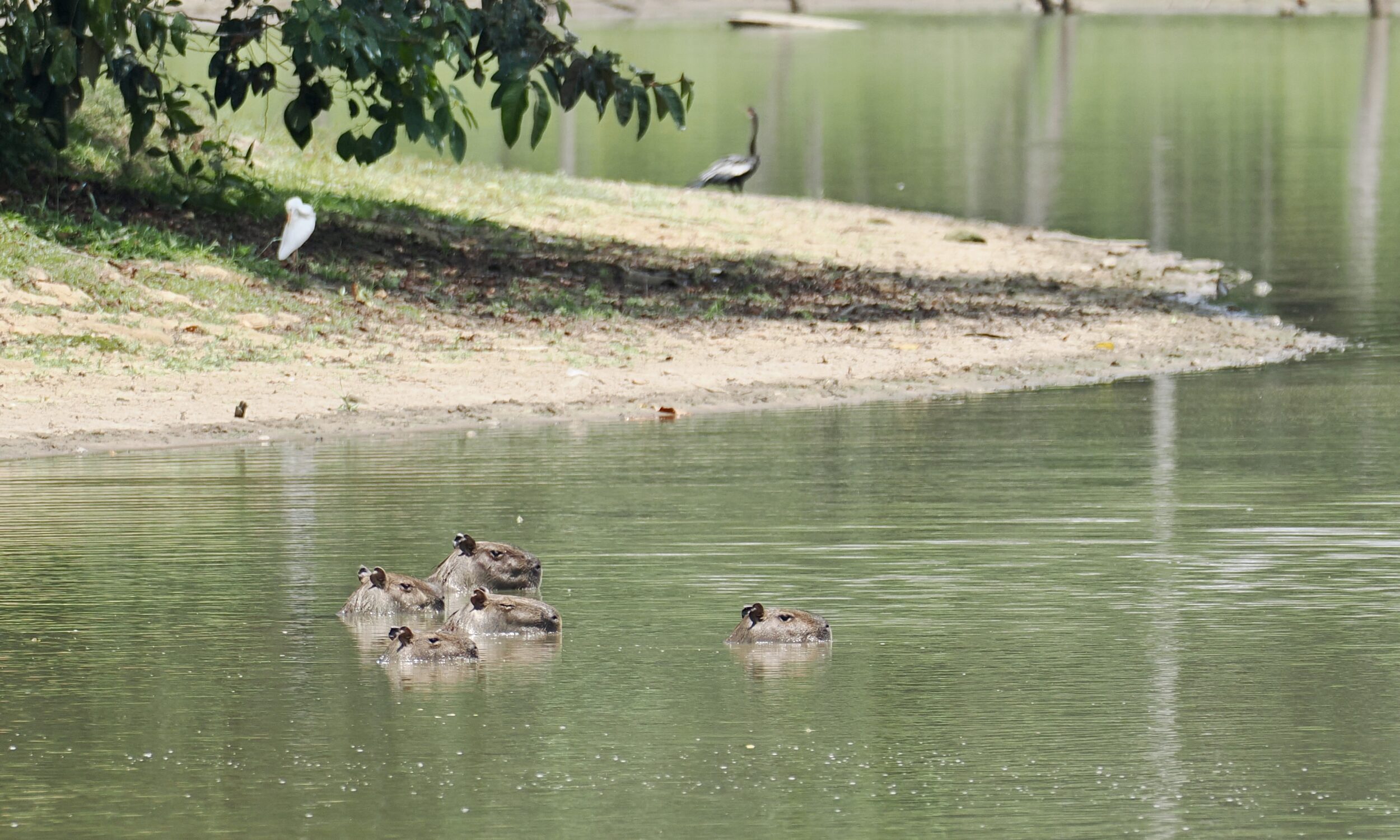
You are looking at very large, highly sociable rodents.

There are just two capybara species; pictured is the more widespread, Hydrochoerus hydrochaeris, the greater capybara.

It is – handsomely –  the world’s largest living rodent.

A “typical” adult weighs between 35 & 66 kilograms; females are bigger than males.

The heaviest-recorded wild capybara weighed 91 kilograms!

An adult’s body length usually exceeds 1 metre.

These very adaptable herbivores inhabit every South American nation, bar Chile.

They thrive in both grassland & forest, & quite happily share habitat with humans & their livestock.

Capybaras mate and give birth only in water, so convenient access to a river, lake or wetland is a “must”.

Comments closed
Aspects of Colombia (#6 in teaser series: wild giant in “beef cattle country”


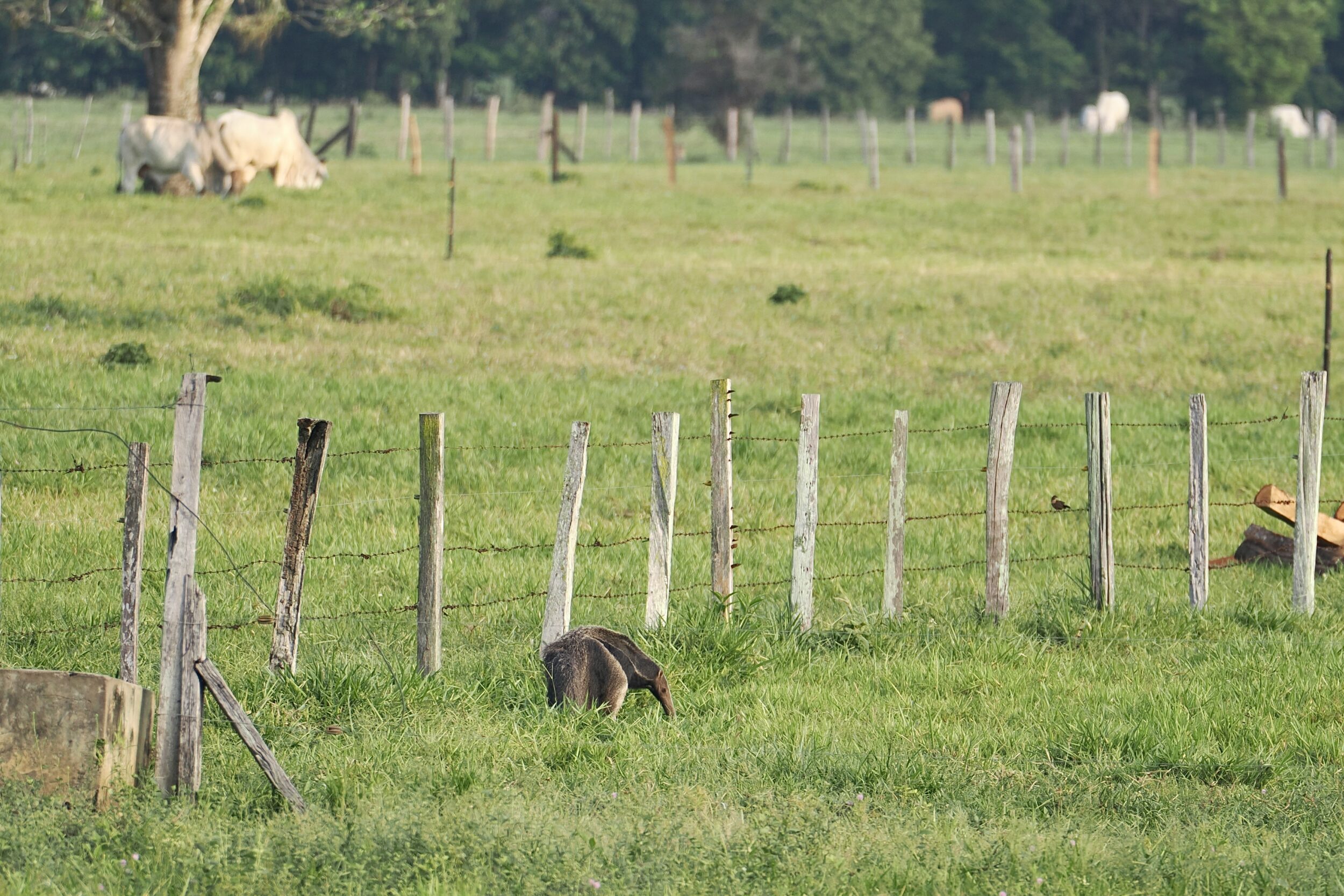
The pictured location’s altitude is very much lower (circa 450 metres ASL, rather than 3,500 metres) than was #5’s in this single-image series.

The climate here is very much hotter & the terrain is flat.

If it had been left in its natural state you would be looking at a photo of dense tropical rainforest, unfenced, with absolutely no cattle.

Assuredly, we are not the first visitors to be amazed that this “much-degraded” countryside is still inhabited by the largest of “our” globe’s four “anteater” species.

Myrmecophaga tridactyla –  the giant anteater – can coexist with beef cattle…and it is not much-troubled by fences – non-electrified ones, at least.

Comments closed

Aspects of Colombia (#5 in teaser series: flourishing in a “degraded” environment)

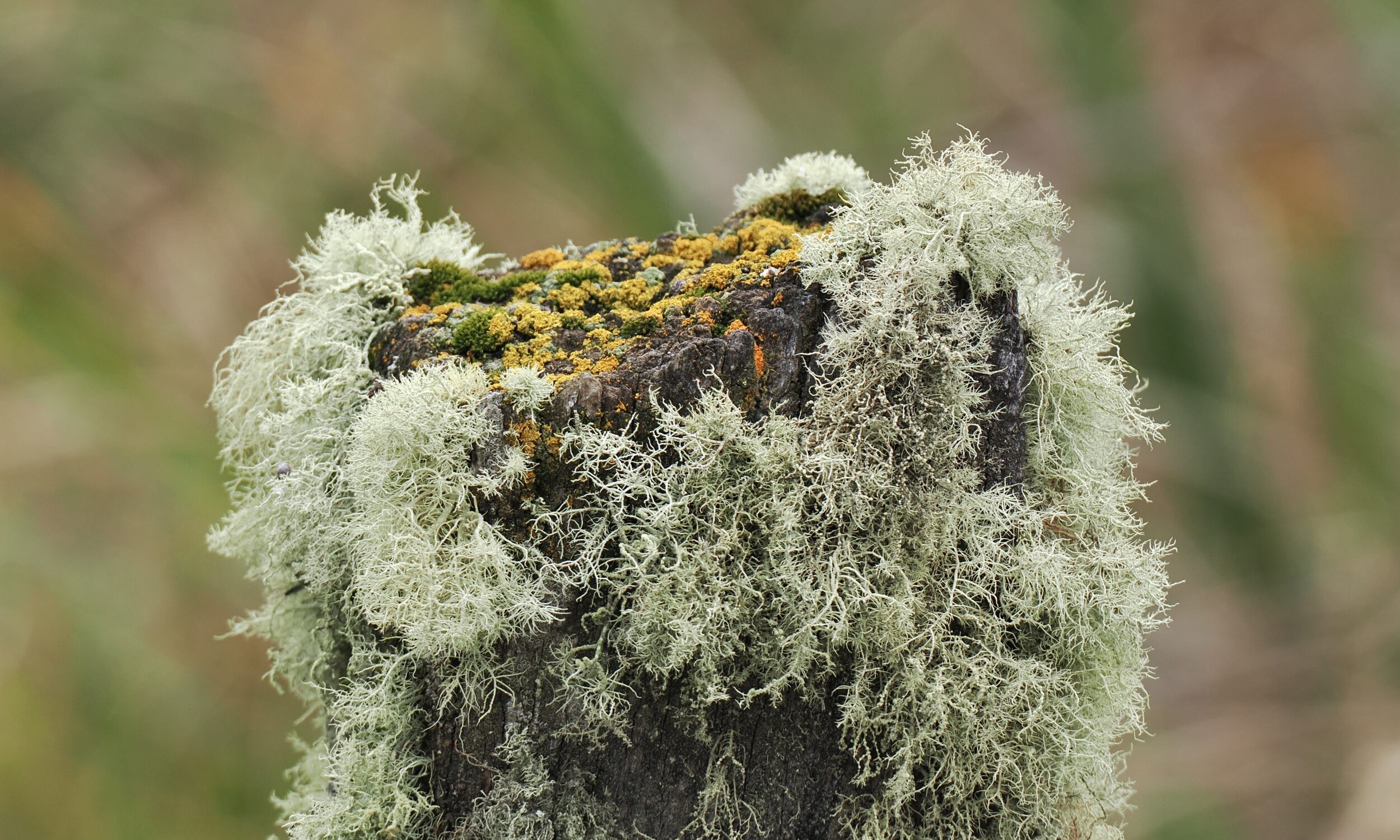
At 11.22 am on the 4th of March this year, we were at least several hundred metres closer to sea level than where I had taken the previous post’s photo

However, we were still at high altitude – probably, circa 3,500 metres ASL – & still on the flanks of Nevado del Ruiz.

The air was still deliciously cool and clean.

Very obviously, we were still in a very high-rainfall zone.

I think we were no longer within Los Nevados National Park.

You may – or may not – recognise exactly what provided the pictured lichens and mosses with an obviously-ideal home.

One Comment

Aspects of Colombia (#4 in teaser series: naturally-abstract @ 4,300 metres)


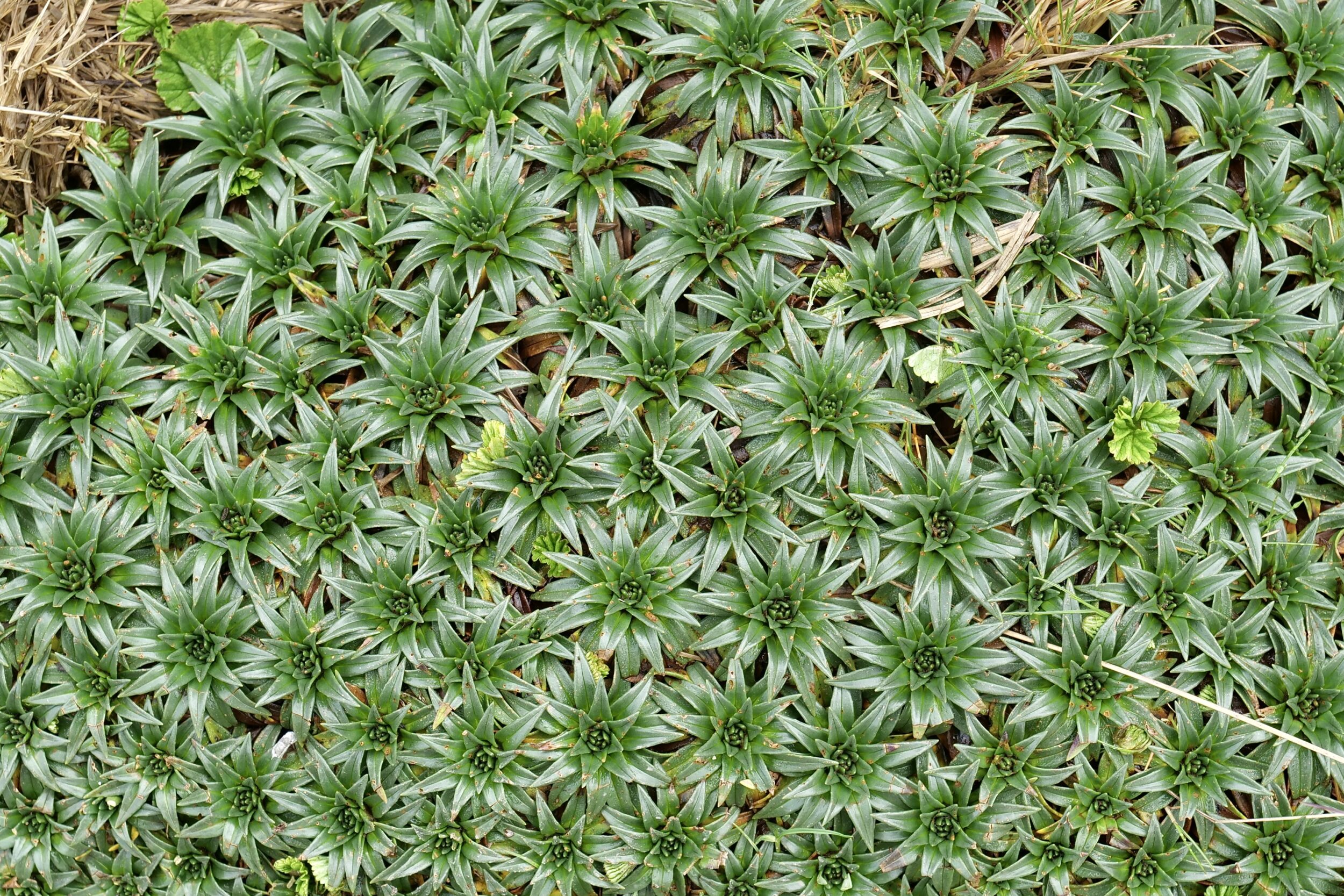
The “big monks” (frailejones) are páramo‘s signature plants, & also this tropical tundra’s tallest.

Its “little guys” are also striking…& there are many different kinds.

Páramo is, I think, the most species-diverse of any seriously-high altitude ecosystem.

Comments closed