The wrist and ‘hand’ of a bird contain far fewer bones than those of mammals and reptiles.
Through the evolutionary process that transformed a foreleg into a wing, some of the original bones have been lost, and others fused together.
One CommentNatural splendour, real musics, wines, wordpower
The wrist and ‘hand’ of a bird contain far fewer bones than those of mammals and reptiles.
Through the evolutionary process that transformed a foreleg into a wing, some of the original bones have been lost, and others fused together.
One Comment
The lives of most flying birds are fast-paced and make tremendous physical demands upon them.
A robust framework is essential, but the bird skeleton also needs flexibility and to be light enough for flight.
Comments closedBirds are all that remain today of the dinosaurs.
The history of their emergence from the mighty theropod dinosaur lineage is told through millennia of fossils, and evidence of this ancestry is apparent in their living bodies today.
Comments closed
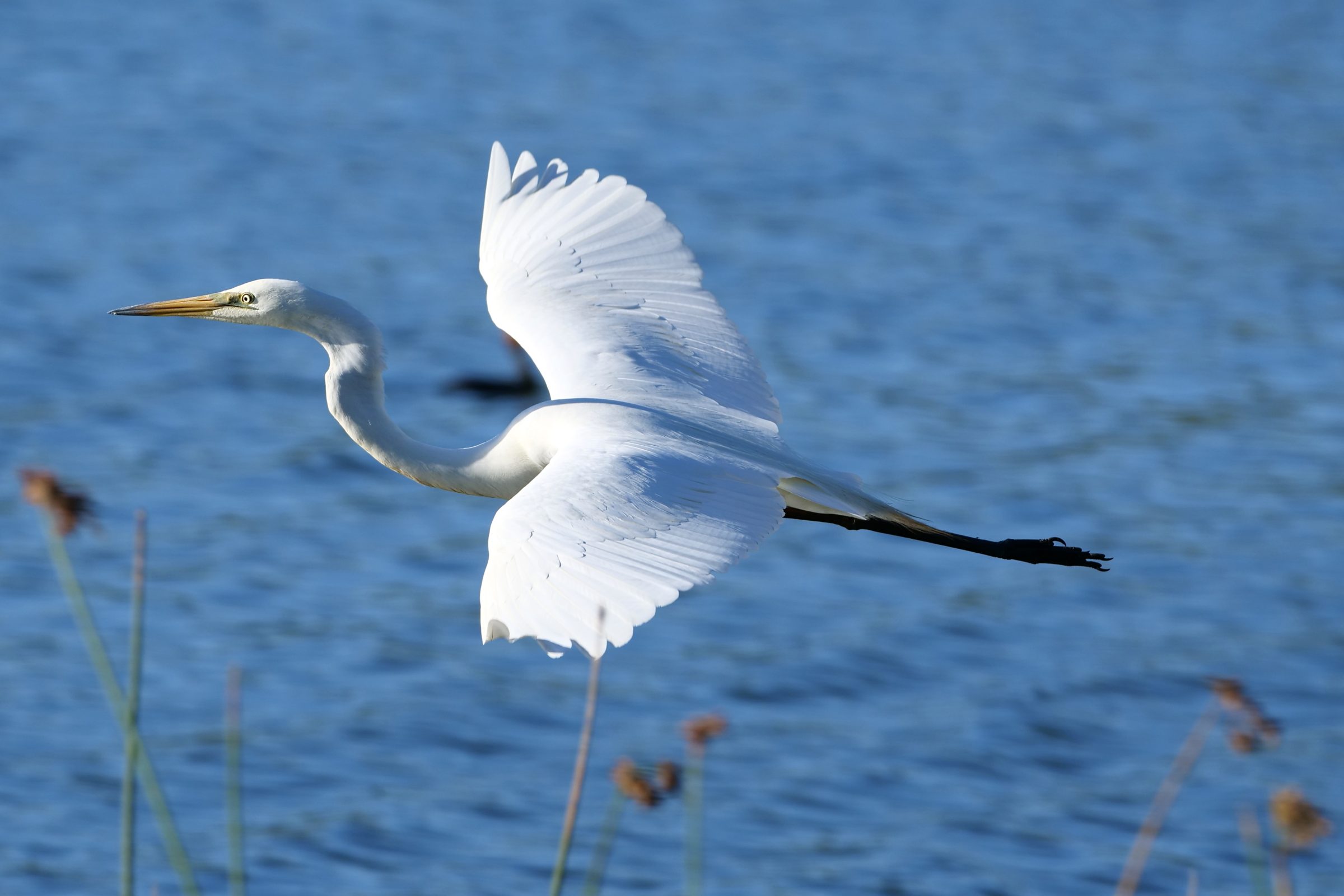
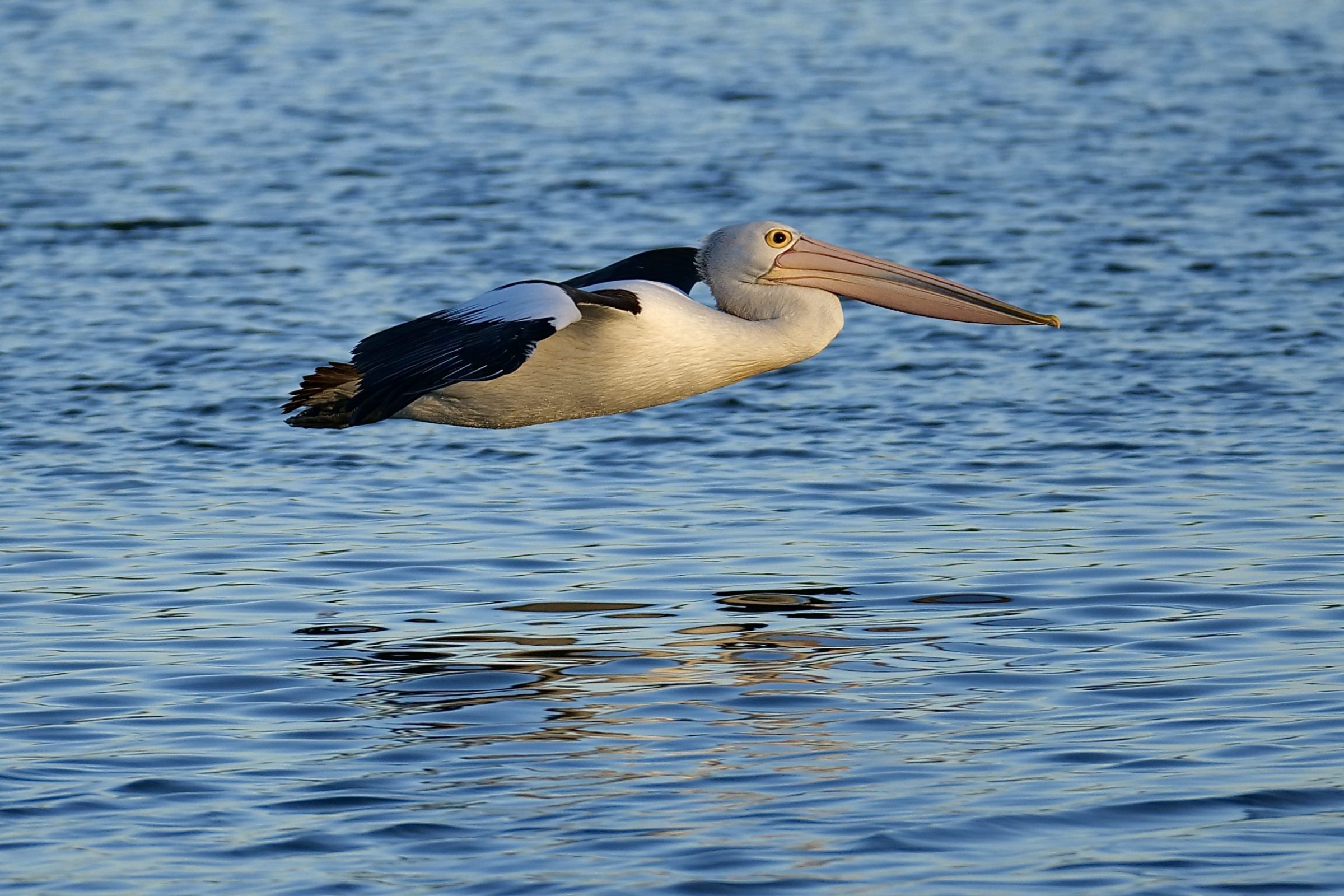
Waterbirds approaching (or departing from) their liquid runways offer much more rewarding viewing than does any airport.
Comments closed
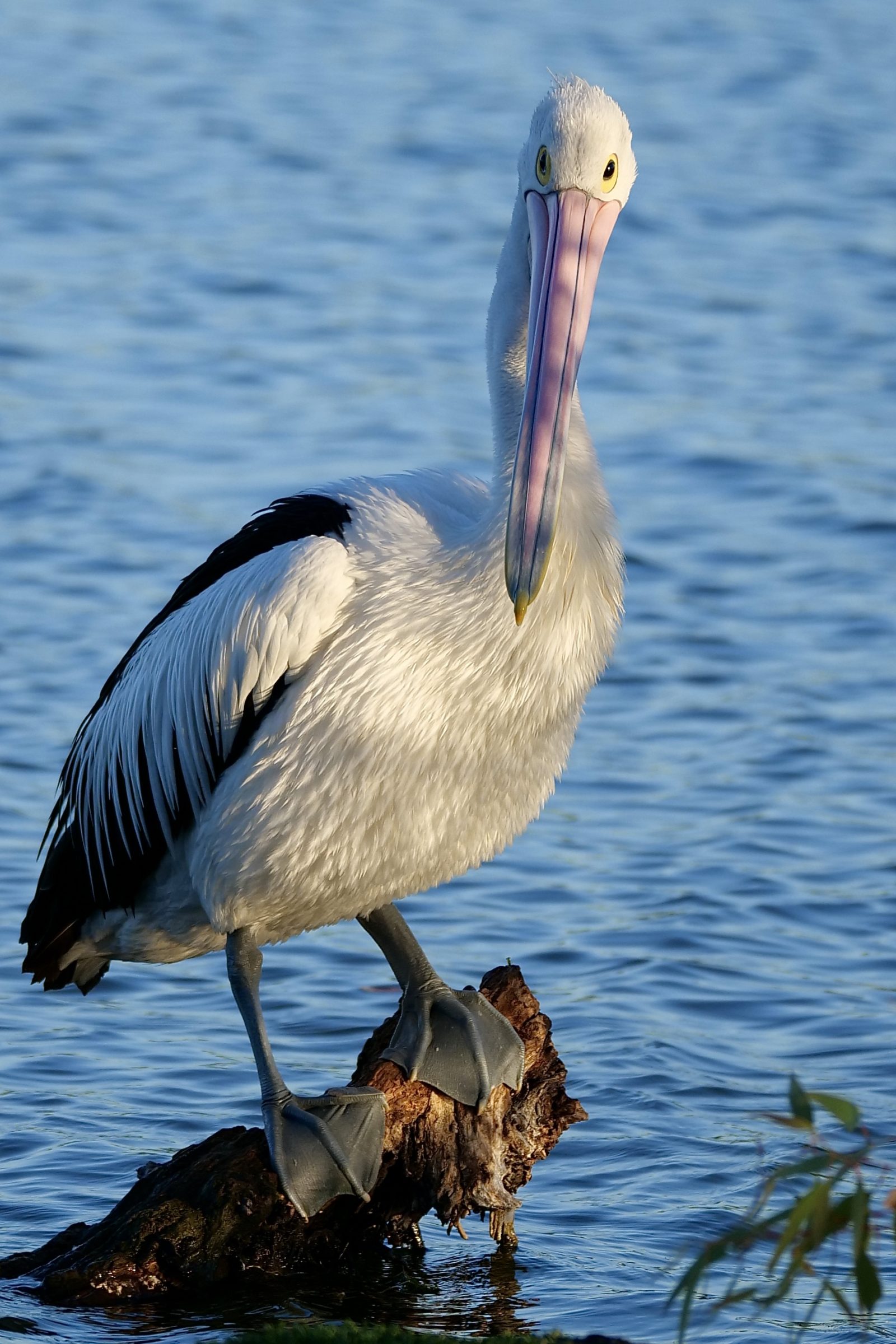
The almost-set sun obligingly accentuated our hero’s breast feathers, as s/he and I looked directly at each other.
Comments closed
Q: Are bills and beaks different, and if so, how are they different?
Comments closed
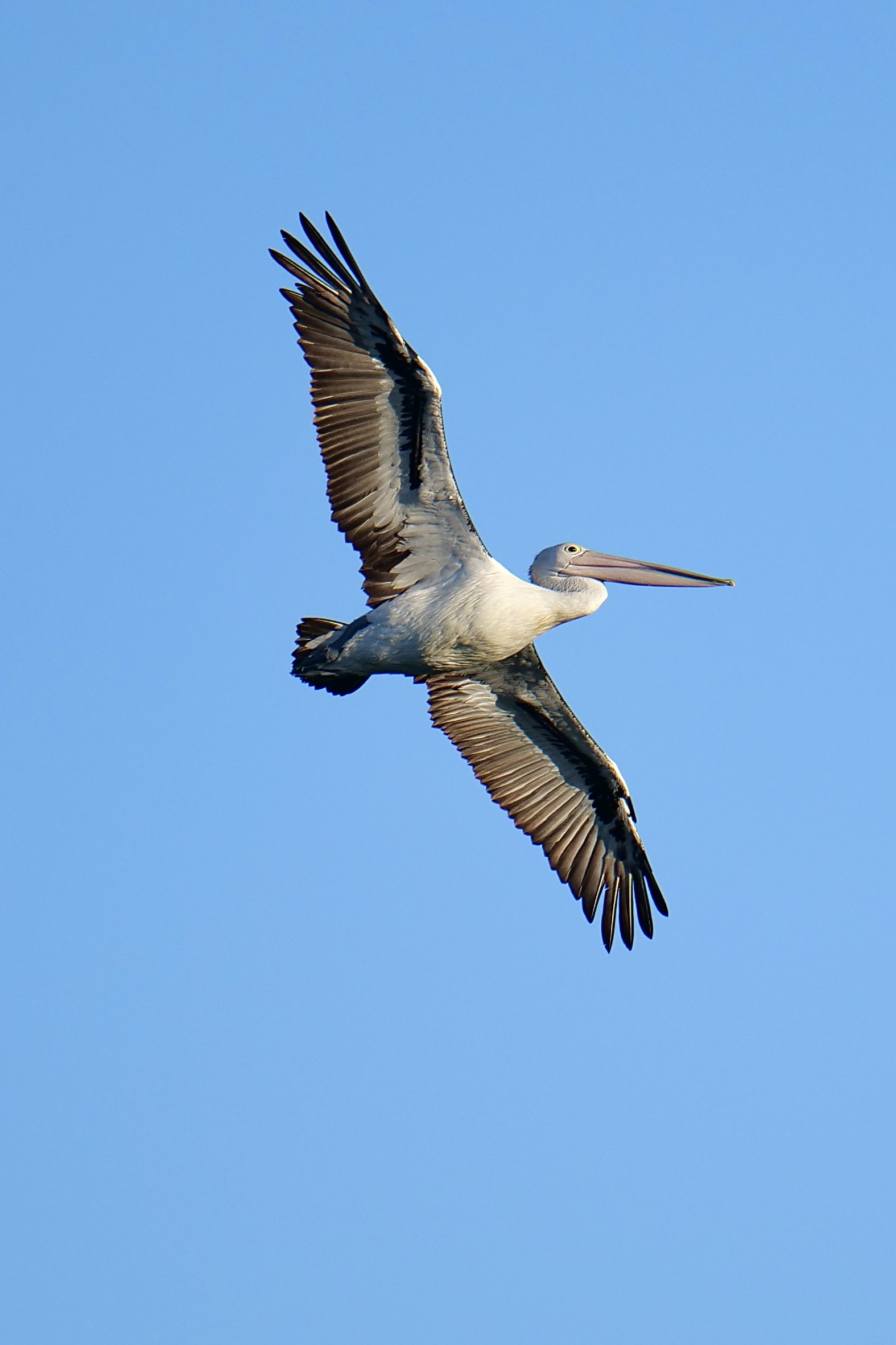
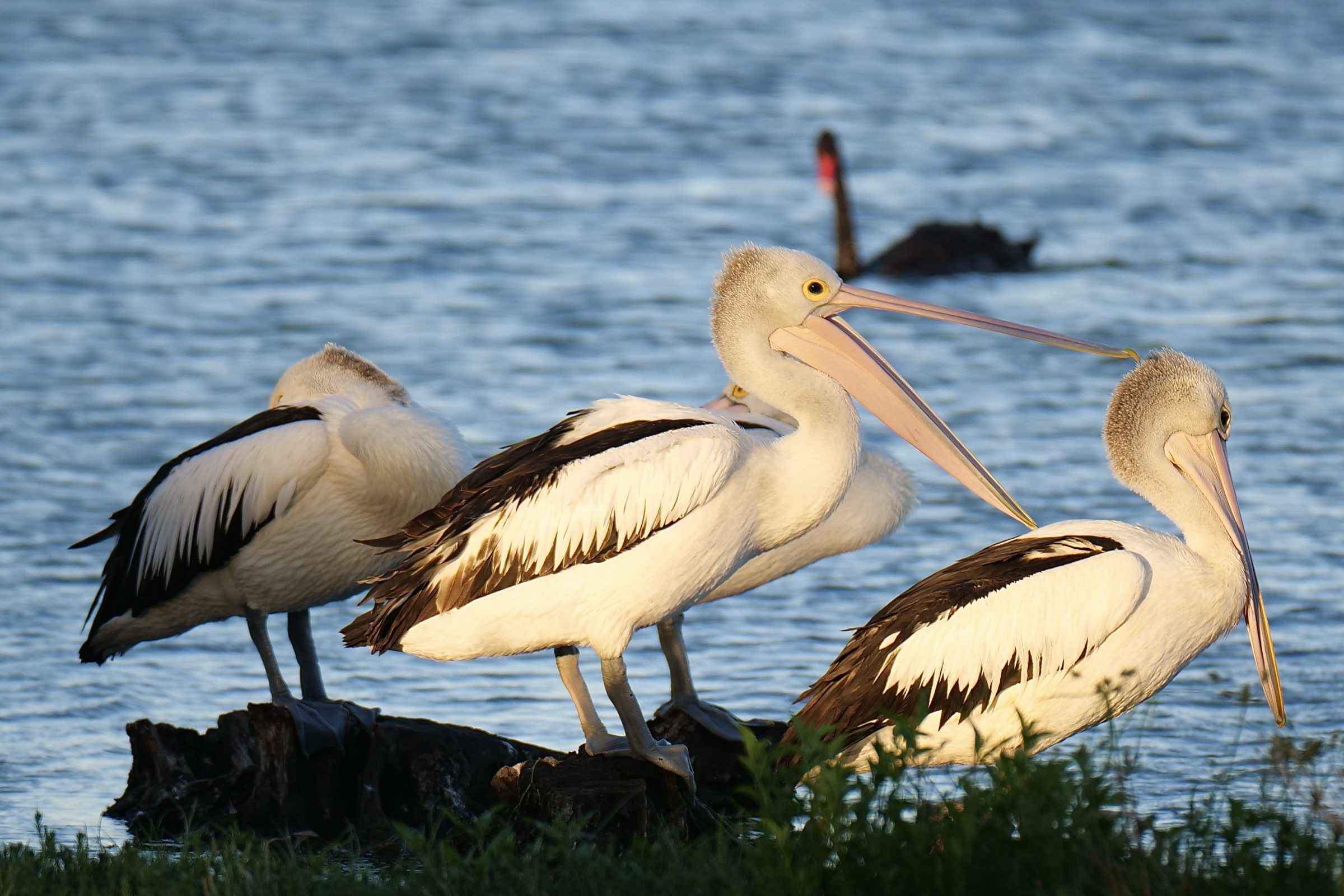
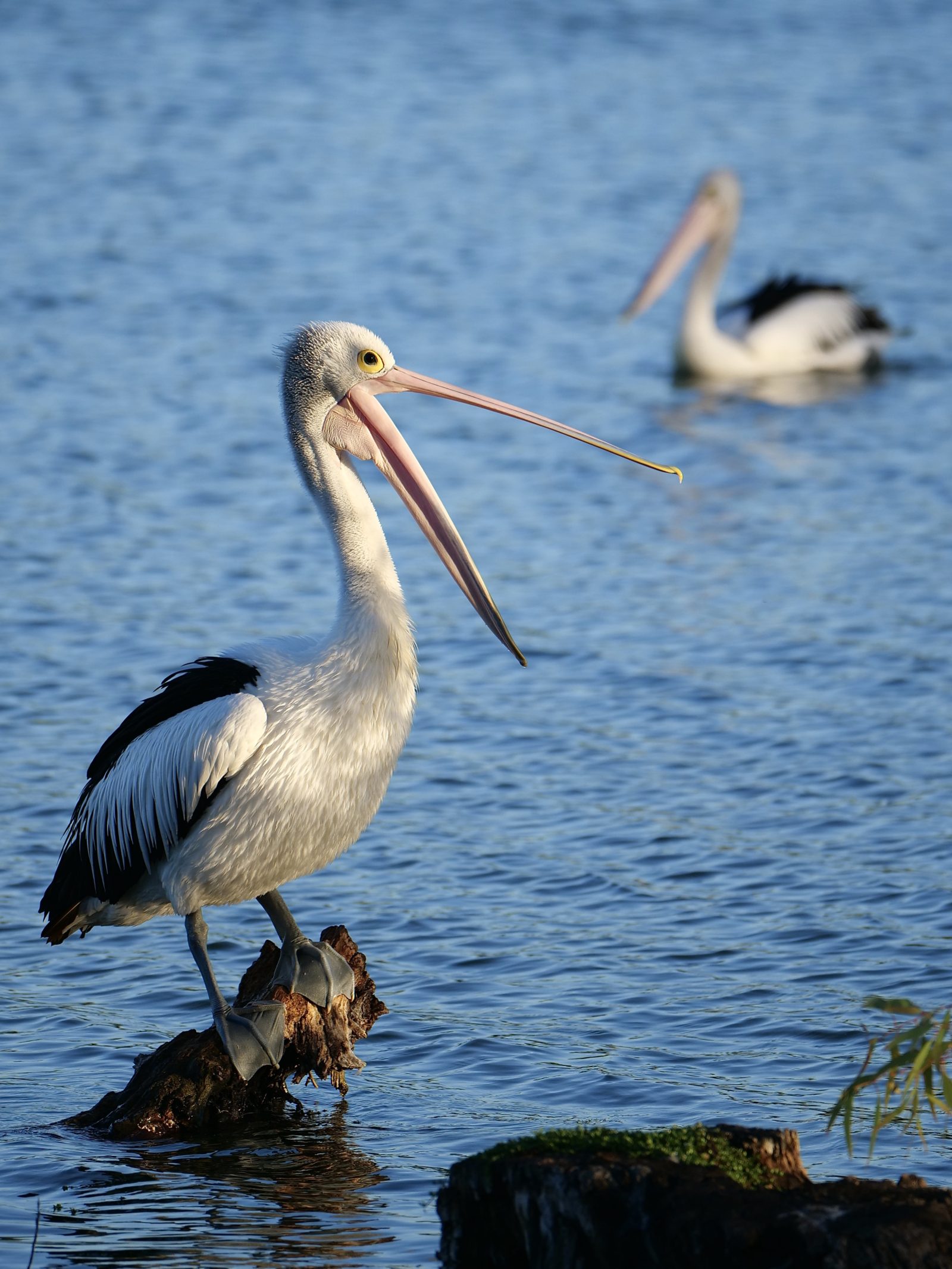
According to numerous sources, no other living bird has a bigger bill than the Australian Pelican’s.
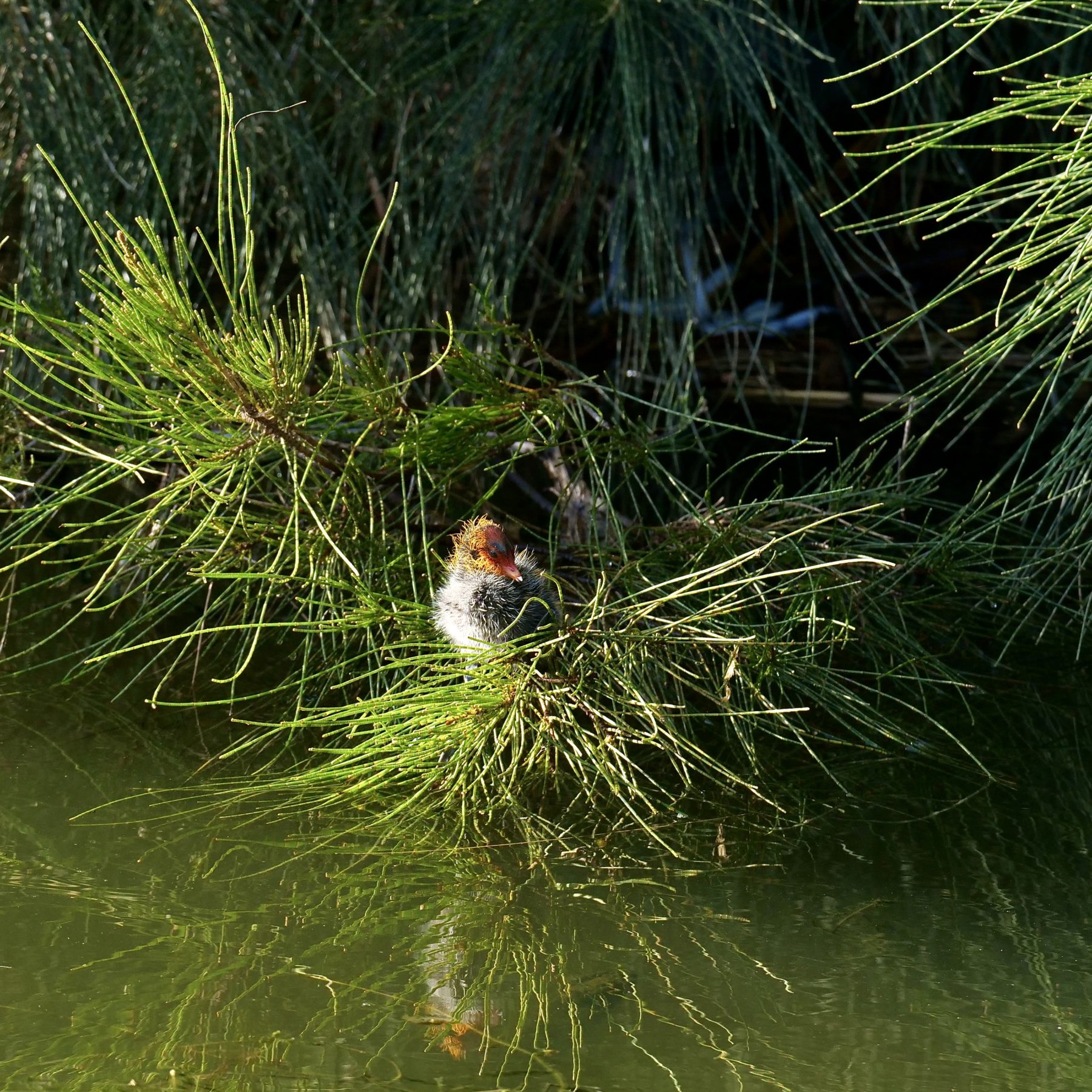
Comments closedIf you did not already know what this chick looks like, you would likely find it difficult to guess what is its particular (common) species.
If a magician were to combine and animate a mangled wire bush, an old and charred small Banksia spike, a dash of cotton wool and an overripe cherry tomato, the result would likely resemble this post’s critter.
Comments closed
Not every predatory stalker relies on cover and/or camouflage.
Today’s very elegant hunter is easily seen, even by inattentive humans.
A Great Egret relies on stillness and focus…and the very sudden deployment of his/her neck, head and beak.
An egret’s “lethal end” is analogous to a speargun.
One Comment
Our hero lost his “sacred” status when his Australian-ness was recognised!
As is true of many birds, Threskiornis molucca – the Australian white ibis – is wonderfully elegant when high in the sky, but rather less so when on terra firma, or in the process of becoming airborne.
Comments closed