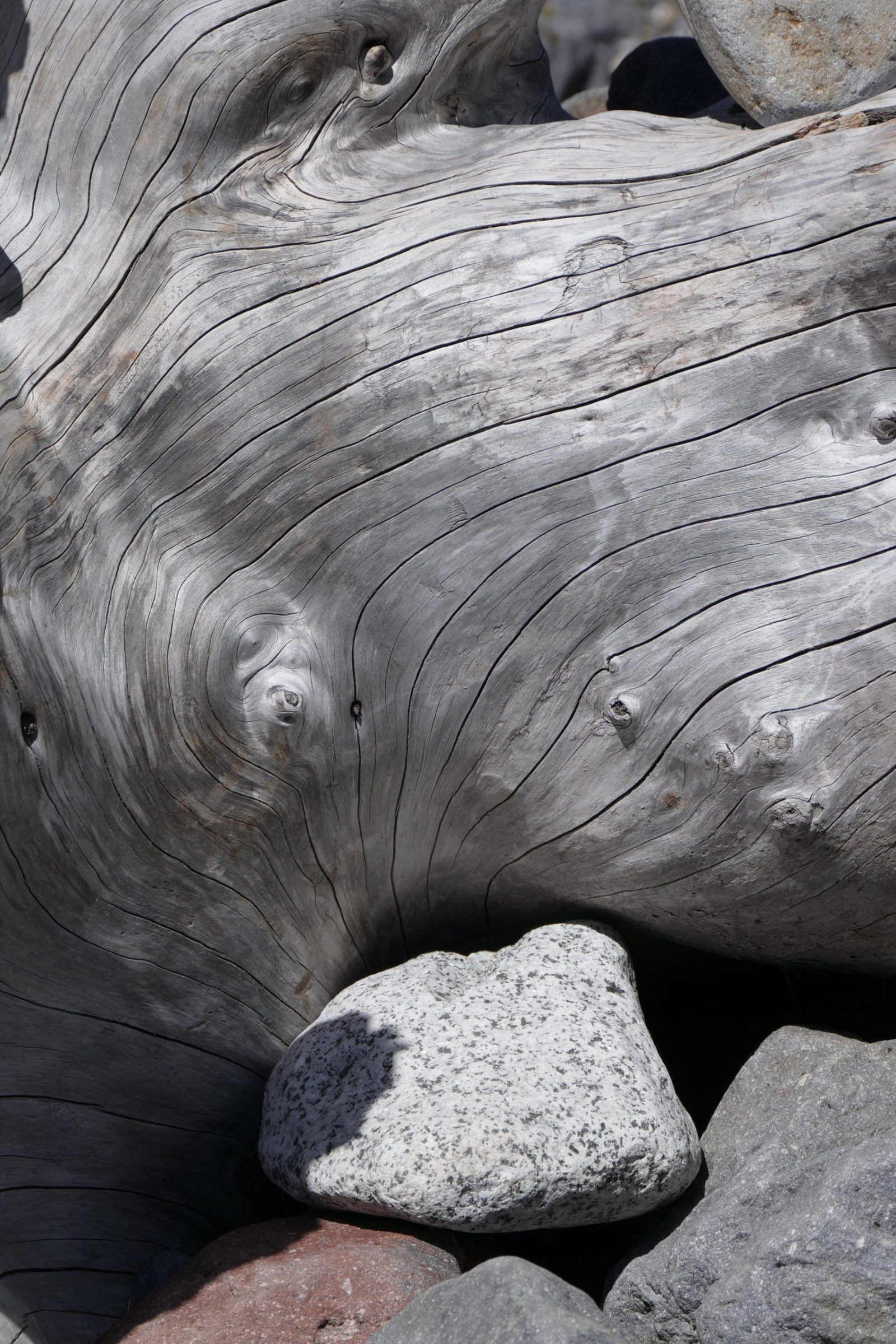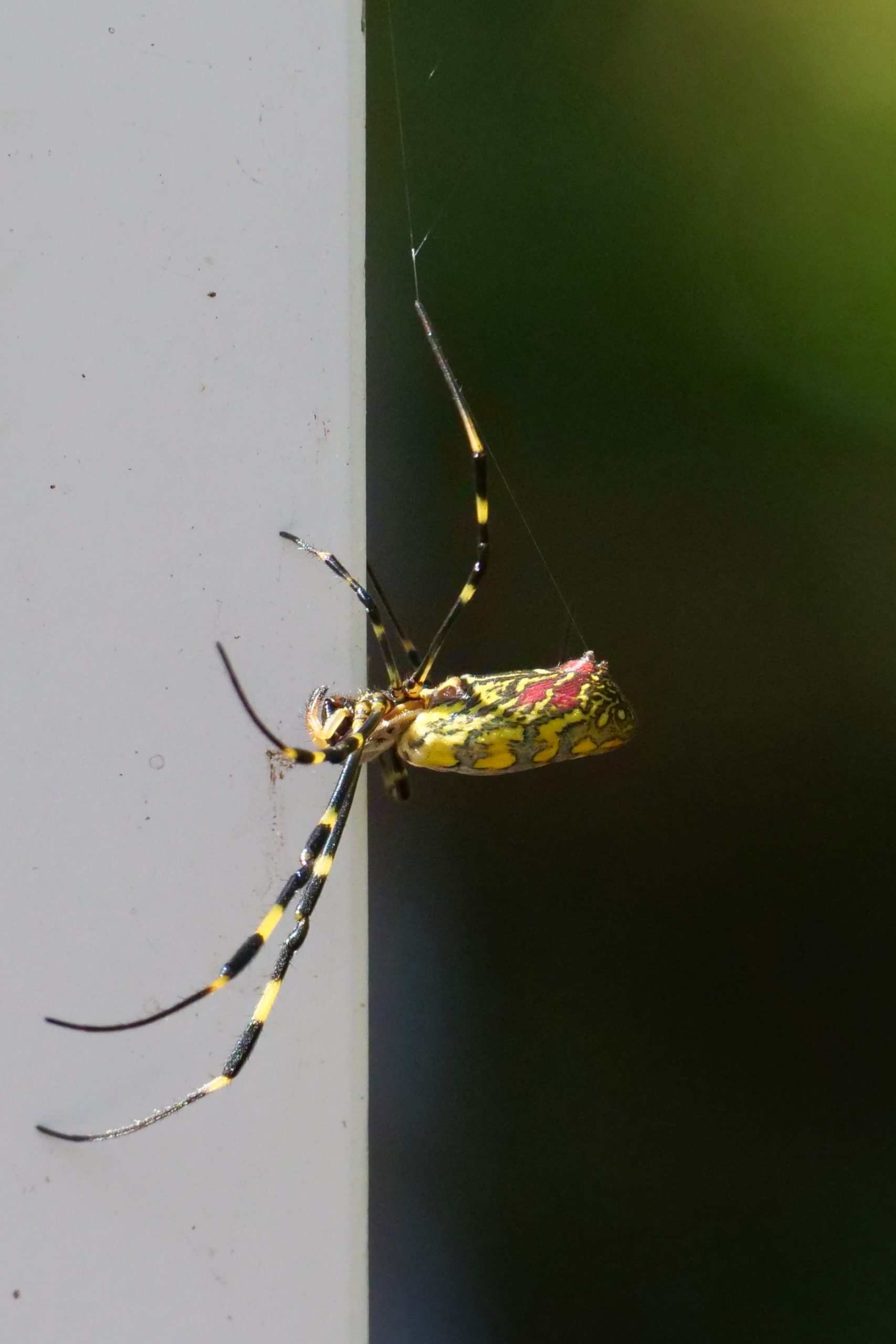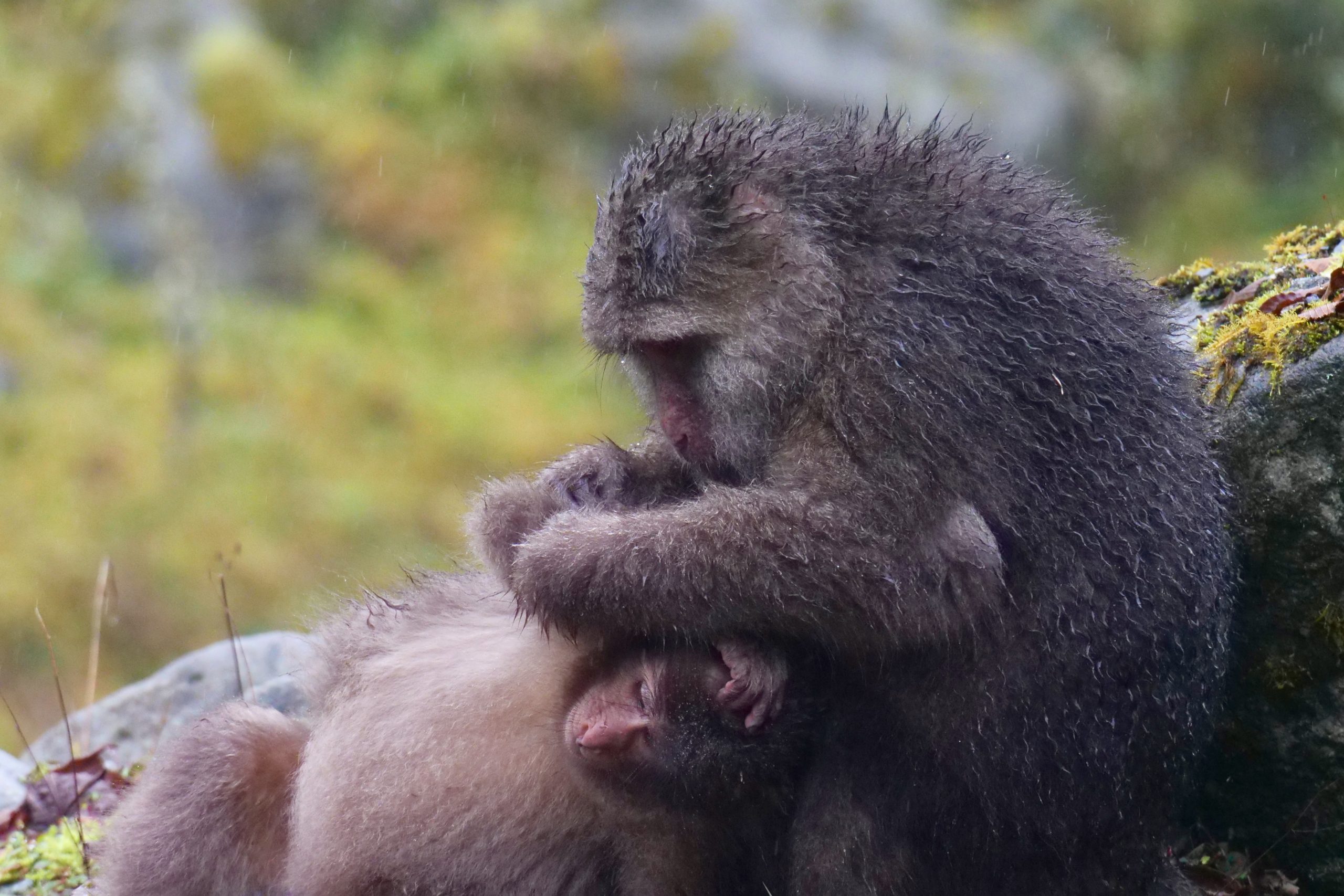
Their yearly trick of looking new
Comments closedNatural splendour, real musics, wines, wordpower
Their yearly trick of looking new
Comments closed
Widely regarded as the loveliest deer, the chital has a connection to the cheetah; it is not a predator-prey connection…in the present, at least.
Axis axis was also, in 1803, the very first deer species to be introduced to Australia.
The chital is one of the island continent’s longest-established feral animals.
One Comment
Favourite old saying/put-down:
People in Hell all want ice water
Comments closed
This post’s soulful, dark-eyed beauty is a domestic yak, Bos grunniens.
To the best of my knowledge, not one of Scotland’s emblematic domesticated bovines – its highland cattle – has reached the summit of Ben Nevis.
Comments closed
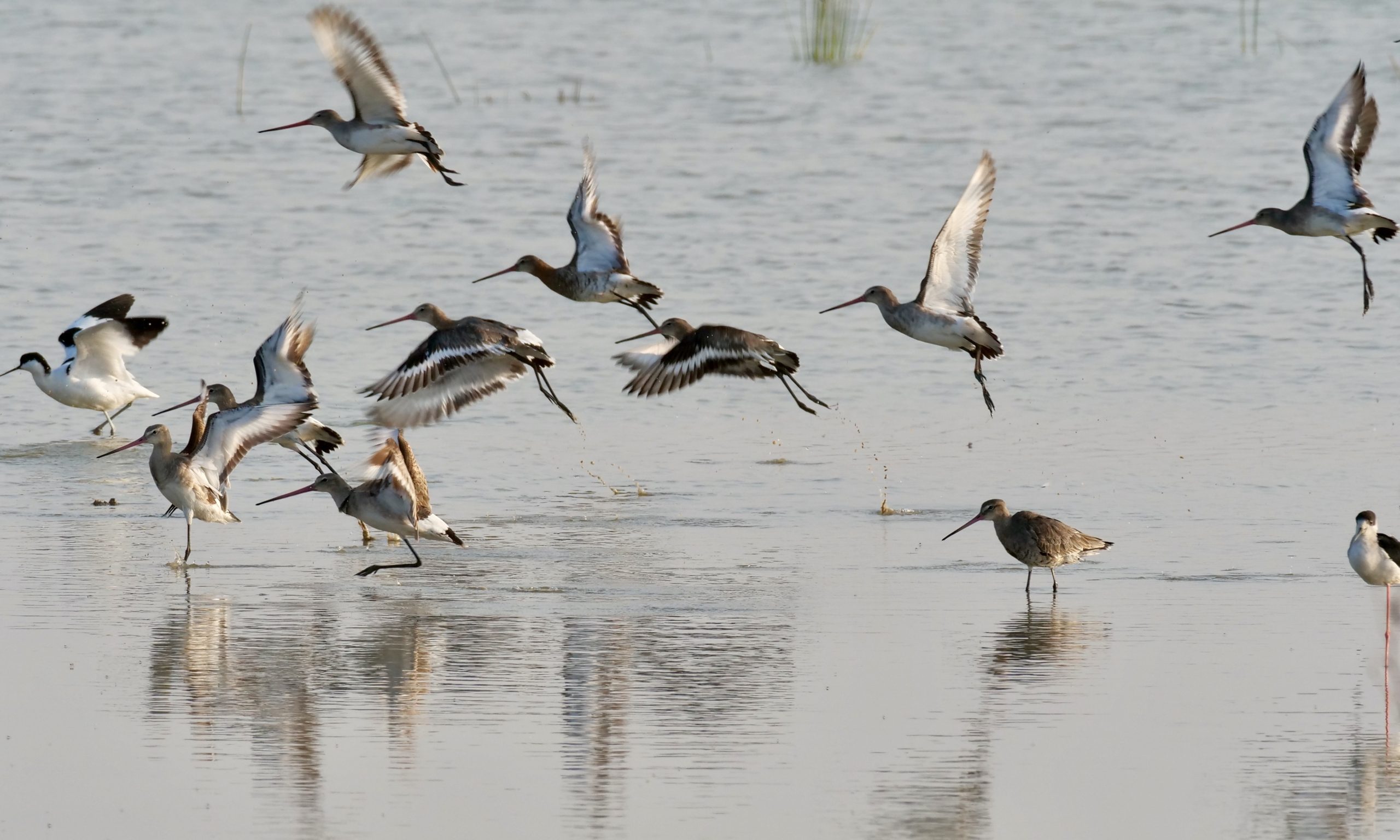
…in this instance, over an urban wetland in Gujarat, western India, a few minutes after sunrise on 16 February this year.
Comments closed
There are a little more than 400 known species of reptile on Madagascar.
More than 90% of them are endemic; the island sometimes described as “the eighth continent” is their only home.
Comments closedTo an Australian, peacocks are fabulously “exotic”, but this post’s peacocks were in their own land, where they are an “everyday” sight.
Indian peafowl live in most of the Indian subcontinent’s non-alpine regions.
So, many an Indian human pays them little attention.
To most non-Australians, a kangaroo is a fabulously exotic creature, but many Australians are not the least excited by ‘roos.
Comments closedPyramid-like peaks are one of the signature features of the mountain ranges that punctuate the Tibetan Plateau.
Comments closed…with suitably sublime music.
One Comment
This wild wheat is growing in a depression.
However, its “lowland” home is on the Tibetan Plateau, so this grain is nonetheless unusually high grown – over 3,000 metres above sea level.
Comments closed