Today’s song with words is a lovely celebration of daybreak on “the spine of England”.
Its image comes from “the roof of the world”, where even flat, “low” places are several thousand metres higher than England’s Pennine Hills.
Comments closedNatural splendour, real musics, wines, wordpower
Today’s song with words is a lovely celebration of daybreak on “the spine of England”.
Its image comes from “the roof of the world”, where even flat, “low” places are several thousand metres higher than England’s Pennine Hills.
Comments closed
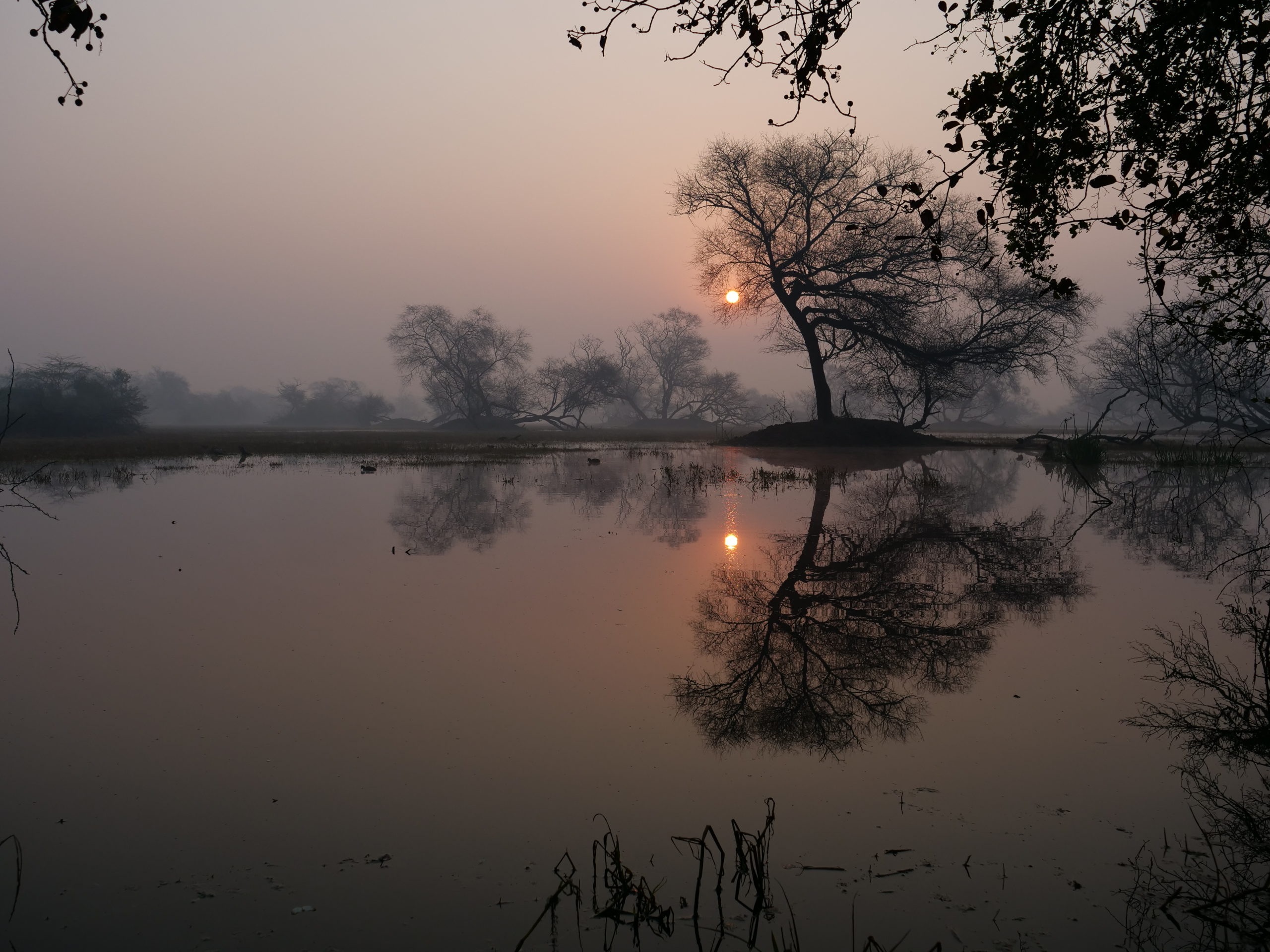
Today’s photo (copyright Doug Spencer) was taken at 7.41 am on 05 February 2020 in the Bharatpur Bird Sanctuary, Keoladeo National Park, Rajasthan.
Its musical companion is a sublime morning raga, performed by one of the Indian subcontinent’s most eloquent instrumentalists.
2 Comments
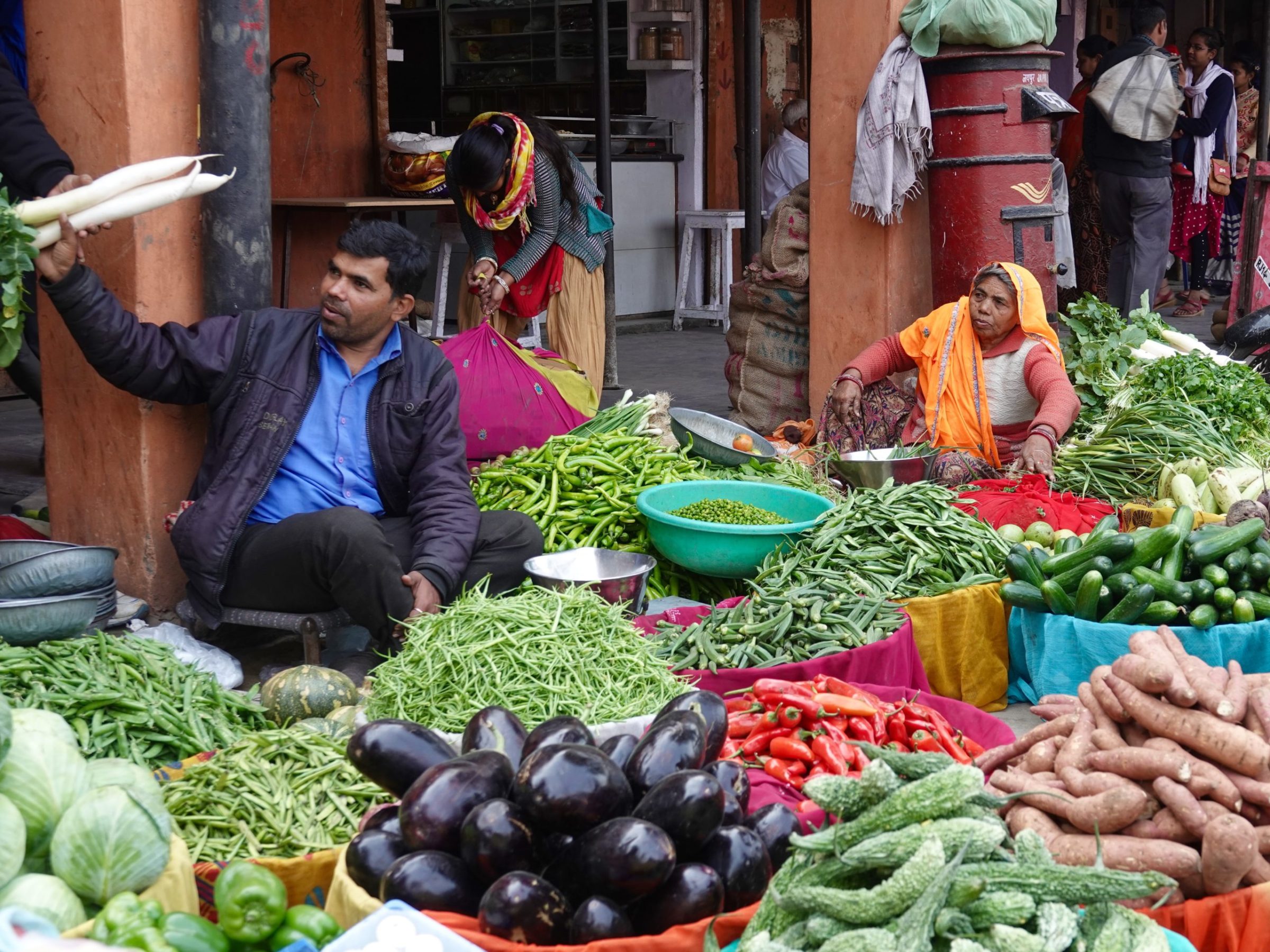
The featured image (copyright Doug Spencer) shows produce being sold on the footpath in the “old city” quarter of Jaipur, Rajasthan, on 07 February 2020.
This post has two very different songs.
Neither is new, but each is fresh.
Both vividly remember the calls of actual produce sellers, but the second song is really about something that money cannot buy.
Comments closed
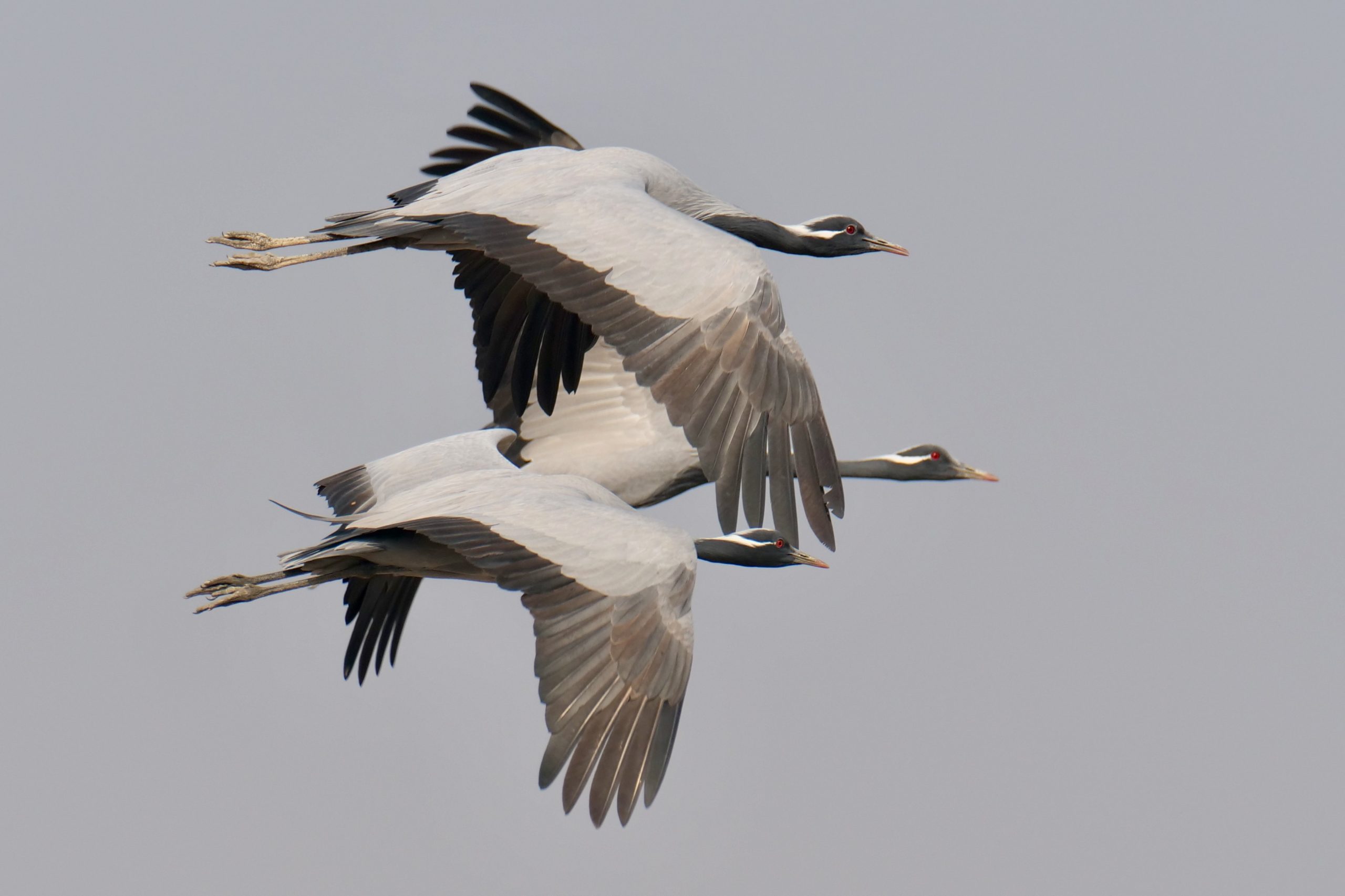
On this winter’s day in Rajasthan these demoiselle cranes had it easy.
The altitude was low, the weather mild, and they only had to fly for a few minutes – from a local dam to a nearby village, where food is provided expressly for them – then, back to the dam.
To reach this cranes’ paradise, however, they had to cross the world’s mightiest mountains…and as winter becomes spring they will have to fly over the Himalayas again.
Comments closed
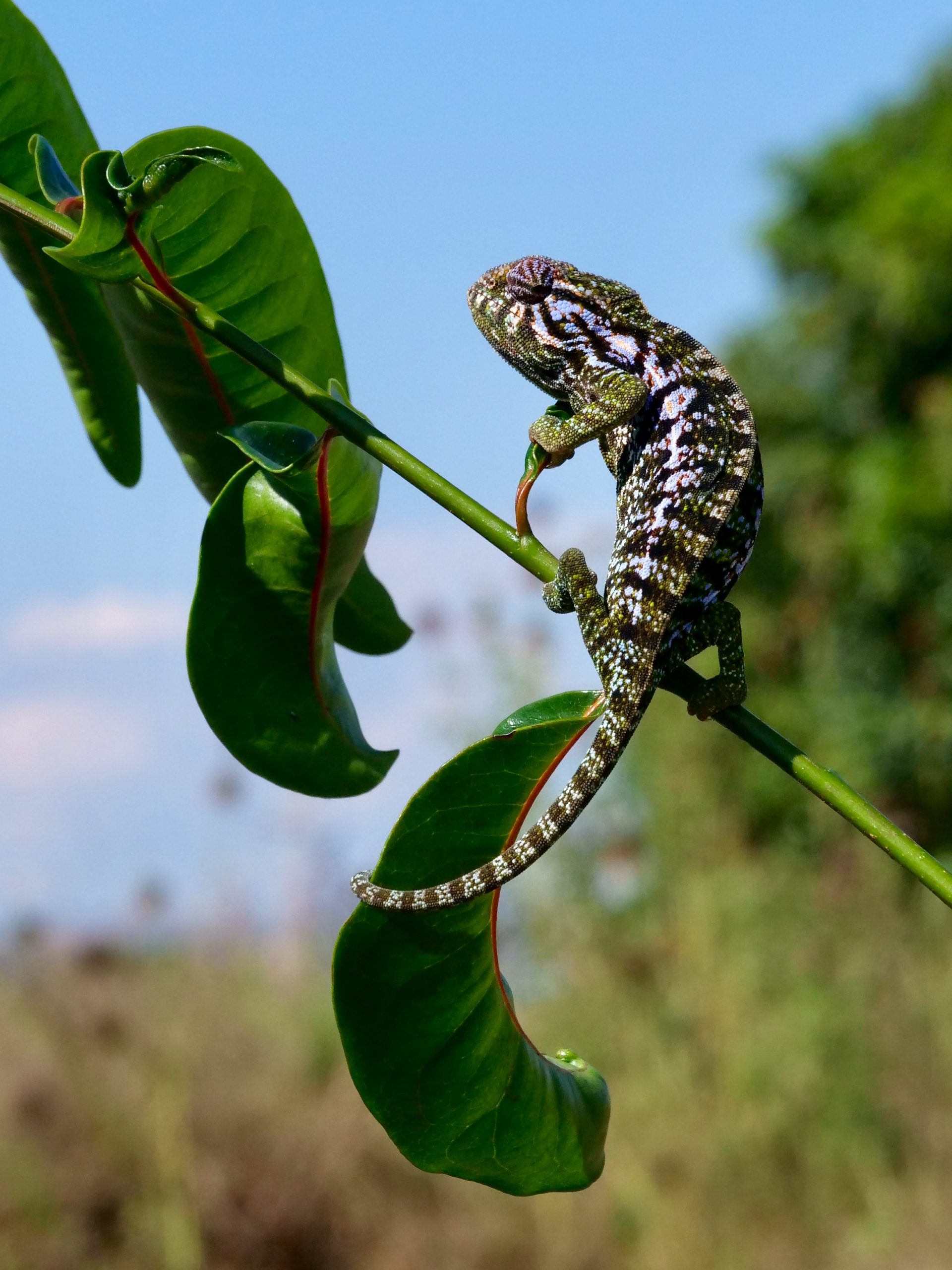
Around half of the 200+ known chameleon species live only in one country.
Madagascar is home to both the biggest and smallest chameleons.
Much of what most people believe about chameleons is pure fiction…or rather less than half-truth.
Comments closed
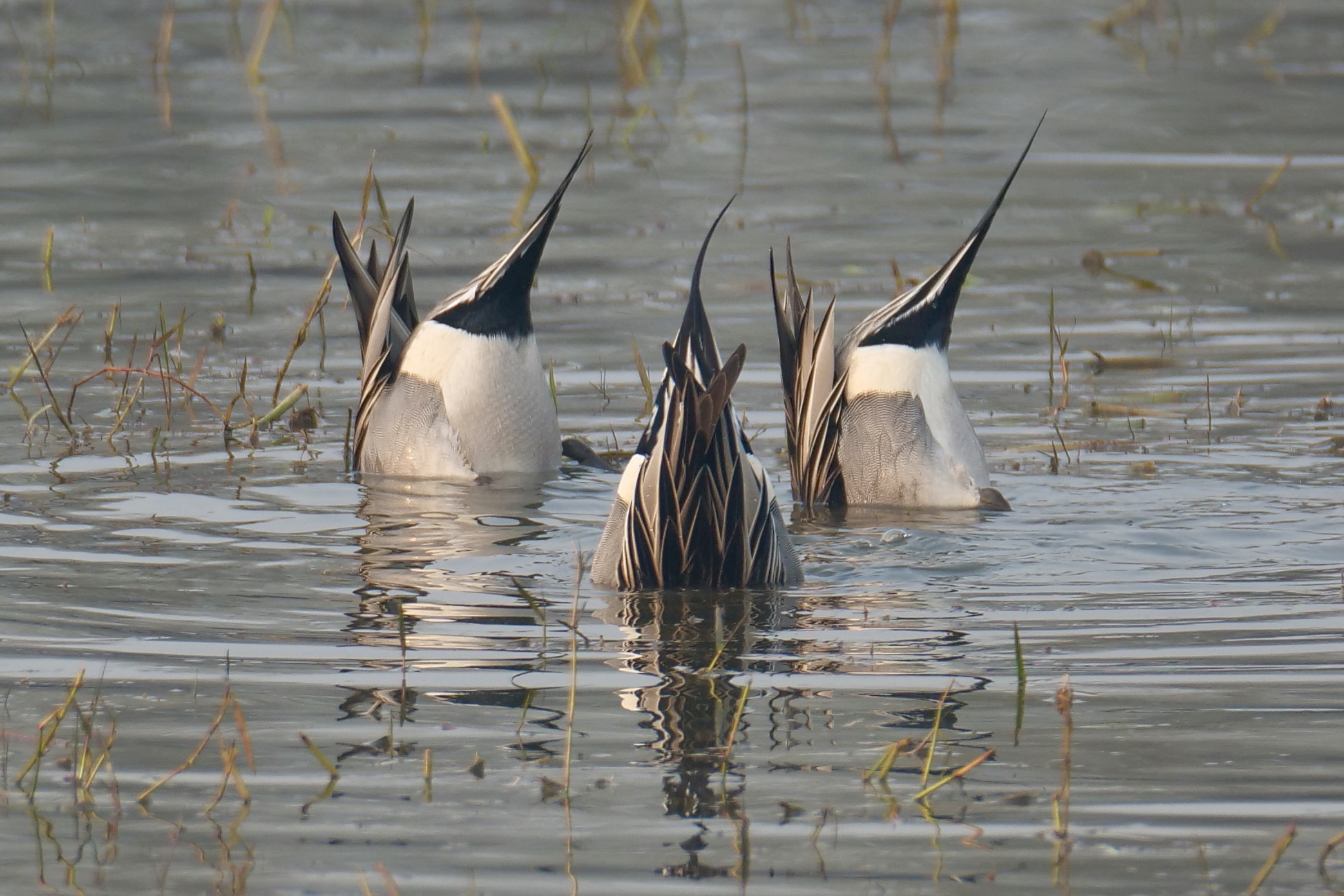
Long, prominent tail feathers are a key feature of Anas acuta, the northern pintail.
This handsome, migratory, large dabbling duck really gets around.
The pictured individuals were wintering in Rajasthan, before heading north to their breeding grounds in central or northern Asia, or Europe.
Comments closed
The pictured individuals are within their “proper” range, in Rajasthan.
(see #26 in this “a shining moment” series for details about the very special, particular location)
However, for more than a few years, feral members of their species lived in several suburbs of Perth, Western Australia.
At least three individuals did 160 kilometres “better”, reaching the Wheatbelt town of Pingelly!
Comments closed
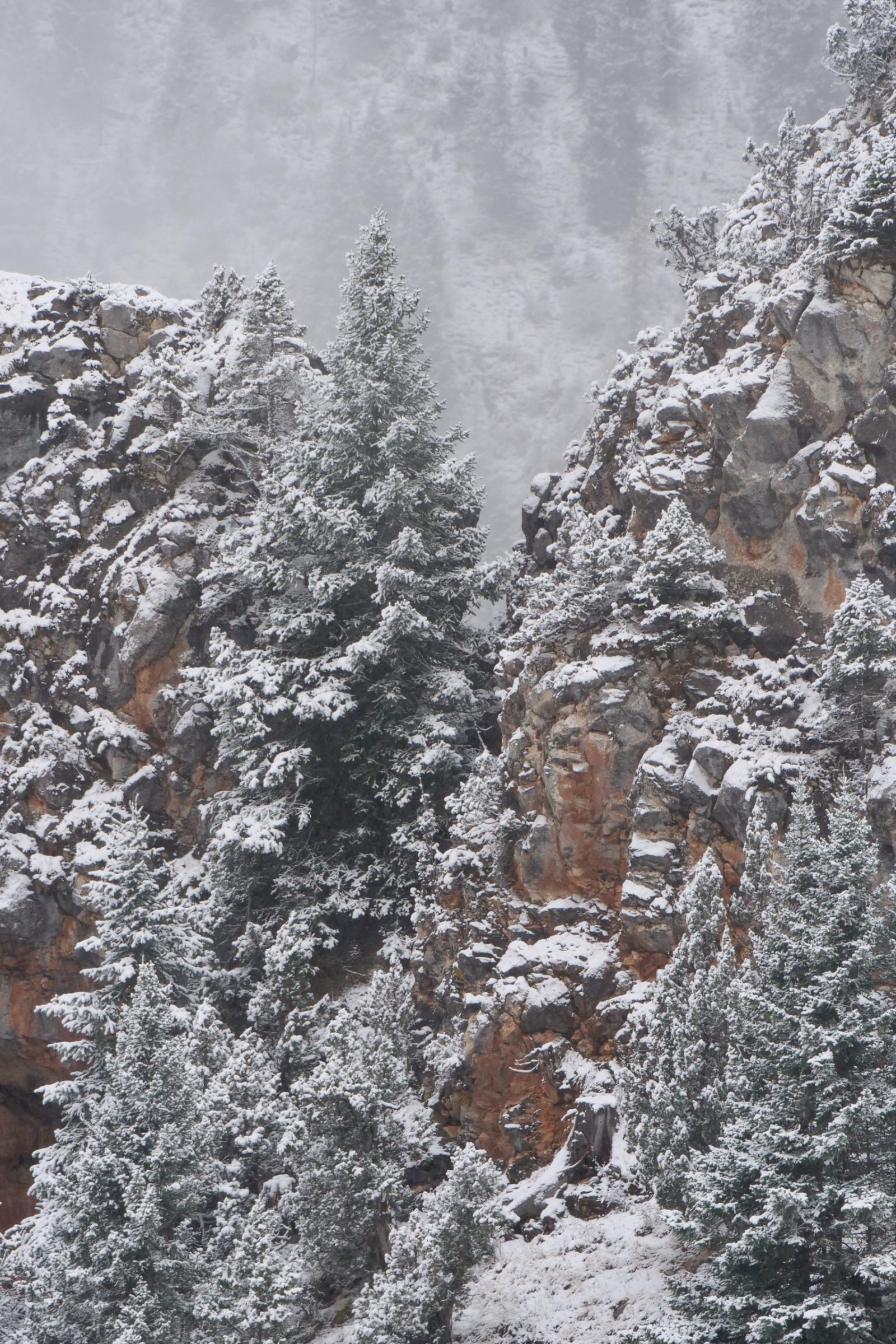
Alta Paz literally translates into English as “high peace”.
It is the name of a particularly beautiful piece by Argentinian guitarist Quique Sinesi.
Comments closed
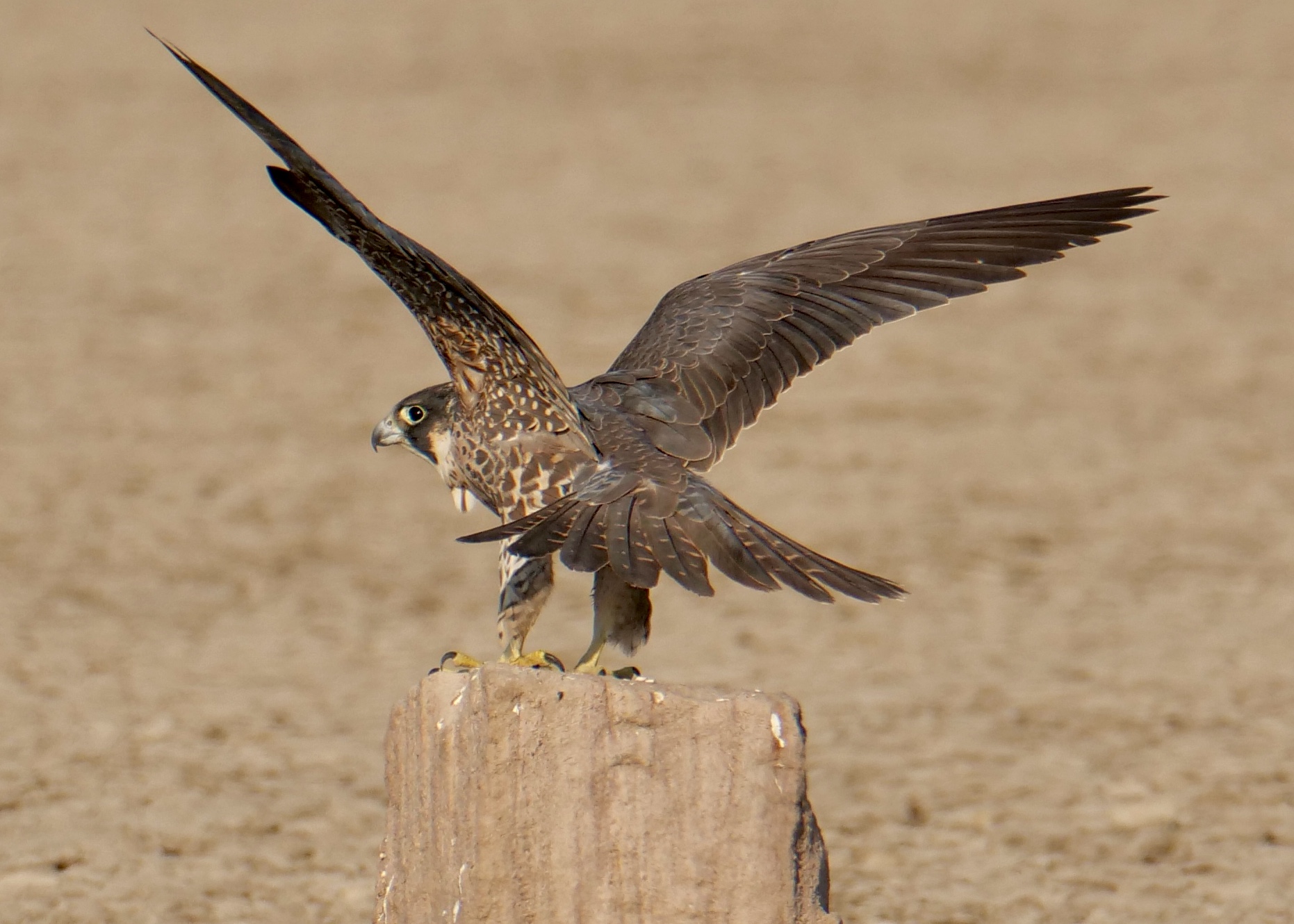
Yes, the peregrine really is the fastest animal on earth!
This post’s peregrine falcon is an immature individual.
That description is not a character judgement; the colour of its plumage makes clear that it is a young bird.
Comments closed
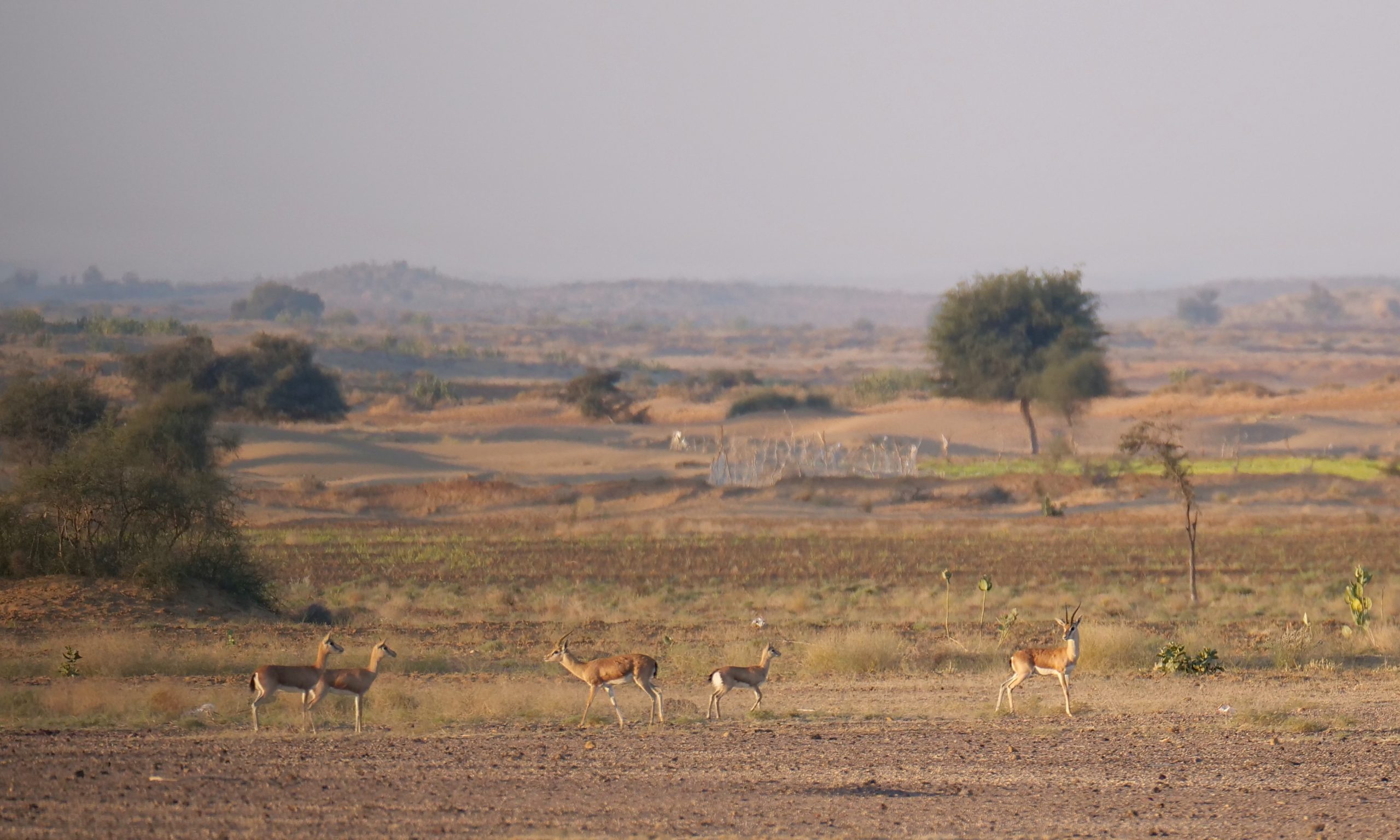
No other large desert is so densely populated by humans.
Its remarkably abundant and diverse wildlife also defies preconceived notions of deserts as “empty” or “barren” places.
Most of the Thar Desert is in northwest India; the other 15% is in Pakistan.
The greater portion is in Rajasthan.
One Comment