Skip to content →

Category: Western Australia

Grand sands (#39 in series: “looking down” on prostrate plants [1 of 2])


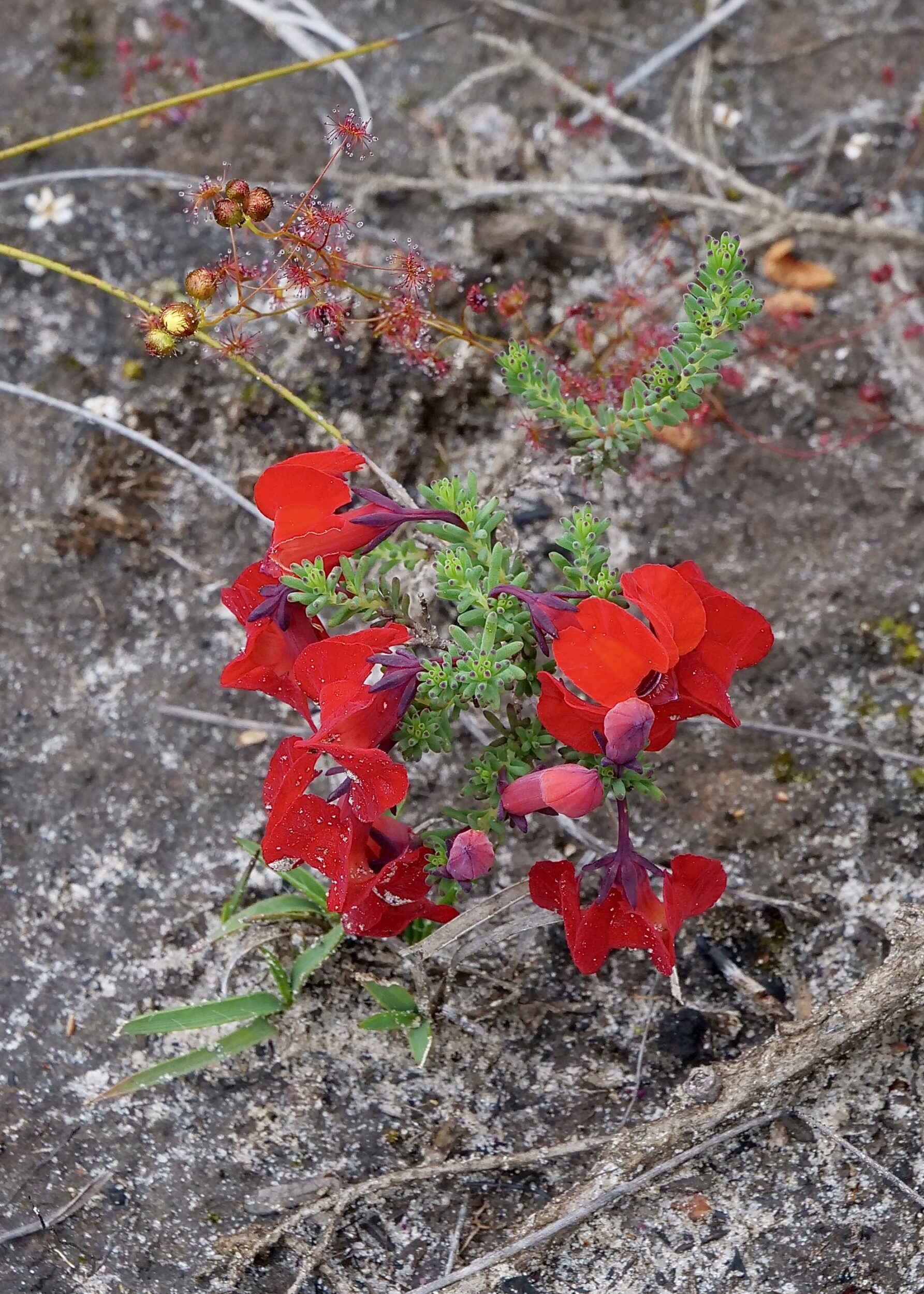
This chapter’s hero is another of the enormous number of WA-endemic flowering plants that thrive in Cape Arid National Park.

Most “wildflowers” position their actual flowers well clear of the ground.

In Australia’s southwestern corner, however, some of the region’s plants are “prostrate” – their flowers may sit on the sand, literally.

If you look carefully at the featured image you will notice that the nearer, otherwise-strikingly-red flowers are sand-flecked.

Comments closed
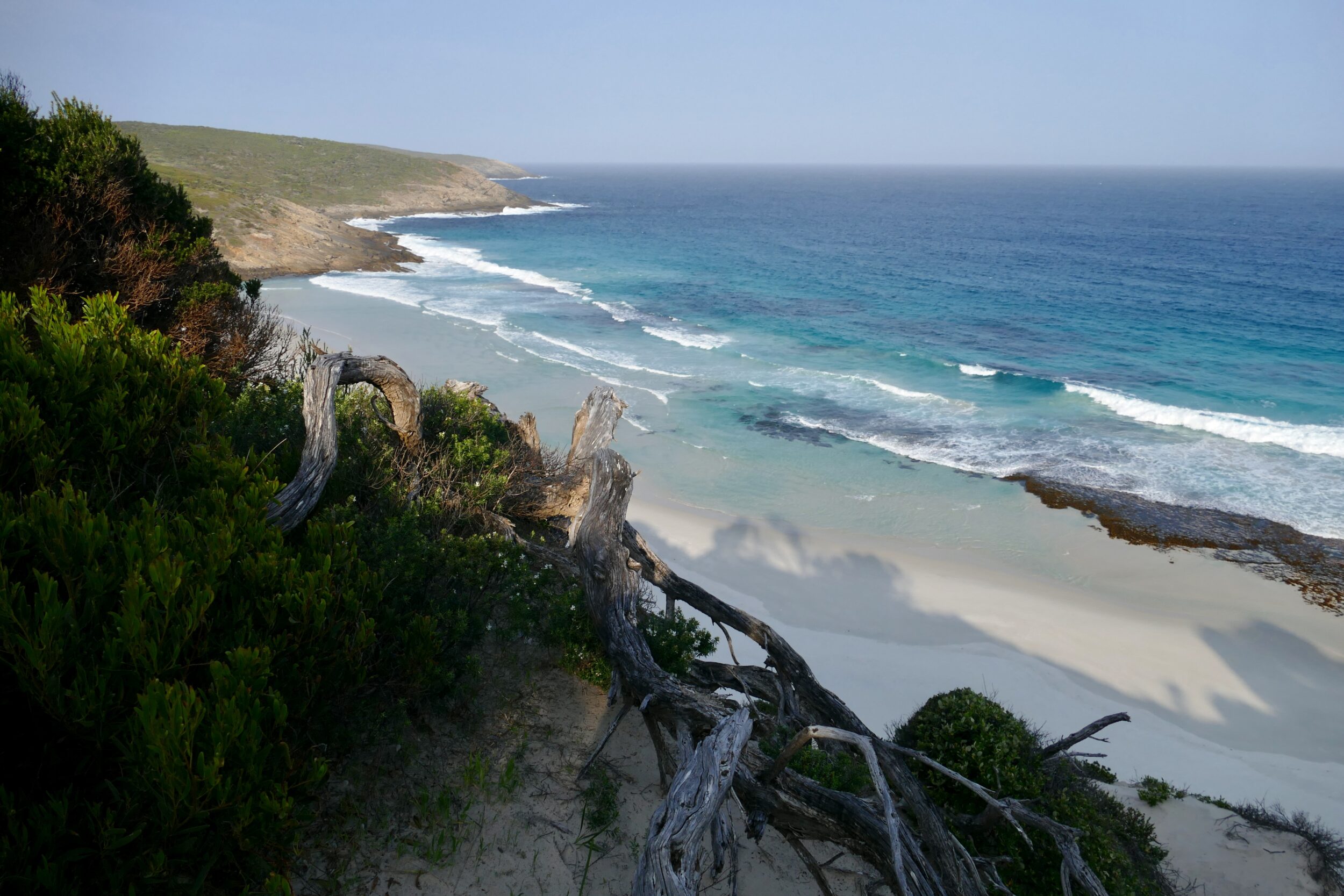
Grand sands (#38 in series: “looking down” from/at Belinup Hill, Cape Arid N.P.)

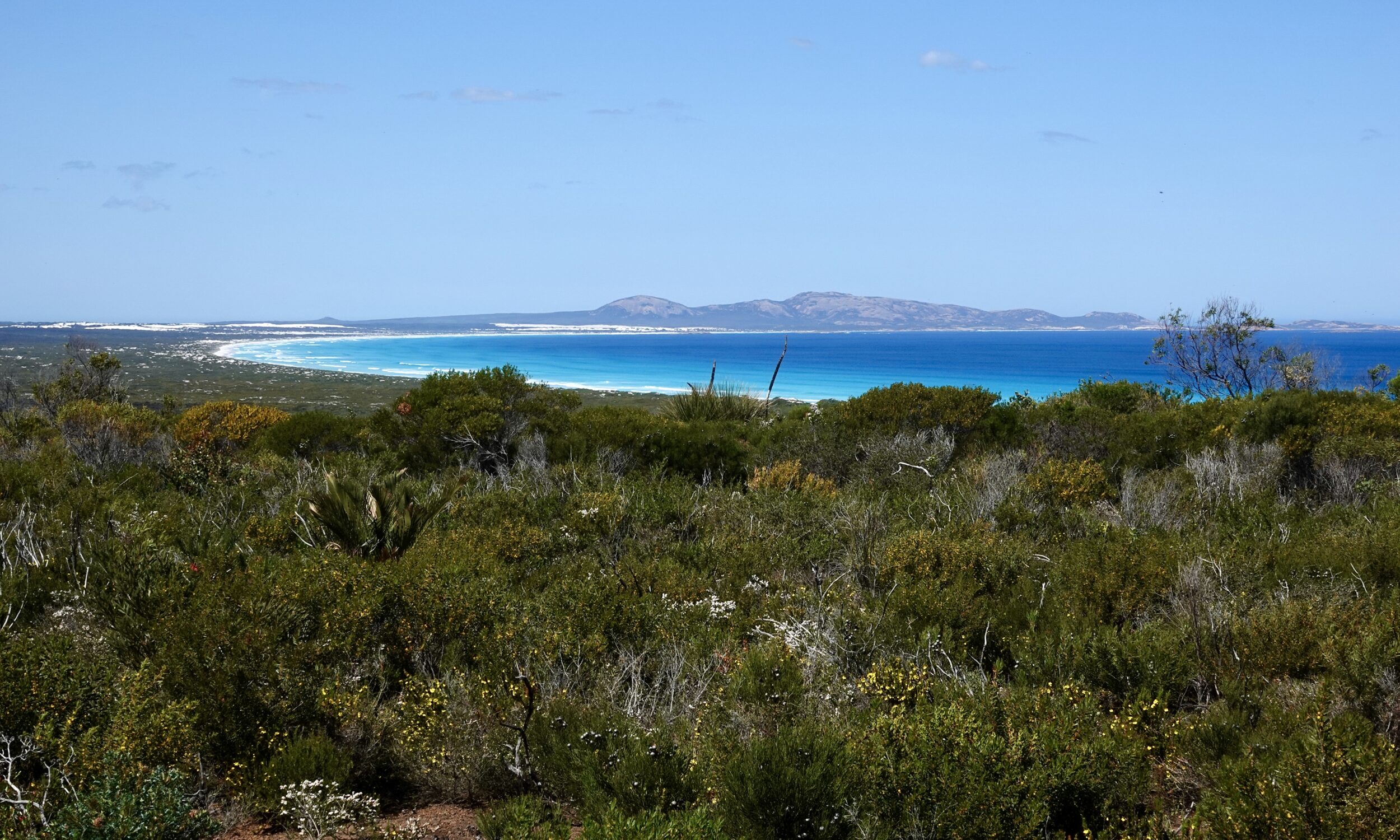
Yes, the beach really is that white, and the ocean shallows’ shades of blue are also “true”.

(the various blues’ intensity is in large part thanks to the sand’s whiteness, acting in concert with the sun, high in a clear sky)

The featured image looks down (and east, over Yokinup Bay, to Mt Arid) from Belinup Hill in Cape Arid National Park; visible, “naked” sand occupies a small portion of the photo, but millions of tons of “hidden” sand are invisibly-present through most of its field of view.

Southern WA has some of the world’s poorest soils, but what grows in and “hides” those very sands is (arguably) “our” planet’s greatest natural wildflower “show”.

Comments closed

Australia Day in Mandurah (2 of 2: sans flags, mostly)


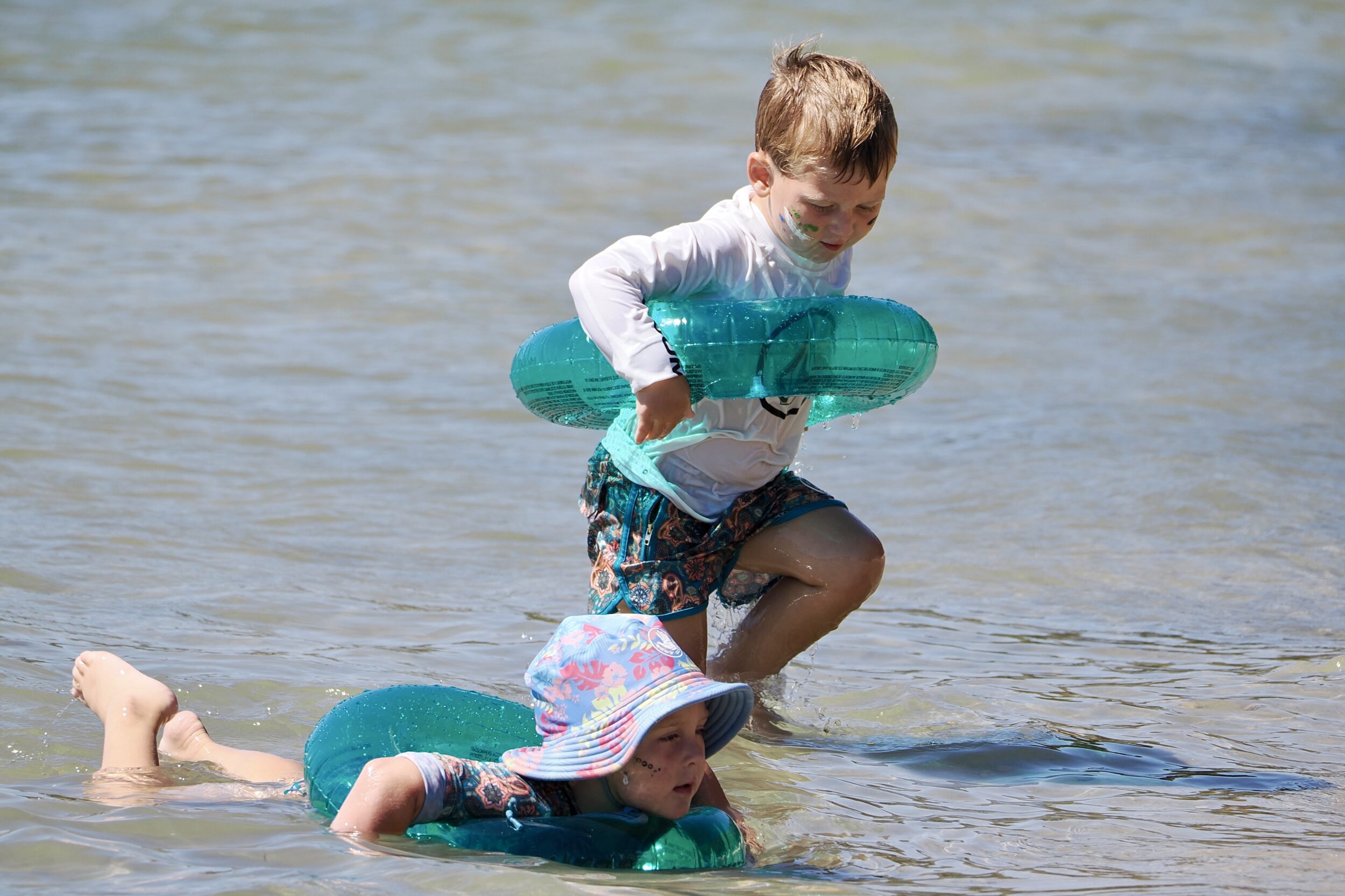
This post’s featured image shows two young Australians, having a lovely time on Australia Day.

It is reasonable to assume that they had zero awareness of – let alone ardent opinions about – the “rights” and “wrongs” of national flags, what we “should” or “should not” celebrate on Australia Day, and “appropriate” v “inappropriate” dates.

Comments closed

Australia Day in Mandurah (1 of 2: flag-flying)


For most of the 20th century, the buying, flying and waving of flags was not really a mainstream Australian “thing”.

Big crowds flocked to see and greet “Liz & Phil”, but most hands were empty,  or waving streamers rather than national flags.

In photos, flag-wavers “stood out” precisely because they were the exception…and because flag-wavers liked to be at the front of the pack.

(click here for a raft of illustrative images)

In 2025-vintage Australia, “the royals” no longer loom large in our collective consciousness, but Australian flags  – albeit, UK-accented ones, still – have never been “bigger”.

All photos were taken yesterday, as brightly-flat Australia Day sunshine illuminated a veritable “orgy” of flag-flying.

One Comment

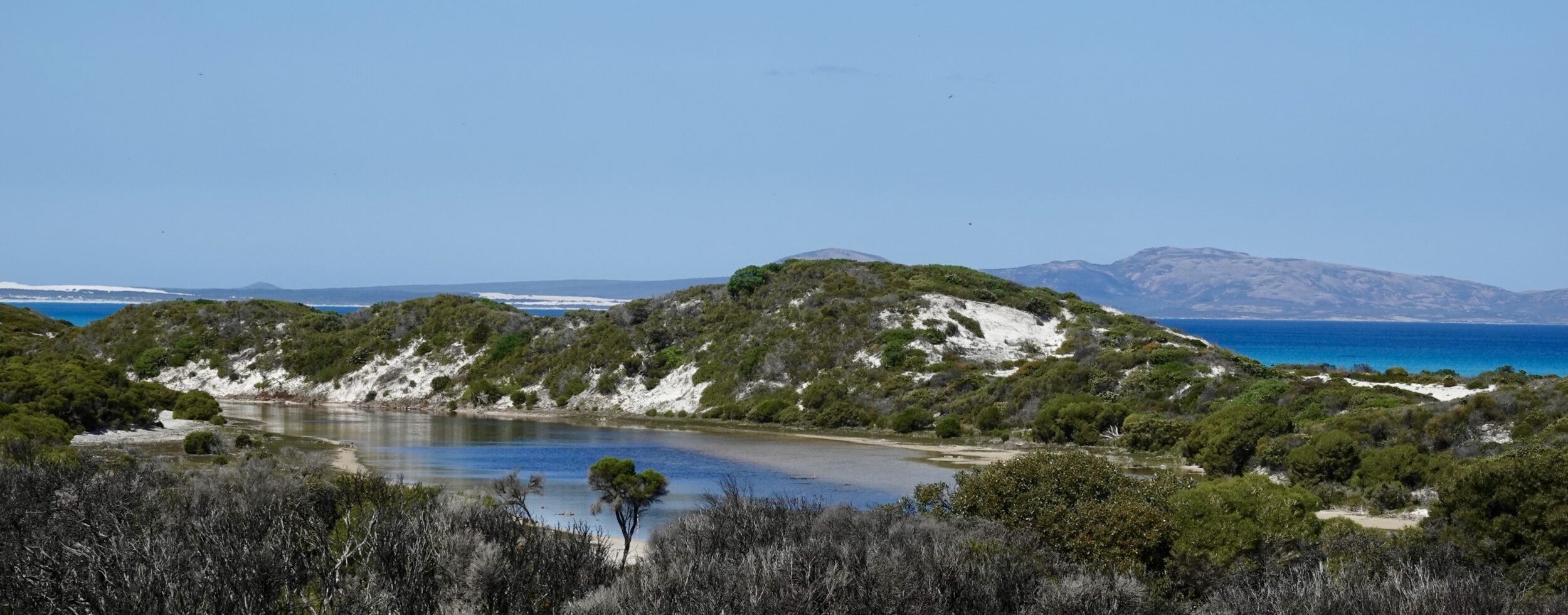
Grand sands (#37 in series: “looking down” on Thomas River, Cape Arid N.P.)


The featured image illustrates what just a little elevation can do to one’s view…if one is in a magnificently wild location, the sun is high in a perfect Spring sky, and sand, sky, rock, vegetation and water are basking in clear, clean air.

Comments closed

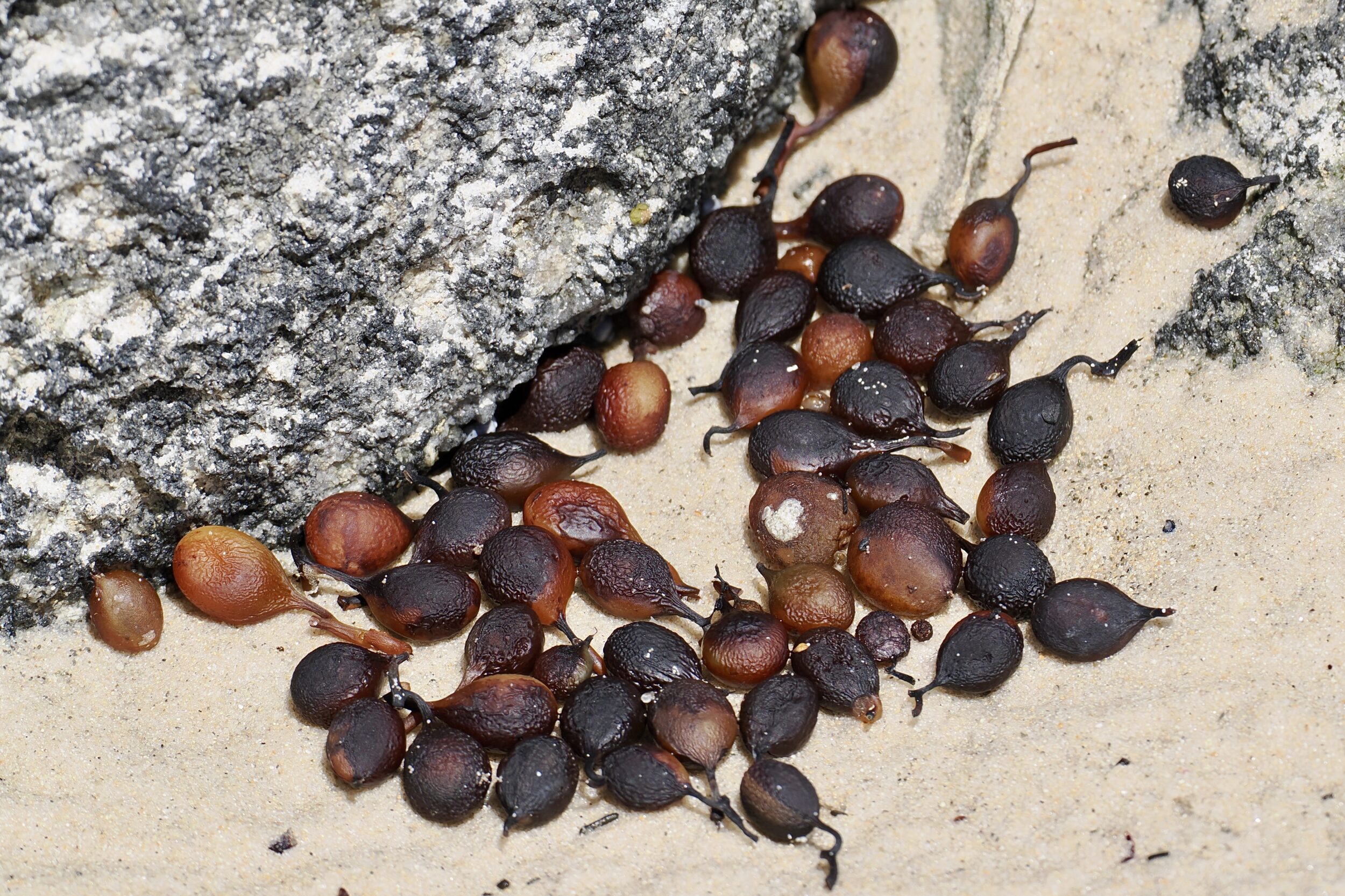
Grand sands (#36 in series: “looking down” at pneumatocysts on Mandalay Beach)

Mandalay Beach is near Walpole, in Western Australia’s “Deep South”.

I have seen many wild ocean beaches – on every continent, bar Antarctica.

Mandalay Beach – named after a ship that was wrecked there in 1911 – is one of my all time favourites.

It is really wild (do not swim there) but easy to reach; any able-bodied, sensible driver of a 2WD vehicle will easily “manage” both the track that leads off the South Coast Highway and the short walk from car park to beach.

In every direction, the vistas are splendid.

However,  you should never forget, also, to keeping look down to the sand at your feet. (ditto the rocks, any clefts therein, and the rock pools)

Comments closed

Grand sands (#35 in series: “looking down” on Banky Beach)


Banky Beach is just one of the many beautiful beaches and coves in and around Bremer Bay, on Western Australia’s south coast.

By road, Bremer Bay is 180 kilometres closer to the preceding post’s location – Aldinga Beach –  than is Albany.

From Bremer Bay, the drive to Adelaide is a mere 2,530 kilometres!

Aldinga is 45 kilometres south of Adelaide.

Western Australia has (by far) the longest mainland coastline of any Australian state or territory.

Comments closed

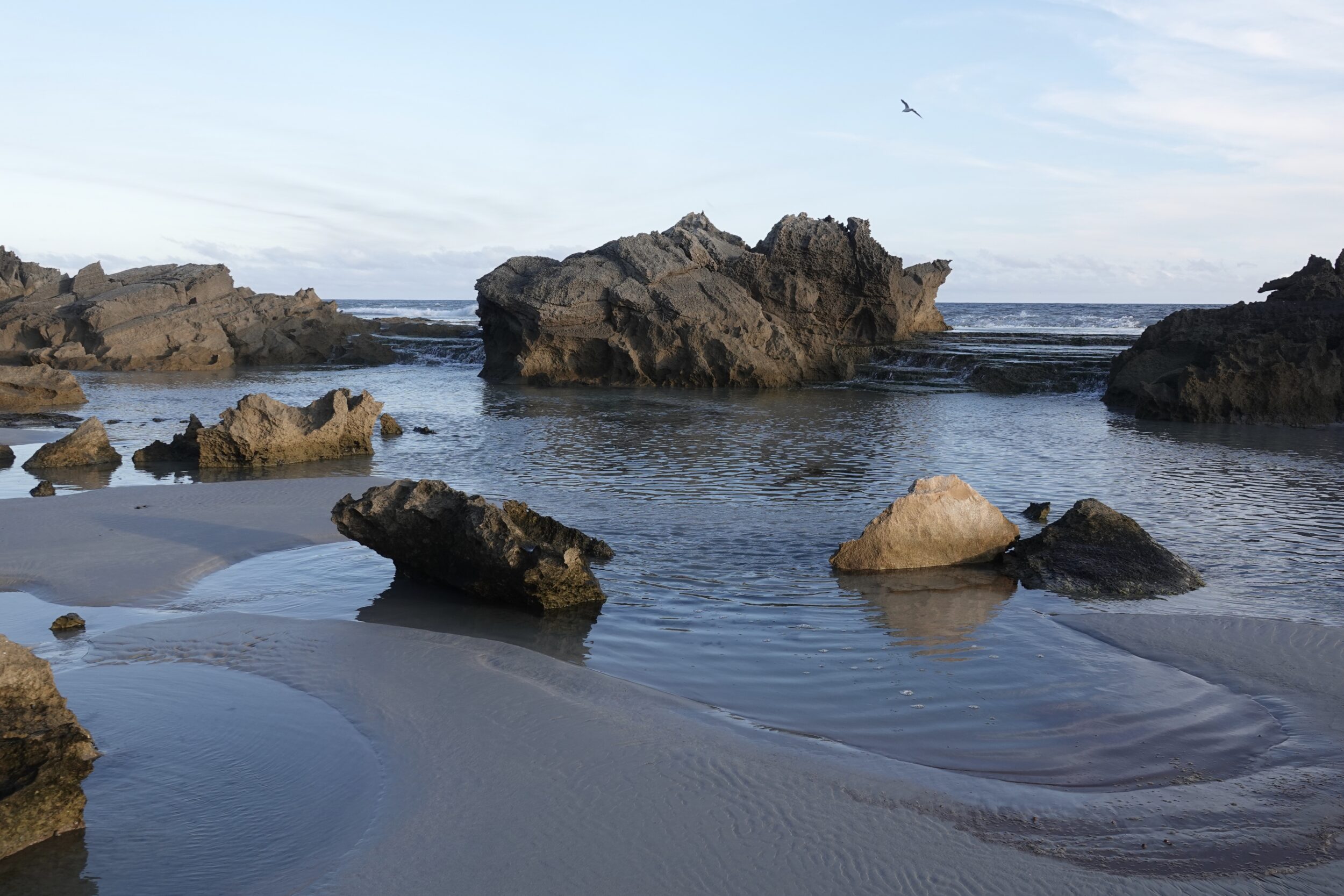
Grand sands (#19 in series: just east of Anvil Beach)


Anvil Beach sits at the end of the Nullaki Peninsula, just east of where Irwin Inlet (sometimes) meets Southern Ocean.

It is one of the more “choice” of many wild and wonderful beaches on Western Australia’s south coast.

The proverbial crow – flying in from Denmark, not many kilometres distant, to the northwest – could reach Anvil Beach in just a few minutes.

Comments closed

Grand sands (#17 in series: fresh, clean, but “stained”)


After taking in the panoramic view across Thistle Cove – as featured in this series’ previous chapter – we walked down to the beach.

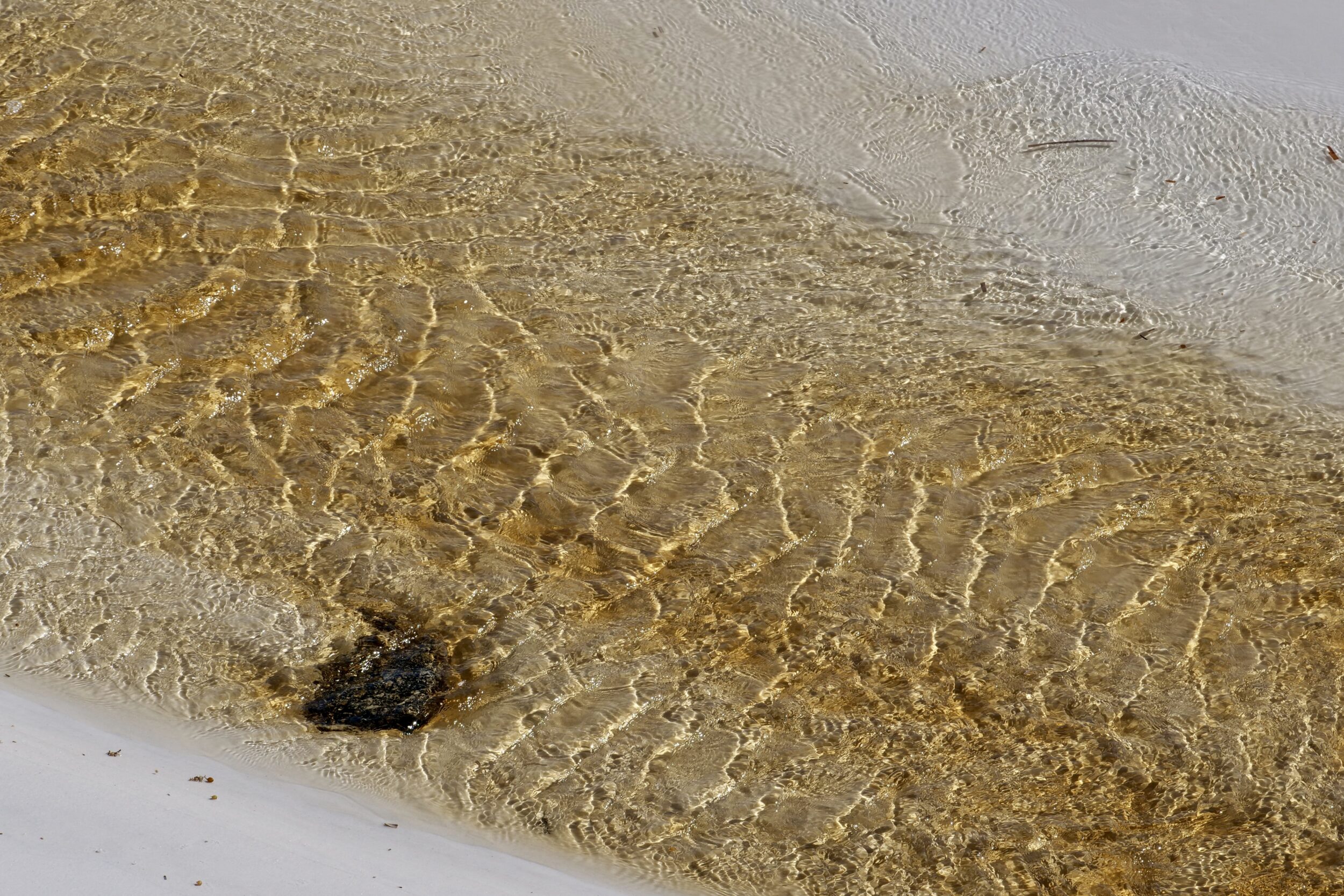
This post’s photos offer a closer view of the “stained” water and sand that were visible in the bottom right side of #16’s photo.

You are looking at a freshwater spring’s waters flowing onto the beach at Thistle Cove.

Comments closed