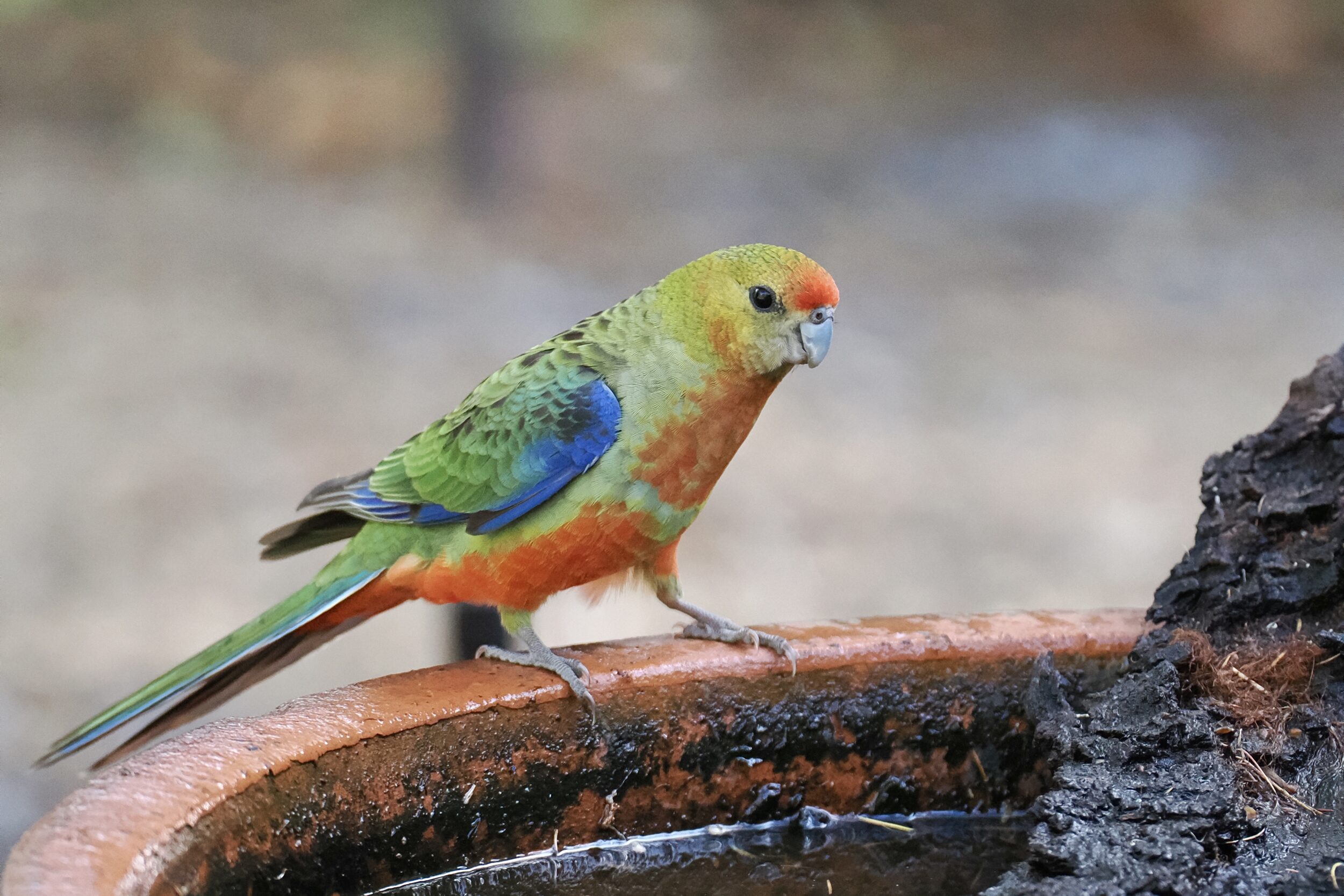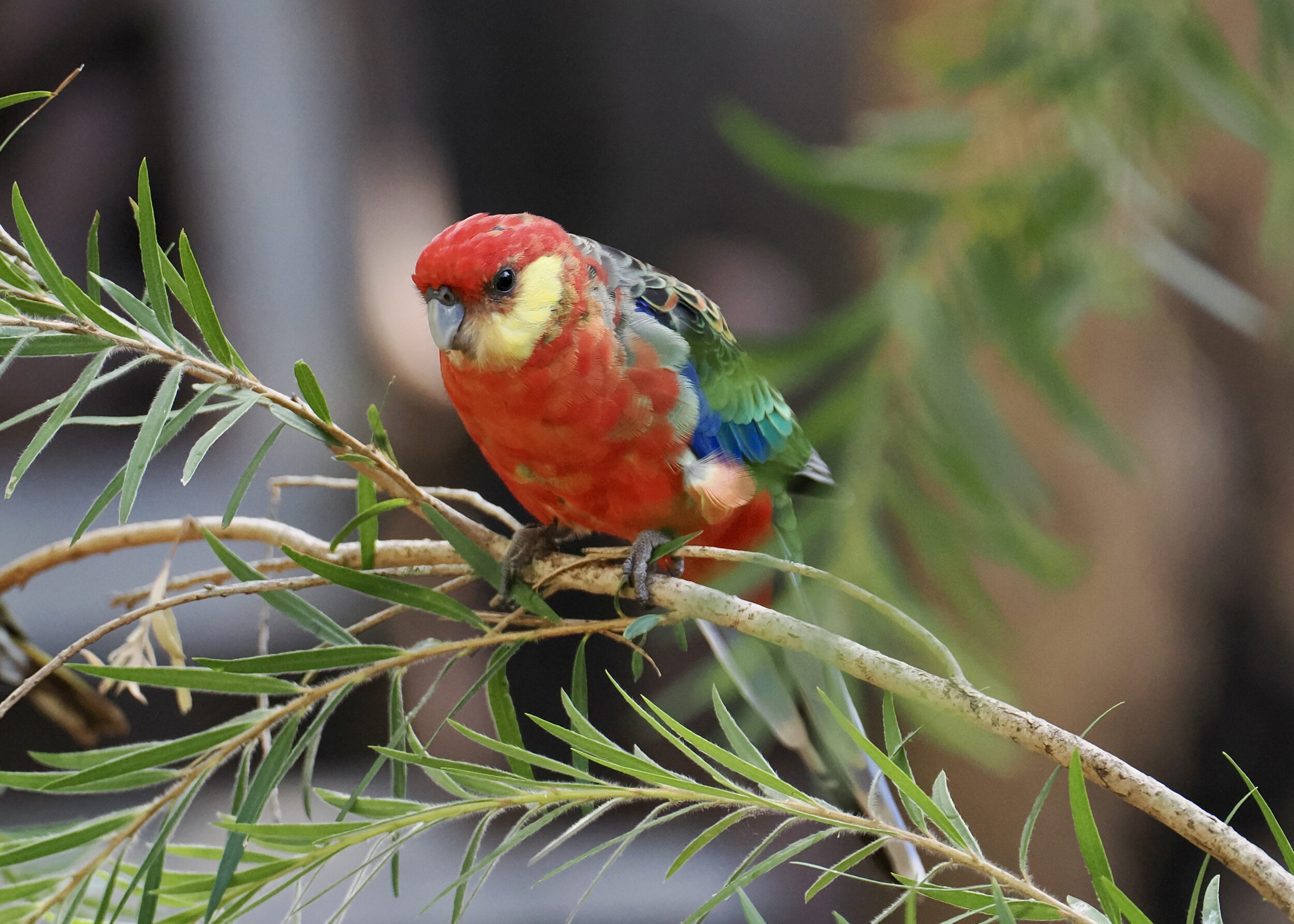
Both photos feature the same individual.
They were taken within two minutes of each other.
Q: are rosellas cockatoos?
A: no.
Comments closedNatural splendour, real musics, wines, wordpower
Both photos feature the same individual.
They were taken within two minutes of each other.
Q: are rosellas cockatoos?
A: no.
Comments closed
The western rosella is the smallest of Australia’s six rosella species
It is also the most sexually dimorphic; it is not at all difficult to discern an adult western rosella’s gender – a marked contrast to other rosellas.
The male of the species is the more exuberantly-colourful, but the female’s more subtly-variegated plumage is at least as lovely.
Comments closed
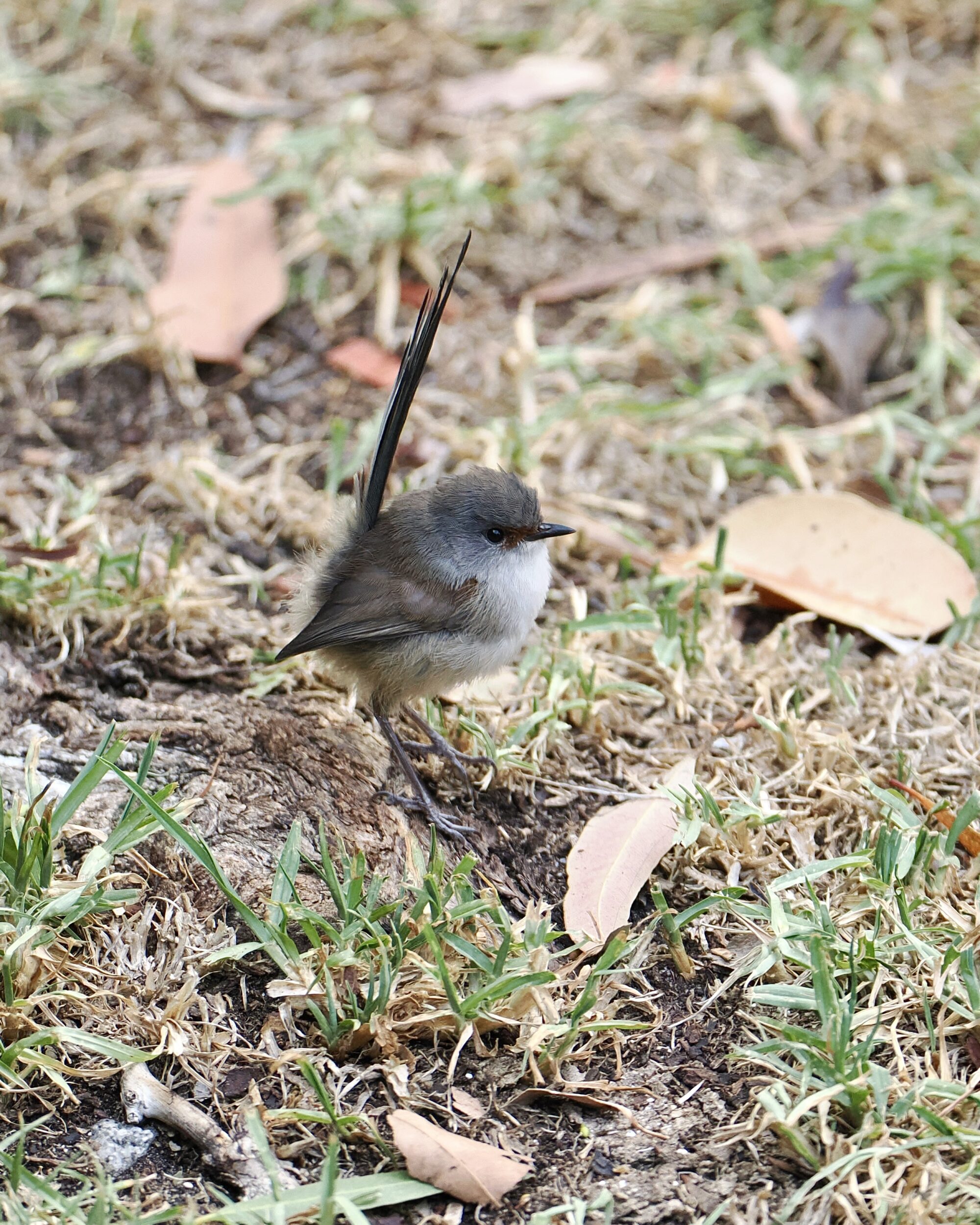
This series has twice featured an image of a male red-winged fairywren, in “flaunting” mode.
Females are more “drab”, but are very attractive – and perky – in their own right.
Comments closed
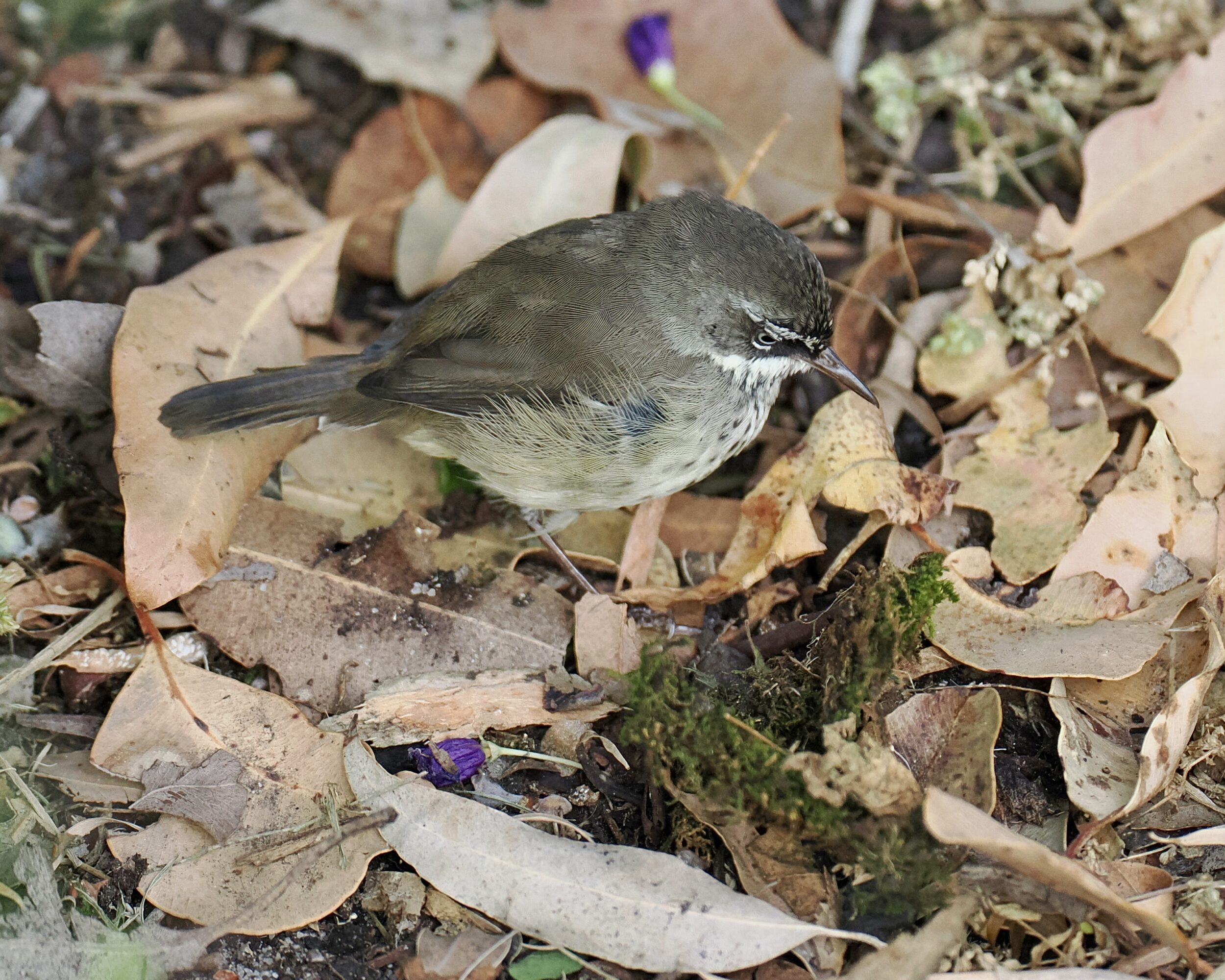
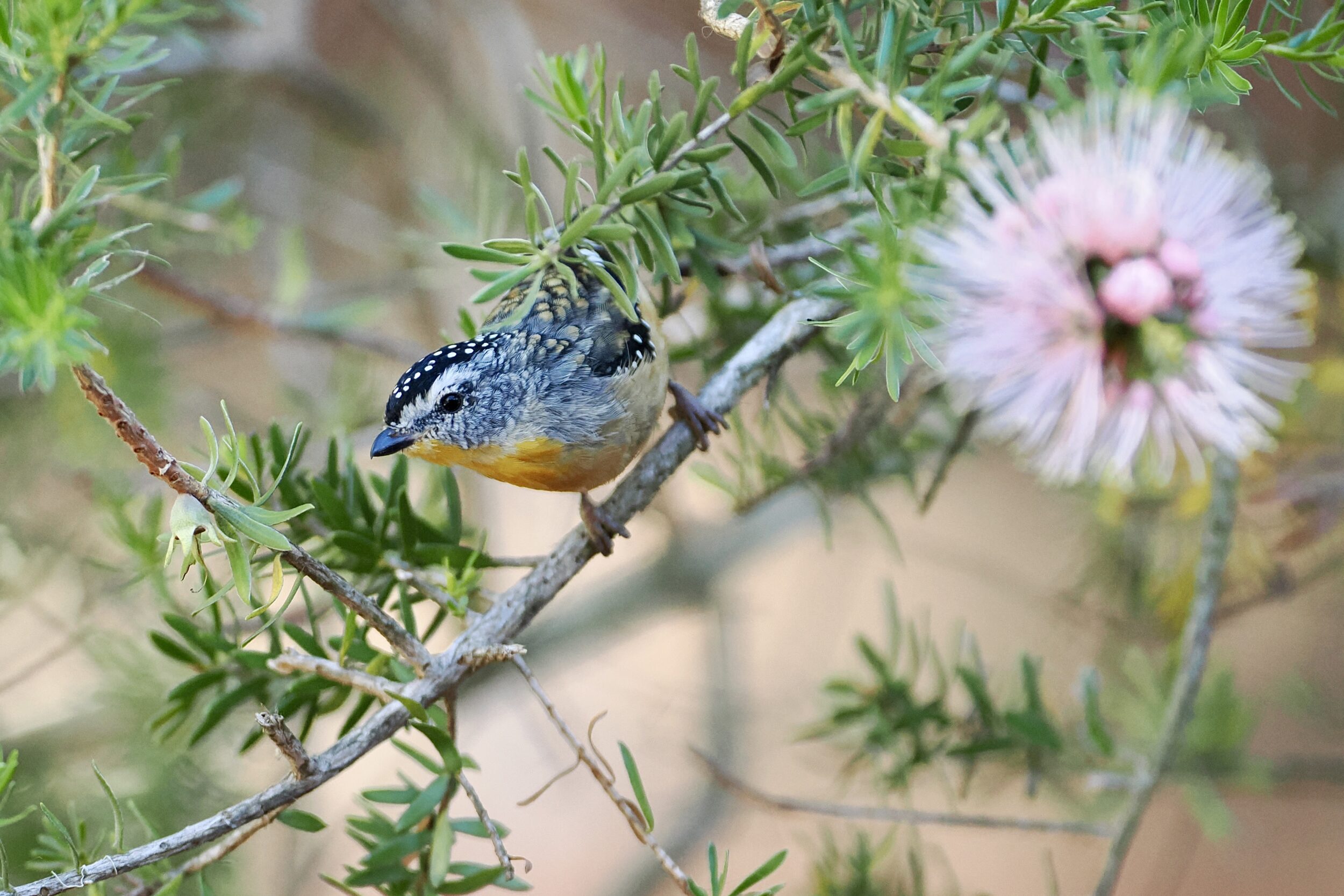
I am almost certain that the pictured bird is a spotted scrubwren, Sericornus maculatus – the southwestern Australian version of southeastern Australia’s white-browed scrubwren.
The “spotted” and the “white-browed” were formerly regarded as two subspecies.
Since 2019, the prevailing classification regards them as two distinct species…albeit ones that are known to interbreed where their ranges overlap, around Adelaide.
The spotted scrubwren lives in densely vegetated places along the coastal “fringe”, from Adelaide, through to Shark Bay.
Currently, four subspecies are generally recognised.
Glimpsed fleetingly, spotted scrubwrens appear to be “drab”, but a closer view reveals that their plumage is in fact finely detailed.
Comments closed
Whilst enjoying coffee on the Surf Gallery’s verandah we also enjoyed a close encounter with the pictured individual.
Click this for more info on this splendid species, which is endemic to near-coastal, well-vegetated places in southwest WA.
Comments closed
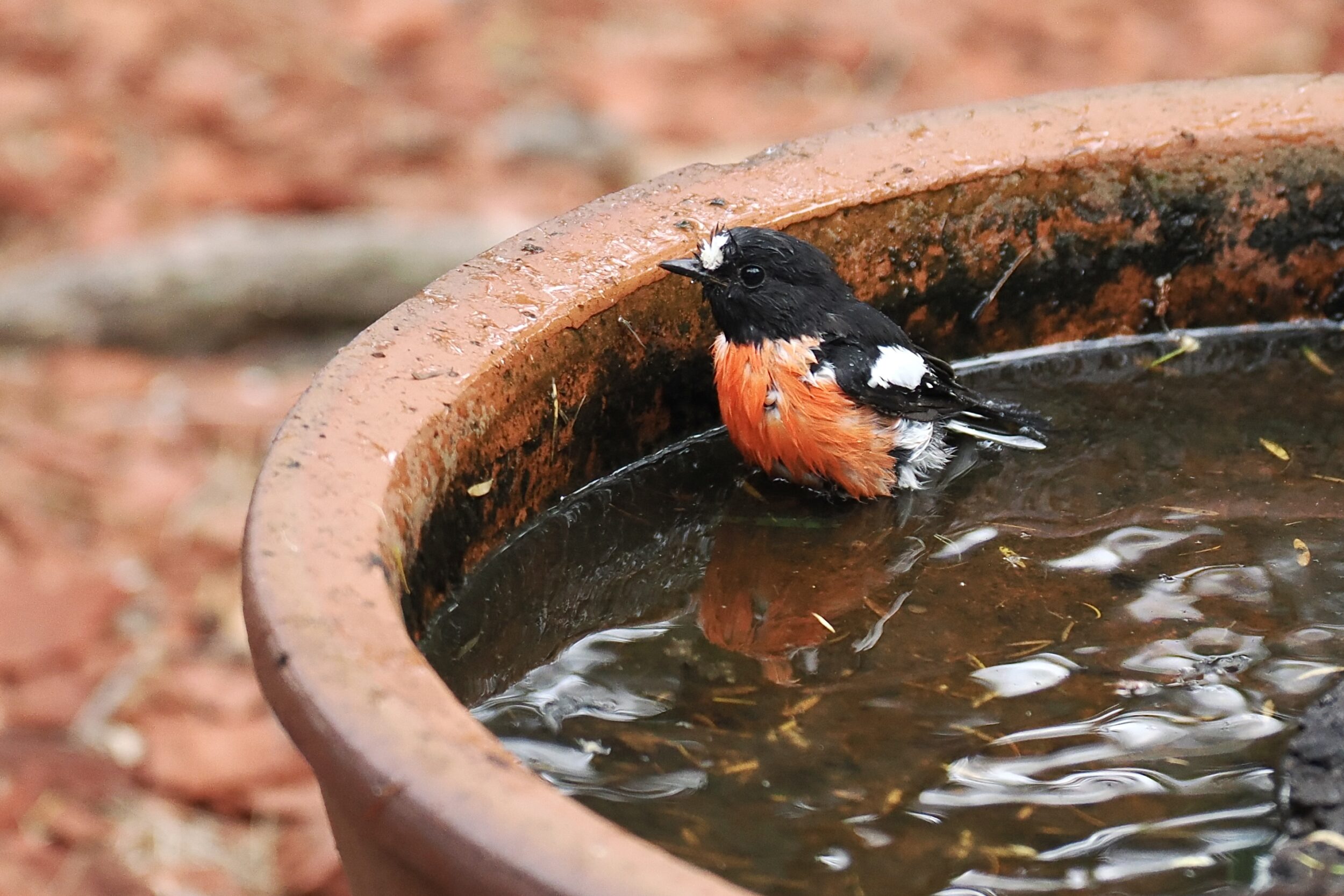
As you can see, at 9.26 am on 09 February 2025, this post’s hero was well-wetted.
As his appearance makes evident, he is a male.
His plumage’s recently-concluded breeding season “magnificence” is fading, but not altogether gone.
Comments closed
…diamond bird, diamond sparrow, headache bird, widopwidop…
Spotted pardalote is the “proper” common name for Pardalotus punctatus – one of Australia’s tiniest, loveliest, shyest birds.
Although moderately common in all of the reasonably fertile parts of Australia (the east coast, the south-east, and the south-west corner) it is seldom seen closely enough to enable identification.
On the morning of 16 February 2025, I at last managed to take some halfway decent photos of one.
Comments closed
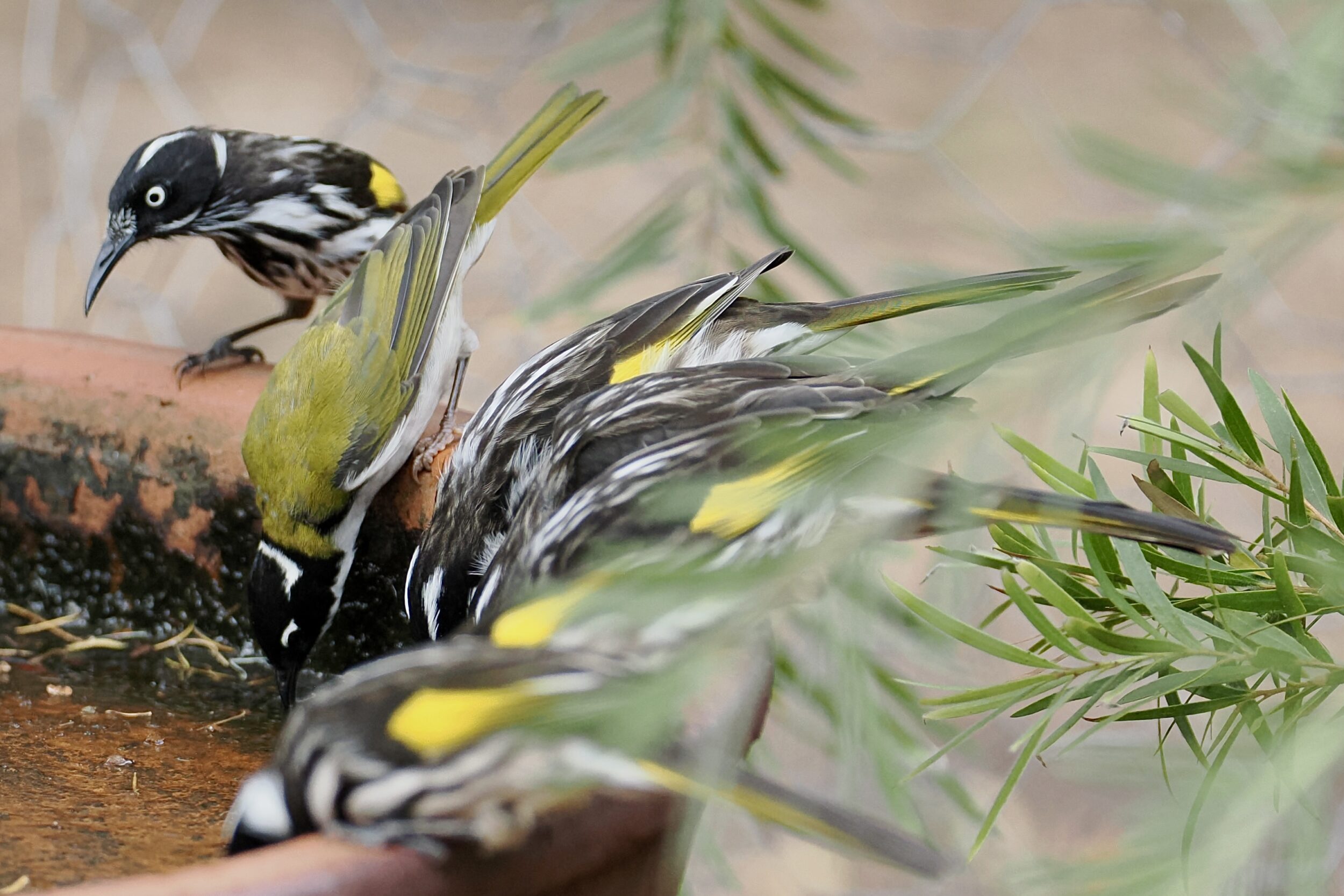
Some birds – individuals & species – prefer to be alone, when drinking or bathing.
Others are happy to “share the facilities”…or they have to share them; flocking birds may be within a group of many – even many thousands – of individuals.
On some afternoons in February 2025 (near Youngs Siding, between Albany & Denmark) the “line up” at the birdbath reminded me of “the six o’clock swill” – an unlovely feature of most Australasian pub “culture” for surprisingly much of the 20th century.
Comments closed
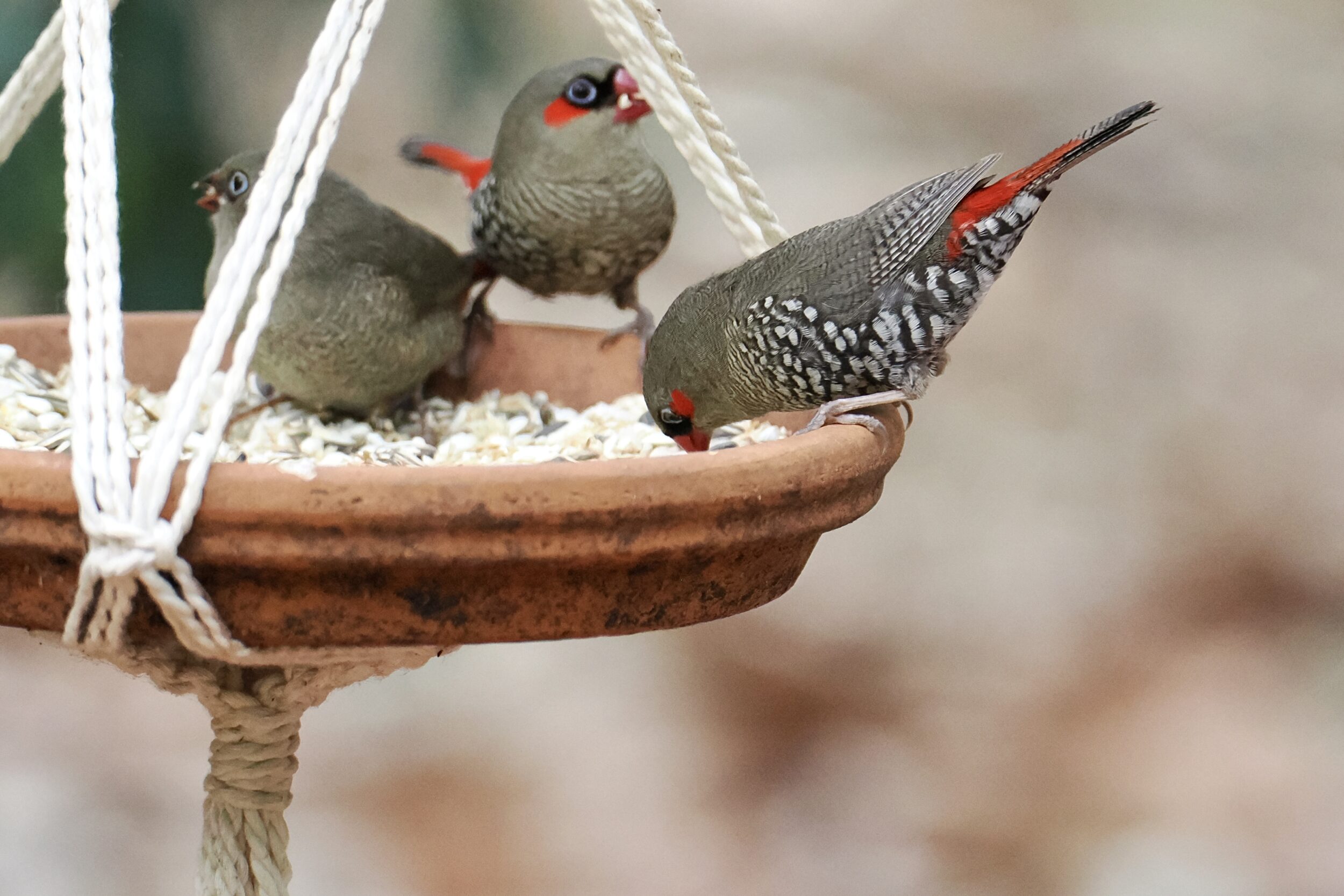
Two descriptions of the pictured, “secretive” species:
Red-eared firetails are usually only glimpsed briefly, if at all, as they move rapidly and discreetly through their habitat. (Wikipedia)
It is a solitary species and is generally found in the most retired spots in the thickets, where its mournful, slowly drawn-out note only serves to add to the loneliness of the place. Its powers of flight, although sometimes rapid, would seem to be feeble, as they are merely employed to remove it from tree to tree. The natives of the mountain districts of Western Australia have a tradition that the first bird of this species speared a dog and drank its blood, and thus obtained its red bill. (John Gilbert, as cited in John Gould’s Handbook, published in 1865)
Comments closed
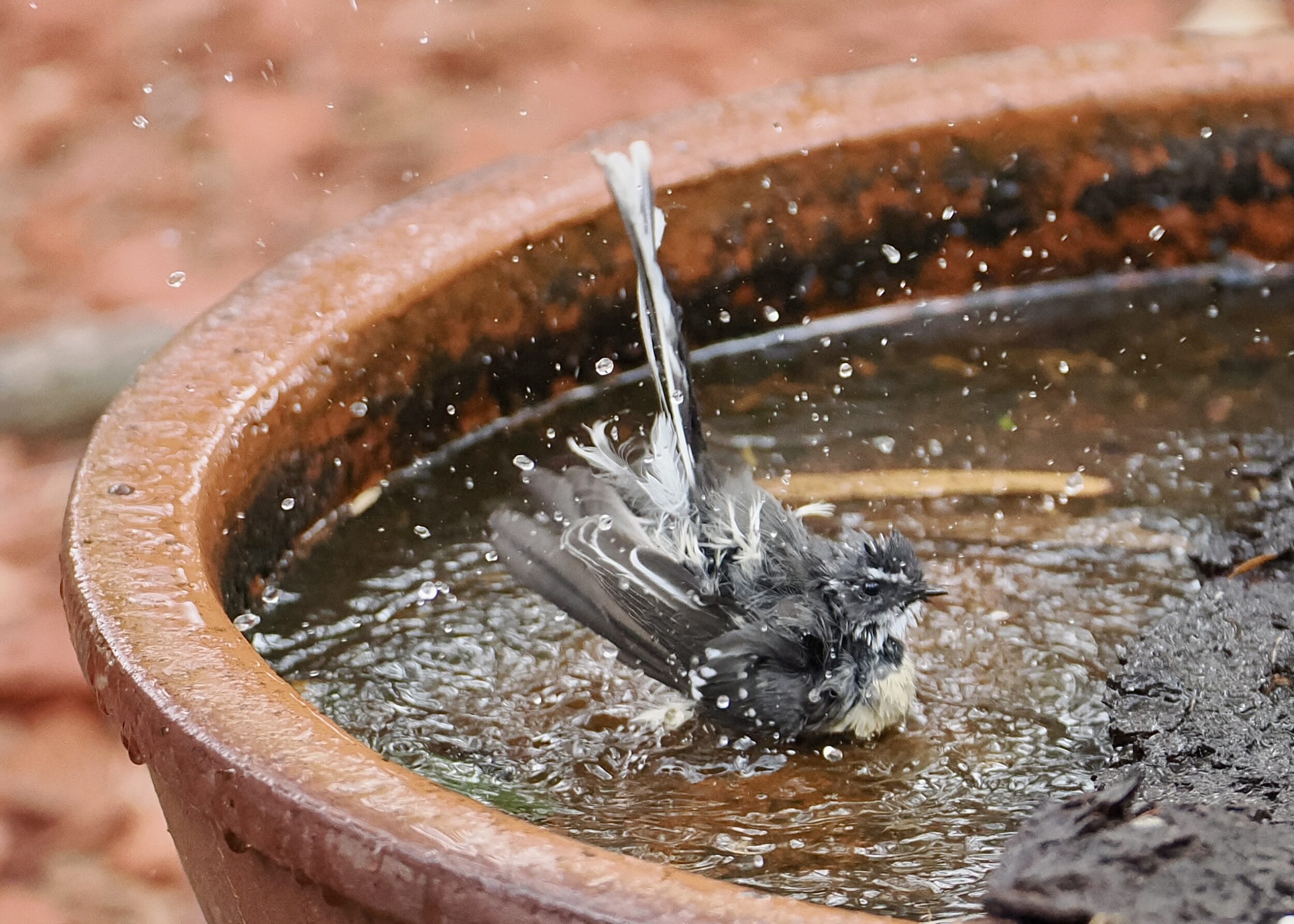
Generally, birds make very sure that they get properly wet, no matter how shallow is the available “bath”.
The pictured individual is a grey fantail, Rhipidura albiscapa.
Comments closed