Skip to content →

Tag: moss

Aspects of Colombia (#5 in teaser series: flourishing in a “degraded” environment)

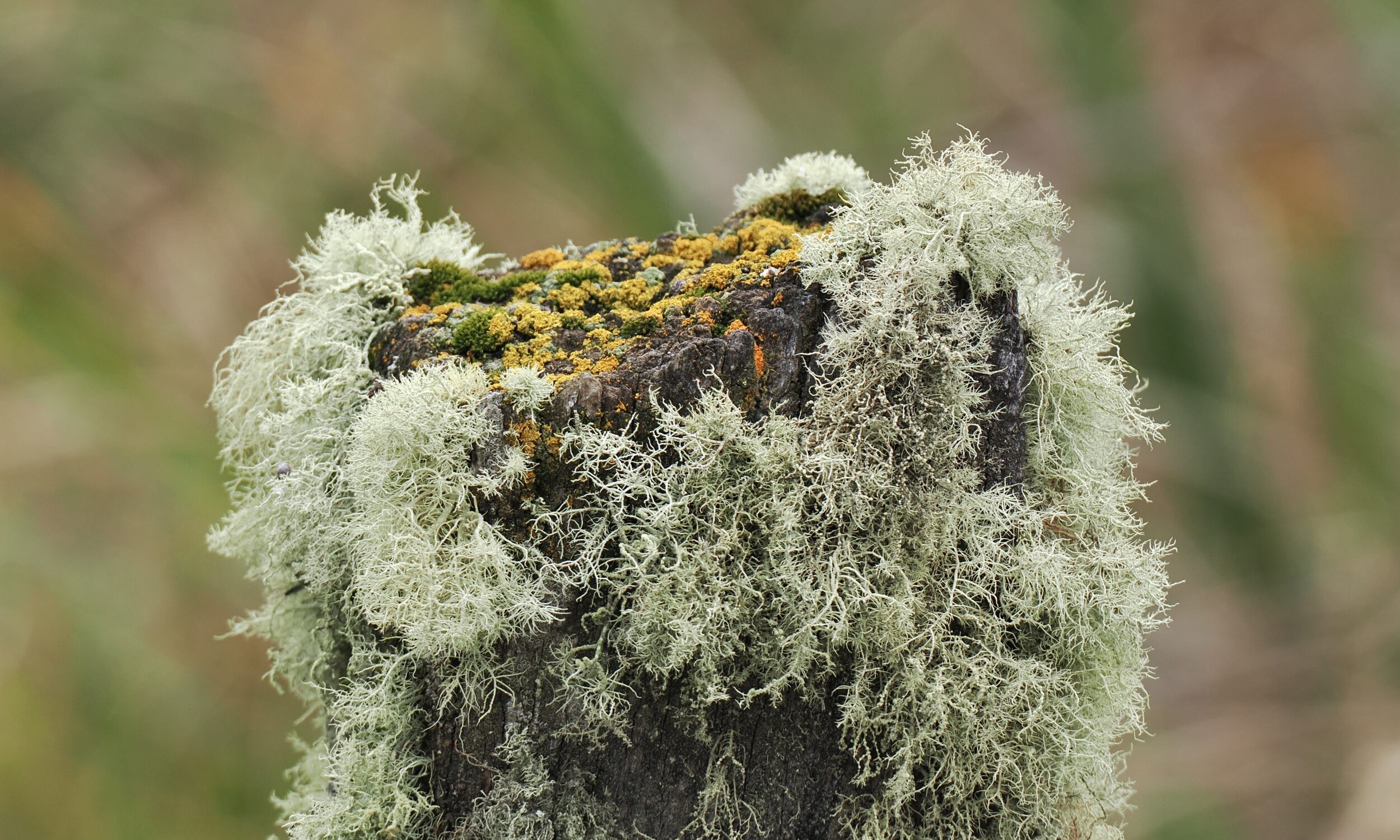
At 11.22 am on the 4th of March this year, we were at least several hundred metres closer to sea level than where I had taken the previous post’s photo

However, we were still at high altitude – probably, circa 3,500 metres ASL – & still on the flanks of Nevado del Ruiz.

The air was still deliciously cool and clean.

Very obviously, we were still in a very high-rainfall zone.

I think we were no longer within Los Nevados National Park.

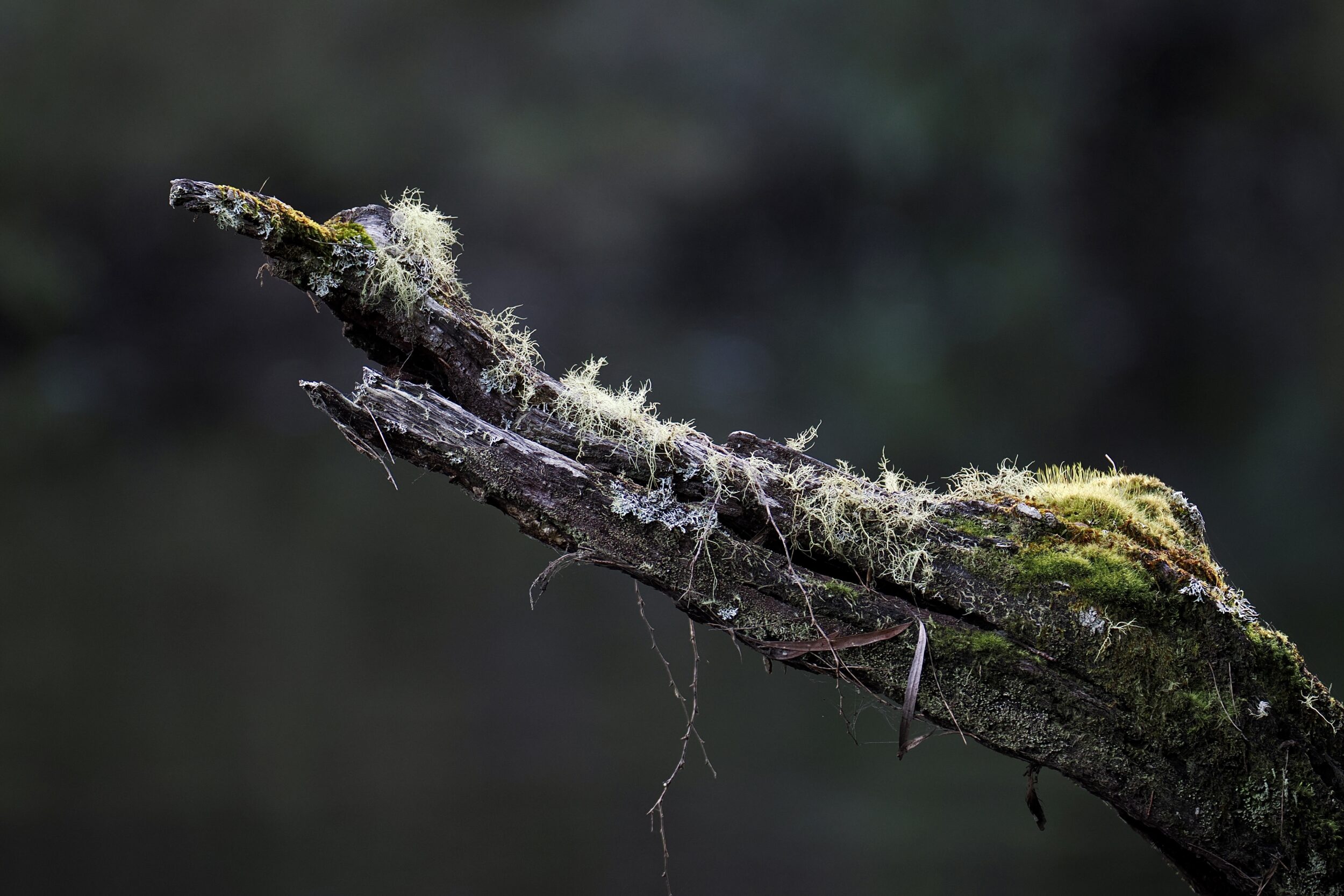
You may – or may not – recognise exactly what provided the pictured lichens and mosses with an obviously-ideal home.

One Comment
Aspects of Colombia (#3 in teaser series: “big monks” of páramo)


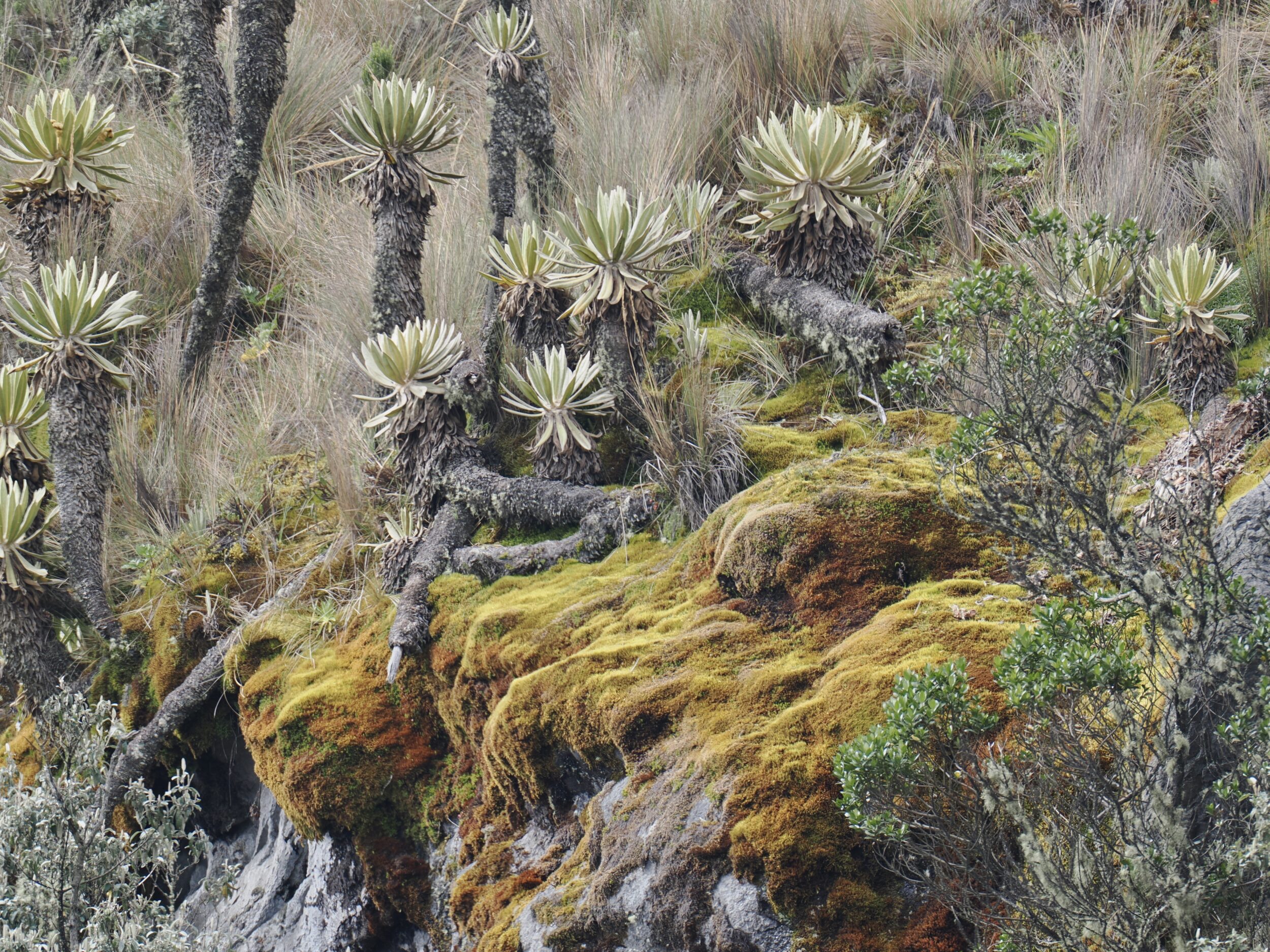
Members of the genus Espeletia are the signature plants of páramo – a wondrous-strange “tropical tundra” ecosystem which exists only in certain very high, very wet parts of northern South America & southern Central America.

Much páramo has been destroyed (or much-degraded) by humans & their livestock; climate change is another existential threat.

More than half of the surviving páramo is in Colombia.

Espeletia species are generally known as frailejones, which translates into English as “big monks”.

To Australian eyes, they look a bit like our so-called “grass trees”, but they are not even remotely-close relatives.

Espeltia, Xanthorrhoea & Kingia genus members do, however, share one reality: all are neither grasses nor trees.

The frailejones’ actual “cousins” are sunflowers!

Leave a Comment

Winter 2025, South West WA (#13 in series: little, living)


Warren National Park’s Karri-dominated forest is – by Australian standards – a moist, cool environment, albeit definitely not rainforest.

Most visitors mostly look up; for many tourists, the Warren’s big trees are the tallest living things they have ever seen.

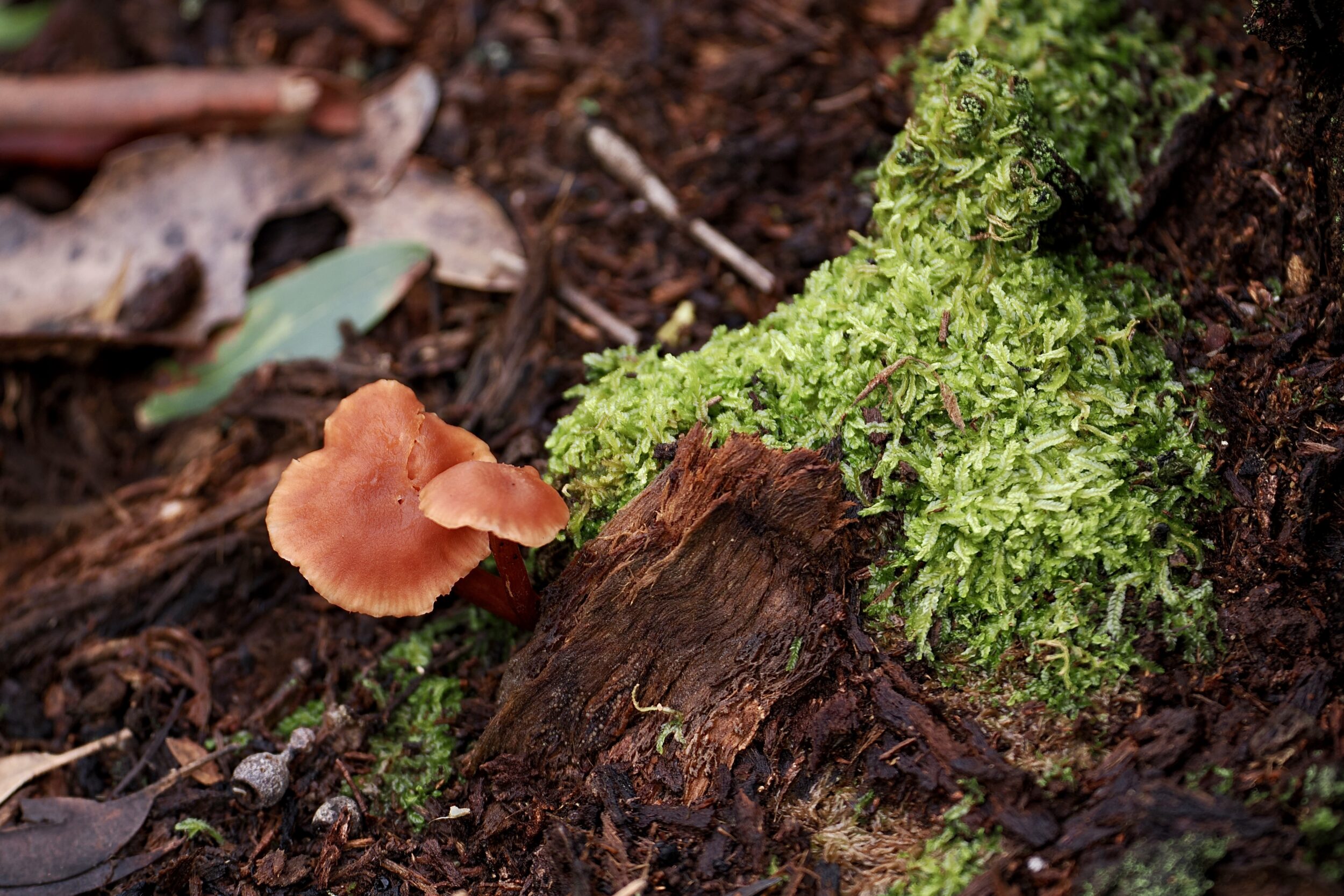
It is also a good idea to look down, to pay attention to non-huge things, and to remember that “dead” wood is never lifeless.

Comments closed

Midwinter on the Fleurieu’s southern edge: bark, moss, fungi & leaf litter


If you are partial to mosses and fungi, the premier South Australian place is the floor of the old-growth stringybark forest in Deep Creek National Park.

The best time to go there is midwinter, in a cool, wet winter.

It is less than two hours’ easy driving away from Adelaide, but in a “proper winter” this forest “feels” like another planet.

Comments closed