Skip to content →

Tag: Qinghai

“Domesticated”: unwild animals (#8 in series: extreme Alpine transhumance)


“Alpine transhumance”, according to its Wikipedia entry:

seasonal droving of grazing livestock between the valleys in winter and the high mountain pastures in summer.

Unsurprisingly, if you google for the term, and/or for information on high-altitude pastures, most of what you will find refers to Europe.

Europe’s largest single example of high altitude pasture (in Italy’s South Tyrolean Dolomites) covers 57 square kilometres; it sits between 1,600 & 2,350 metres above sea level.

Most European Alpine pastures are below 2,400 metres; none reach higher than 2,800 metres.

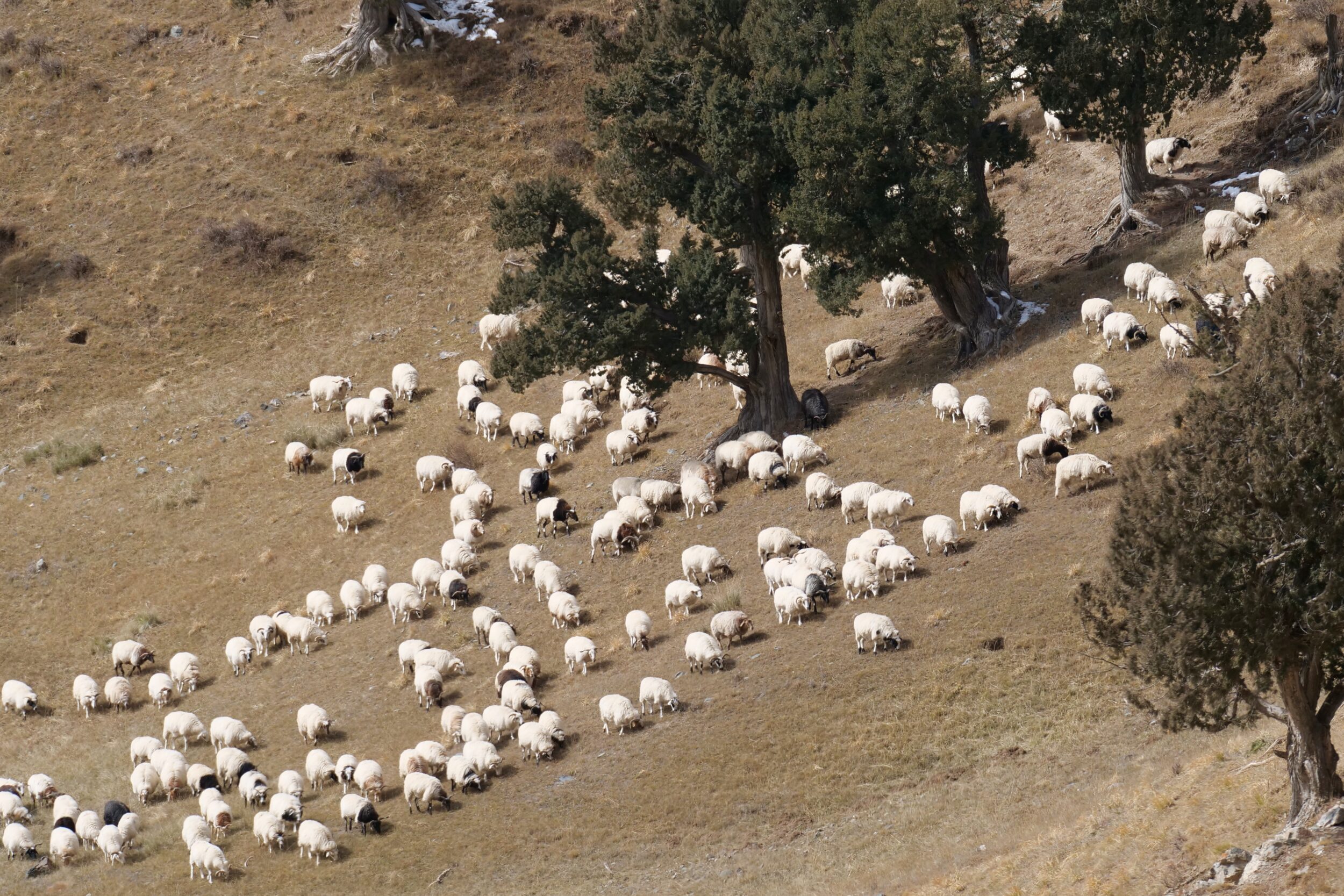
The domesticated sheep pictured above were grazing on grassy slopes at an altitude of more than 4,000 metres.

On the Tibetan Plateau, however, they were not remotely close to Alpine pastures’ “upper limit”!

Leave a Comment
Grand sands (#8 in series: dunes in a basin)


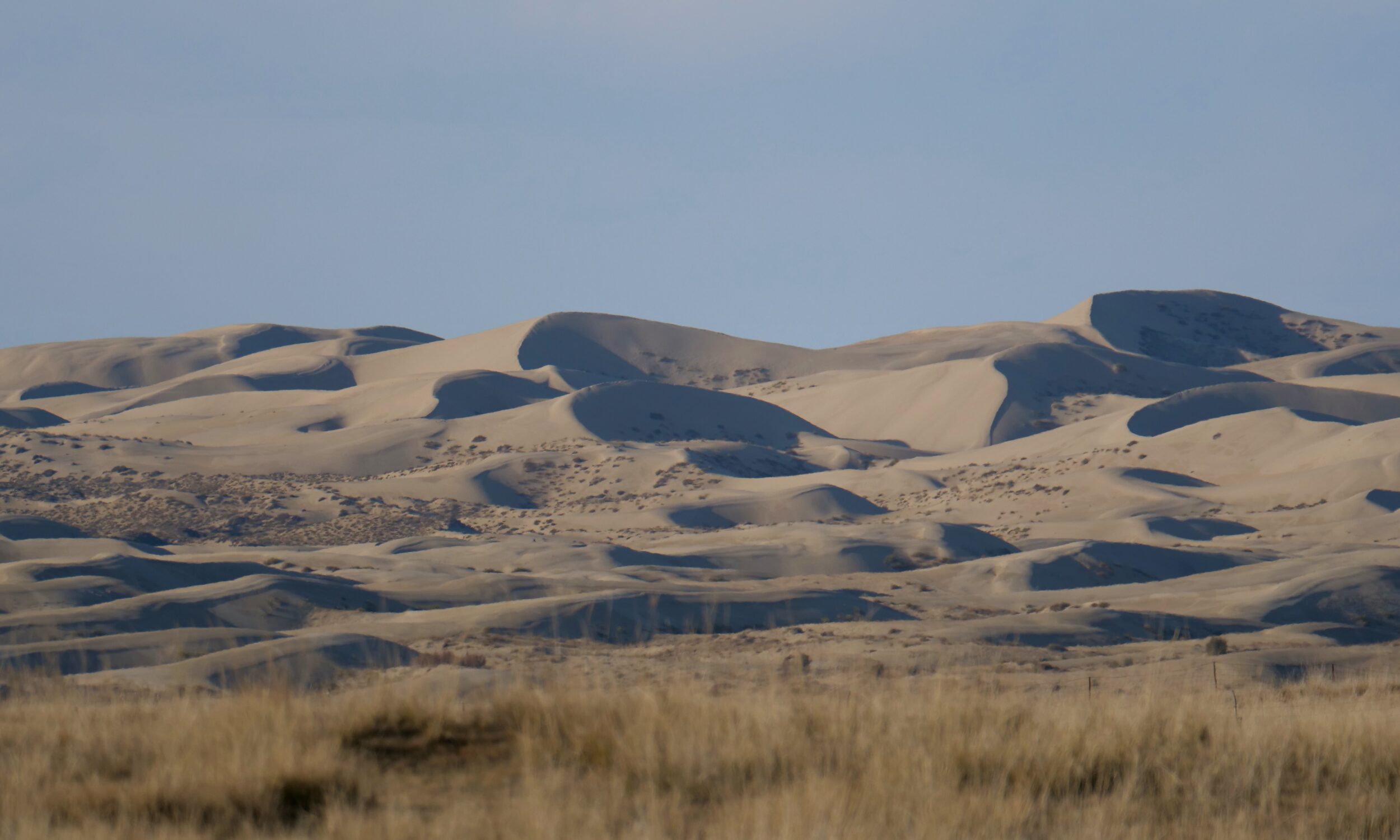
This post’s featured image is far from great, but it does show a particularly surprising place.

I took the photo through “our” vehicle’s tinted window, as we zoomed past the pictured dunes at 5.09 pm on 22 October 2019.

Nearby, was a very large, salty lake.

The nearest ocean shore was circa 1500 kilometres distant, in a straight line.

No “straight line” transport connects to that shore; reaching the nearest ocean beach would require an arduous one-way journey of circa 2,000 kilometres.

Unsurprisingly, this particular vicinity is sparsely populated.

However, when I took the photo we were just 100 or so kilometres distant from a metropolis which is home to at least two million people; we would reach it before nightfall.

Q: where in Africa were we?

Comments closed

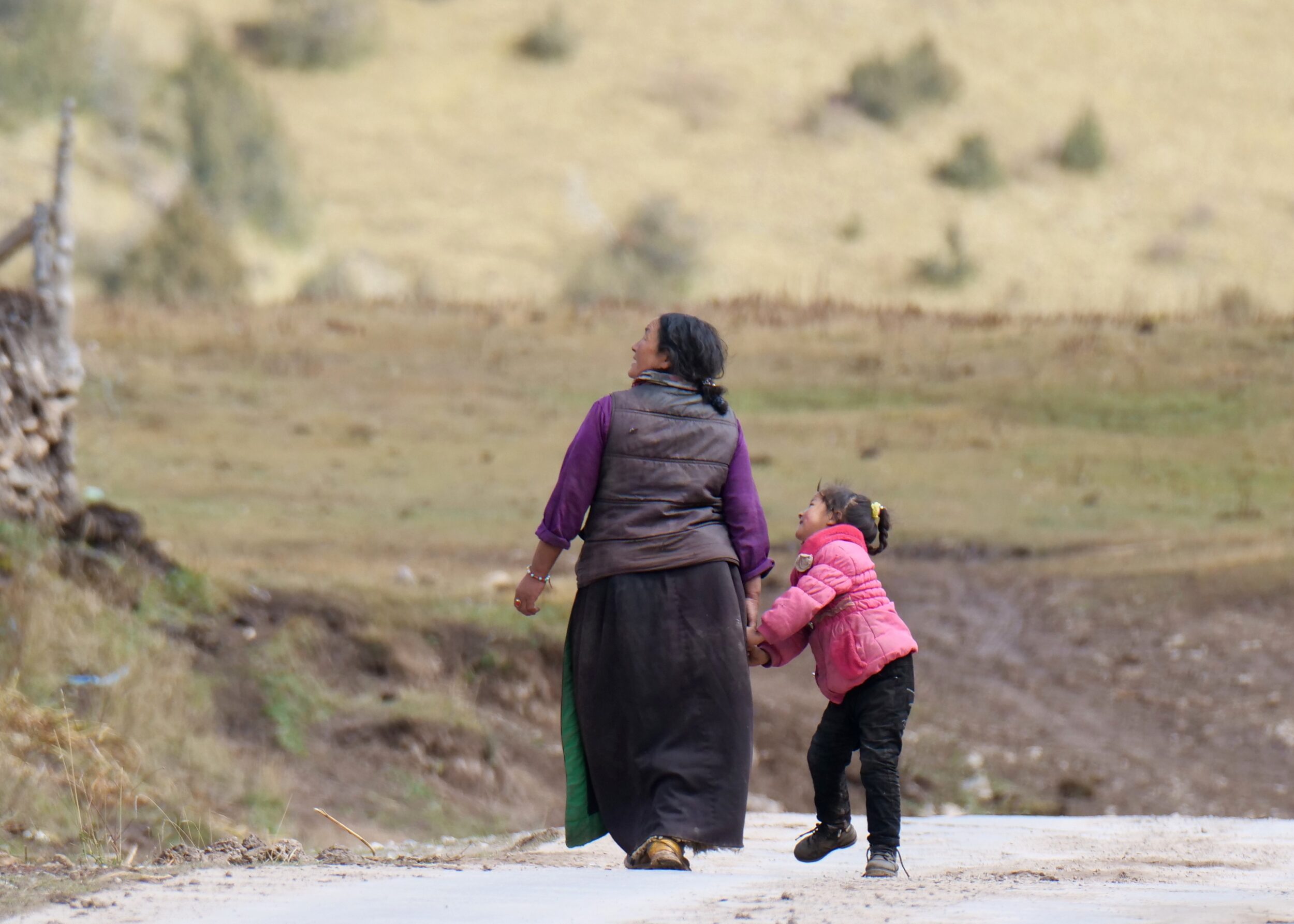
“From behind” (final episode in series: shared delight, Tibetan Plateau)


I loved the little moment which the image captures.

Had I been in front of the mother and daughter  – and thereby made my presence intrusive – the moment simply would not have happened…at that moment, at least.

Comments closed

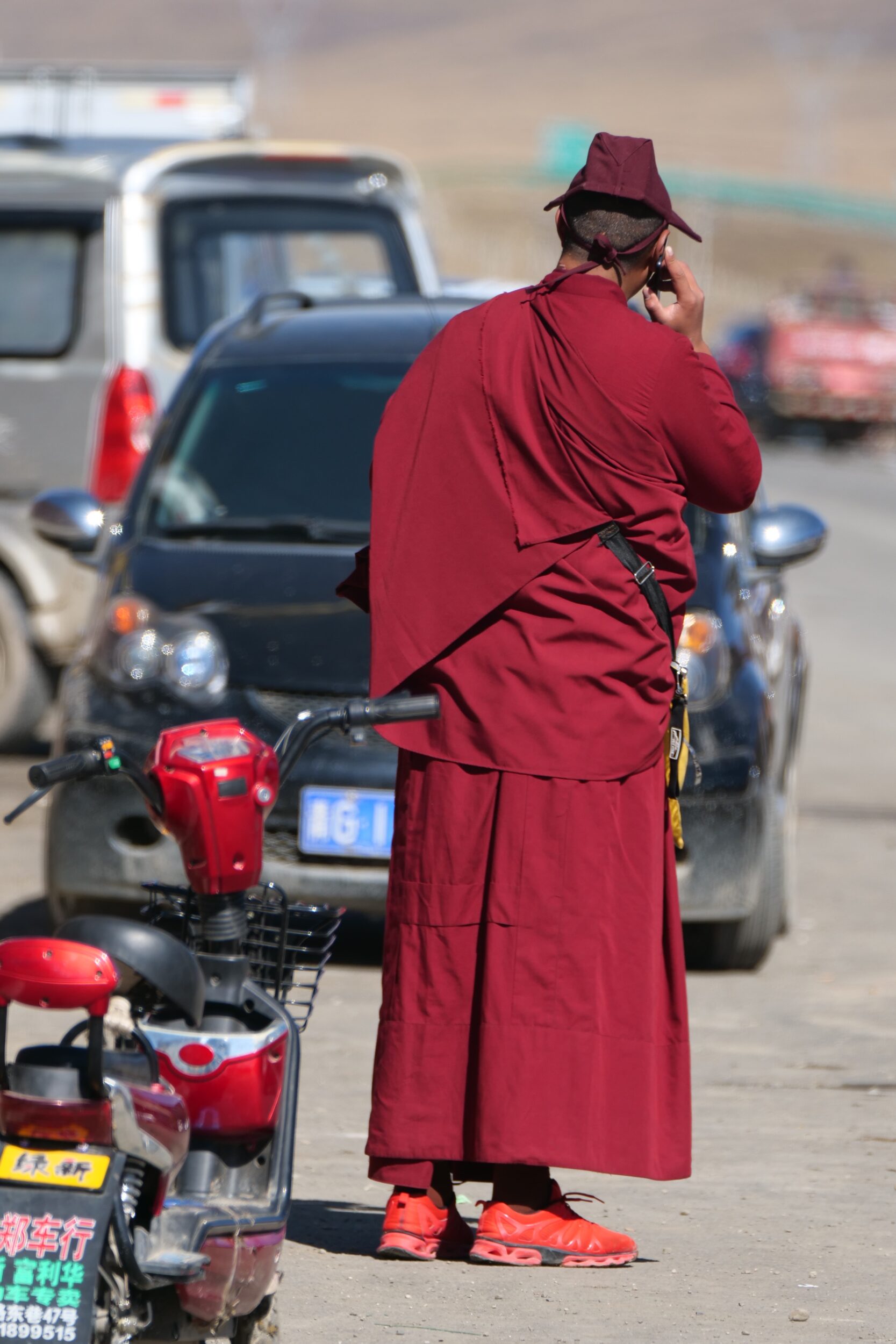
“From behind” (#2 in single-image series: switched-on monk)


This post’s subtitle owes an apology to Wendy Carlos.

(Wendy, who was originally named Walter, is most famous for her 1968 LP “Switched-on Bach”).

This post includes a musical bonus; like the featured image, it involves Tibetan Buddhism…but not J.S. Bach.

Comments closed

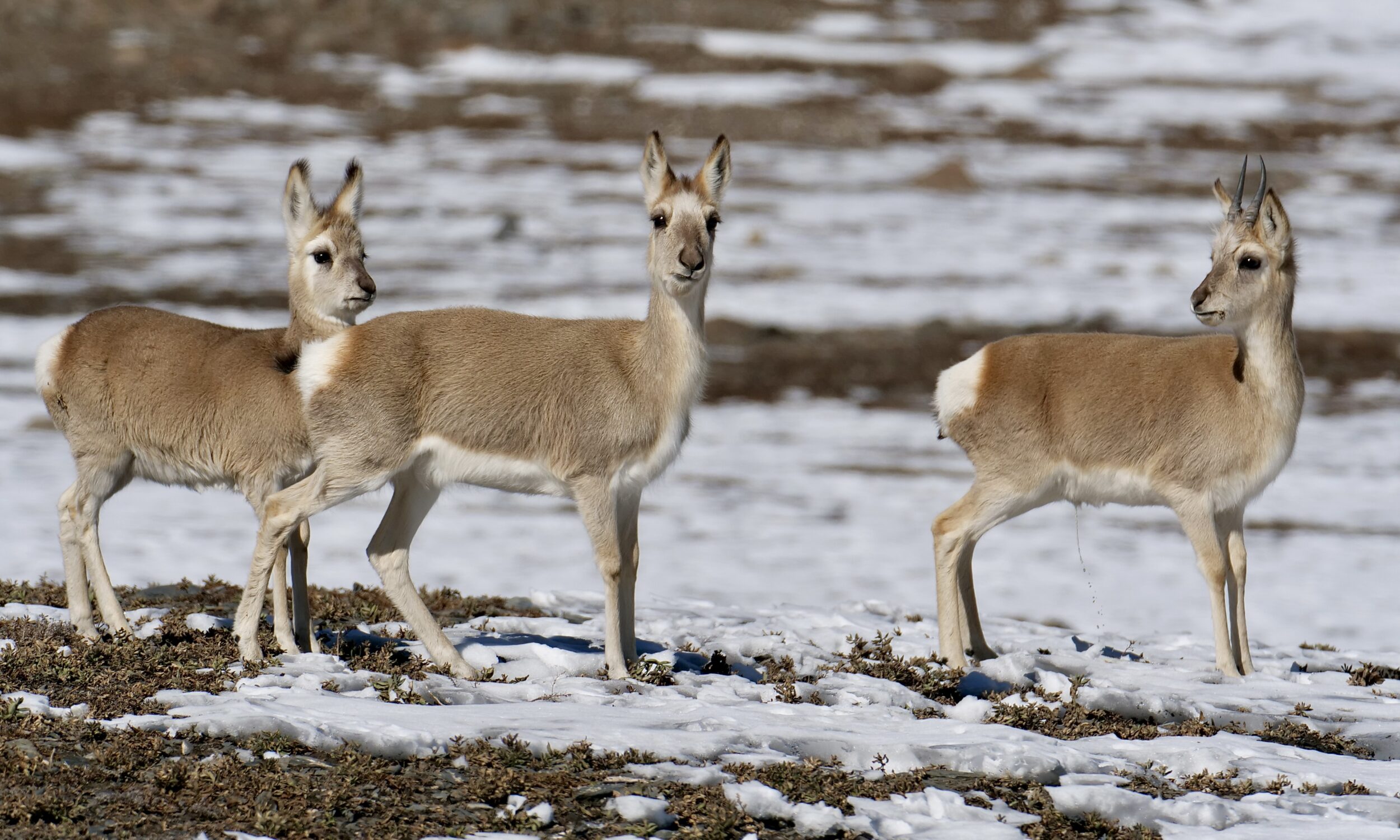
Three of the same (#9 in series: Goa, aka Tibetan Gazelles)


This post’s Tibetan Plateau location is higher and wilder than was true of #8 in this series.

The Chang Tang – also rendered into English as “Changtang” – is a very harsh environment, mostly grasslands at more than 4,000 metres above sea level, punctuated by mountains.

Much of it is protected in one of the world’s largest national parks, but climate change’s impact – here, mostly negative – is proving particularly extreme, rapid.

Goa – or Tibetan Gazelle – live here in still-considerable, but declining numbers.

Comments closed