Skip to content →

Category: Australia (not WA)

Footprints: literally, mostly (with musical bonus)


This post’s actual footprints come from bears in Alaska, birds on the Indian subcontinent  and continental Australia, a Tasmanian wombat, and humans in an African desert and Australian suburbia.

The musical bonus is courtesy of one of the greatest jazz musicians – equally so as composer, virtuoso instrumentalist and inspired improviser.

There’s also a metaphorical footnote which involves New Zealand’s largest farm…

Comments closed
Word power: “soundscape enrichment” entices oysters…


From a research article published this week in the British Ecological Society’s Journal of Applied Ecology:

Our results suggest that the enrichment of natural soundscapes using underwater speakers may provide an efficient solution for boosting early recruitment and habitat building by oysters.

However, caution the researchers, restoration practitioners must consider the potential for negative impacts from speaker enrichment.

A question for you, dear reader:

before you read the quoted words, had you ever contemplated oysters’ “hearing”, much less their response to sounds played through underwater speakers?


Comments closed

McGowangrad, winter ‘22: #9 in series (third of three “strangers in Paradise”)


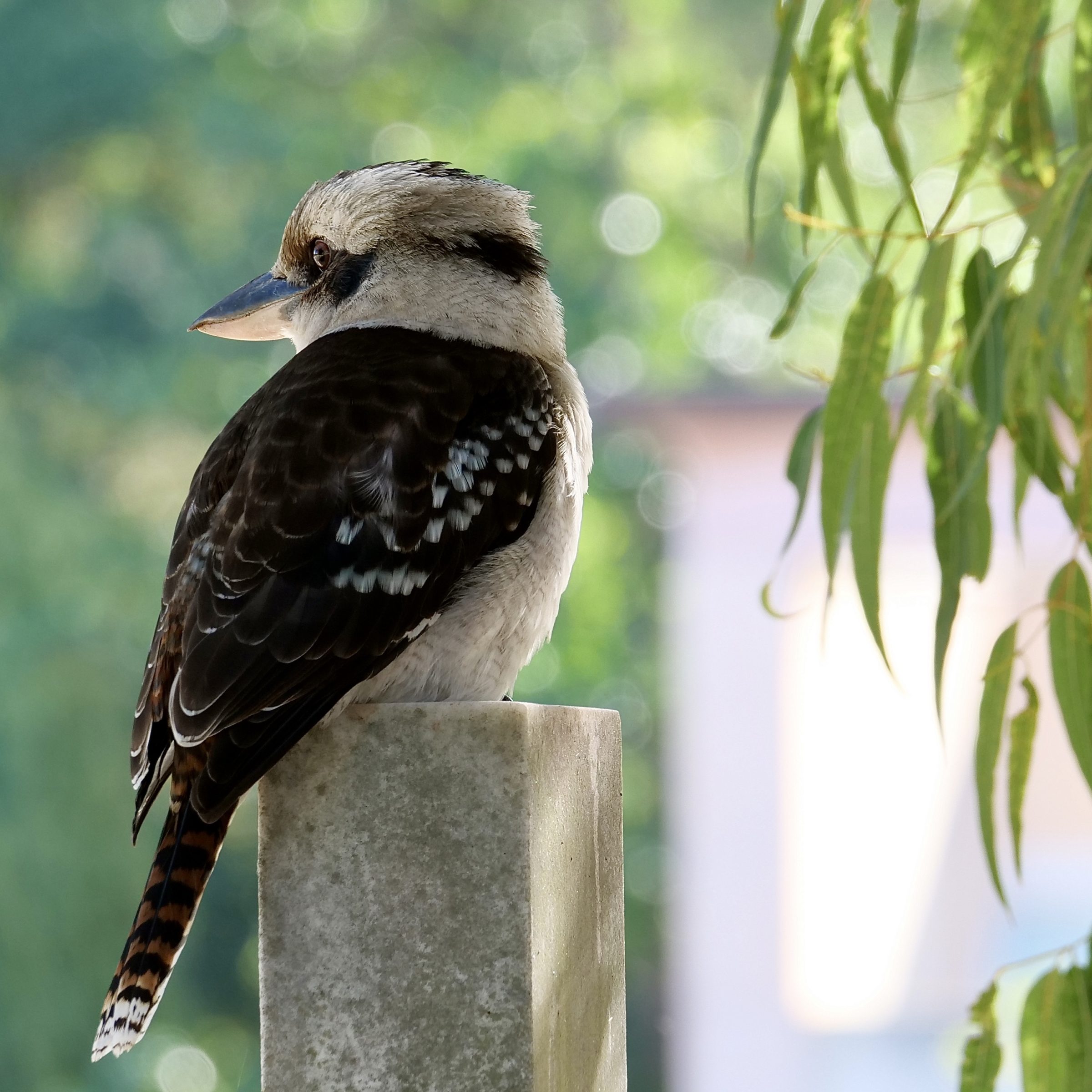
This kookaburra, perched on a grave cross, has something in common with most of the humans who have been buried in Perth’s largest cemetery over the past 123 years.

In 2022, most living WA humans do not know what it is; most of them, in fact, have a quite wrong view of kookaburras’ “place” in southwestern Australia.

Comments closed

Intertidal: #4 in series (Shallow Inlet – closer view)

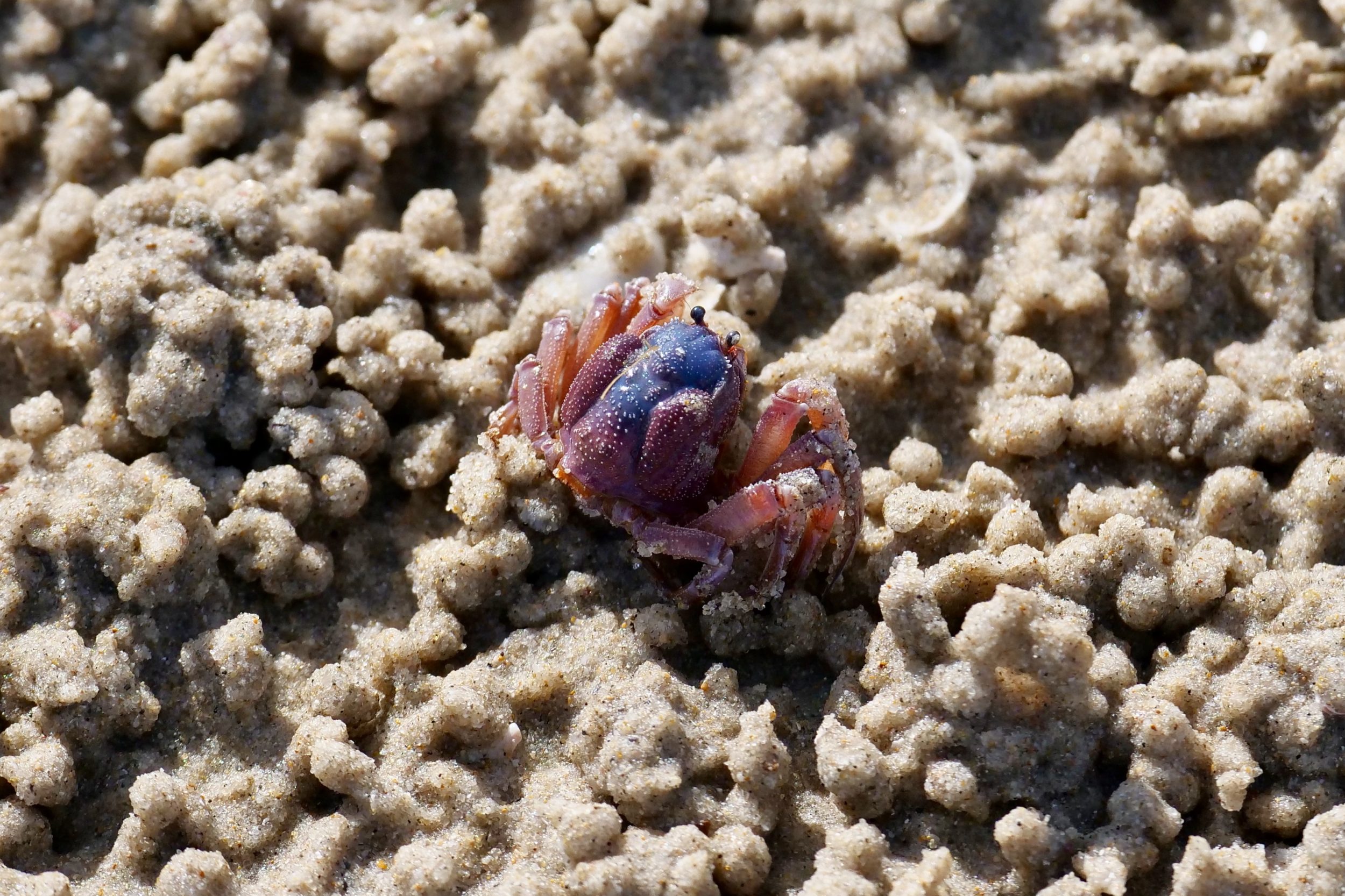
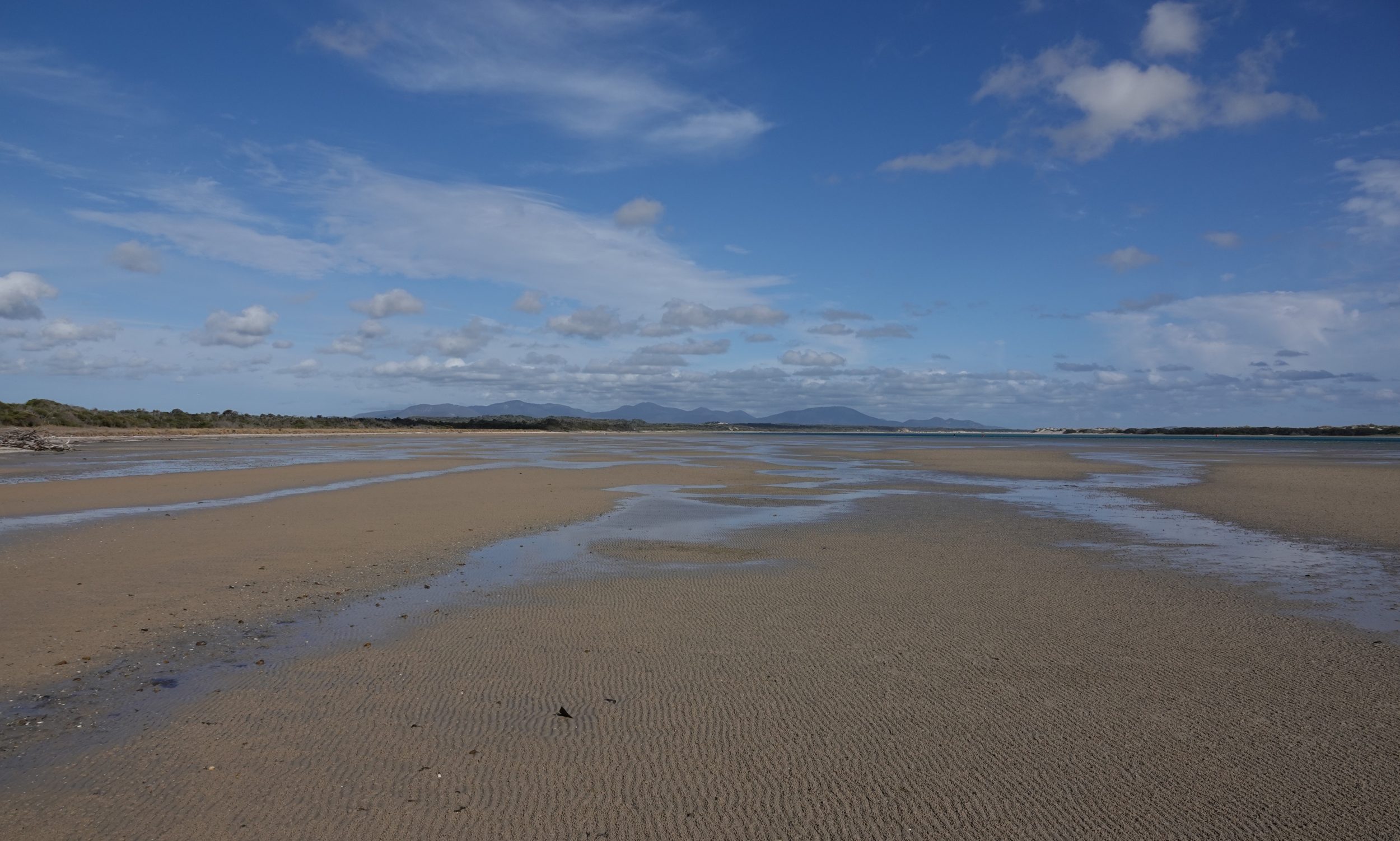
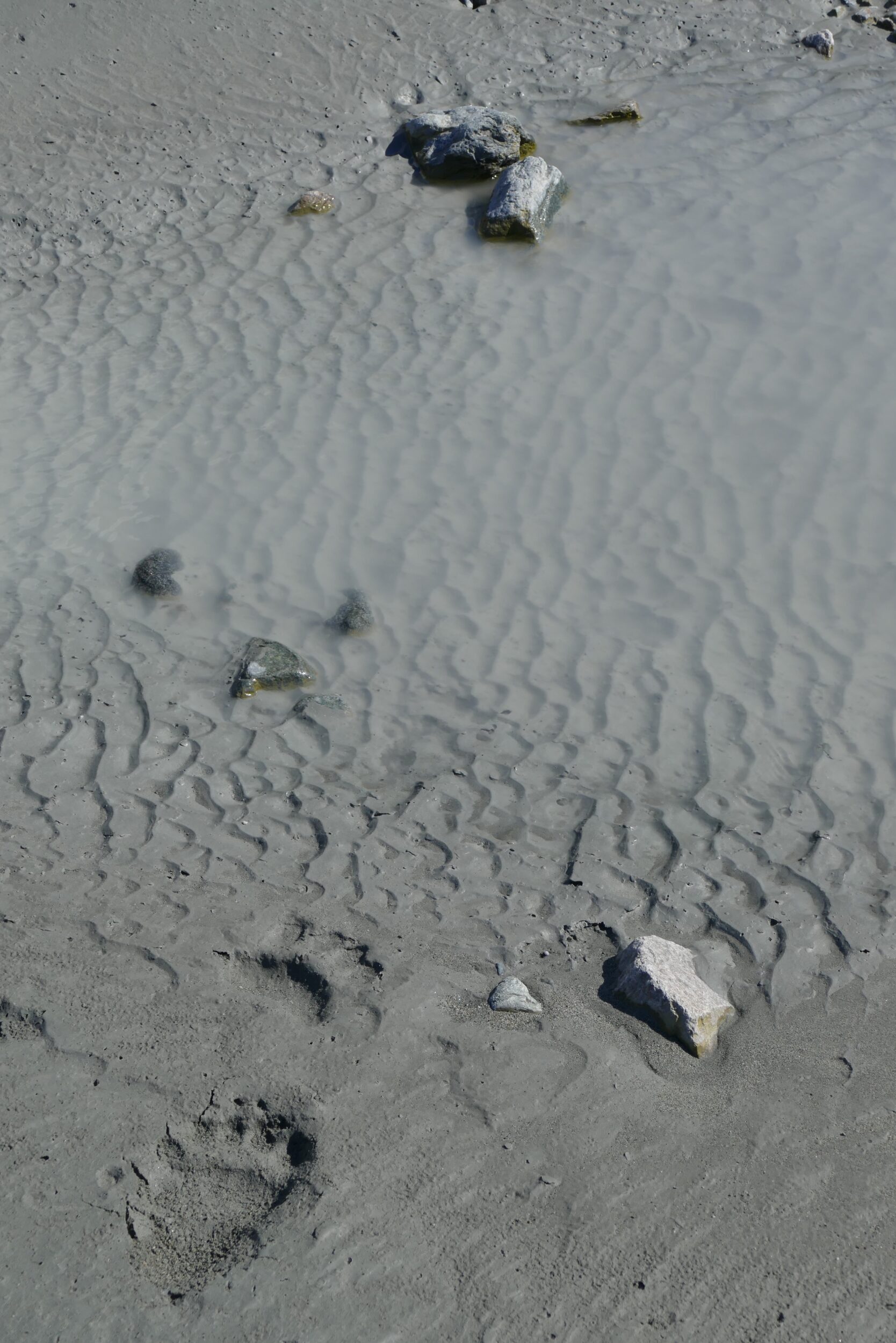
Tidal sand/mud-flats present very different “faces”, depending on when you happen to visit them – time of day, as much as time of year – and also on how closely you look.

Yesterday’s featured photo was taken in the same location as was today’s, their two vantage points were a very short walk apart, and only a few minutes separated their shutter-clicks.

Nothing much had changed in those few minutes, but…

Comments closed

Coorong National Park (northern part, Autumn 2022)

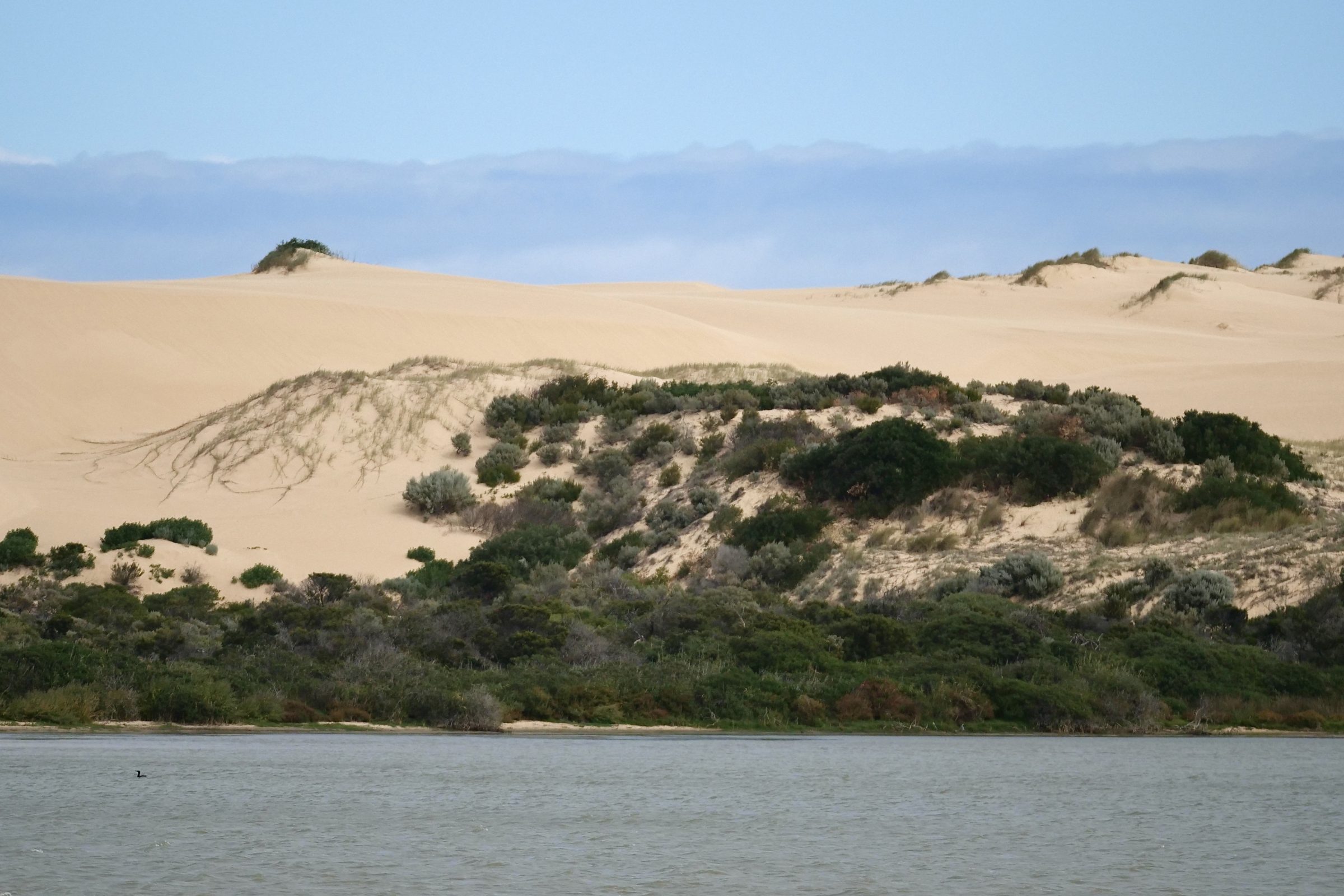
The featured image and the one below were both taken from a boat on the Coorong-proper – Australia’s longest lagoon.

Both photos look across its waters to the Younghusband Peninsula – the dune field that separates the Coorong from the Southern Ocean.

Sand and water are the Coorong National Park’s key components.

The former arrives via wind, and Southern Ocean waves.

Most of the “fresh”-ish supply of the latter is delivered by the Murray-Darling river system.

One Comment

Murray River meets Southern Ocean: little big mouth


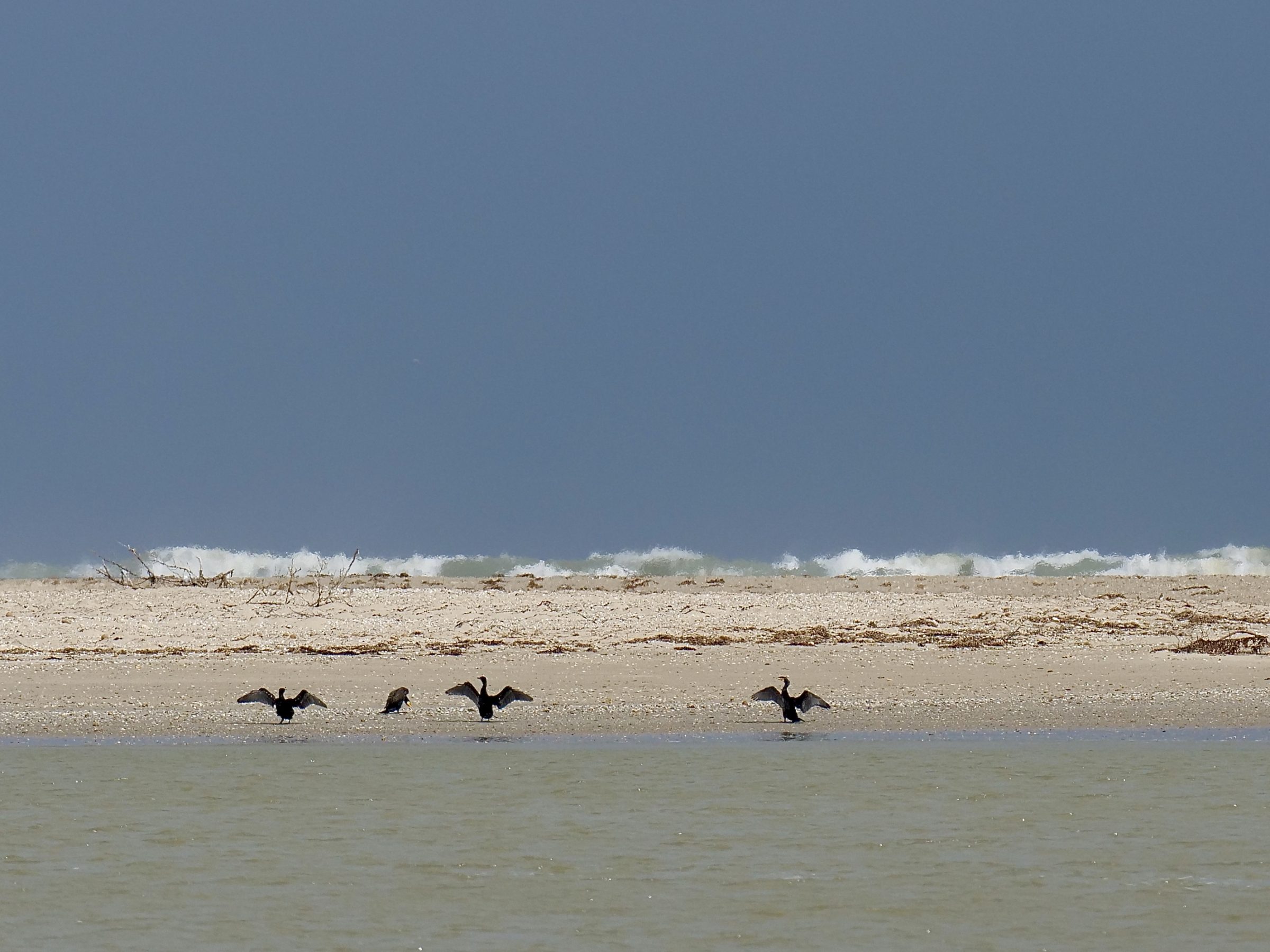
The featured image’s Southern Ocean waves are breaking on the Younghusband Peninsula’s narrowest, northernmost section.

The peninsula’s tip is the southern “lip” of the mouth of Australia’s biggest river system;  the cormorants are on the “freshwater side”, as was yours truly at 3.35 pm on 30 March 2022.

If you have never been to this spot, you may be thinking, “it looks splendidly wild, barely touched by humans”.

Alas, you would be very wrong….

One Comment

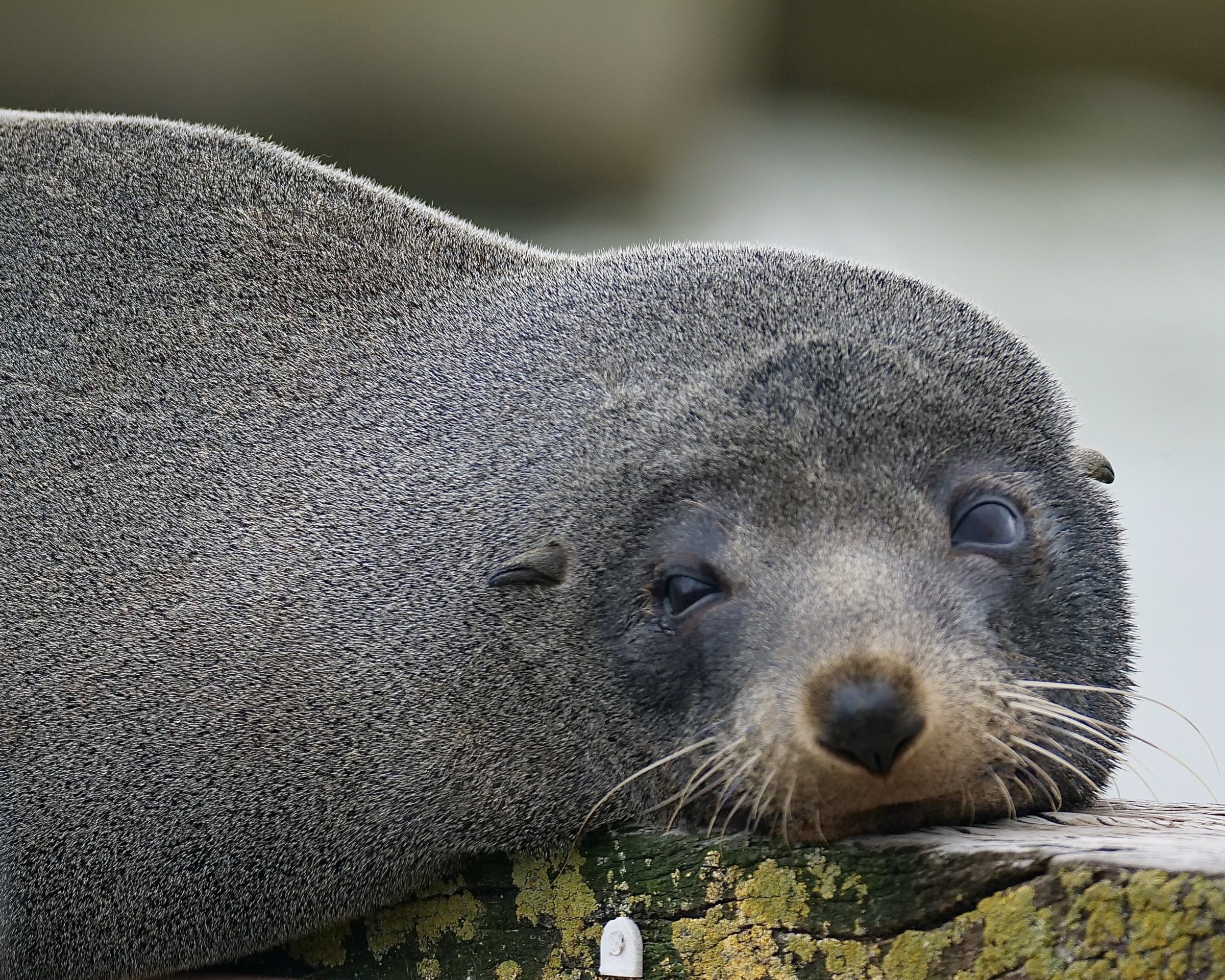
Fur seals: bad news for The Coorong?


Over the last 15 years seals have become an increasingly common/obvious presence in the Coorong-proper and on/around the Goolwa Barrage.

This has delighted some people, but infuriated/worried some others.

Some of the infuriated/worried people perceive the seals as “intruders”, as “fish thieves”, as “out of control”, “a threat to fish and bird populations”.

So, who are these seals, are they “newcomers”, and are they a threat to “the natural balance”?

Comments closed

Flight, Coorong National Park: gulls (with musical bonus)


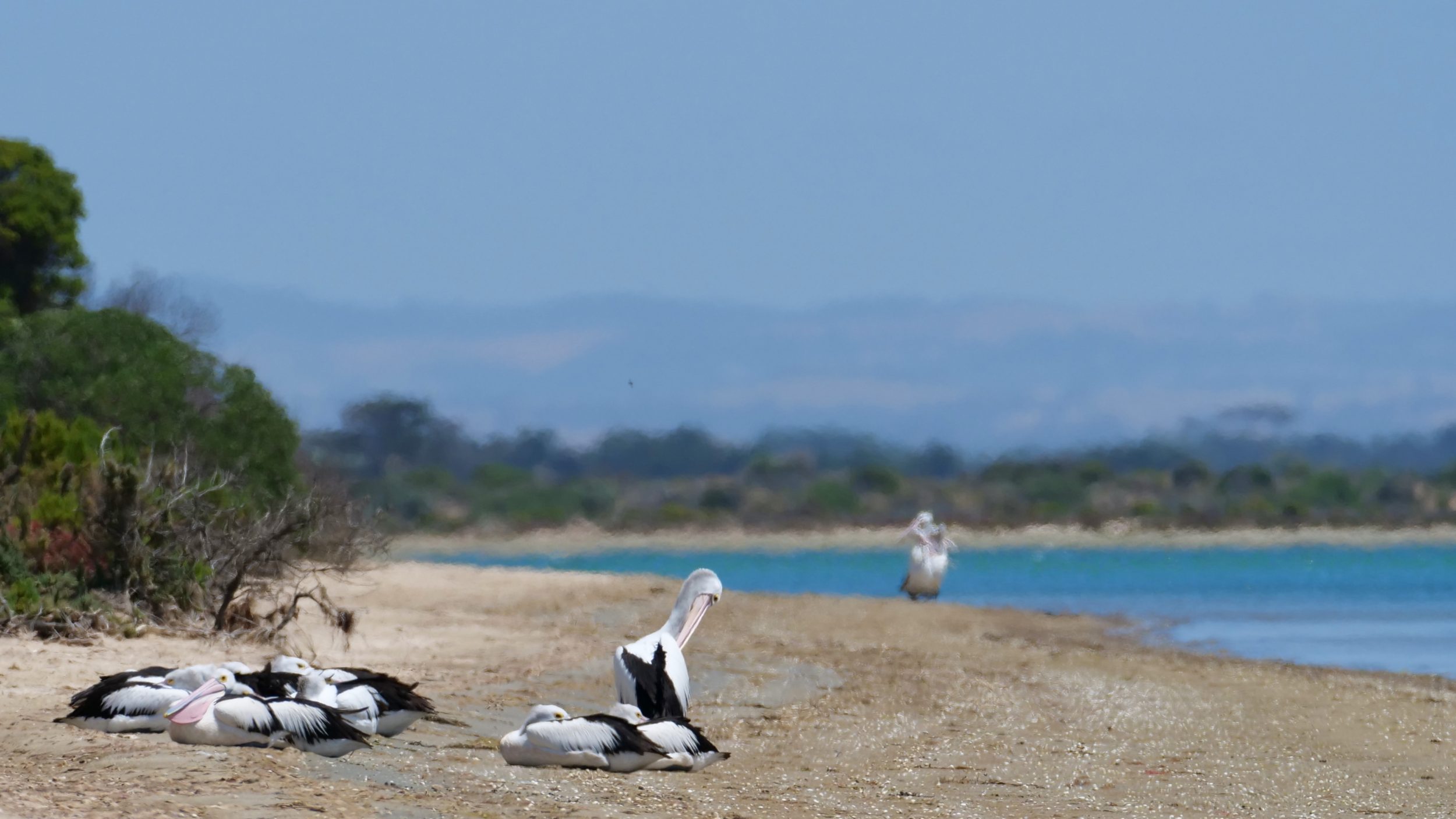
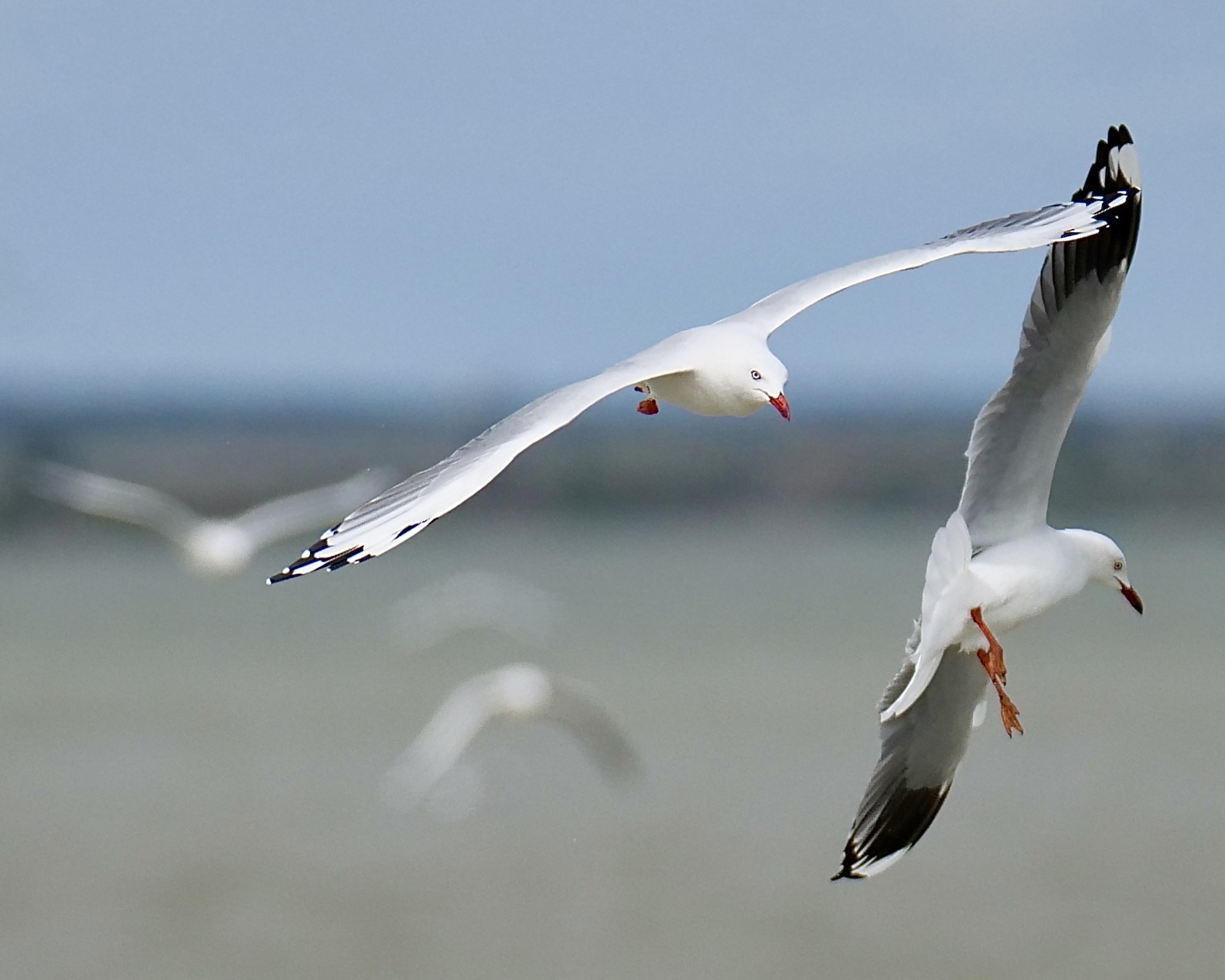
When an Australian thinks of seagulls, the relevant species is almost certainly our most common, emblematic one.

Chroicocephalus novaehollandiae – the Silver gullhas prospered mightily, post-1788.

Arguably, this highly-adaptable bird should no longer be described as a “seagull”.

Comments closed