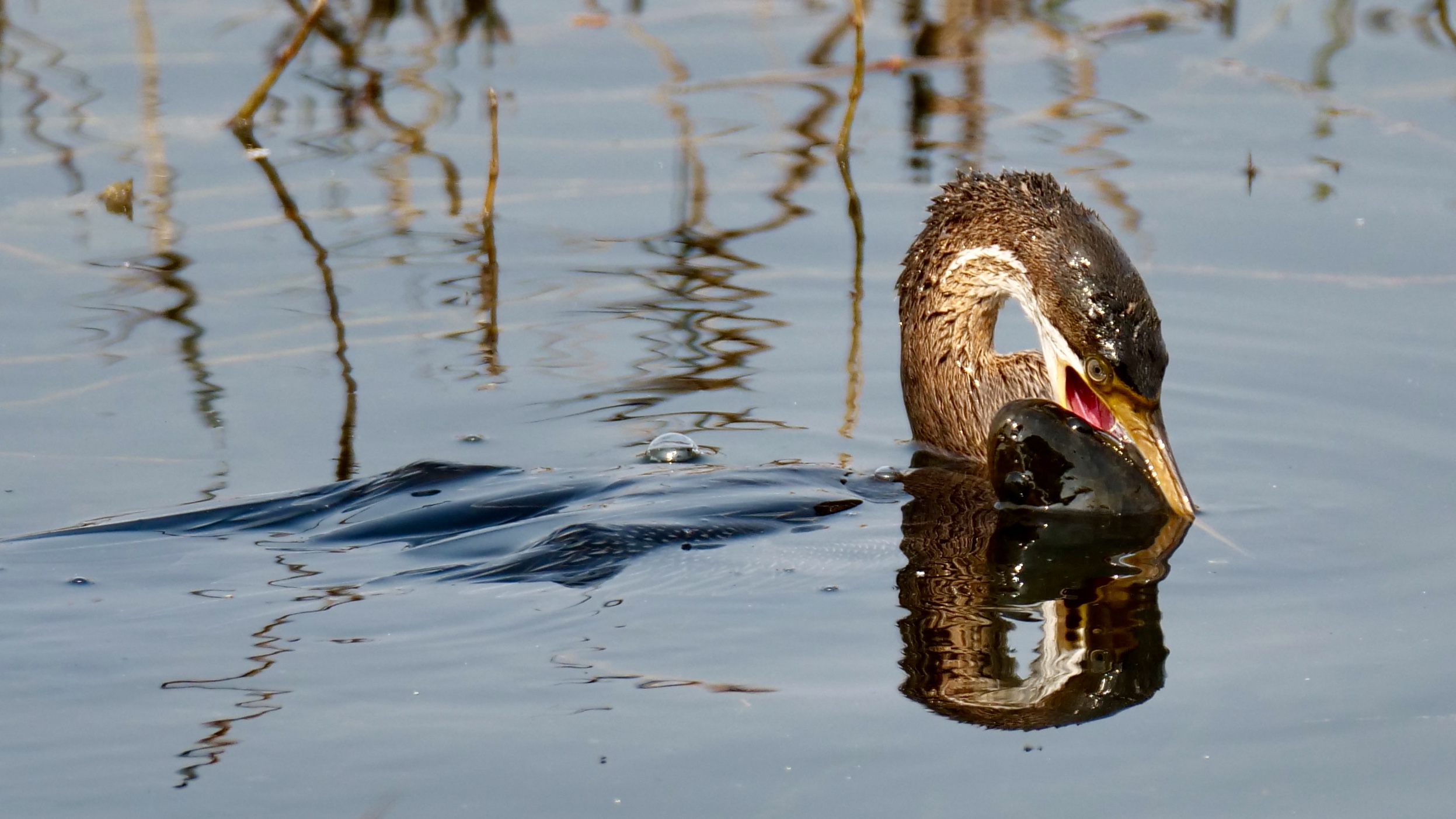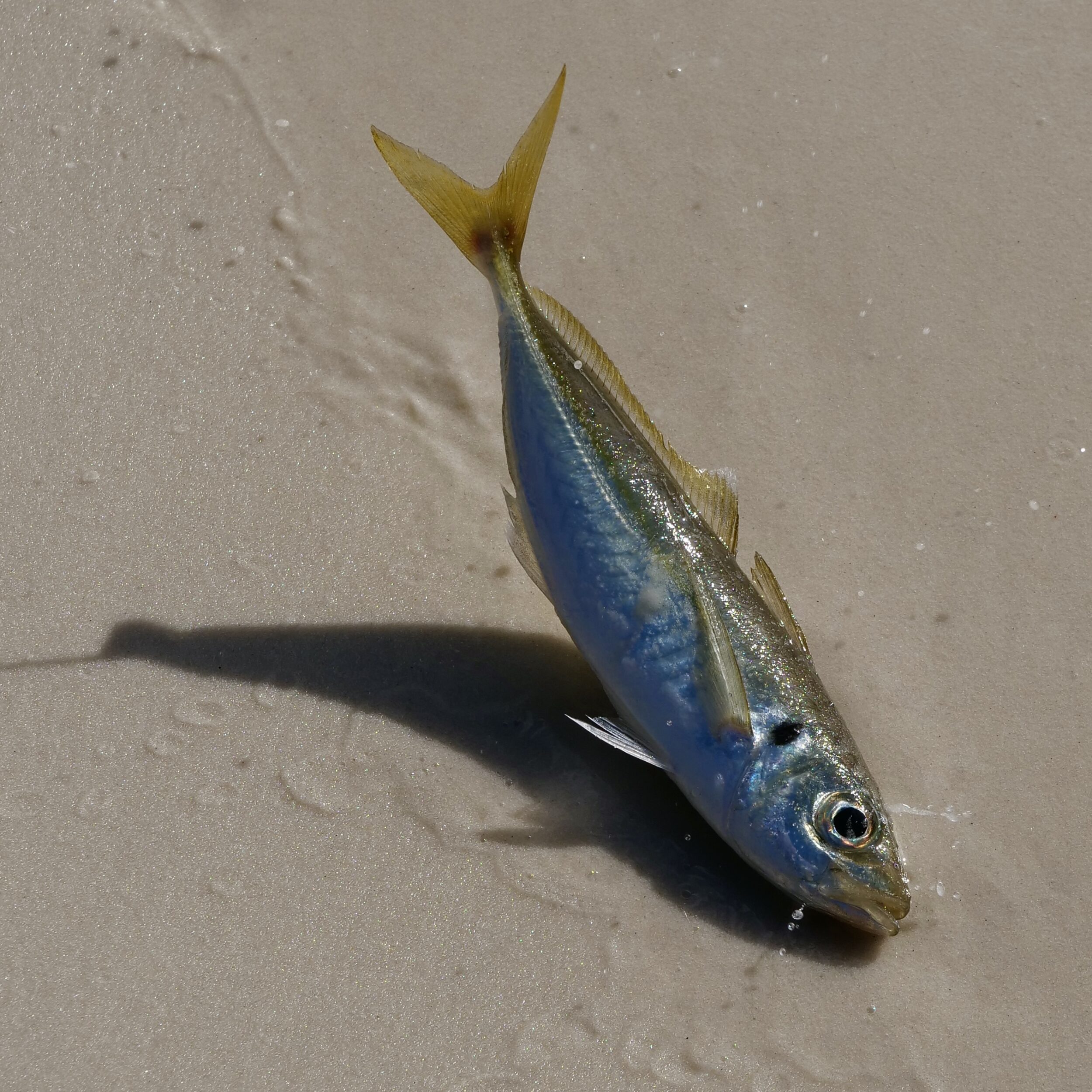
Q: Did s/he jump or was s/he pushed?
A: S/he jumped out of the relevant wave and onto one of Australia’s most beautiful, untamed beaches.
Q: Why, in fewer than four words?
A: Spooked by salmon….
2 CommentsNatural splendour, real musics, wines, wordpower
Q: Did s/he jump or was s/he pushed?
A: S/he jumped out of the relevant wave and onto one of Australia’s most beautiful, untamed beaches.
Q: Why, in fewer than four words?
A: Spooked by salmon….
2 CommentsWhat is a “quirky moment”?
The answer is largely a matter of the relevant human observer’s/participant’s experience, sensibility, attitude.
One person’s “surprising” or “bizarre” or “amusing” is another’s “to be expected, in this particular context”, “prosaic”, or “unremarkable”
What is happening in the featured image is a case in point.
Comments closed
…only in India!
Comments closed
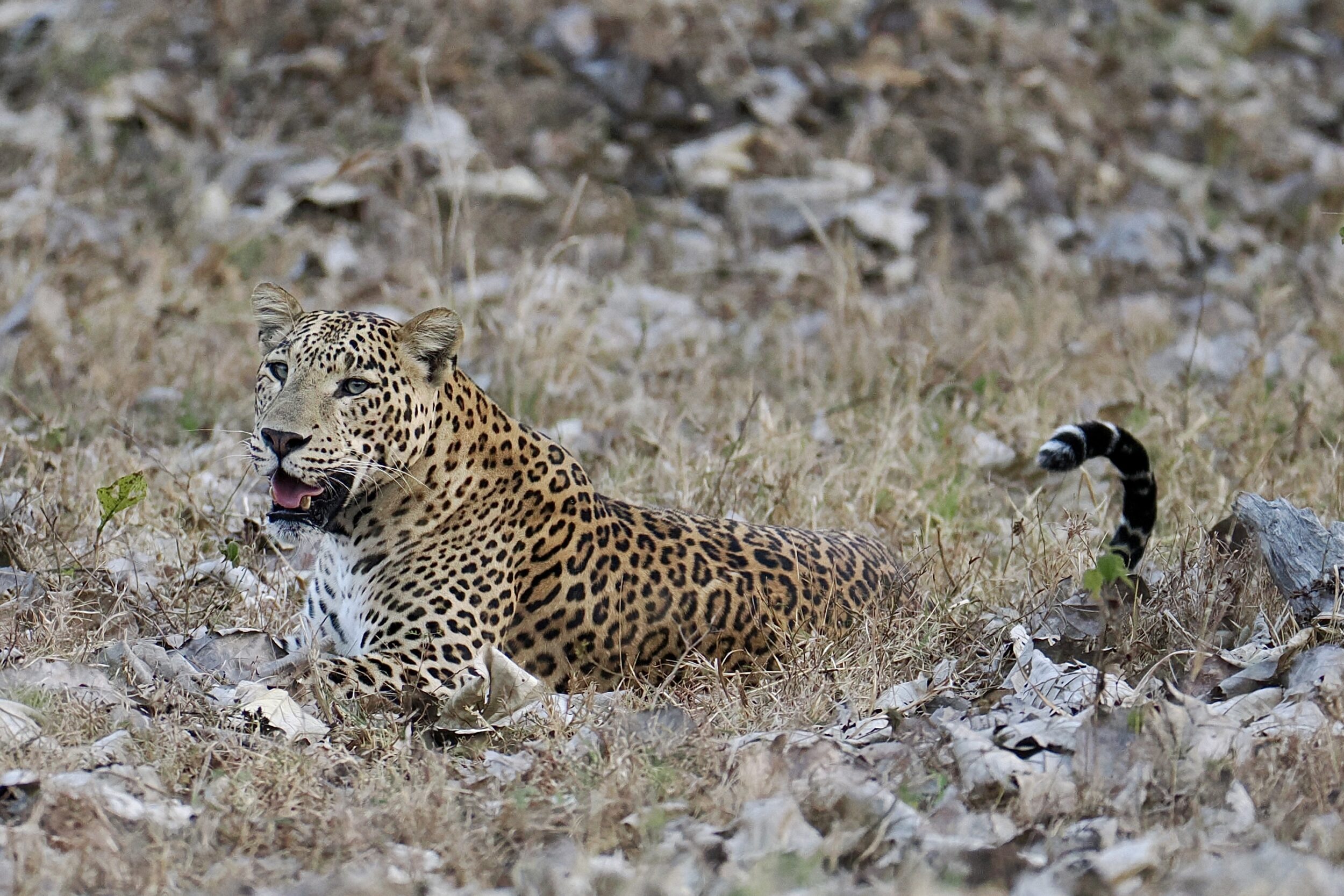
Leopards are members of a single species – Panthera pardus – but the eight (or nine) “valid” living subspecies have different characteristics, and their current fortunes/prospects are widely divergent.
Generally, across Africa and Asia, leopard numbers are falling.
India, however, is an exception; after the leopard population had plummeted through “the Raj” period, it has (from a low base) markedly increased – perhaps, by 60 percent – over the last two decades.
This post features one very healthy, confident male.
Comments closed
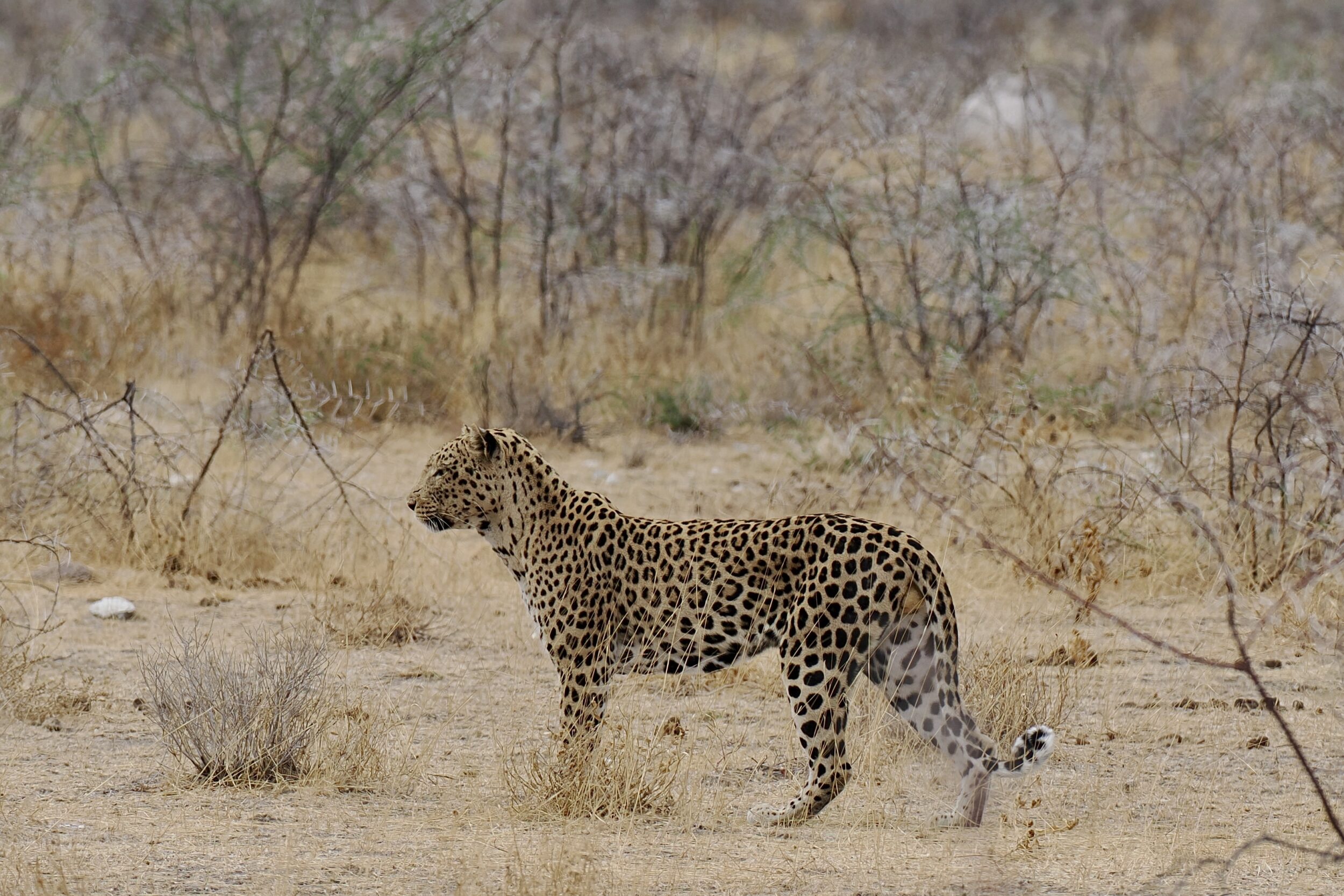
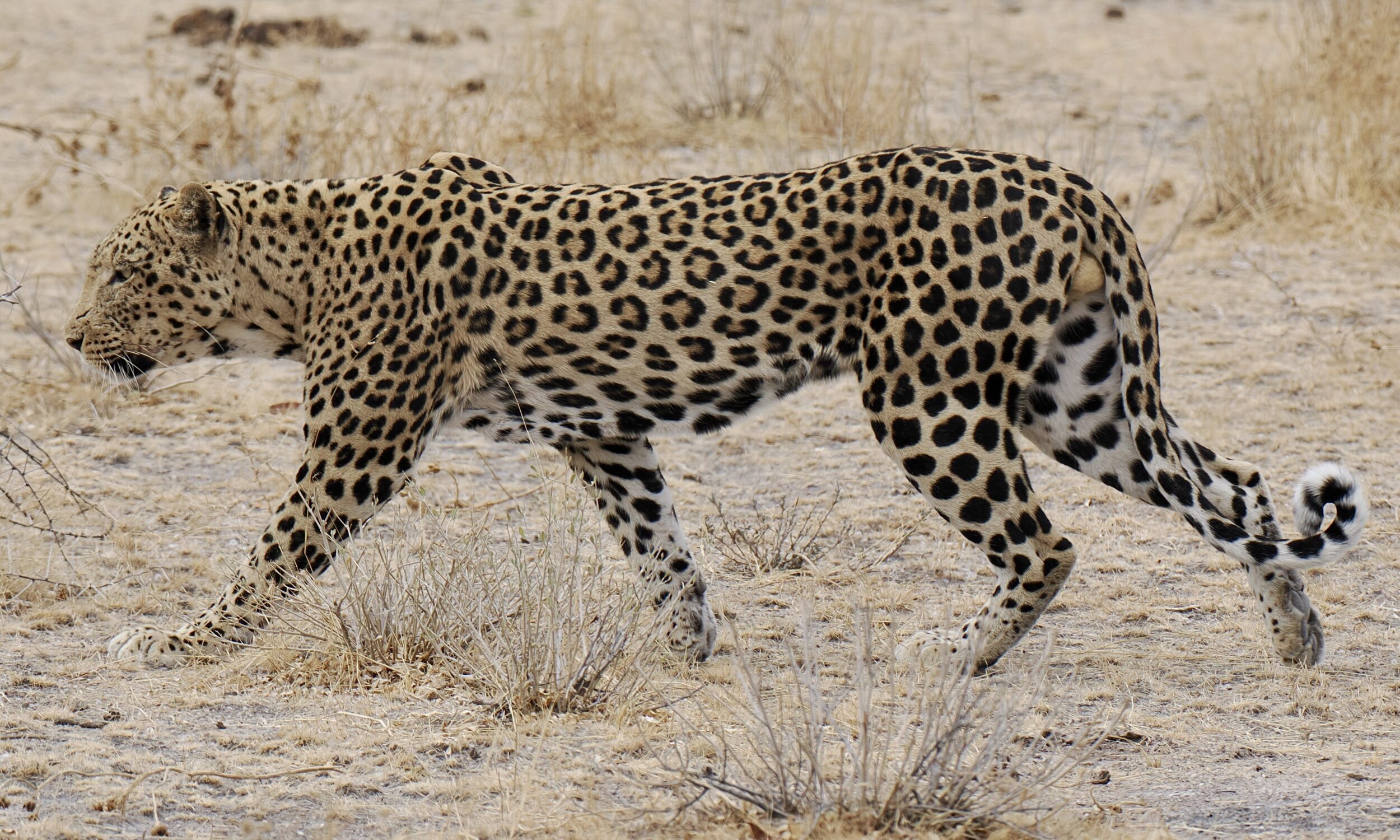
This post documents the last of our four close encounters with leopards in Namibia during November 2022.
The featured image shows “our hero”, not long after we had noticed him.
He was to our right; his quarry (a springbok) was where all the visible grazing mammals were at that time – to our left, on the other side of the relevant road.
Comments closed
Pictured above is a leopard, stalking.
He had targeted a springbok, on the morning of 07 November 2022 in Etosha National Park, northern Namibia.
Almost exactly four months later, in very different habitat we enjoyed our first Indian sighting of a leopard.
The next two Pelican Yoga posts will feature each encounter, separately.
One Comment
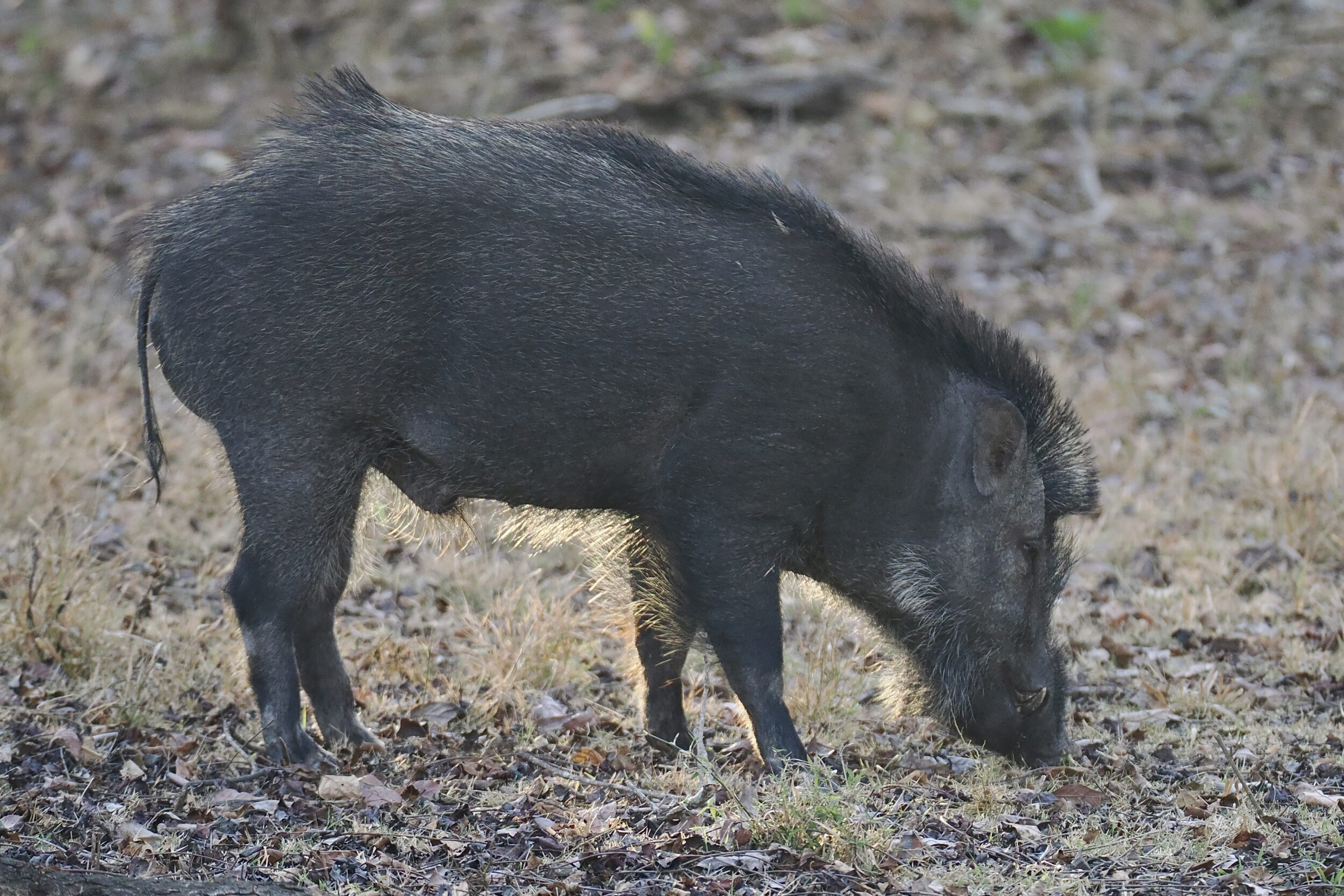
All “true” wild boars – as distinct from domesticated pigs who have escaped and become “wild”/“feral” – hail from Eurasia or North Africa, the so-called “Old” World.
They are generally reckoned a single species, Sus scrofa.
Circa sixteen subspecies are recognised, and none are more striking than Sus scrofa cristatus, the Indian boar. (aka “Andamanese pig” or “Moupin pig”)
Its signature feature is a dorsal mane/crest that can be very spectacular, especially when it is a mature male’s, in erect mode.
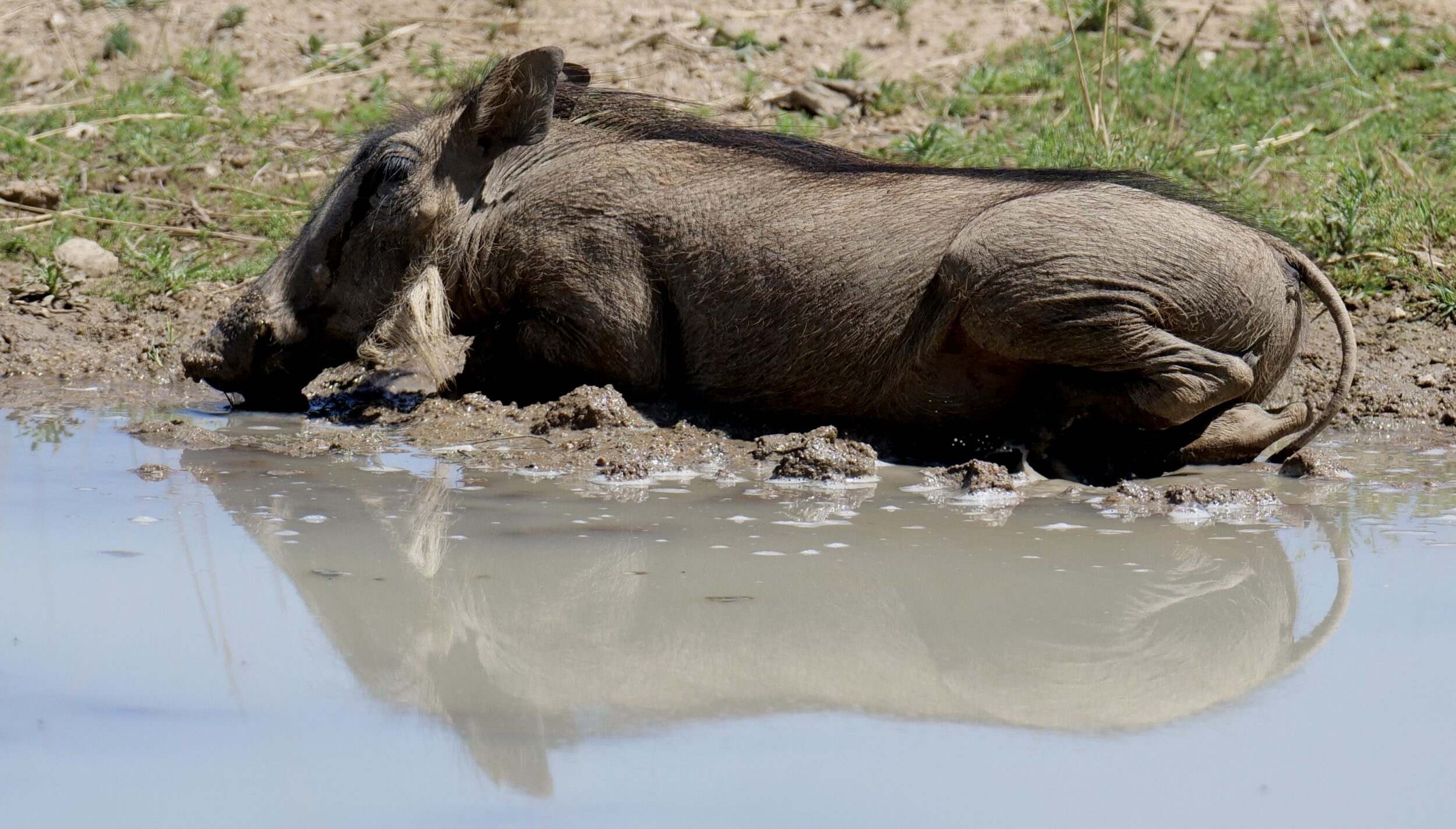
Comments closedEvery living thing needs water.
However, different living things’ particular ways of accessing/consuming/conserving/using water, are hugely variable.
So are the quantities they require, how often they need to drink – if they do need to drink – and even the very nature of their relationship to water.
Certain terrestrial creatures absolutely relish water…and not just as something to drink or to swim in.
In this respect, warthogs are nigh-peerless.
Comments closed
Classical Greek statuary, 21st century Hollywood, “supermodels”, “influencers”, Barbie and Ken, the work of profit-maximising cosmetic surgeons or “surgeons”, pedlars of “miracle” diets and so-called “beauticians”…
Is your idea of “beauty” the fruit of parameters set by one or more of the above?
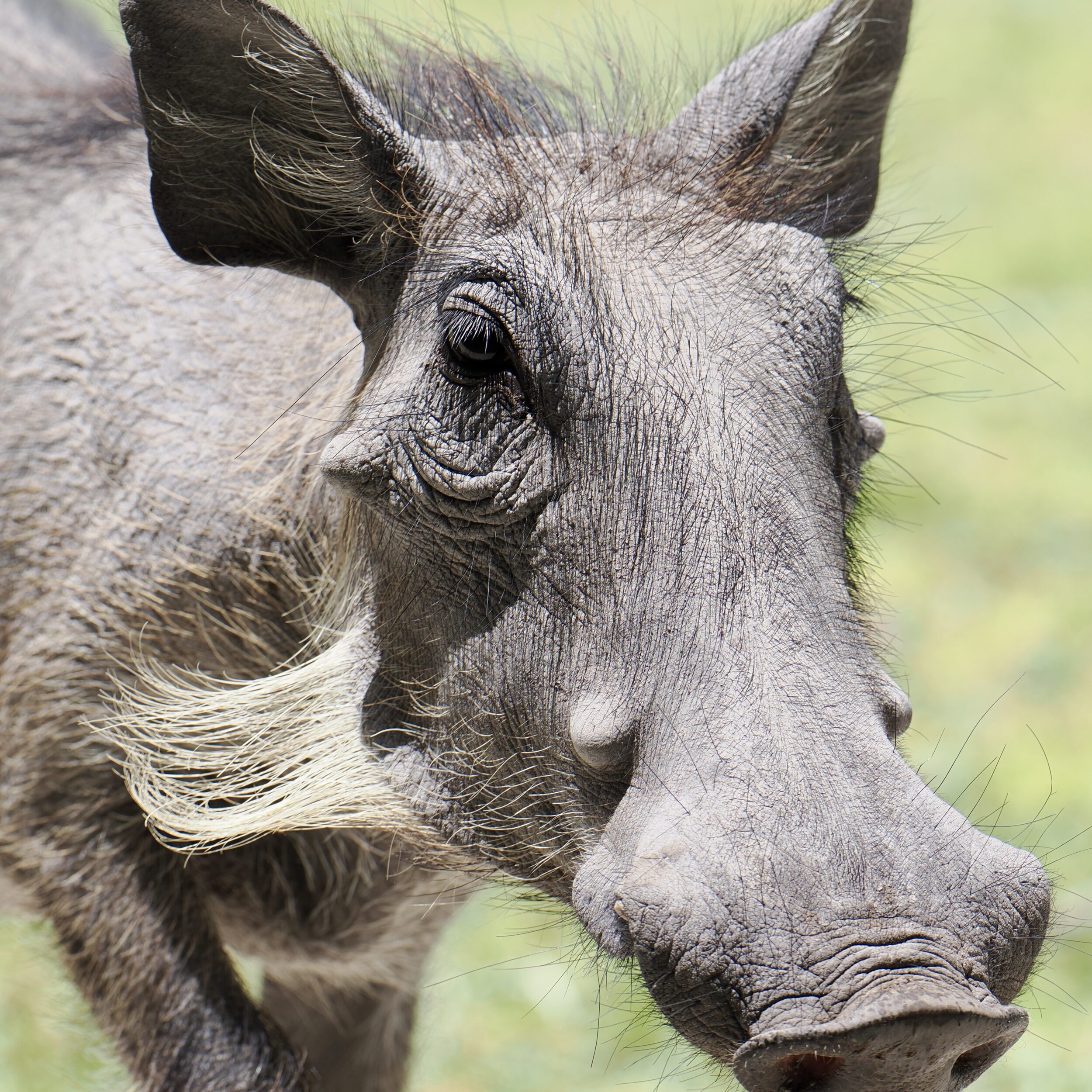
If your answer is an unchangeable “yes”, you will never appreciate that warthogs are indeed beautiful…
Comments closed…but too many humans revile and/or ridicule suids – the pig family.
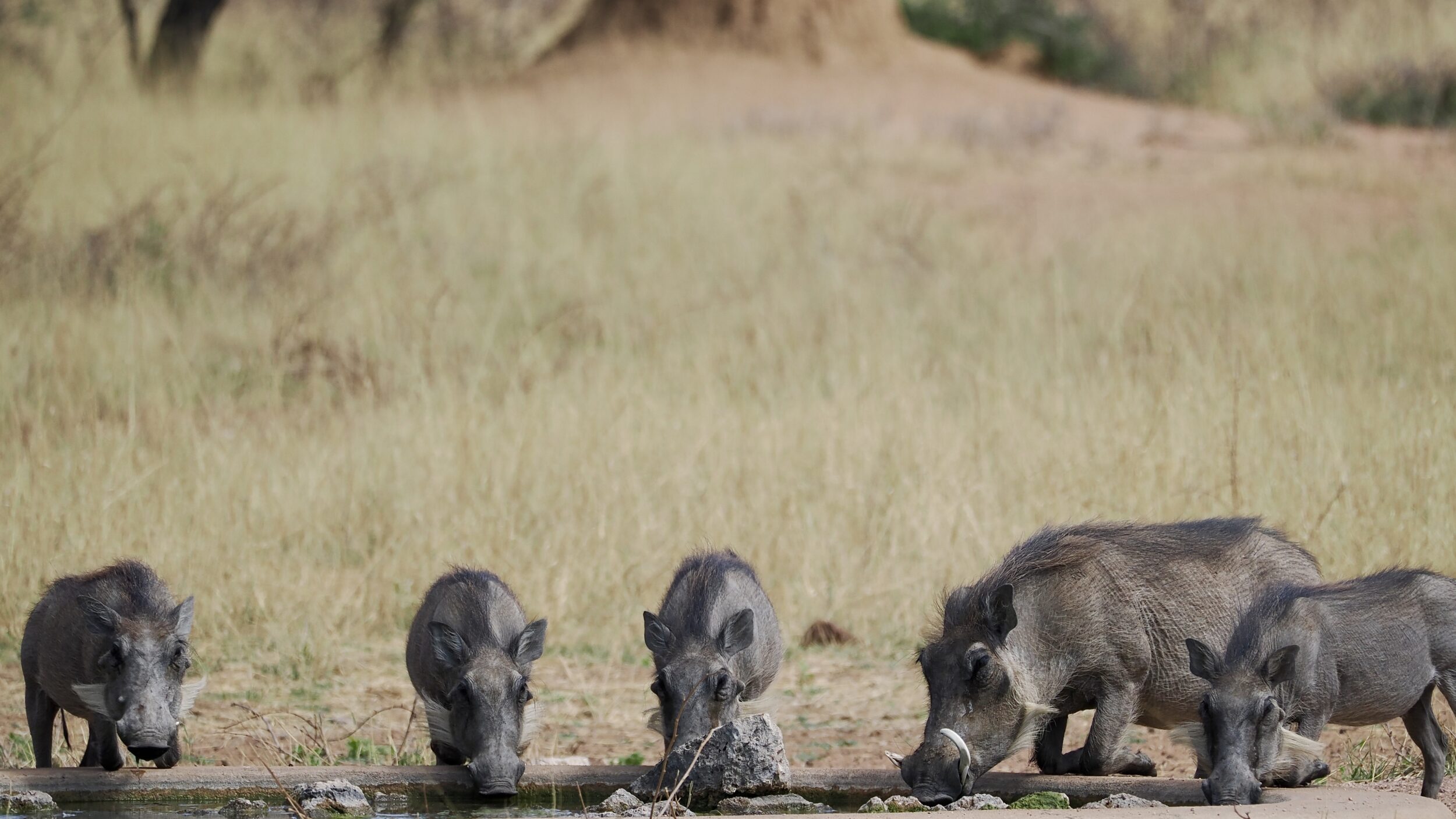
Warthogs (pictured above, at a waterhole in Namibia) get a particularly “bad press”.
They are routinely described as “ugly”.
Allegedly, their faces are ones that only their mothers could love.
To the best of my knowledge, I bear little resemblance to a warthog, but I really like warthogs’ faces…and their whole-hog selves.
Comments closed